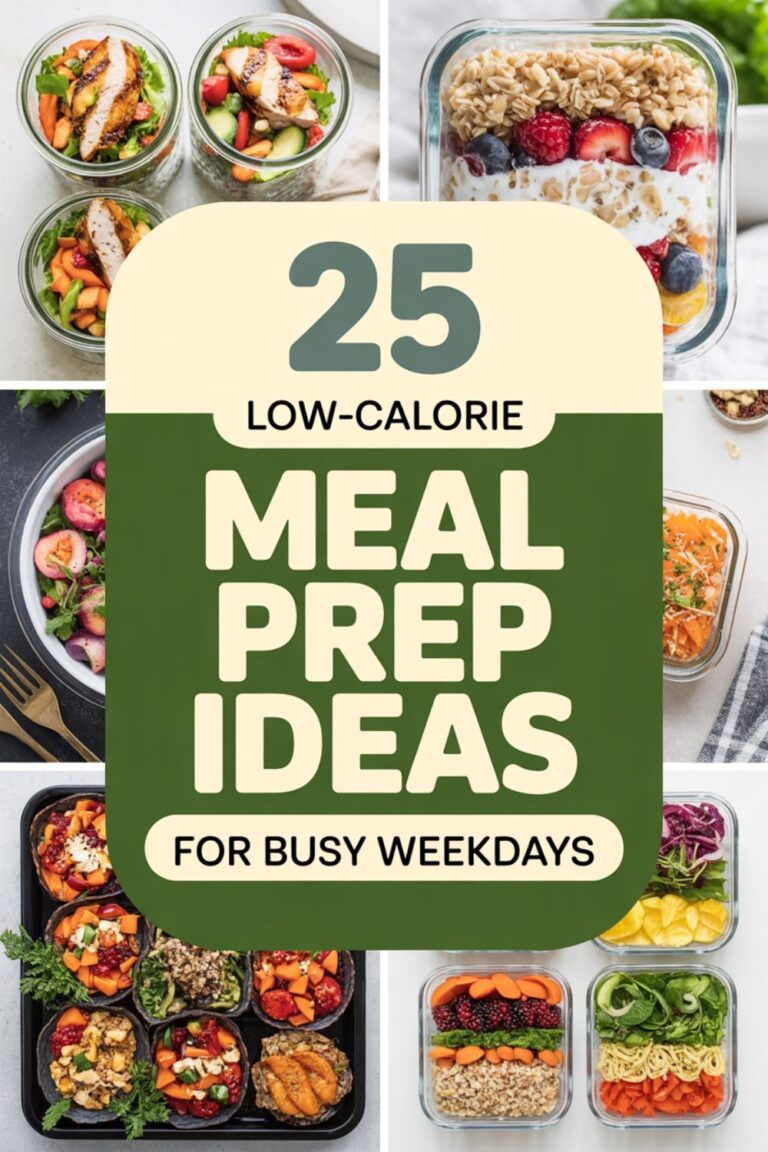
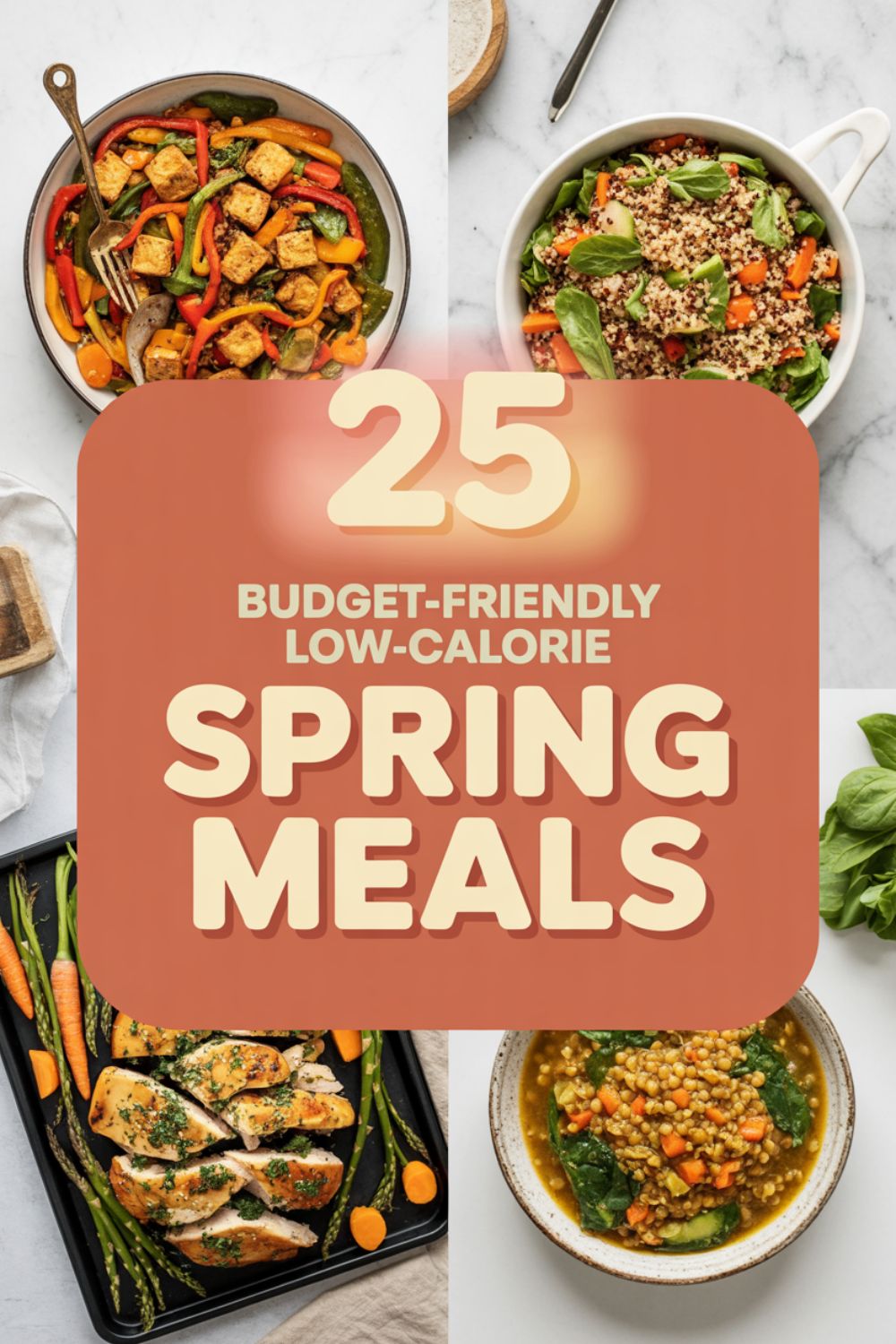
25 Budget-Friendly Low-Calorie Spring Meals
Spring hit me like a ton of fresh asparagus this year. One minute I’m drowning in heavy winter stews, the next I’m craving everything bright, crisp, and under 400 calories. The problem? My grocery budget didn’t magically bloom alongside the tulips.
Here’s what I figured out after way too many failed attempts at “eating light” while watching my bank account: spring meals don’t have to cost a fortune to feel fresh and satisfying. You just need to know which ingredients give you the most bang for your buck and how to make them sing without fancy equipment or a culinary degree.
I’ve pulled together 25 meals that actually respect both your wallet and your calorie goals. No sad desk salads, no bland chicken breast for the fifth day in a row. Just real food that tastes like sunshine finally decided to show up.
Why Spring Actually Makes Budget Cooking Easier
Okay, I’ll admit I used to think seasonal eating was just something food bloggers said to sound fancy. Then I actually checked the price difference between winter tomatoes and spring ones. Mind. Blown.
In-season produce costs less because there’s more of it, and honestly, it tastes better too. When strawberries are at their peak in late spring, they’re sweet enough that you don’t need to drown them in sugar. When zucchini floods the farmers market, suddenly you’re paying pocket change for vegetables that would cost double in January.
Spring also brings lighter proteins into play. Eggs are always budget-friendly, but pair them with fresh greens and herbs? You’ve got restaurant-quality meals for under three bucks. According to research on egg nutrition, one large egg provides about 6 grams of protein and essential vitamins for roughly 70 calories, making them perfect for calorie-conscious cooking.
The real secret nobody talks about? Spring vegetables have high water content, which means they fill you up without loading on calories. Ever wonder why a massive salad can keep you satisfied for hours? Volume eating, my friend. It’s not magic, it’s just smart ingredient choices.
The Spring Ingredients That Won’t Break the Bank
Let me save you some trial and error here. After tracking my grocery receipts for three months straight (yes, I’m that person), I found the spring MVPs that deliver maximum flavor without the financial pain.
Fresh Produce Winners
- Asparagus – Yeah, it feels fancy, but when it’s in season, you can grab a pound for less than frozen broccoli
- Radishes – Criminally underrated and stupidly cheap. They add crunch and pepper without any effort
- Snap peas – Sweet, crunchy, and you can eat them raw straight from the bag (not that I do that constantly)
- Cabbage – One head lasts forever and costs maybe two dollars. Slaw, stir-fries, wraps—it does everything
- Spinach – Spring baby spinach tastes nothing like that sad bagged stuff from winter
- Carrots – Available year-round, but spring carrots are sweeter and more tender
- Lemons – Citrus peaks in spring, and one lemon can transform five different meals
Want to stretch your budget even further while keeping calories in check? Stock up on ingredients from these cheap low-calorie meals for meal prep that work perfectly with spring produce.
Protein That Doesn’t Cost Half Your Paycheck
Forget the overpriced “spring lamb” and those wild-caught salmon fillets that cost more than your phone bill. You need proteins that play nice with your budget and your calorie goals.
- Eggs – The ultimate. Breakfast, lunch, dinner, snack. They don’t care
- Canned tuna – Not sexy, but mix it with spring herbs and lemon? Suddenly it’s Mediterranean
- Chicken thighs – Cheaper than breasts, more forgiving when you overcook them, and actually taste like something
- Dried lentils – Pennies per serving, protein-packed, and they absorb whatever flavors you throw at them
- Greek yogurt – The large tubs cost way less per ounce, and you can use it for everything from breakfast to salad dressing
If you’re looking for more ways to keep protein high without the calorie creep, check out these high-protein low-calorie meals that actually keep you full.
Meal Prep Essentials Used in This Plan
Look, I’m not about to tell you that you need seventeen specialty gadgets to make spring meals happen. But there are a few things that genuinely make life easier when you’re trying to cook light and cheap.
Physical Tools That Actually Matter
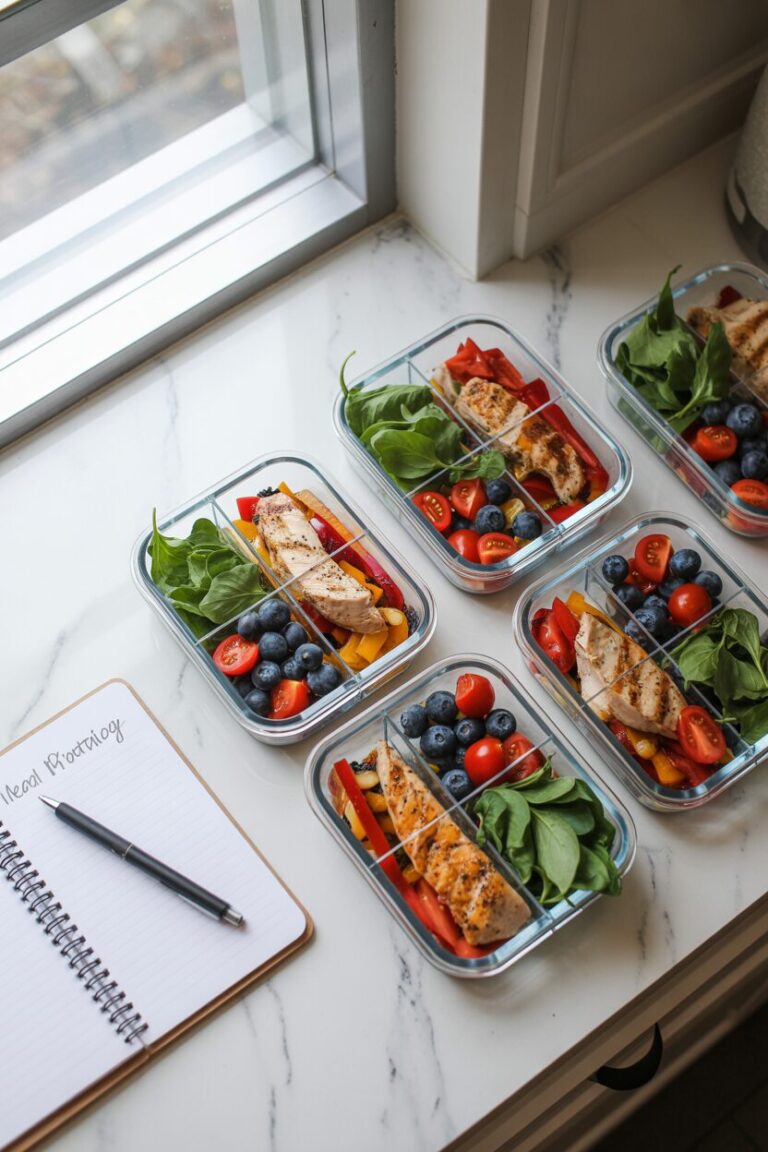
I use this glass meal prep container set for literally everything. You can see what’s inside (game-changer when you forget what you prepped on Sunday), they don’t stain when you pack tomato-based stuff, and I’ve been microwaving the same containers for two years without any weird warping.
The vegetable spiralizer lives on my counter year-round, but spring is when it really shines. Zucchini noodles, carrot ribbons, cucumber spirals—it turns boring vegetables into something that feels special without adding a single calorie.
Honestly? Get yourself a good quality chef’s knife. I resisted for years, then finally splurged on one during a sale. Chopping vegetables went from a chore I dreaded to something I actually don’t mind. Faster prep, cleaner cuts, and way less finger danger.
Digital Resources Worth Your Time
I grabbed the Spring Meal Prep Guide eBook last month and it’s saved me so much mental energy. Pre-planned shopping lists organized by season, recipes that use overlapping ingredients, and calorie counts already calculated. No more Sunday panic about what to cook for the week.
The Macro-Friendly Recipe Database sounds boring but hear me out—you plug in what you have in your fridge, set your calorie target, and it spits out actual recipes instead of just telling you to “eat more vegetables.” Finally, meal planning for people who don’t have three hours to spend on it.
There’s also this Budget Grocery Planner App that tracks seasonal price drops in your area. It’ll ping you when asparagus hits its lowest price or when strawberries are actually worth buying. Nerdy? Absolutely. Useful? More than I want to admit.
25 Spring Meals That Respect Your Budget and Your Goals
Right, let’s get to the actual food. I’ve organized these by meal type because that’s how normal humans think about eating. Each one costs under five dollars per serving and clocks in under 400 calories.
Breakfast Options That Don’t Require a Morning Person
1. Asparagus and Feta Scramble – Three eggs, a handful of chopped asparagus, crumbled feta, and whatever herbs you have lying around. Total time: eight minutes. Total cost: about $2.50. Get Full Recipe.
2. Spring Greens Smoothie Bowl – Frozen banana, spinach, Greek yogurt, and a splash of almond milk. Top with whatever fresh berries are on sale. It sounds like health-blogger nonsense but it actually tastes good and keeps you full until lunch.
3. Lemon Ricotta Pancakes with Strawberries – Make a batch on Sunday, freeze them, then pop them in the toaster all week. The ricotta keeps them fluffy and adds protein without feeling heavy.
4. Veggie-Packed Egg Muffins – Whisk a dozen eggs with diced peppers, spinach, and a bit of cheese. Bake in a muffin tin. Breakfast for the entire week, done in twenty minutes.
Looking for more morning options that won’t derail your goals? These quick low-calorie breakfasts under 300 calories are perfect for busy spring mornings.
5. Greek Yogurt Parfait with Seasonal Fruit – Layer yogurt with whatever fruit is cheap that week, add a sprinkle of granola. The big tub of plain Greek yogurt is your friend here—way cheaper than those individual flavored cups.
Lunch Ideas That Beat Sad Desk Salads
6. Spring Pea and Mint Soup – Frozen peas (cheaper than fresh, same nutrition), vegetable broth, fresh mint, and a squeeze of lemon. Blend it up, season generously. Feels fancy, costs practically nothing.
7. Tuna Salad Lettuce Wraps – Mix canned tuna with Greek yogurt instead of mayo, add diced celery and radishes for crunch, wrap in butter lettuce. Pack of six leaves for a dollar, can of tuna for a buck fifty. You do the math.
8. Quinoa Bowl with Roasted Spring Vegetables – Roast whatever vegetables are on sale (asparagus, carrots, snap peas), toss with cooked quinoa, drizzle with lemon tahini dressing. Meal prep gold.
9. Chicken and Strawberry Spinach Salad – Sounds weird, tastes incredible. Grilled chicken thigh, fresh spinach, sliced strawberries, slivered almonds, and a balsamic drizzle. Sweet, savory, and surprisingly filling.
10. Zucchini Noodle Pad Thai – Spiralized zucchini, scrambled egg, peanut sauce (peanut butter, soy sauce, lime, sriracha), topped with crushed peanuts. Restaurant vibes, home budget.
Need more packable lunch inspiration? Try these easy low-calorie lunch ideas for work that travel well and actually taste good cold.
Dinner When You’re Too Tired to Think
11. Sheet Pan Lemon Chicken with Asparagus – Toss chicken thighs and asparagus with lemon, garlic, and olive oil. One pan, 25 minutes, done. Clean-up is a joke.
12. Cabbage Stir-Fry with Eggs – Shred half a cabbage, stir-fry with garlic and ginger, push it to the side and scramble a couple eggs in the same pan. Add soy sauce. It’s basically deconstructed egg rolls without the frying.
13. Baked Salmon with Spring Vegetables – Wait for salmon to go on sale, then stock up. Bake with lemon slices on top, surround with whatever spring vegetables you grabbed. Fancy dinner party vibes for weeknight prices.
14. Lentil and Vegetable Curry – Dried lentils, canned tomatoes, curry powder, whatever vegetables need using up. Simmer until everything is soft. Serve over rice or eat it straight like soup. Reheats beautifully.
15. Stuffed Bell Peppers – Mix cooked quinoa or rice with ground turkey, diced tomatoes, and spices. Stuff into halved peppers, bake. When peppers are in season, you can get six for like three dollars.
For even more dinner ideas that won’t leave you hungry an hour later, explore these low-calorie dinners that actually fill you up.
16. Shrimp and Snap Pea Stir-Fry – Frozen shrimp thaw in ten minutes under cold water. Stir-fry with snap peas, garlic, and ginger. Serve over cauliflower rice if you’re feeling extra, or regular rice if you’re normal.
17. Greek-Style Turkey Burgers – Mix ground turkey with minced garlic, oregano, and feta. Form into patties, grill or pan-fry. Serve on a big pile of greens instead of a bun, top with tzatziki made from that tub of Greek yogurt.
One-Bowl Wonders
18. Mediterranean Chickpea Bowl – Canned chickpeas (rinse them first), cucumber, tomatoes, red onion, feta, lemon juice, olive oil. Tastes like vacation, costs less than takeout.
19. Asian-Inspired Chicken and Cabbage Bowl – Shredded cabbage, shredded carrots, grilled chicken, peanut sauce, cilantro, lime. The cabbage-to-everything-else ratio means you can eat a massive bowl for minimal calories.
20. Spring Vegetable Grain Bowl – Farro or bulgur (cheap whole grains nobody talks about), roasted vegetables, a fried egg on top, drizzle of tahini. It’s the kind of bowl that makes you feel like you have your life together.
If bowls are your thing, check out these low-calorie bowls you can eat every day without getting bored.
Snacks and Light Meals
21. Radish and Hummus Plate – Slice radishes thin, dip in hummus. The peppery crunch against creamy hummus is weirdly addictive. One bunch of radishes costs maybe 79 cents.
22. Spring Roll Bowls – All the flavors of spring rolls without the wrapping fuss. Rice noodles, shredded vegetables, herbs, peanut sauce. Eat it with a fork like a civilized person.
23. Caprese Salad with Fresh Basil – When tomatoes hit their stride in late spring, this becomes worth making. Fresh mozzarella, tomatoes, basil, balsamic. Simple doesn’t mean boring.
24. Egg Salad on Cucumber Rounds – Hard-boiled eggs mashed with Greek yogurt, mustard, and fresh dill. Pile onto thick cucumber slices. Crunchy, creamy, and somehow satisfying without bread.
25. Strawberry Spinach Smoothie – Strawberries, spinach, banana, almond milk, protein powder if you’re into that. Breakfast or snack, your call. Either way, it’s pink and tastes like dessert.
Tools and Resources That Make Cooking Easier
Beyond the basics, a few strategic additions to your kitchen can make the difference between “I’ll cook tonight” and “where’s the takeout menu.”
I picked up these portion control containers when I started actually paying attention to serving sizes. Color-coded for different food groups, which sounds elementary but genuinely helps when you’re packing lunches half-asleep.
The salad spinner was a gift I thought I’d never use. Wrong. Washing and drying greens properly means they last longer and taste better. Plus, wet lettuce is the worst and this fixes that problem.
Also grabbed this digital kitchen scale during a sale. It’s been eye-opening to see what actual portion sizes look like versus what I thought they were. Turns out I was eating about twice the recommended serving of pasta for years. Oops.
Digital Help That’s Actually Helpful
The Seasonal Eating Guide taught me which produce to buy when, and how to store it so it doesn’t turn to mush in three days. Revolutionary for someone who used to throw out half their vegetables.
I also use the Meal Rotation Planner to avoid that thing where you make the same five meals forever. It suggests new combinations based on what you already like, so you’re not constantly starting from scratch.
Making These Meals Work for Your Week
Here’s the thing about budget cooking that nobody mentions: you need a system, or you’ll end up spending more money trying to save money. Sounds backwards, but it’s true.
I shop twice a week now—once for the week’s basics, once mid-week for whatever produce looks good and is on sale. This keeps things fresh without requiring a crystal ball to predict what you’ll want five days from now.
Jennifer from our community switched to this method and said she cut her grocery bill by 30% while actually eating more vegetables. Her secret? She stopped buying things “just in case” and started building meals around sale items instead of forcing sale items into pre-planned meals.
The Harvard School of Public Health nutrition guidelines emphasize the importance of incorporating diverse vegetables for optimal vitamin and mineral intake, which aligns perfectly with seasonal, budget-friendly cooking.
When you’re planning spring meals specifically, think about ingredient overlap. If you buy a bunch of asparagus, plan three different meals that use it in different ways. Monday’s roasted asparagus becomes Wednesday’s chopped-up scramble ingredient becomes Friday’s cold salad component.
Budget Hacks Nobody Tells You About
Shop the “sad vegetable” section. Seriously. That slightly bruised pepper or those carrots that aren’t perfectly straight? They’re marked down and they taste exactly the same as the pretty ones. You’re roasting them anyway, who cares if the zucchini has a weird bend?
Buy herbs as plants instead of those ridiculous plastic boxes. One basil plant costs the same as one package of cut basil, but the plant keeps producing for months. Set it on your windowsill, snip what you need, boom—endless garnish.
The bulk bins are your friend for trying new grains and legumes. You can buy exactly the amount you need for one recipe instead of committing to a whole bag of something you might hate. Plus it’s usually cheaper per ounce.
Don’t sleep on frozen vegetables for the non-star ingredients. Fresh asparagus? Sure, that’s the main event. But the spinach you’re wilting into a scramble? Frozen is fine and costs half as much.
Common Mistakes That Cost You Money
Shopping hungry remains the dumbest thing I do regularly. Every time I think “I can handle it,” I end up with random items that sounded good in the moment but don’t actually make meals. Shop after eating, always.
Buying pre-cut anything is paying someone else to use a knife. I get it, convenience matters. But you’re paying triple for vegetables that someone else chopped five minutes ago. Spend those five minutes, save those dollars.
Throwing away food because you forgot it exists in your fridge is literally throwing away money. Use clear containers, label stuff with dates, and for the love of all that’s holy, put the older food in front of the new stuff.
Not tasting as you cook means you waste ingredients trying to fix bland food after the fact. Season as you go, taste constantly, adjust before it’s too late. Your salt shaker and your wallet will thank you.
Related Recipes You’ll Love
Frequently Asked Questions
Can I really eat filling meals on a budget and still lose weight?
Absolutely. The key is choosing high-volume, low-calorie ingredients like spring vegetables and pairing them with affordable protein sources. When you focus on whole foods and seasonal produce, you naturally eat fewer calories without feeling deprived, and your grocery bill actually goes down because you’re not buying expensive processed diet foods.
How long do these spring meals last in the fridge?
Most of these meals keep well for 3-4 days when stored properly in airtight containers. Salads with dressing should be kept separate and assembled fresh, while grain bowls, stir-fries, and roasted vegetable dishes actually taste better the next day. Just avoid meal prepping anything with delicate herbs or crispy elements for more than two days.
What if spring produce isn’t available or affordable where I live?
Focus on whatever seasonal vegetables are cheapest in your area—the principles stay the same. Cabbage, carrots, and onions are budget-friendly year-round everywhere. You can also use frozen vegetables for most of these recipes without sacrificing nutrition or flavor. The “spring” aspect matters less than choosing fresh, affordable ingredients that work with your local market.
Do I need to count calories for every ingredient?
Not necessarily. These meals are designed to naturally come in under 400 calories per serving through smart ingredient choices. If you’re just starting out or have specific weight loss goals, tracking for a week or two helps you learn portion sizes. After that, most people can eyeball it because they understand what balanced, calorie-appropriate meals look like on their plate.
Can I substitute ingredients I don’t like?
Of course. Hate asparagus? Use green beans or broccoli. Can’t stand quinoa? Rice, farro, or bulgur work just as well. The recipes are templates, not rules. The important part is maintaining the balance of vegetables, protein, and whole grains while keeping an eye on portion sizes. Swap freely based on what you actually enjoy eating.
Wrapping This Up
Spring cooking doesn’t require a trust fund or a farmer’s market membership. It just needs you to pay attention to what’s actually in season, what’s on sale, and what fills you up without loading you down.
These 25 meals prove you can eat light, fresh, and budget-friendly all at once. The trick is thinking of your grocery budget and your calorie budget as two sides of the same coin—both benefit when you focus on real, seasonal ingredients prepared simply.
Start with three or four recipes that sound good to you. Make them this week. See how you feel. Then add a few more. You don’t need to overhaul your entire cooking routine overnight. Small, sustainable changes beat dramatic transformations every single time.
And if nothing else, at least you’ll stop paying winter prices for summer produce. That alone is worth the effort.