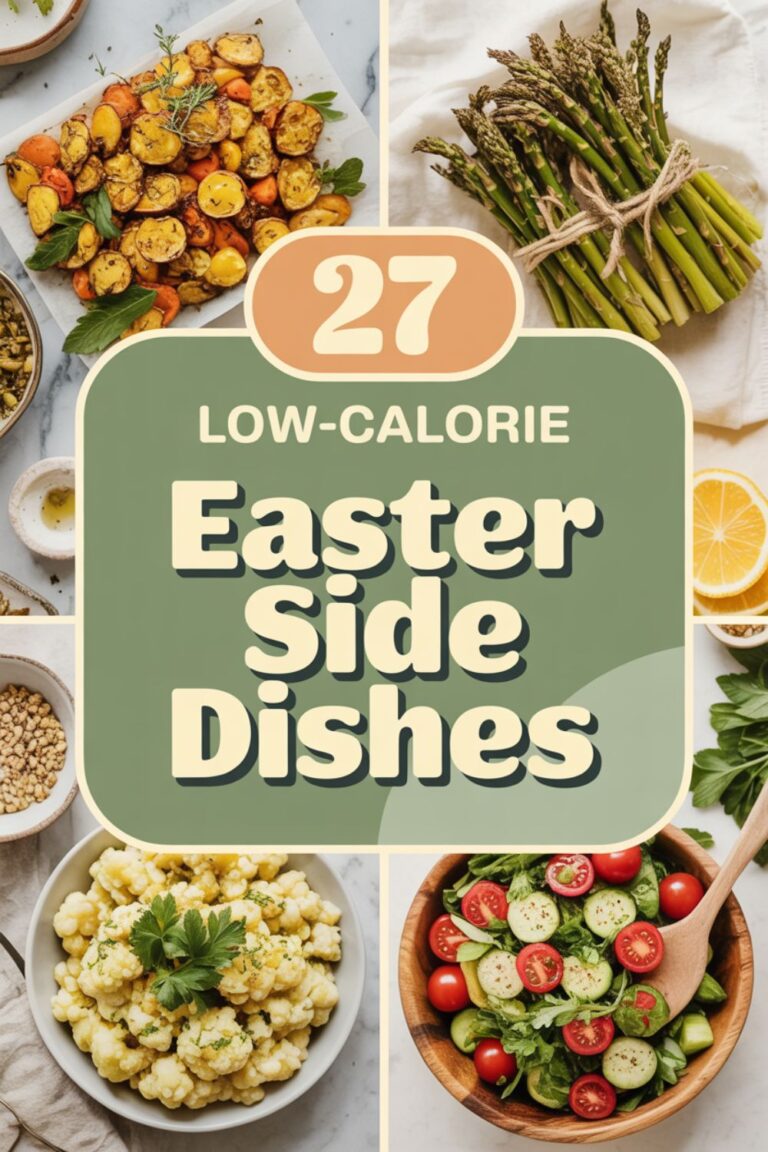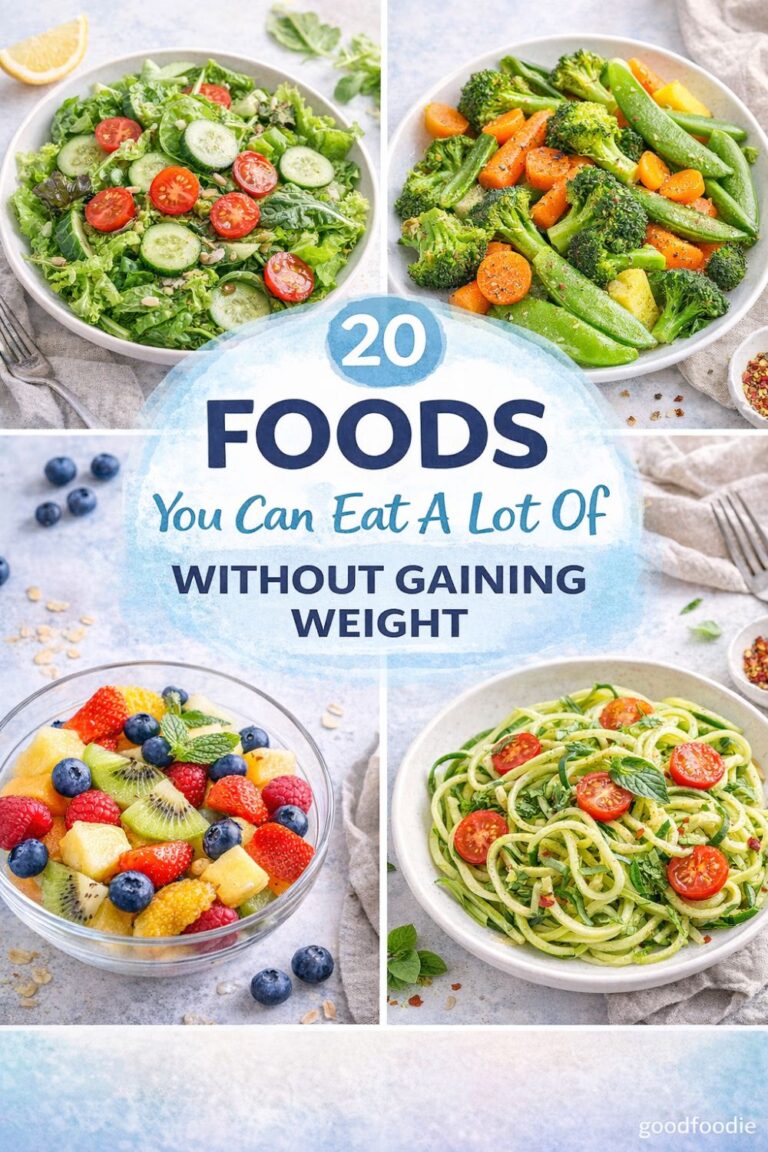
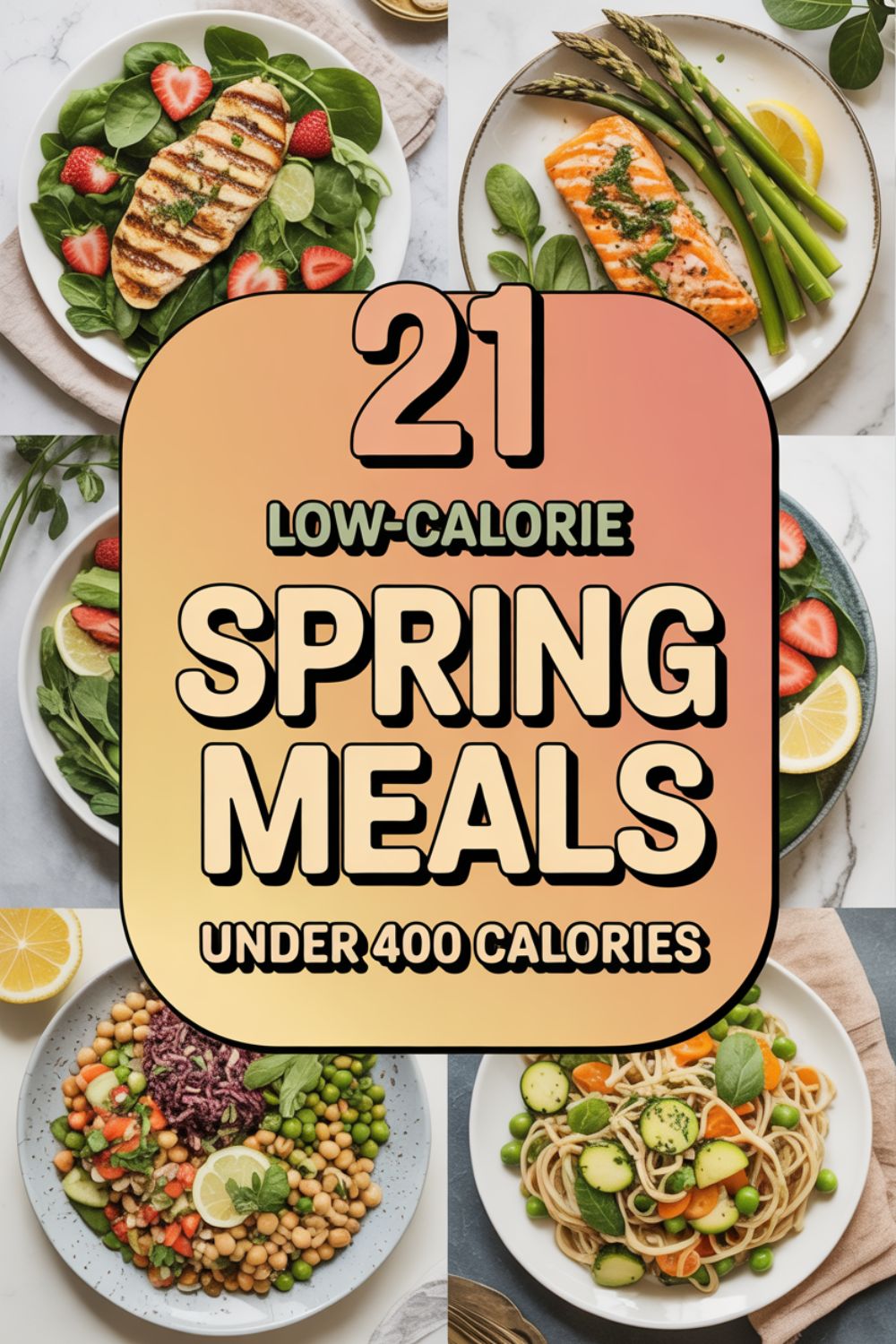
21 Low-Calorie Spring Meals Under 400 Calories
Spring finally showed up, and honestly? I’m ready to shake off those heavy winter dinners and eat something that doesn’t make me want to nap immediately after. You know what I’m talking about—lighter meals that actually taste like something, not sad piles of lettuce pretending to be dinner.
I’ve spent the last few weeks testing spring-inspired meals that clock in under 400 calories but don’t leave you rummaging through the pantry an hour later. These aren’t “diet” meals in that depressing, flavorless way. They’re legit good food that happens to be lower in calories because we’re using fresh spring produce at its peak.
What makes spring meals different? The ingredients do most of the heavy lifting. Asparagus, peas, strawberries, radishes, and fresh herbs bring so much natural flavor that you don’t need to drown everything in cheese or cream to make it edible. Don’t get me wrong—I love cheese. But spring is when vegetables actually want to be the star of the show.
Why Spring Meals Hit Different
Ever notice how you naturally crave lighter food when the weather warms up? That’s not just in your head. Your body actually adjusts its caloric needs based on temperature and activity levels. When you’re not constantly trying to stay warm, you don’t need the same calorie density you craved in January.
Spring produce also tends to be higher in water content and fiber, which means more volume for fewer calories. A cup of asparagus has about 27 calories. A cup of butternut squash? Nearly 90. Both are healthy, but one gives you way more plate coverage when you’re watching portions.
I used to think eating light meant eating boring, but then I figured out how to layer flavors without piling on calories. Fresh lemon juice, quality olive oil, garlic, fresh herbs—these ingredients transform simple vegetables into something you’d actually choose to eat. According to Harvard Health, focusing on nutrient-dense foods rather than just calorie counting leads to better long-term results anyway.
The Spring Breakfast Lineup
1. Asparagus and Goat Cheese Frittata (285 calories)
Frittatas are my secret weapon for using up whatever’s in the fridge. This one showcases fresh asparagus with tangy goat cheese—way more interesting than your standard scrambled eggs. I cook mine in a 10-inch cast iron skillet because it goes from stovetop to oven without batting an eye, plus the heat distribution is unbeatable.
Cut your asparagus into one-inch pieces and sauté them first until they’re just tender. The goat cheese melts into these little pockets of creamy goodness throughout the eggs. Get Full Recipe
2. Strawberry Spinach Smoothie Bowl (320 calories)
Smoothie bowls get a bad rap for being Instagram bait, but this one actually keeps me full until lunch. The trick is adding enough protein and healthy fats so it’s not just fruit juice in a bowl. I blend frozen strawberries, fresh spinach, Greek yogurt, and a tablespoon of almond butter.
Top it with sliced strawberries, a sprinkle of chia seeds, and some crunchy granola clusters for texture. FYI, using frozen fruit makes it thick enough to eat with a spoon without adding ice that waters everything down.
3. Ricotta Toast with Radishes and Herbs (265 calories)
Radishes are criminally underused. They’ve got this peppery crunch that works perfectly on toast. Spread ricotta on whole grain bread, top with thinly sliced radishes, fresh dill, and a pinch of flaky sea salt. The contrast between creamy ricotta and crisp radishes makes every bite interesting.
I slice the radishes paper-thin using a mandoline slicer—turns a five-minute job into a thirty-second one, and you get those perfect translucent slices that look professional without trying too hard.
If you’re looking for more ways to start your day light, these quick calorie deficit breakfast recipes and low-calorie high-protein breakfast ideas have become my go-to rotation all season long.
Light Lunch Ideas That Actually Satisfy
4. Spring Pea and Mint Soup (180 calories)
This soup tastes way fancier than the effort required. Fresh or frozen peas, vegetable broth, shallots, and fresh mint. Blend it smooth and you’ve got this bright green situation that feels like you’re eating spring itself. I keep mine completely plant-based, but you could swirl in a little Greek yogurt if you want.
The mint is non-negotiable though. Without it, you just have pea soup. With it, you have pea soup that people ask for the recipe. Get Full Recipe
5. Lemon Garlic Shrimp with Zucchini Noodles (295 calories)
Zucchini noodles finally clicked for me when I stopped treating them like pasta and started treating them like, well, zucchini. Don’t overcook them. Seriously. A quick sauté—maybe two minutes—and they’re done. Any longer and you’ve got sad, watery strings.
The shrimp cook even faster. Garlic, lemon juice, a little white wine if you’re feeling fancy, and lots of black pepper. The whole thing takes maybe 15 minutes start to finish. I use a spiralizer attachment that fits right on my KitchenAid because the handheld ones gave me hand cramps after one zucchini.
6. Cucumber and White Bean Salad (245 calories)
White beans are underrated for adding protein and substance to salads without making them heavy. This one’s super simple—cucumbers, white beans, cherry tomatoes, red onion, fresh dill, and a lemon vinaigrette. The key is letting it sit for at least 30 minutes so the flavors meld.
I make a big batch on Sunday and eat it all week. The cucumbers stay surprisingly crisp if you don’t dress the whole thing at once. According to research on soluble fiber from beans, foods like white beans can help you feel fuller longer while supporting healthy digestion—which is probably why this lunch actually holds me over.
“I’ve been making the cucumber and white bean salad for three weeks straight now. Down 8 pounds and I’m not even trying that hard. It’s just easy to stick with food that doesn’t bore me to death.” — Jessica from our community
7. Grilled Chicken with Snap Peas (340 calories)
Sometimes you just want protein and vegetables without overthinking it. Marinate chicken breasts in lemon juice, olive oil, garlic, and oregano for at least an hour. Grill them. Sauté snap peas with a little butter and garlic. Done.
The snap peas stay crunchy and sweet, and the lemon marinade keeps the chicken from being dry and boring. This is the meal I make when I’m too tired to get creative but still want something better than takeout.
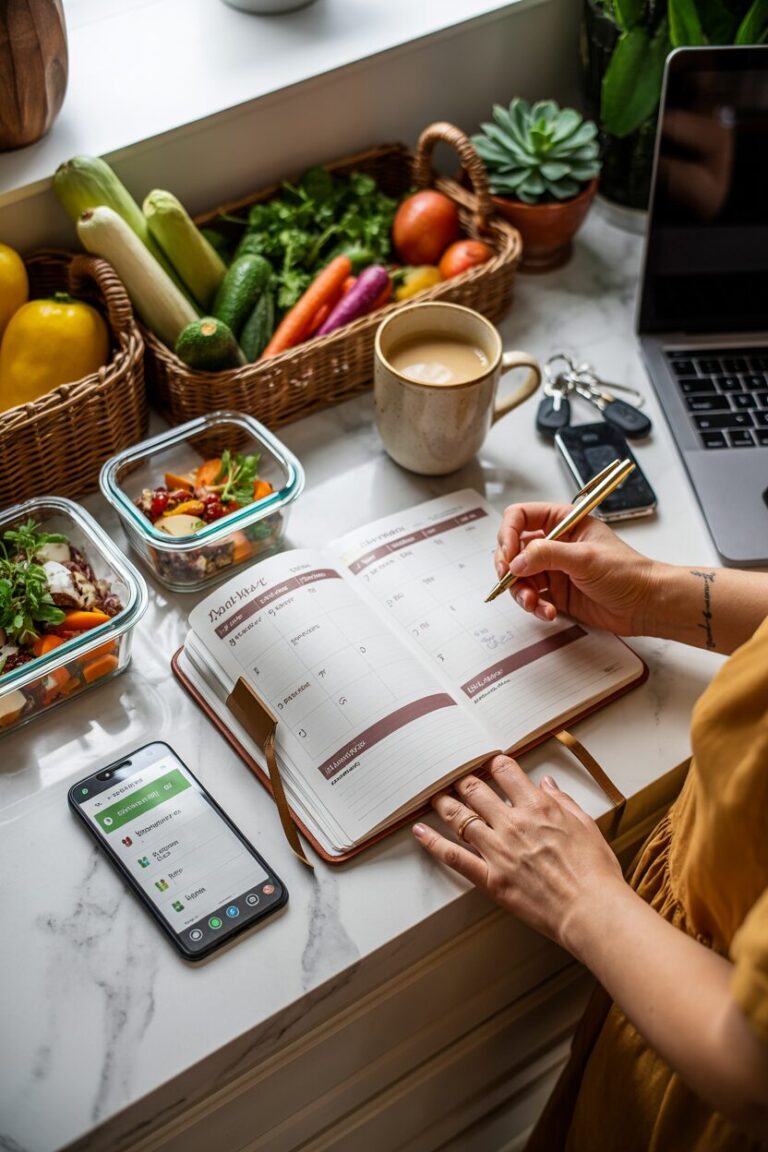
Meal Prep Essentials Used in This Plan
Physical Products:
- Glass meal prep containers (5-pack) – These don’t stain or hold smells like plastic. I’ve used the same set for two years.
- OXO Good Grips spiralizer – Makes zucchini noodles and cucumber ribbons in seconds. Actually stays sharp.
- Digital food scale – Takes the guesswork out of portions. I thought I didn’t need one until I realized my “tablespoon” of peanut butter was actually three.
Digital Resources:
- Spring Meal Prep Guide (PDF download) – Complete shopping lists and prep schedules for all 21 meals
- Calorie Counter & Macro Tracker App – The one that doesn’t make you want to throw your phone. Actually intuitive.
- Low-Calorie Recipe eBook Bundle – 150+ recipes organized by season and calorie count
Want to connect with others doing the same thing? Join our WhatsApp Community for Daily Meal Ideas where we share what’s working, what flopped, and random kitchen hacks that actually help.
Dinner Without the Drama
8. Herb-Crusted Cod with Roasted Radishes (310 calories)
Roasted radishes are a game-changer. They lose that sharp bite and turn almost sweet. Top cod fillets with a mixture of panko, fresh herbs, and lemon zest. Roast everything on the same sheet pan. One pan, minimal cleanup, maximum flavor.
I line my sheet pan with parchment paper because I’m not interested in scrubbing baked-on fish bits at 9 PM. Life’s too short. Get Full Recipe
9. Turkey Lettuce Wraps with Mango Salsa (285 calories)
These wraps bring actual excitement to ground turkey, which let’s face it, needs all the help it can get. The mango salsa is what makes them—sweet mango, red onion, jalapeño, cilantro, and lime juice. Use butter lettuce for the wraps because it’s sturdy enough to hold everything without falling apart.
The salsa also works great on grilled chicken or fish, so I usually make a double batch. It lasts about a week in the fridge, assuming you don’t just eat it with chips first.
10. Balsamic Glazed Chicken with Asparagus (350 calories)
Balsamic glaze sounds fancy but it’s literally just balsamic vinegar reduced until it’s syrupy. Cook it down in a small saucepan while your chicken bakes. Drizzle it over chicken and roasted asparagus at the end. The sweet-tangy thing happening there makes plain chicken breast interesting.
You could buy pre-made balsamic glaze, but making it yourself costs about a quarter of the price and tastes better. No weird additives either.
Speaking of satisfying dinners, I rotate these with low-calorie dinners under 350 calories and easy low-calorie dinner ideas when I need something different but equally uncomplicated.
11. Greek-Style Stuffed Peppers (330 calories)
Stuffed peppers got a reputation for being 1950s cafeteria food, but this version is actually worth making. Ground turkey, quinoa, tomatoes, cucumber, feta, and fresh oregano. The filling tastes like a deconstructed Greek salad that happens to be stuffed in a pepper.
I use red bell peppers because they’re sweeter when roasted. The whole thing bakes in about 30 minutes. Make extra filling and eat it as a bowl the next day if you don’t feel like eating more peppers.
12. Sesame Ginger Salmon with Bok Choy (375 calories)
Salmon cooks so fast it’s almost dangerous. Marinate it in soy sauce, fresh ginger, sesame oil, and a touch of honey for 20 minutes. Sear it skin-side down in a hot pan. That’s it. The bok choy gets a quick stir-fry in the same pan after the salmon comes out.
I use a fish spatula for flipping salmon because regular spatulas break it into sad little pieces. The thin, slotted design slides right under without sticking.
13. Lemon Herb Chicken Skewers with Grilled Vegetables (325 calories)
Skewers make everything more fun. That’s just science. Marinate chicken chunks in lemon juice, olive oil, garlic, and fresh rosemary. Thread them onto skewers with bell peppers, red onion, and zucchini. Grill everything until it’s got those nice char marks.
If you’re using wooden skewers, soak them in water for 30 minutes first so they don’t catch fire. Ask me how I know this. Get Full Recipe
When You Need Something Quick
14. Caprese Salad with Balsamic Reduction (240 calories)
This isn’t cooking, it’s assembly. But sometimes that’s exactly what you need. Fresh mozzarella, ripe tomatoes, basil leaves, balsamic reduction, salt, and pepper. The quality of ingredients matters here since there’s nowhere to hide mediocre tomatoes.
Spring is when tomatoes start getting good again, so this salad actually works. In February? Hard pass. In May? Absolutely.
15. Egg Salad Lettuce Cups (190 calories)
Egg salad gets a makeover with Greek yogurt instead of mayo, fresh dill, and a squeeze of lemon. Serve it in butter lettuce cups with sliced radishes and cucumber. It’s light, refreshing, and way more interesting than regular egg salad on sad bread.
I hard-boil a dozen eggs at the start of the week in my electric egg cooker because I cannot be trusted to watch a pot of boiling water without getting distracted.
16. Mediterranean Quinoa Bowl (360 calories)
Bowl meals are clutch for using up leftovers. Cook quinoa, top with whatever vegetables you have, add some chickpeas for protein, crumble feta on top, and dress it with lemon and olive oil. Every bite tastes a little different depending on what you scoop up.
The chickpeas add substance without feeling heavy. They’re also ridiculously cheap, which helps when you’re trying to eat healthy on a budget. These cheap low-calorie meals for meal prep have saved me so much money this spring.
17. Shrimp and Avocado Salad (315 calories)
This salad feels indulgent but clocks in under 350 calories. Grilled shrimp, avocado, mixed greens, cherry tomatoes, and a lime vinaigrette. The avocado makes it creamy and satisfying without needing heavy dressing.
I buy frozen cooked shrimp and just thaw them under cold water. IMO, the convenience is worth it, and you can’t really tell the difference once they’re dressed and mixed into a salad.
Lighter Takes on Comfort Food
18. Cauliflower Fried Rice with Edamame (275 calories)
Cauliflower rice finally makes sense when you treat it like its own thing instead of trying to trick yourself that it’s actual rice. This version has edamame for protein, lots of vegetables, soy sauce, and sesame oil. It’s fried rice vibes without the calorie hit.
The key is getting the cauliflower rice as dry as possible before cooking. Wet cauliflower rice equals mushy disaster. I spread mine on a clean kitchen towel and squeeze out the excess moisture first. Takes an extra minute but totally worth it.
19. Turkey Meatballs with Zucchini Noodles (345 calories)
These meatballs stay moist because I add grated zucchini to the mixture. Sounds weird, works perfectly. Mix ground turkey with grated zucchini, garlic, Italian herbs, and a little parmesan. Bake them on a sheet pan while you make marinara sauce.
Serve over zucchini noodles or regular pasta if you have the calories to spare. Either way, they’re better than any frozen meatballs I’ve tried. Get Full Recipe
20. Mushroom and Spinach Quesadilla (310 calories)
Quesadillas don’t have to be cheese delivery systems. This one’s packed with sautéed mushrooms, fresh spinach, a reasonable amount of cheese, and gets crispy in a dry pan. Cut it into triangles and serve with salsa and a dollop of Greek yogurt instead of sour cream.
The mushrooms give it that meaty, savory thing without actual meat. I use a mix of cremini and shiitake because they have more flavor than plain white button mushrooms.
21. Lemon Garlic Tilapia with Green Beans (280 calories)
Tilapia gets criticized for being bland, but that just means it’s a blank canvas. This one gets flavor from garlic, lemon, and a little butter. The green beans roast alongside the fish with the same seasonings. Everything cooks in 20 minutes and tastes way better than it has any right to for that little effort.
Fresh green beans work best, but frozen will do if you thaw and dry them first. Nobody wants soggy vegetables. I season mine with garlic powder, not fresh garlic, because fresh garlic burns at high heat and tastes bitter.
Tools & Resources That Make Cooking Easier
Kitchen Helpers:
- Instant-read thermometer – Stop guessing if chicken is done. This takes the stress out of cooking protein.
- Quality chef’s knife – A sharp knife makes prep faster and safer. Mine paid for itself in the time I saved not hacking through vegetables.
- Silicone baking mats (set of 2) – Reusable, non-stick, and you’ll never buy parchment paper again.
Digital Guides:
- 21-Day Spring Reset Meal Plan – All the planning done for you. Shopping lists, prep schedules, the works.
- Kitchen Confidence Video Course – Basic cooking techniques explained without the pretentious chef talk.
- Seasonal Eating Guide – What’s in season when, plus how to store and prep it. Super handy reference.
Making It Work in Real Life
Here’s the thing about low-calorie meals—they only work if you actually eat them. I’ve tried meal plans that looked great on paper but required ingredients I’d never heard of and techniques I didn’t have time to learn. These 21 meals use normal ingredients you can find at any grocery store.
The calorie counts include everything—oil for cooking, dressing, seasoning, all of it. I’m not giving you those misleading numbers that assume you’re eating dry chicken breast with no seasoning. That’s not food, that’s punishment.
Most of these meals take 30 minutes or less. A few require more time but most of that is hands-off cooking. I’m not asking you to stand over a stove for an hour after work. Nobody has time for that.
You’ll notice these complement the strategies I use in my 30-day low-calorie meal plan and 7-day 1400-calorie meal plan—same philosophy of real food, real flavors, actually sustainable.
“I’ve been rotating through these spring meals for six weeks. Lost 12 pounds without feeling like I’m on a diet. My husband keeps asking what’s for dinner instead of suggesting takeout, so I think he’s into it too.” — Maria, community member
The Meal Prep Angle
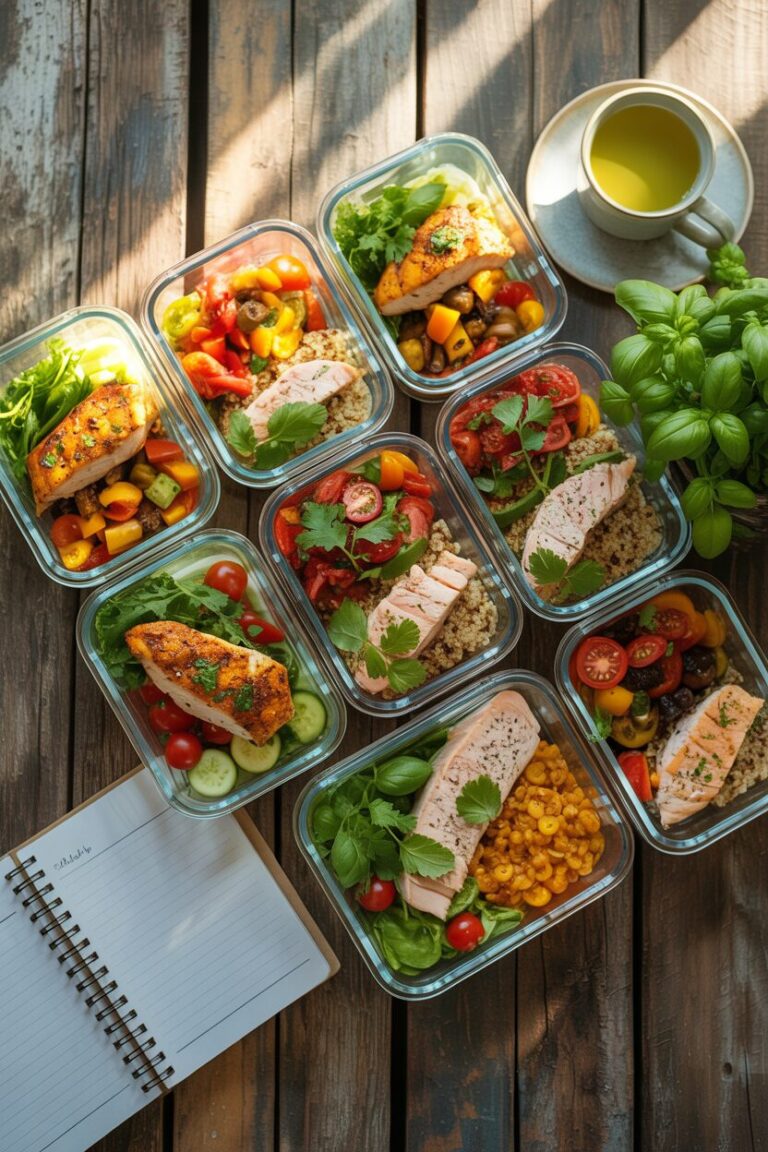
You can meal prep most of these, but some work better than others. Salads with dressing already on them? Not great by day four. Grilled proteins and roasted vegetables stored separately? Perfect all week.
I usually pick three or four meals and make bigger batches on Sunday. That covers most of my weeknight dinners. The other meals I make fresh because they’re fast enough that it’s not a burden. The shrimp dishes, egg-based meals, and anything with fresh herbs taste better when they’re made the day you eat them.
Store your proteins separate from your vegetables and assemble right before eating. This keeps everything at peak texture and flavor. Nobody wants soggy lettuce or dried-out chicken.
What About Portions?
All these meals are designed as single servings at the calorie counts listed. But your needs might be different. If you’re more active or taller or have different calorie goals, you can absolutely scale up the portions.
The beauty of these meals is they’re built around vegetables and lean proteins, so adding more volume doesn’t wreck your macros. Need more food? Double the vegetables. Add another ounce of protein. Serve with a side of quinoa or brown rice.
I use a food scale for proteins and starches, but I’ve stopped weighing vegetables. Life’s too short to weigh lettuce. Eat as many non-starchy vegetables as you want. Seriously. Nobody got unhealthy from eating too much asparagus.
Common Questions About Low-Calorie Spring Meals
Will 400 calories per meal keep me full?
It depends on your total daily intake and activity level. If you’re eating 1200-1500 calories per day, 400-calorie meals work perfectly for lunch and dinner, leaving room for breakfast and snacks. The high protein and fiber content in these meals helps with satiety. Most people find that meals with 20-30 grams of protein and plenty of vegetables keep them satisfied for 4-5 hours.
Can I substitute ingredients in these recipes?
Absolutely. These recipes are meant to be flexible. Don’t like asparagus? Use green beans or broccoli. Not into fish? Most of the fish recipes work fine with chicken instead. The calorie counts might shift slightly, but you can always track the specific ingredients you use. Just keep the basic structure—lean protein, lots of vegetables, minimal added fats—and you’ll stay in the same range.
How long do these meals last in the fridge?
Most cooked proteins and vegetables last 3-4 days when stored properly in airtight containers. Salads without dressing can last up to 5 days if you keep the ingredients separate. Anything with seafood should be eaten within 2 days max. Fresh herbs wilt fast, so add those right before eating if you’re meal prepping. When in doubt, trust your nose—if it smells off, toss it.
Do I need to count calories exactly?
Not necessarily. The calorie counts give you a baseline to work from, but you don’t need to obsess over every single calorie. What matters more is the overall pattern—eating mostly whole foods, plenty of vegetables, appropriate portions of protein and healthy fats. If you’re consistently choosing meals in this range and listening to your hunger cues, you don’t need to micromanage every gram.
Can I eat these meals year-round?
You can, but they taste best when you use seasonal produce. Spring vegetables like asparagus, peas, and fresh herbs are at their peak flavor and lowest price from April through June. In winter, you’d want to swap in different vegetables that are in season. The cooking techniques and general approach work any time of year—just adjust the ingredients to what’s fresh and available where you live.
The Bottom Line
Spring meals work because the ingredients actually want to taste good. You’re not fighting against bland winter vegetables or trying to make January’s sad tomatoes interesting. Everything’s fresh, flavorful, and cooperating with your efforts.
These 21 meals give you enough variety that you won’t get bored, but they’re similar enough in technique that you’ll get faster at making them. The first time you make something always takes longer. By the third time, you’ve got it down to a system.
The goal isn’t perfection. It’s having a solid rotation of meals you actually enjoy eating that happen to support your health goals. Some days you’ll nail it. Some days you’ll order pizza. That’s completely normal and fine. These meals are here for when you want to cook something light, fresh, and satisfying without overthinking it.
Start with whichever meals sound good to you. You don’t have to make all 21. Pick three or four favorites and rotate those until you’re ready to try something new. That’s how real people eat in real life—a few reliable options they make regularly, not a different elaborate meal every single night.