21 Low-Calorie Party Platters That Actually Impress People
Because “healthy party food” should never mean a sad bowl of plain celery next to a tub of guilt.
Here’s the thing nobody tells you when you’re trying to eat lighter at parties: you don’t have to suffer through it. I spent years being the person who nibbled on a single cracker while everyone else attacked the cheese board, convincing myself this was “being good.” It wasn’t fun, it wasn’t sustainable, and frankly, nobody was impressed. Then I started building low-calorie platters that actually looked stunning on a table — and tasted even better. Turns out your guests don’t need to know the platter is under 200 calories per serving to think you’re a genius host.
This list covers 21 low-calorie party platters you can pull together for any occasion, from casual Friday nights to Easter brunches to full-on dinner parties. They’re colorful, satisfying, and most of them come together in under 20 minutes. A couple of them are genuinely show-stoppers. Let’s get into it.
Overhead flat-lay shot of a large rustic wooden board loaded with vibrant low-calorie party platters: rainbow-arranged sliced cucumbers, radishes, and cherry tomatoes, alongside small ceramic ramekins of hummus and tzatziki, neatly stacked cucumber rounds topped with smoked salmon and dill, and clusters of fresh blueberries and strawberries. Soft natural window light from the left casts gentle shadows. The background is a pale linen tablecloth with scattered fresh herb sprigs. Color palette: sage green, terracotta, creamy white, and deep red berry tones. Shot on a full-frame camera at 50mm, f/2.8, with warm, airy food-blog tones. Pinterest-optimized vertical crop (2:3 ratio).
Why Low-Calorie Platters Work So Well at Parties
Platters are inherently portion-controlled because people naturally graze instead of loading a full plate. When you build them around high-volume, low-calorie ingredients like fresh vegetables, lean proteins, and fiber-rich dips, you create that fullness effect without the calorie overload. Mayo Clinic’s research on energy density explains exactly why this works: foods with high water and fiber content fill your stomach without packing in calories. A platter built on these principles isn’t just smart, it’s genuinely satisfying.
The other underrated advantage is visual impact. A well-arranged platter signals abundance. Your guests see a gorgeous spread and feel taken care of — even if every component is waistline-friendly. Contrast that with a single casserole dish labeled “healthy” and you’ll understand why presentation matters so much here. If you want more ideas for keeping meals light without feeling deprived, the 21 low-calorie high-volume meals guide is worth bookmarking for your weekly rotation too.
Arrange by color, not by food type. Grouping reds, greens, and whites in deliberate sections makes any platter look like it was styled by a professional — zero extra effort required.
The 21 Low-Calorie Party Platters Worth Making
Classic Rainbow Crudite Board
Sliced bell peppers, snap peas, rainbow carrots, radishes, and cucumber spears arranged by color. Serve with a whipped lemon hummus or Greek yogurt dip. Light, fresh, and genuinely beautiful on any table.
~60 cal per servingSmoked Salmon Cucumber Rounds
Thick cucumber slices topped with light cream cheese, a curl of smoked salmon, capers, and fresh dill. These look fancy, take about 10 minutes, and disappear within seconds. Get Full Recipe
~80 cal per 4 roundsTurkey & Veggie Pinwheel Platter
Low-calorie whole wheat tortillas spread with hummus, layered with deli turkey, spinach, and roasted red peppers, then rolled tight and sliced into pinwheels. Crowd-pleaser energy every single time.
~110 cal per 3 piecesCaprese Skewer Board
Fresh cherry tomatoes, small fresh mozzarella balls, and basil leaves threaded onto skewers, drizzled with a balsamic glaze. Minimal effort, maximal impression. Get Full Recipe
~95 cal per 4 skewersShrimp Cocktail Platter
Chilled jumbo shrimp arranged in a ring around a small bowl of homemade cocktail sauce. Shrimp is one of the most protein-dense, low-calorie proteins you can serve — and it always looks like you went all out.
~90 cal per 6 shrimpDeviled Egg Tray (Lightened Up)
Classic deviled eggs made with Greek yogurt instead of full-fat mayo, finished with smoked paprika. Creamy, satisfying, and nobody will guess they’re a fraction of the usual calories. Check out these 21 low-calorie deviled egg recipes for creative variations.
~50 cal per halfMediterranean Mezze Board
Hummus, tzatziki, stuffed grape leaves, olives, and sliced cucumber with whole grain pita wedges. Rich flavors, smart portions. This one always sparks compliments and conversations.
~150 cal per servingFresh Fruit & Mint Platter
Seasonal fruit arranged in fans and clusters — strawberries, melon, kiwi, blueberries — with a small bowl of honey-sweetened Greek yogurt for dipping. Simple, vibrant, genuinely refreshing. Get Full Recipe
~80 cal per cup servingLettuce Cup Appetizer Platter
Butter lettuce cups filled with lean ground turkey, water chestnuts, ginger, and a light hoisin-soy glaze. Served cold or at room temperature, they hold their shape for at least an hour.
~120 cal per 2 cupsAntipasto Veggie Board
Roasted red peppers, marinated artichoke hearts, Castelvetrano olives, grilled zucchini, and thin-sliced prosciutto on a board with a few whole grain crackers. It looks like something from a restaurant and costs about $12 to build.
~130 cal per servingWatermelon Feta Skewer Board
Cubed watermelon and reduced-fat feta threaded onto small picks with a mint leaf. Drizzle a little lime juice over everything. Sweet, salty, and shockingly satisfying as a warm-weather starter.
~75 cal per 4 skewersChicken Satay Platter with Peanut Dip
Lean chicken breast strips marinated in a light ginger-soy sauce, grilled, and served on skewers with a small portion of lightened peanut sauce. Protein-forward, crowd-approved. For more ideas like this, 21 low-calorie chicken recipes has you covered.
~140 cal per 3 skewersRoasted Veggie & Hummus Tray
Sheet-pan roasted broccoli florets, cherry tomatoes, and red onion arranged around a generous scoop of store-bought hummus. Serve warm or at room temp — both work beautifully.
~100 cal per servingTuna Cucumber Bites
Thick cucumber slices topped with a simple mix of light tuna, Greek yogurt, Dijon mustard, and fresh chives. These are surprisingly filling and hold together without crumbling everywhere.
~70 cal per 4 piecesBruschetta on Endive Leaves
Traditional tomato bruschetta topping — diced tomato, garlic, basil, and balsamic — spooned into Belgian endive leaves instead of bread. All the flavor, a fraction of the carbs. Get Full Recipe
~45 cal per 3 piecesAsian Lettuce Cup Platter
Crisp romaine cups filled with edamame, shredded carrots, sliced cucumber, and a light sesame-soy drizzle. Vegan, gluten-friendly (with tamari), and ready in 15 minutes flat.
~85 cal per 2 cupsLight Charcuterie-Style Board
Lean turkey slices, part-skim mozzarella, cornichons, sliced apples, whole grain crackers, and a scoop of whipped ricotta. Same visual drama as a traditional charcuterie board, with a much lighter profile.
~160 cal per servingBeet & Goat Cheese Crostini Platter
Thin-sliced roasted beets and a small smear of reduced-fat goat cheese on thin whole grain crackers, topped with a drizzle of honey and walnuts. Earthy, sweet, elegant.
~90 cal per 3 piecesGreek Yogurt Dip Bar
Three small bowls of flavored Greek yogurt dips — one with everything bagel seasoning, one with lemon-herb, one with roasted red pepper — surrounded by veggie dippers and light pita wedges. IMO, this is the most underrated concept on this list.
~110 cal per servingSpring Roll Salad Cups
Rice paper spring roll filling — vermicelli noodles, shrimp, mint, cucumber, and carrots — served inside small lettuce cups to skip the rolling entirely. All the flavor, none of the fuss. For a full spring-inspired lineup, the 21 low-calorie spring meals collection has brilliant ideas.
~100 cal per 2 cupsSpiced Popcorn & Nut Mix Board
Air-popped popcorn seasoned with smoked paprika and nutritional yeast alongside a small portion of mixed almonds and dark chocolate chips. Set up in small ramekins on a board — salty, satisfying, and endlessly snackable. Get Full Recipe
~130 cal per serving
How to Build a Low-Calorie Platter That Doesn’t Look Like Diet Food
The biggest mistake people make is treating a low-calorie platter like a punishment board. You know the type — sad celery, carrots that haven’t seen a peeler since 2019, and a suspicious beige dip in the corner. The secret to making yours look genuinely appetizing is contrast: contrast in color, texture, height, and flavor. You want crunch next to creaminess, bright acid next to rich fat, and warm tones next to cool greens.
Start with your dips as anchors. Place two or three ramekins of dips first, positioned at different points on the board, then build outward. This creates natural visual sections without requiring any design skill. A good board-building set makes this feel intuitive — I use a # bamboo serving board with handle cutouts that my guests always ask about. Flat bottomed, easy to carry, doesn’t warp in the dishwasher.
Fill gaps with small fruits, fresh herbs, or edible flowers. Nasturtiums and pansies are edible, zero calories, and they genuinely transform a board from “nice” to “where did you even cater this from?” That kind of reaction is why I keep putting in the extra three minutes to garnish properly.
Buy pre-washed, pre-sliced veggies once a week. Yes, they cost slightly more. No, that premium is not actually a big deal when it means you actually make the platter instead of skipping it because you don’t feel like chopping.
Dips That Keep Calorie Counts Low Without Sacrificing Flavor
The dip makes or breaks a party platter. Ranch from a packet might be convenient, but two tablespoons can cost you 120 calories before you’ve even reached for a second carrot stick. Swap it for Greek yogurt-based dips and you cut that number in half while adding protein. According to Healthline’s breakdown of low-calorie foods, pairing high-water vegetables with protein-rich dips is one of the most effective strategies for feeling genuinely full on fewer calories — exactly what we’re going for here.
Five Dip Swaps Worth Knowing
- Greek yogurt + everything bagel seasoning — creamy, tangy, endlessly versatile (~30 cal / 2 tbsp)
- Hummus with roasted garlic — richer flavor, same calorie profile (~50 cal / 2 tbsp)
- Whipped cottage cheese + chives — surprisingly smooth, high protein (~35 cal / 2 tbsp)
- Tzatziki — cucumber-forward, cool, works with almost everything (~25 cal / 2 tbsp)
- Black bean dip with cumin — filling, earthy, great with pepper strips (~55 cal / 2 tbsp)
I make whipped cottage cheese dip in a # small personal blender — thirty seconds and it’s silky smooth. No lumps, no texture complaints from guests who “don’t do cottage cheese.” It also works as a spread on cucumber rounds if you want to double up.
I brought the Mediterranean Mezze Board to a work party and got three people asking for the recipe. One coworker texted me later saying she’d already made it at home that weekend. The best part? The whole thing cost me under $18 to put together and took maybe 15 minutes.
Protein-Forward Platters That Actually Keep People Full
Here’s a conversation nobody has enough: protein on a party platter. Most platters are carbohydrate-heavy by default — crackers, bread, chips — which means guests end up grazing for two hours and still hungry at dinner. If you swap a portion of that starch for lean protein, you change the whole dynamic. People feel satisfied faster, eat less overall, and nobody’s raiding the kitchen for actual food afterward.
The shrimp cocktail platter, chicken satay skewers, and smoked salmon cucumber rounds from the list above are your protein power hitters. Each delivers at least 15-18 grams of protein per reasonable serving, which is enough to meaningfully affect satiety. If you want to go deeper on high-protein, lower-calorie eating for everyday meals, the 18 low-calorie high-protein meals guide is packed with practical weeknight ideas that follow the same logic.
Prep protein components the night before and refrigerate. Shrimp can be cooked and chilled 24 hours ahead, smoked salmon stays fresh in the fridge for 48 hours, and chicken satay skewers actually benefit from overnight marinating. Day-of assembly takes under 10 minutes.
Low-Calorie Platters for Specific Occasions
Easter and Holiday Gatherings
Holiday platters are where low-calorie food gets a bad reputation. People expect abundance, and “light” reads as stingy if you don’t execute it well. The trick is to lean into festive presentation: use egg-shaped cookie cutters for cheese slices, arrange fruit in a wreath shape, or go vertical with a tiered stand. The 23 low-calorie Easter appetizers collection has some genuinely clever ideas for making the table feel holiday-appropriate without loading up on calories.
Mother’s Day Brunch Platters
Brunch platters carry a different energy — they need to feel special, a little indulgent, and beautiful. Smoked salmon with capers, fresh fruit boards with honey and mint, and yogurt parfait cups all hit that sweet spot. FYI, the 27 low-calorie spring entertaining recipes is loaded with elegant options that work perfectly in a brunch spread.
Casual Weeknight Hosting
Not every platter needs to be a production. For casual hangouts, a simple crudite board with three dips and a few protein options covers everything. Keep a # set of nested mixing bowls with lids handy for prepping components, then transfer to your board right before guests arrive. Twenty minutes max.
Meal Prep Essentials Used in This Plan
A few things that make building these platters genuinely easier — from my kitchen to yours.
- Physical # Large bamboo serving board with handle — The workhorse of every platter setup. Big enough to hold everything, looks great on any table, and cleans up fast.
- Physical # Set of 4 small ceramic ramekins — Perfect for keeping dips contained and giving your board structure. I use mine constantly.
- Physical # Mini personal blender — Makes whipped dips, smoothies, and quick sauces without the full-sized blender cleanup. A serious time saver.
- Digital 30-Day Low Calorie Meal Plan — If these platters are part of a bigger weight loss goal, this plan gives you the full structure to make it happen.
- Digital 12 Low-Calorie Grocery Staples — A shortlist of everything I keep stocked so platter-building is never a big production.
- Digital How to Lose Weight on 1200-1500 Calories — The foundational guide for making calorie-conscious eating actually feel sustainable.
- Community Join the Purely Chic Life Community on WhatsApp — Where real women share real results, platter photos, and weekly wins. Link in bio on our Instagram.
Making Platters Work Within a Calorie Deficit
One question I get constantly: “Can I actually serve party food and stay in a deficit?” Yes, absolutely — but you have to plan a bit. The platters on this list are designed to sit in the 60-160 calorie-per-serving range, which means you can eat a reasonable amount without blowing your day. The key is anchoring your platter in vegetables and lean proteins rather than cheese and crackers, which are easy to overeat because they’re calorie-dense and don’t create the same satiety signal.
If you’re working within a structured eating plan — say, a 1200 or 1500 calorie framework — these platters slot in beautifully as snack or appetizer portions. A 150-calorie mezze plate before dinner means you arrive at the main course less ravenous and make better choices overall. For a full framework, the 1200 vs 1500 calorie plan comparison walks you through which structure fits your goals better.
I started using these platter ideas every Friday when we have friends over, and it’s completely changed how I approach weekends. I used to feel like social eating derailed my whole week. Now I’m down 11 pounds in two months and still having people over every week. It just took a little reframing.
The Presentation Details That Actually Matter
You don’t need a culinary degree to make a platter look professional. You need a few principles: odd numbers look more organic than even ones, height adds visual interest, and negative space is not your enemy. Fill your board about 75% of the way and leave some breathing room — a crammed board looks stressful, not abundant.
Fresh herbs are free real estate. A handful of fresh dill, rosemary sprigs, or basil leaves tucked into the gaps of a platter adds color, aroma, and a definite “professional” quality. It costs almost nothing and takes thirty seconds. I keep # herb snips by the sink so fresh herb garnishing is genuinely effortless. Same goes for # small bamboo skewer picks for building little stacked bites — they make otherwise ordinary components look purposeful and curated.
Tools & Resources That Make Cooking Easier
No hard sell here — just the things that genuinely save time and make the results better.
- Physical # Adjustable mandoline slicer — Uniform veggie slices make platters look intentional. This one folds flat for easy storage and has a solid hand guard.
- Physical # Glass food storage containers (set of 8) — Prep your platter components up to two days ahead and store them in these. Airtight, stackable, actually go in the dishwasher.
- Physical # Digital kitchen food scale — If you’re tracking calories seriously, a scale removes the guesswork. Mine lives on the counter and I use it daily.
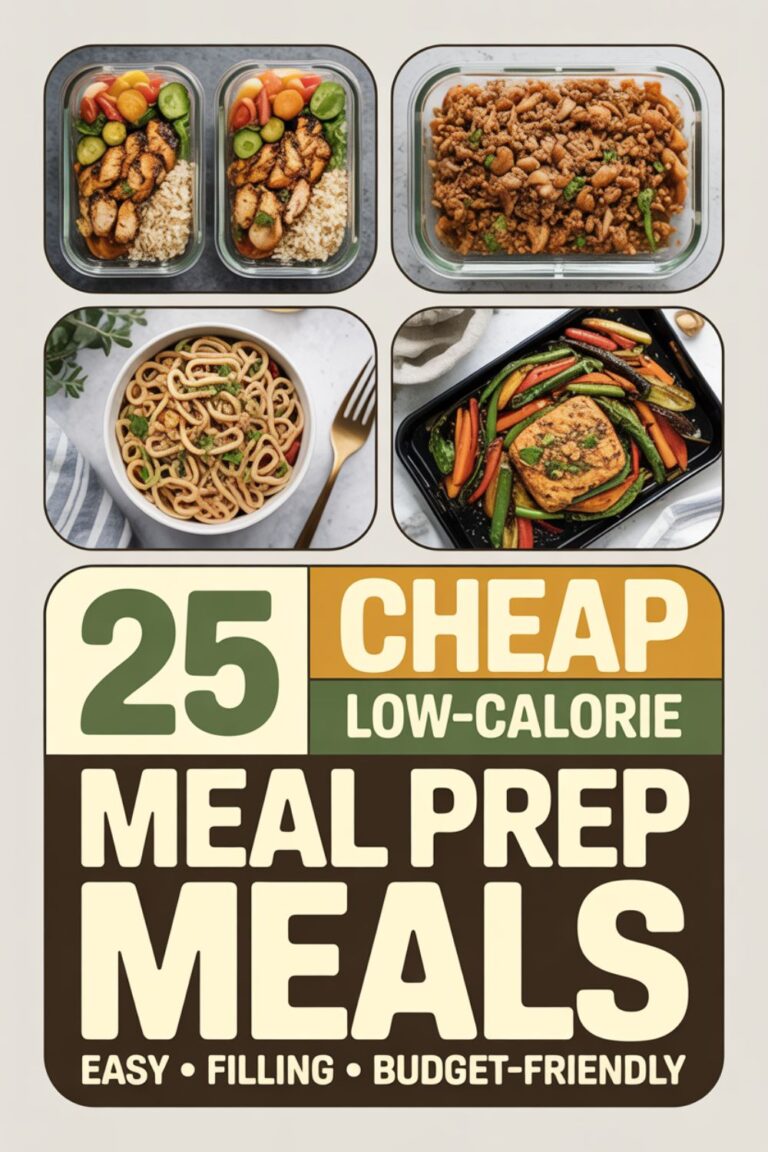
- Digital 25 Low-Calorie Meal Prep Ideas — The platter components on this list overlap beautifully with these weekly prep ideas. Batch once, use multiple ways.
- Digital 20 Low-Calorie Snacks Under 150 Calories — Perfect for filling in the gaps between platter nights. All designed for the same calorie-conscious approach.
- Digital 21-Day Low Calorie Meal Plan for Busy Women — A structured, done-for-you plan for when you want someone else to do the decision-making for a few weeks.
- Community Purely Chic Life on Pinterest — Where we share weekly platter inspiration, meal prep boards, and seasonal recipe ideas. Great for visual planning.
Frequently Asked Questions
How far ahead can I prep low-calorie party platters?
Most components can be prepped 24-48 hours in advance and stored separately in airtight containers. Assemble the board no more than 1-2 hours before serving so cut vegetables stay crisp. Dips can be made up to three days ahead, and protein components like cooked shrimp or chicken skewers hold well refrigerated overnight.
What are the best low-calorie dips for a party platter?
Greek yogurt-based dips, hummus, tzatziki, and whipped cottage cheese are your best options — all sit under 60 calories per two-tablespoon serving. They also provide protein, which helps guests feel full faster. Avoid cream cheese-heavy dips and full-fat ranch if you’re keeping things light, or use them in smaller portions alongside more voluminous options.
Can low-calorie platters work for guests who are not trying to lose weight?
Yes, and this is actually the best part. Nobody at a party needs to know your platter is calorie-conscious. When it looks beautiful and tastes good, guests just eat it and enjoy it. You can always add a small section of heartier items for guests who want more, but in practice, most people are happier with light, fresh food than they expect to be.
How do I keep vegetables from getting soggy on a party platter?
Dry your vegetables thoroughly after washing — a # salad spinner makes this genuinely fast. Arrange cut vegetables cut-side up where possible, keep watery vegetables like tomatoes and cucumbers separate from dry ones until the last minute, and never refrigerate a fully assembled platter for more than two hours or condensation will soften everything.
What proteins work best on a low-calorie party platter?
Shrimp, smoked salmon, lean deli turkey, and cooked chicken breast are the four workhorses for low-calorie platter protein. Each delivers a strong protein-to-calorie ratio and holds its texture at room temperature for at least an hour. Hard-boiled eggs and light tuna are great budget-friendly alternatives that serve the same purpose.
The Bottom Line
Low-calorie party platters are not a compromise. They’re a strategy — one that lets you host confidently, eat without anxiety, and genuinely enjoy the occasion instead of white-knuckling your way through a spread that wasn’t built with you in mind. The 21 ideas in this list cover every occasion and every vibe, from casual weeknight hosting to full holiday spreads.
Start with one or two that feel manageable, get comfortable with the basics of smart board-building, and build from there. Once you see how your guests respond to a platter that’s both beautiful and light, you’ll stop thinking of “healthy party food” as an oxymoron. It’s just good food, presented well, with a little thought behind the ingredients. That’s really all it takes.
Pick one platter from this list, make it this week, and see what happens. The answer is usually: everyone eats it, someone asks for the recipe, and you feel great afterward. That’s the whole goal.