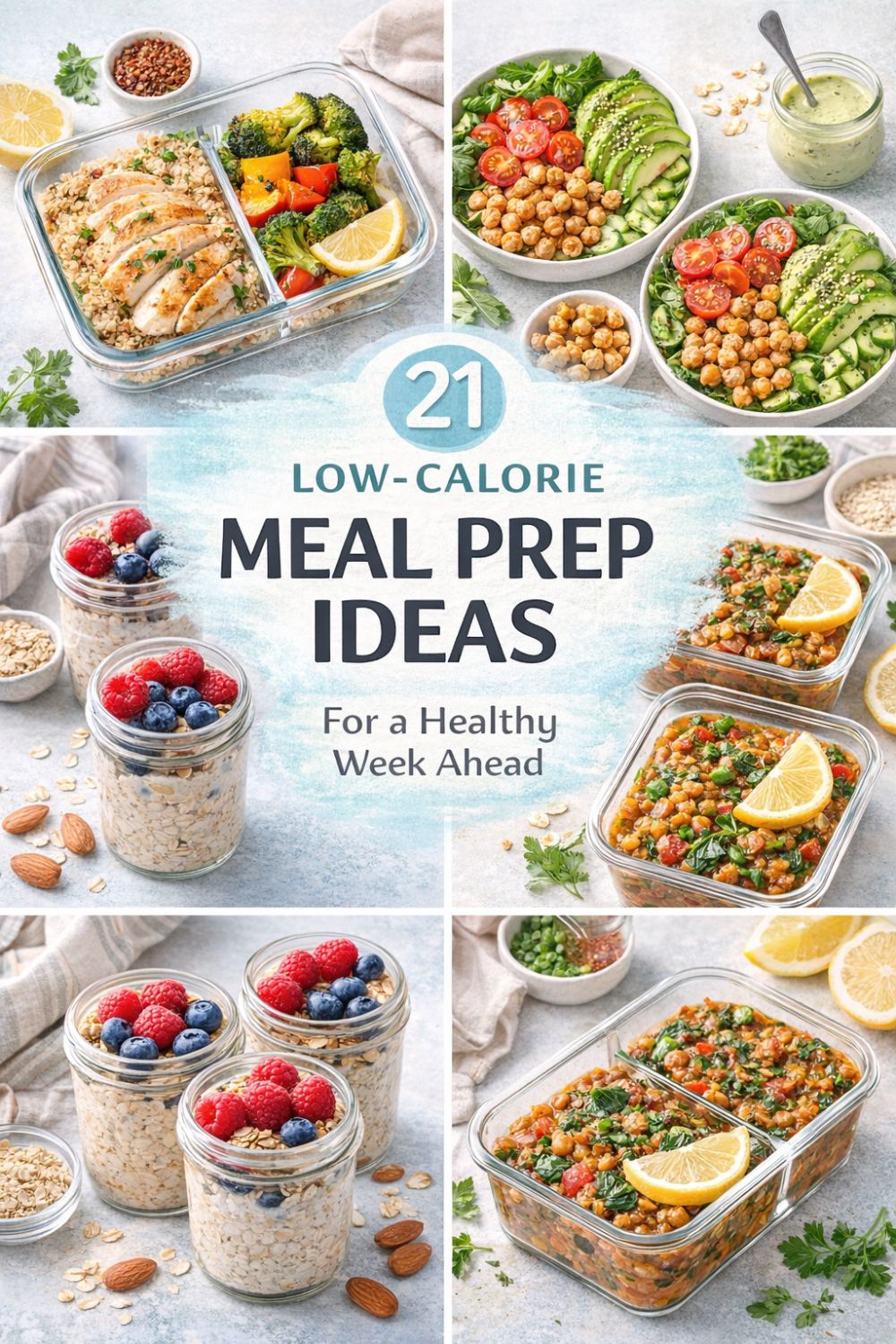
21 Low-Calorie Meal Prep Ideas for the Week
Look, I’ll be honest with you. The phrase “meal prep” used to make me want to run in the opposite direction. I’d picture those Instagram-perfect containers stacked in neat rows, each one looking suspiciously identical to the last, and think—nope, that’s not happening in my kitchen. But then I realized something important: meal prep doesn’t have to look like a magazine spread to actually work for you.
What really matters is having food ready when you need it. That’s it. And when you’re trying to watch calories without feeling like you’re nibbling on sad desk lettuce all week, a little planning goes a ridiculously long way. I’m talking about real meals that fill you up, taste good, and don’t require a culinary degree to pull off.
So if you’re looking to make your week easier without blowing your calorie budget, stick around. These 21 ideas are simple, practical, and—dare I say—actually enjoyable to eat on repeat.
Why Low-Calorie Meal Prep Actually Makes Sense
Here’s the thing about eating lighter: it’s way easier when you’re not making decisions while hungry. Decision fatigue is real, and it’s the reason you end up ordering takeout on a Tuesday night even though you swore you’d stick to your plan.
Meal prep takes the guesswork out. You’ve already done the math, portioned everything out, and now all you have to do is grab and go. According to Healthline’s research on dietary fiber, combining protein-rich foods with high-fiber ingredients can help you feel fuller longer while keeping calories in check. That’s the secret sauce right there.
Plus, when you prep ahead, you’re less likely to panic-eat whatever’s in arm’s reach. You’ve got a plan, and that’s half the battle won before the week even starts.
Join Our Free WhatsApp Community!
Want daily meal prep tips, recipes, and motivation delivered straight to your phone? Join our WhatsApp channel where I share quick wins, grocery hauls, and real-talk about making healthy eating actually sustainable. Plus, you’ll get exclusive recipes not posted anywhere else.
Getting Your Kitchen Ready (Without Buying Half of Amazon)
Before we jump into the recipes, let’s talk containers. You don’t need fancy stuff, but you do need something that seals properly and doesn’t make your food taste like plastic. I’m a big fan of glass meal prep containers with snap lids—they’re sturdy, microwave-safe, and you can actually see what’s inside without playing mystery meal.
You’ll also want a decent digital food scale if you’re serious about portions. Yeah, I know, measuring feels tedious at first. But once you get the hang of it, you can eyeball pretty accurately. The scale just keeps you honest in the beginning.
For chopping vegetables without wanting to quit halfway through, a sharp chef’s knife makes all the difference. Dull knives are dangerous and frustrating, and honestly, life’s too short for either of those things.
My Favorite Glass Meal Prep Container Set
After trying literally every container on the market (and yes, I’ve had the plastic ones crack in the dishwasher too many times), I finally landed on this 10-piece glass container set. They’re microwave-safe, dishwasher-safe, and the snap lids actually stay snapped—revolutionary concept, I know.
Why I love them: No weird smells, no staining from tomato sauce, and you can see what’s inside without playing guessing games. Plus they stack perfectly in the fridge, which matters more than you’d think when you’re trying to fit a week’s worth of food in there.
Pro Tip: Prep veggies Sunday night, thank yourself all week. Seriously, just washing, chopping, and storing your produce ahead of time will save you so much decision-making energy during the week.
Breakfast Meal Prep Ideas That Don’t Require Willpower at 6 AM
1. Overnight Oats with Berries and Chia Seeds
This is the meal prep MVP for breakfast. Mix rolled oats, unsweetened almond milk, chia seeds, and a handful of frozen berries in a jar. Let it sit overnight. That’s it. You wake up to breakfast that’s already ready and clocks in around 250 calories per serving.
The chia seeds add fiber and those omega-3s everyone’s always talking about, while the berries give you natural sweetness without added sugar. If you want to get fancy, throw in a dash of cinnamon or a tiny drizzle of raw honey.
2. Egg White Muffins with Spinach and Tomatoes
These little guys are portable, protein-packed, and shockingly easy to make. Whisk egg whites with diced veggies, pour into a silicone muffin pan, and bake at 350°F for about 20 minutes. Each muffin is roughly 50-60 calories, so you can eat two or three depending on how hungry you are.
They reheat beautifully in the microwave and taste way better than they sound. Trust me on this one—I was skeptical too until I actually tried them. Get Full Recipe
3. Greek Yogurt Parfait Prep Cups
Layer plain Greek yogurt with a small handful of granola and fresh berries in individual containers. Keep the granola separate until you’re ready to eat so it doesn’t get soggy. Around 200 calories per cup, and it feels way more indulgent than it actually is.
Greek yogurt is fantastic for protein, and according to research on high-protein foods, starting your day with adequate protein can help stabilize blood sugar and reduce cravings later.
Looking for more breakfast inspiration? You might want to check out these 15 low-calorie breakfast ideas that actually keep you full until lunch. Or if you’re focused on protein, this 7-day high-protein meal plan has some great morning options too.
The Spiralizer That Changed My Veggie Game
Look, I was skeptical about spiralizers for the longest time. Seemed like one of those unitasker gadgets that would end up in the back of a cabinet. But then I got this handheld spiralizer and suddenly I’m eating zucchini noodles multiple times a week.
The reality check: It takes up about as much space as a can opener, cleans in seconds, and makes those Instagram-worthy veggie noodles in under two minutes. No assembly, no complicated parts, just twist and you’ve got noodles. Works on zucchini, sweet potatoes, carrots, cucumbers—basically anything that won’t fight back.
Lunch Meal Preps That Won’t Leave You Raiding the Vending Machine
4. Mason Jar Taco Salads
Layer these from bottom to top: salsa, black beans, seasoned ground turkey, shredded lettuce, diced tomatoes, and a sprinkle of cheese. The salsa on the bottom keeps everything else from getting soggy. Shake it into a bowl when you’re ready to eat. About 320 calories per jar, and it actually tastes like real food.
The key here is putting the wet ingredients on the bottom and the delicate stuff on top. Revolutionary, I know, but it works.
5. Mediterranean Quinoa Bowls
Cooked quinoa, grilled chicken breast, cucumber, cherry tomatoes, red onion, kalamata olives, and a squeeze of lemon. Drizzle with a little olive oil and you’ve got yourself a meal that’s around 350 calories and packed with flavor.
Quinoa is one of those grains that actually has protein, which is pretty cool. Plus it reheats well and doesn’t turn into mush in the fridge. For the chicken, I use my instant-read meat thermometer to make sure it’s cooked perfectly without being dry.
6. Asian-Inspired Chicken Lettuce Wraps
Prep the filling ahead—ground chicken, water chestnuts, ginger, garlic, and a splash of low-sodium soy sauce. Pack it separately from butter lettuce leaves. When it’s time to eat, spoon the mixture into the lettuce and wrap it up. Super light at around 280 calories per serving, but surprisingly filling.
If you want to meal prep these for more variety throughout your week, this collection of 30 low-calorie lunch ideas has tons of options that work well in containers.
7. Zucchini Noodle Pasta with Turkey Meatballs
Spiralize zucchini (or buy it pre-spiralized if you’re feeling practical), make turkey meatballs seasoned with Italian herbs, and prep your favorite marinara sauce separately. Combine them when you’re ready to eat—heating the zoodles for just 60 seconds so they don’t turn to water. About 310 calories per serving.
A spiralizer is genuinely useful if you eat a lot of veggie noodles, but honestly, most grocery stores sell them pre-made now, which is a total time-saver.
Quick Win: Keep your proteins and vegetables in separate containers until you’re ready to eat. This prevents sogginess and keeps textures intact. Game-changer for meal prep newbies.
Dinner Ideas That Feel Like Actual Meals
8. Baked Lemon Herb Salmon with Asparagus
Season salmon fillets with lemon, dill, and a touch of olive oil. Bake alongside asparagus spears at 400°F for about 15 minutes. Each portion comes in around 340 calories and feels way fancier than the effort required.
Salmon is loaded with those omega-3 fatty acids everyone talks about, and asparagus is basically a nutrient powerhouse. Line your baking sheet with a reusable silicone baking mat and cleanup becomes laughably easy.
9. Chicken Fajita Bowls
Slice chicken breast thin, season with fajita spices, and cook with bell peppers and onions. Serve over cauliflower rice instead of regular rice to keep it light. Add a dollop of Greek yogurt instead of sour cream. Around 330 calories per bowl, and it scratches that Tex-Mex itch without derailing your week. Get Full Recipe
10. Turkey and Vegetable Stir-Fry
Lean ground turkey, broccoli, snap peas, carrots, and a simple sauce made from low-sodium soy sauce, garlic, and ginger. Serve over a small portion of brown rice. Each serving is about 360 calories and cooks up in one pan, which means less cleanup and more time for literally anything else.
For more dinner inspiration that won’t wreck your calorie goals, check out these 21 low-calorie dinner ideas under 350 calories. They’re all actually filling, which matters more than people think.
11. Stuffed Bell Peppers with Ground Turkey
Hollow out bell peppers, stuff them with a mixture of ground turkey, diced tomatoes, onions, and spices. Bake until the peppers are tender. These freeze beautifully and reheat like a dream. Around 280 calories per pepper, depending on size.
12. Sheet Pan Chicken and Vegetables
Toss chicken thighs (yes, thighs—they stay moist better than breasts) with Brussels sprouts, carrots, and sweet potato chunks. Season everything with olive oil, garlic powder, and rosemary. Roast at 425°F for about 35 minutes. The whole meal is done at once, and each portion is roughly 370 calories. Get Full Recipe
I use a good rimmed baking sheet for this—the lip prevents anything from sliding off when you’re moving it around.
The Digital Food Scale That Keeps Me Honest
If you’re serious about portions but hate math (same), you need this digital kitchen scale. It’s got a tare function, which means you can zero it out with your plate on there and just measure what you’re adding—no mental gymnastics required.
Honest take: The first week of weighing food feels tedious. The second week, you start getting faster. By week three, you can eyeball portions pretty accurately without even using it. But having it there keeps you accountable, especially with calorie-dense stuff like nuts and oils where a little goes a long way.
Bonus: It’s also weirdly satisfying to know exactly what you’re eating instead of guessing and potentially undershooting your protein or overshooting your calories.
If you’re really into the sheet pan life (and honestly, who isn’t?), you’ll love this roundup of 30 easy low-calorie dinners you’ll actually want to eat weekly. No sad chicken breast in sight.
Snacks That Won’t Sabotage Your Progress
13. Hard-Boiled Eggs with Everything Bagel Seasoning
Boil a dozen eggs on Sunday. Sprinkle with everything bagel seasoning when you eat them. Each egg is about 70 calories and keeps you satisfied between meals without any fuss. Keep a egg boiler gadget if you’re tired of watching pots—it takes the guesswork out completely.
14. Veggie Sticks with Hummus Portions
Pre-cut carrots, celery, bell peppers, and cucumbers. Portion out 2 tablespoons of hummus into small containers. The whole snack is around 120 calories and gives you that satisfying crunch you’re probably craving.
For more portable snack ideas that travel well, this list of 20 low-calorie snacks under 150 calories is pretty comprehensive.
15. Apple Slices with Almond Butter
Slice an apple, portion out 1 tablespoon of almond butter. That’s it. Simple, satisfying, around 150 calories depending on the apple size. The fiber from the apple combined with the healthy fats from the almond butter keeps you full way longer than you’d expect.
The Complete Low-Calorie Recipe Bundle
Okay, real talk—if you’re sick of googling “low calorie recipes” and ending up on sketchy blogs with 47 pop-up ads, this digital cookbook bundle might save your sanity. It’s got 150+ recipes all under 400 calories, organized by meal type and prep time.
What’s actually useful about it:
- Every recipe includes calorie breakdown and macros (protein, carbs, fat)
- Grocery lists are provided for each week
- Recipes are rated by difficulty—so you can stick to easy stuff when life’s chaotic
- Ingredient swaps are included for dietary restrictions
- It’s searchable (PDF format) so you can find “chicken” or “30 minutes” instantly
The honest downside: It’s a PDF, not a fancy app. But that also means no subscription fees, no connectivity issues, and you own it forever. Print what you need, save it on your phone, whatever works.
Vegetarian Options That Even Carnivores Will Eat
16. Lentil and Vegetable Curry
Red lentils, coconut milk, diced tomatoes, curry powder, and whatever vegetables you have on hand. Simmer everything together until the lentils are tender. Serve over a small portion of brown rice or quinoa. About 340 calories per serving, and it tastes even better the next day.
Lentils are seriously underrated—they’ve got protein, fiber, and they’re ridiculously cheap. Plus they bulk up meals without adding much in the calorie department.
17. Caprese Salad with Chickpeas
Fresh mozzarella, tomatoes, basil, and chickpeas drizzled with balsamic vinegar. The chickpeas add protein and fiber to what would otherwise be a pretty light salad. Each serving comes in around 310 calories and feels surprisingly substantial. Get Full Recipe
If you’re looking for more plant-based options, this 1500-calorie vegetarian meal plan has some genuinely good ideas that don’t involve fake meat products.
18. Roasted Vegetable and White Bean Bowls
Roast whatever vegetables are on sale—zucchini, eggplant, bell peppers, red onion. Toss with canned white beans, a squeeze of lemon, and fresh herbs. About 290 calories per bowl and packed with fiber that’ll keep you full.
100 Low-Calorie Recipe Cards for Meal Preppers
I’m not gonna lie—sometimes you just run out of ideas and end up making the same five things on repeat. That’s when this digital recipe collection becomes your best friend. It’s 100 tested recipes, all under 400 calories, formatted as printable recipe cards you can keep in your kitchen.
Why this works:
- Organized by meal type (breakfast, lunch, dinner, snacks)
- Full nutrition info and prep time listed on each card
- Shopping lists included for each recipe
- Swap suggestions for dietary restrictions
Bonus: You can print just the ones you want to try instead of scrolling through your phone with flour-covered fingers trying to find that recipe you saved three weeks ago.
Pro Tip: Roast vegetables in bigger batches than you think you need. They store well for 4-5 days and can be tossed into literally any meal to bulk it up without adding many calories.
Comfort Food Makeovers That Actually Work
19. Cauliflower Fried Rice
Pulse cauliflower in a food processor until it resembles rice (or buy it riced—no judgment). Sauté with scrambled eggs, frozen peas and carrots, garlic, ginger, and soy sauce. Tastes shockingly close to the real thing at around 240 calories per serving.
A decent food processor makes this recipe stupid-easy, but the pre-riced versions from the freezer aisle work just fine too.
Speaking of comfort food, if you’re craving those cozy meals that won’t derail your goals, check out these 20 low-calorie comfort foods that actually fill you up. Because sometimes you just need mac and cheese energy without the actual mac and cheese calories.
20. Turkey Chili with Beans
Ground turkey, kidney beans, diced tomatoes, chili powder, cumin, and onions. Let it simmer in your slow cooker for a few hours and you’ve got dinner for days. Around 310 calories per bowl, and it freezes like a champ.
This is one of those recipes where the longer it sits, the better it tastes. Make a huge batch and portion it out—future you will be grateful. For more crockpot-friendly options, these 25 low-calorie crockpot meals are all dump-and-go recipes that require minimal brain power.
21. Baked Chicken Parmesan (Lighter Version)
Bread chicken breasts with panko, bake instead of frying, top with marinara and a little mozzarella. Serve over zucchini noodles or spaghetti squash. You get all the flavor of the original at around 350 calories per serving instead of the usual 600+.
The secret is using a wire cooling rack on your baking sheet so air circulates around the chicken while it bakes. Keeps the coating crispy without any oil. Get Full Recipe
Making This Actually Sustainable (Because That’s the Whole Point)
Here’s what I’ve learned after years of trying and failing at meal prep: you don’t have to prep every single meal for the entire week. Start smaller. Maybe just prep lunches, or just dinners, or even just snacks. Whatever reduces your decision-making burden without making Sunday feel like a part-time job.
Also, repetition is not your enemy. I know Instagram makes it look like you need 21 completely different meals, but honestly? If you like something and it works for your calories, eating it three times this week is perfectly fine. Nobody’s grading you on variety.
Keep a running list of what you actually enjoy eating. Seriously, write it down. When you sit down to plan your week, you’ll have a cheat sheet of meals you know you like instead of staring blankly at Pinterest for an hour.
30-Day Meal Prep Challenge with Daily Coaching
If you’re the type who does better with structure and accountability, this 30-day guided meal prep program walks you through building the habit one day at a time. It’s not a diet plan—it’s a system for making meal prep actually stick.
What you get:
- Daily email coaching with tips and motivation
- Progressive challenges that build your skills (no overwhelm on day one)
- Troubleshooting guide for common meal prep problems
- Community access for questions and support
- Printable habit tracker and progress journal
My take: This is perfect if you’ve tried meal prep before and it fizzled out after week two. The daily check-ins keep you accountable without being annoying, and the progressive approach means you’re not trying to become a meal prep master overnight.
If you’re trying to figure out what calorie level makes sense for you, this comparison guide on 1200 vs 1500 calorie meal plans breaks down the actual differences in a way that’s not overwhelming. And if you need a structured plan to get started, these ready-made options might be helpful: check out this 7-day 1200 calorie plan or this 14-day 1500 calorie plan that’s actually budget-friendly.
The Meal Prep Mistakes I Made So You Don’t Have To
First mistake: trying to prep things that don’t hold up well. Lettuce gets wilted, avocados turn brown, and anything with a sauce that sits too long gets mushy. Learn which foods are meal prep-friendly and which ones you should just make fresh.
Second mistake: not labeling containers. I cannot tell you how many times I’ve opened something thinking it was chicken stir-fry only to discover it was turkey chili from two weeks ago. Use masking tape and a marker. Revolutionary, I know.
Third mistake: making recipes I’d never tried before and prepping them for the whole week. Test recipes first. If you hate it, you’re stuck eating it five times or you’re back to square one with no food ready.
For women over 40 specifically (hi, that’s me now), metabolism changes mean you might need to adjust your approach. This meal plan designed for women over 40 addresses those specific needs without making you feel like you’re on some restrictive diet.
Complete Meal Prep Planner & Grocery List Bundle
Honestly, the hardest part of meal prep isn’t the cooking—it’s the planning and remembering what you actually need at the store. That’s why I put together this printable meal prep planner bundle that includes weekly planners, grocery lists organized by store section, and prep checklists.
What’s inside:
- 52 weekly meal planning templates (one for each week of the year)
- Pre-organized grocery lists that save you from wandering the aisles
- Prep day checklists so nothing gets forgotten
- Portion tracking sheets for easy calorie management
Real talk: This is the system that finally made meal prep stick for me. Print it once, use it forever, and stop wasting money on ingredients you forget about in the back of the fridge.
What to Do When You’re Tired of Everything
Some weeks, you just don’t want to meal prep. That’s fine. Have a backup plan. Mine is: rotisserie chicken from the grocery store, bags of frozen vegetables, and microwaveable brown rice packets. Not glamorous, but it gets the job done.
You can also batch cook just proteins and carbs, then mix and match them with fresh vegetables throughout the week. Sometimes having building blocks instead of complete meals gives you more flexibility without as much work.
IMO, the best meal prep strategy is the one you’ll actually stick with. If that means buying pre-cut vegetables because chopping makes you want to order pizza, then buy the pre-cut vegetables. The premium you pay is cheaper than takeout anyway.
Frequently Asked Questions
How long do meal-prepped foods actually stay fresh?
Most cooked proteins and vegetables stay good for 3-4 days in the fridge. If you’re prepping for a full week, consider freezing half your portions and thawing them midweek. Salads with dressing should be eaten within 2 days max, though you can extend this by keeping the dressing separate. When in doubt, use your nose—if it smells off, toss it.
Do I really need to count every calorie?
Not forever, but tracking for a few weeks helps you understand portion sizes and where calories hide. Once you’ve got a mental database of what foods contain, you can eyeball pretty accurately. Think of it as training wheels—helpful at first, not necessary once you’ve got your balance.
Can I meal prep if I live alone?
Absolutely, and it’s actually easier in some ways. You only have to please yourself, and you can freeze individual portions without negotiating with anyone. Most recipes can be halved or quartered. Plus, eating the same lunch four days in a row is way less weird when you’re not subjecting anyone else to it.
What if I get sick of eating the same thing?
Keep a few different sauces and seasonings on hand. The same grilled chicken tastes completely different with buffalo sauce versus teriyaki versus lemon herb. Also, you don’t have to prep identical meals for every day—make 2-3 different options and rotate them.
Is meal prep cheaper than eating out?
In most cases, yes, significantly cheaper. The average meal prep lunch costs around $3-5 per serving versus $10-15 for takeout. The upfront grocery bill feels bigger, but you’re buying multiple meals at once. Track it for a month and compare—the savings are usually pretty shocking.
Conclusion
Meal prepping low-calorie meals doesn’t have to be complicated or time-consuming. Start with one or two recipes from this list that actually sound good to you. Don’t worry about making it perfect or Instagram-worthy. Just focus on having food ready when you need it.
The goal isn’t to prep every meal for the rest of your life—it’s to make your week a little easier and your food choices a little more intentional. Sometimes that means five perfectly portioned containers of the same lunch. Other times it just means having proteins cooked and vegetables chopped so dinner comes together in ten minutes instead of forty.
Find what works for your schedule, your taste buds, and your goals. And remember: the best meal prep strategy is the one you’ll actually do, not the one that looks best on social media.