21-Day Low-Calorie Meal Plan for Busy Women
You’re juggling work, family, maybe a social life if you’re lucky, and somewhere in all that chaos, you’re supposed to eat healthy too? Yeah, I’ve been there. The problem with most meal plans is they act like you have endless time to chop vegetables and measure ingredients like you’re running a test kitchen. Spoiler alert: you don’t.
This 21-day plan is different. It’s built for real life—the kind where you’re answering emails while stirring dinner and meal prepping between loads of laundry. We’re talking quick, simple, low-calorie meals that actually taste good and won’t leave you ordering takeout by day three because you’re too exhausted to follow through.
Why Low-Calorie Doesn’t Mean Low Energy
Let’s clear something up right away. Low-calorie doesn’t mean you’re eating like a rabbit and feeling sluggish all day. It means being strategic about where your calories come from. A 300-calorie breakfast of sugary cereal will crash you by 10 AM. A 300-calorie breakfast of eggs and veggies? You’ll cruise through until lunch without thinking about food.
Most busy women need somewhere between 1400-1600 calories daily for steady weight loss without feeling like they’re starving. This plan hovers around that sweet spot, giving you enough energy to power through your day without constantly thinking about your next meal.
The key is nutrient density. Every calorie needs to work for you—providing vitamins, minerals, protein, and fiber. We’re ditching empty calories that do nothing but spike your blood sugar and leave you hungry an hour later. According to research from the Mayo Clinic, focusing on nutrient-dense foods rather than just calorie counting leads to better long-term weight management success.
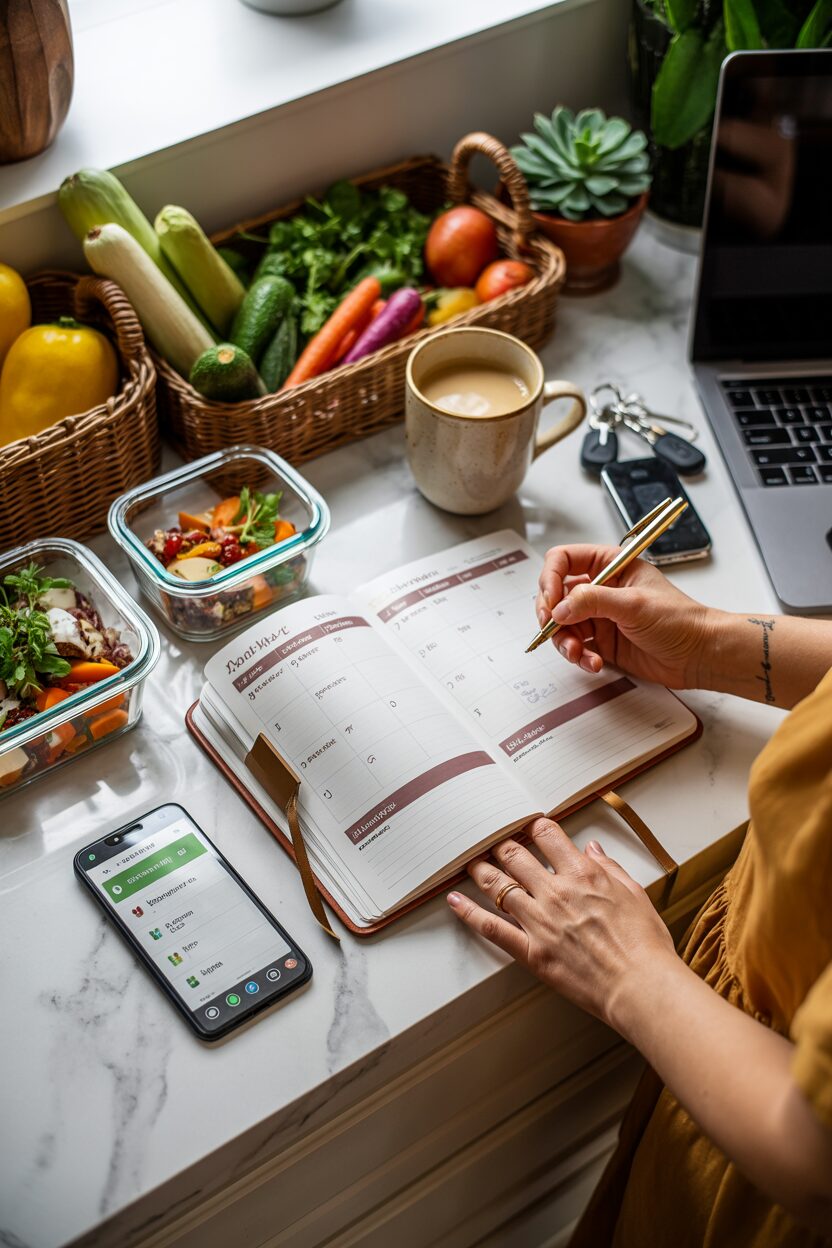
The Busy Woman’s Strategy: Meal Prep That Actually Works
Here’s what nobody tells you about meal prep: you don’t have to cook everything on Sunday like some Instagram influencer with perfect lighting and matching containers. That’s exhausting and unrealistic.
Instead, prep in layers. Cook your proteins for the week (chicken breasts, ground turkey, hard-boiled eggs). Chop your most-used vegetables. Make one or two versatile sauces. Then assemble meals as you go. It’s less overwhelming and gives you flexibility when plans change—which they always do.
I swear by my set of glass meal prep containers because they go from fridge to microwave without that weird plastic smell, and they actually seal properly. Nothing worse than finding your lunch leaked all over your bag.
A good programmable slow cooker is also clutch for busy schedules. Throw ingredients in before work, come home to dinner. It’s basically magic.
Week 1: Building the Foundation
Days 1-3: Getting Started
Day 1 Breakfast (320 cal): Veggie-Packed Egg Muffins Make a batch of these on Sunday, and you’ve got grab-and-go breakfasts for days. Mix eggs with diced bell peppers, spinach, and a bit of cheese, pour into a silicone muffin pan, bake, and boom—portable protein. Get Full Recipe.
Day 1 Lunch (380 cal): Chicken and Quinoa Power Bowl Pre-cooked chicken, quinoa, roasted vegetables, and a lemon tahini dressing. Assemble these in containers, and lunch is handled for half the week.
Day 1 Dinner (450 cal): Sheet Pan Lemon Garlic Salmon Everything cooks on one pan—salmon, asparagus, cherry tomatoes. Clean-up takes five minutes, which is exactly what you need on a Monday night.
Day 2 Breakfast (310 cal): Greek Yogurt Parfait with Homemade Granola Layer non-fat Greek yogurt with berries and a sprinkle of granola. The protein from yogurt keeps you full way longer than toast ever could.
Day 2 Lunch (400 cal): Turkey and Avocado Lettuce Wraps Skip the bread, use butter lettuce leaves, and suddenly you’ve got room for a piece of fruit on the side without blowing your calorie budget.
Day 2 Dinner (440 cal): Slow Cooker Chicken Fajita Bowl This is where that slow cooker earns its keep. Chicken, peppers, onions, and fajita seasoning cook all day. Serve over cauliflower rice to keep it light.
Day 3 Breakfast (330 cal): Protein-Packed Smoothie Bowl Blend protein powder, frozen berries, spinach (you won’t taste it, promise), and almond milk. Top with a few nuts and seeds for crunch. A good high-speed blender makes these actually smooth instead of chunky.
Day 3 Lunch (390 cal): Mediterranean Chickpea Salad Chickpeas, cucumber, tomatoes, red onion, feta, and a simple lemon dressing. This actually tastes better after sitting in the fridge overnight.
Day 3 Dinner (430 cal): Turkey Meatballs with Zucchini Noodles Ground turkey is leaner than beef but still satisfying. A spiralizer makes quick work of zucchini, giving you that pasta feel without the carb coma. Get Full Recipe.
If you’re looking for more quick breakfast options that pack a protein punch, you might want to check out high-protein breakfast ideas for busy mornings or make-ahead egg muffin variations that keep things interesting all week.
Days 4-7: Finding Your Rhythm
Day 4 Breakfast (325 cal): Overnight Oats with Chia Seeds Mix oats, chia seeds, almond milk, and a touch of maple syrup the night before. Wake up to breakfast that’s already done. Get Full Recipe for flavor variations that won’t bore you.
Day 4 Lunch (410 cal): Tuna Stuffed Avocado Sounds fancy, tastes amazing, takes five minutes. Mix canned tuna with Greek yogurt instead of mayo, stuff into avocado halves, done.
Day 4 Dinner (415 cal): Baked Chicken Thighs with Roasted Brussels Sprouts Chicken thighs are more forgiving than breasts—harder to overcook and way more flavorful. A reliable meat thermometer takes the guesswork out.
Day 5 Breakfast (315 cal): Cottage Cheese Bowl with Berries and Almonds Cottage cheese gets a bad rap, but it’s basically protein in a container. Top with fresh berries and sliced almonds for texture.
Day 5 Lunch (395 cal): Asian Chicken Lettuce Cups Ground chicken with water chestnuts, ginger, and soy sauce in crisp lettuce cups. These are weirdly fun to eat and feel lighter than a regular wrap.
Day 5 Dinner (440 cal): Shrimp Stir-Fry with Brown Rice Shrimp cooks in literally three minutes. Throw in whatever vegetables need using up, add some ginger and garlic, and you’ve got dinner faster than delivery would arrive.
Day 6 Breakfast (335 cal): Banana Protein Pancakes Just mash a banana with eggs and protein powder, cook like regular pancakes. They’re not exactly IHOP, but they’re surprisingly good and keep you full.
Day 6 Lunch (385 cal): Caprese Salad with Grilled Chicken Fresh mozzarella, tomatoes, basil, and grilled chicken. Simple, elegant, and tastes like you tried way harder than you did.
Day 6 Dinner (430 cal): Baked Cod with Herb Butter and Green Beans Cod is mild and lean—perfect for when you want something light but satisfying. Those pre-cut parchment paper sheets make cleanup even easier.
Day 7 Breakfast (320 cal): Breakfast Burrito Bowl All the good parts of a breakfast burrito without the tortilla. Scrambled eggs, black beans, salsa, avocado, and a sprinkle of cheese.
Day 7 Lunch (400 cal): Lentil and Vegetable Soup Make a big batch on the weekend. Lentils are cheap, filling, and loaded with fiber and protein. This freezes great for those emergency meal situations.
Day 7 Dinner (425 cal): Grilled Chicken with Sweet Potato and Broccoli Classic, simple, satisfying. Sometimes you don’t need complicated—just well-seasoned protein and vegetables that aren’t mushy.
For more ideas on stretching your proteins throughout the week, try these meal prep chicken recipes or explore budget-friendly protein sources that won’t wreck your grocery budget.
Week 2: Mixing Things Up
By week two, you’ve got the rhythm down. Now we’re adding variety so you don’t get bored and order pizza out of desperation.
Days 8-10: New Flavors
Day 8 Breakfast (340 cal): Veggie Omelet with Whole Grain Toast Eggs never get old when you change up what’s inside them. Try spinach, mushrooms, and tomatoes today. A non-stick omelet pan makes this way less stressful.
Day 8 Lunch (390 cal): Thai Peanut Chicken Salad Shredded chicken, cabbage, carrots, and a light peanut dressing. The crunch factor makes this way more satisfying than a regular salad.
Day 8 Dinner (445 cal): Beef and Broccoli Stir-Fry Use lean beef and load up on broccoli. The sauce is where the flavor lives, so don’t skip the ginger and garlic.
Day 9 Breakfast (330 cal): Apple Cinnamon Baked Oatmeal Make this in a pan, cut it into squares, and you’ve got breakfast for multiple days. It reheats perfectly and actually tastes good cold too.
Day 9 Lunch (405 cal): Egg Salad Lettuce Wraps Hard-boiled eggs, light mayo, mustard, wrapped in lettuce. Add some everything bagel seasoning, and suddenly it’s interesting.
Day 9 Dinner (420 cal): Baked Salmon with Asparagus and Quinoa Salmon is worth the splurge once a week. The omega-3s are good for your brain, and honestly, it makes you feel like you’re treating yourself.
Day 10 Breakfast (325 cal): Protein-Packed Chia Pudding Mix chia seeds with almond milk and protein powder the night before. Top with berries in the morning. Store in small glass jars for an Instagram-worthy breakfast.
Day 10 Lunch (395 cal): Turkey Chili Make a huge pot on the weekend. It freezes beautifully, and future you will be thrilled to find this in the freezer on a crazy day. Get Full Recipe.
Day 10 Dinner (435 cal): Herb-Roasted Chicken Breast with Root Vegetables Carrots, parsnips, and sweet potatoes roasted until caramelized. The natural sweetness hits that comfort food craving without added sugar.
Days 11-14: Keeping Momentum
Day 11 Breakfast (315 cal): Smoked Salmon and Cream Cheese on Cucumber Slices No bread needed. The cucumber provides crunch, and the combo is surprisingly filling for how light it is.
Day 11 Lunch (410 cal): Greek Chicken Bowl Grilled chicken, cucumber, tomatoes, olives, feta, and a lemon vinaigrette over mixed greens. Mediterranean food is clutch for low-calorie eating that doesn’t feel restrictive.
Day 11 Dinner (430 cal): Pork Tenderloin with Roasted Cauliflower Pork tenderloin is lean and quick-cooking. Season it well, and it’s anything but boring.
Day 12 Breakfast (335 cal): Breakfast Quesadilla One whole wheat tortilla, scrambled eggs, salsa, and a little cheese. Crisp it up in a pan, and you’ve got a portable breakfast that beats a drive-through.
Day 12 Lunch (385 cal): Shrimp and Avocado Salad Cold shrimp, avocado, mixed greens, and a lime dressing. This feels light but keeps you full thanks to the protein and healthy fats.
Day 12 Dinner (440 cal): Chicken Sausage with Peppers and Onions Use chicken sausage instead of pork to save calories. Serve over zoodles or cauliflower rice to keep it low-carb.
Day 13 Breakfast (320 cal): Berry Protein Smoothie Frozen berries, protein powder, spinach, and almond milk. Throw everything in your portable blender cup if you’re running out the door.
Day 13 Lunch (400 cal): Taco Salad Ground turkey, lettuce, tomatoes, black beans, salsa, and a dollop of Greek yogurt instead of sour cream. All the taco flavors without the fried shell.
Day 13 Dinner (435 cal): Baked Tilapia with Lemon and Capers Tilapia is mild, inexpensive, and cooks in about 15 minutes. Perfect for weeknights when you’re fried.
Day 14 Breakfast (330 cal): Peanut Butter Banana Toast Whole grain bread, natural peanut butter, sliced banana. Sometimes simple is best, and this combo actually sticks with you.
Day 14 Lunch (395 cal): Chicken Caesar Wrap Use a whole wheat tortilla, grilled chicken, romaine, parmesan, and light Caesar dressing. It’s portable and satisfying.
Day 14 Dinner (425 cal): Turkey Stuffed Bell Peppers Hollow out bell peppers, stuff with seasoned ground turkey and a little rice, top with tomato sauce. A set of sharp knives makes prepping these way less annoying.
Speaking of versatile ingredients, you might love these stuffed vegetable recipes or creative ways to use ground turkey that keep dinners interesting without complicated techniques.
Week 3: You’ve Got This
By week three, this feels normal. You’re not white-knuckling through meals or constantly thinking about food. That’s the sweet spot.
Days 15-17: Variety Without Stress
Day 15 Breakfast (325 cal): Scrambled Eggs with Smoked Salmon Fancy without being fussy. The smoked salmon adds omega-3s and makes regular scrambled eggs feel special.
Day 15 Lunch (405 cal): Black Bean and Corn Salad Black beans, corn, bell peppers, cilantro, lime juice. This is great cold and packs well for lunch at the office.
Day 15 Dinner (420 cal): Lemon Herb Chicken Thighs with Green Beans Dark meat stays juicier than white meat, and a good marinade makes all the difference. Get Full Recipe for the marinade that actually penetrates the meat.
Day 16 Breakfast (340 cal): Blueberry Protein Muffins Bake these over the weekend, freeze them, and grab one on your way out the door. They beat a granola bar every time.
Day 16 Lunch (390 cal): Caprese Chicken Salad Fresh mozzarella, tomatoes, basil, and grilled chicken with balsamic glaze. Simple, fresh, and feels restaurant-quality.
Day 16 Dinner (445 cal): Beef Fajita Bowl Strips of lean beef, peppers, onions, and fajita seasoning over cauliflower rice. Skip the tortilla, and you’ve got room for guacamole.
Day 17 Breakfast (315 cal): Cottage Cheese Pancakes Mix cottage cheese with eggs and a bit of flour. They’re fluffier than you’d expect and pack way more protein than regular pancakes.
Day 17 Lunch (400 cal): Italian Tuna Salad Tuna, white beans, cherry tomatoes, red onion, and Italian dressing. This hits different than regular tuna salad and travels well.
Day 17 Dinner (430 cal): Baked Chicken with Mediterranean Vegetables Chicken breast with zucchini, eggplant, tomatoes, and olives. Everything bakes together on a large rimmed baking sheet, making cleanup a breeze.
Days 18-21: Finishing Strong
Day 18 Breakfast (330 cal): Avocado Toast with Everything Bagel Seasoning Yes, the millennials were right. Whole grain bread, mashed avocado, and everything bagel seasoning is genuinely good.
Day 18 Lunch (395 cal): Chicken and Vegetable Soup Loaded with vegetables and lean chicken. Make extra and freeze individual portions for emergency meals. Research shows that soup consumption can increase satiety and help with portion control.
Day 18 Dinner (440 cal): Grilled Shrimp Skewers with Zucchini Thread shrimp and zucchini chunks onto reusable metal skewers, grill or broil, and dinner’s done in under 15 minutes.
Day 19 Breakfast (320 cal): Breakfast Hash Diced sweet potato, bell peppers, onions, and a fried egg on top. This is hearty enough for the weekend but quick enough for a weekday.
Day 19 Lunch (410 cal): Cobb Salad Hard-boiled eggs, chicken, turkey bacon, tomatoes, and a light ranch dressing. It’s basically a deconstructed meal on lettuce.
Day 19 Dinner (425 cal): Baked Cod with Roasted Tomatoes and Olives Mediterranean flavors make cod interesting. Serve with a side of steamed broccoli or green beans.
Day 20 Breakfast (335 cal): Spinach and Feta Egg White Scramble If you want to save calories, egg whites still give you protein without the fat. Add feta for flavor and spinach for bulk.
Day 20 Lunch (385 cal): Asian Cucumber Salad with Grilled Chicken Cucumbers, carrots, edamame, and grilled chicken with a ginger dressing. Light but surprisingly filling.
Day 20 Dinner (445 cal): Turkey Meatloaf Muffins Make individual meatloaf portions in a muffin tin. They cook faster, portion control is built in, and they freeze perfectly.
Day 21 Breakfast (325 cal): Protein Waffles with Berries Use protein powder in the batter to boost the nutrition. A Belgian waffle maker with removable plates makes cleanup actually manageable.
Day 21 Lunch (400 cal): Mediterranean Wrap Hummus, grilled chicken, cucumber, tomatoes, and feta in a whole wheat wrap. Quick to assemble, easy to eat on the go.
Day 21 Dinner (430 cal): Celebration Meal—Grilled Steak with Roasted Vegetables You made it three weeks. Have a small portion of lean steak with a mountain of roasted vegetables. You’ve earned it.
For even more meal variety without the planning headache, explore these 30-day meal prep plans or rotational meal planning strategies that prevent boredom while keeping calories in check.
Grocery Shopping Like a Pro
Let’s talk about how to actually shop for this without spending three hours at the store or blowing your entire paycheck.
Buy proteins in bulk when they’re on sale and freeze them. A vacuum sealer keeps meat fresh longer and prevents freezer burn. Portion everything before freezing so you can grab exactly what you need.
Stick to the perimeter of the store for most of your shopping. That’s where the real food lives—produce, meat, dairy. The middle aisles are where all the processed stuff lurks.
Buy frozen vegetables without shame. They’re picked at peak ripeness, they don’t go bad in three days, and they’re often cheaper than fresh. The nutrients are identical.
A rolling grocery cart sounds dorky but saves your back when you’re buying a week’s worth of groceries. Trust me on this one.
Meal Prep Without Losing Your Mind
The biggest mistake people make with meal prep is trying to do everything at once. You end up spending four hours in the kitchen on Sunday and hating your life.
Instead, break it into tasks:
- Sunday morning: Prep vegetables (wash, chop, store)
- Sunday afternoon: Cook proteins
- Weeknights: Quick assembly with prepped ingredients
Get yourself some quality storage containers that stack neatly. Nothing derails meal prep faster than containers that don’t fit in your fridge or leak all over your bag.
A label maker might seem extra, but when you’ve got multiple containers, knowing what’s what and when you made it actually matters.
Dealing with Real Life
Here’s the truth: you will have days where this plan goes sideways. You’ll forget your lunch, someone will bring donuts to the office, or you’ll just really want pizza. That’s normal.
The goal isn’t perfection. It’s building habits that work more often than not. If you nail 80% of your meals, you’re winning. The people who succeed long-term are the ones who can roll with disruptions without throwing in the towel completely.
Have emergency backup options. Keep protein bars in your desk, canned tuna in your pantry, frozen vegetables in your freezer. When plans fall apart, you can still make a decent choice instead of hitting the drive-through.
Adjust as needed. If 1400 calories leaves you starving, bump it to 1600. If you’re not hungry, don’t force yourself to eat. Your body knows what it needs better than any meal plan does.
Related Recipes You’ll Love
Looking for more inspiration to keep your meal rotation fresh? Here are some favorites that pair perfectly with this plan:
More Breakfast Options:
- Protein-packed smoothie bowls for rushed mornings
- Make-ahead breakfast burritos you can freeze
- Low-calorie overnight oat variations that taste like dessert
Quick Lunch Ideas:
- Mason jar salads that stay crisp all week
- Soup recipes perfect for meal prep
- Grain bowl combinations with endless variety
Easy Dinner Solutions:
- One-pan chicken dinners for minimal cleanup
- Slow cooker recipes for busy weeknights
- Sheet pan meals that cook while you handle other stuff
Snacks That Actually Satisfy:
- High-protein snack ideas under 150 calories
- Veggie-based snacks that don’t taste like punishment
Wrapping This Up
Twenty-one days might sound like a long time, but it flies by faster than you think. By the end of week three, you’re not following a meal plan anymore—you’re just eating the way you eat now. That’s when the real changes stick.
This isn’t about being perfect or never eating pizza again. It’s about building a foundation of habits that work with your life instead of against it. You’re busy, you’ve got priorities, and meal planning shouldn’t feel like a part-time job.
The women who succeed with this aren’t the ones with the most willpower or the most time. They’re the ones who make it simple enough to maintain even when life gets chaotic. They prep what they can, improvise when they need to, and don’t beat themselves up over the occasional off-plan meal.
You’ve got the plan, you’ve got the strategies, and you’ve got three weeks to build momentum. Stop overthinking it, stock your fridge, and just start. Week one might feel weird, week two gets easier, and by week three, you’ll wonder why you didn’t do this sooner.
Now go make your grocery list and show those meal prep containers who’s boss.