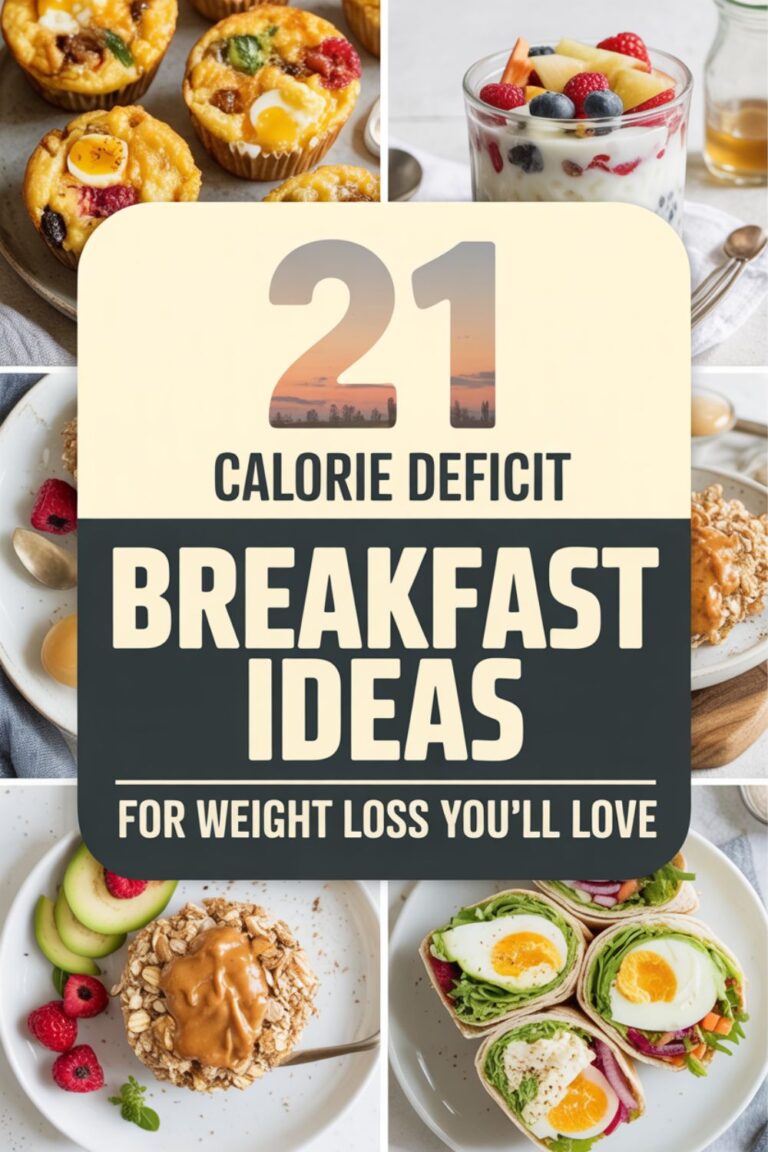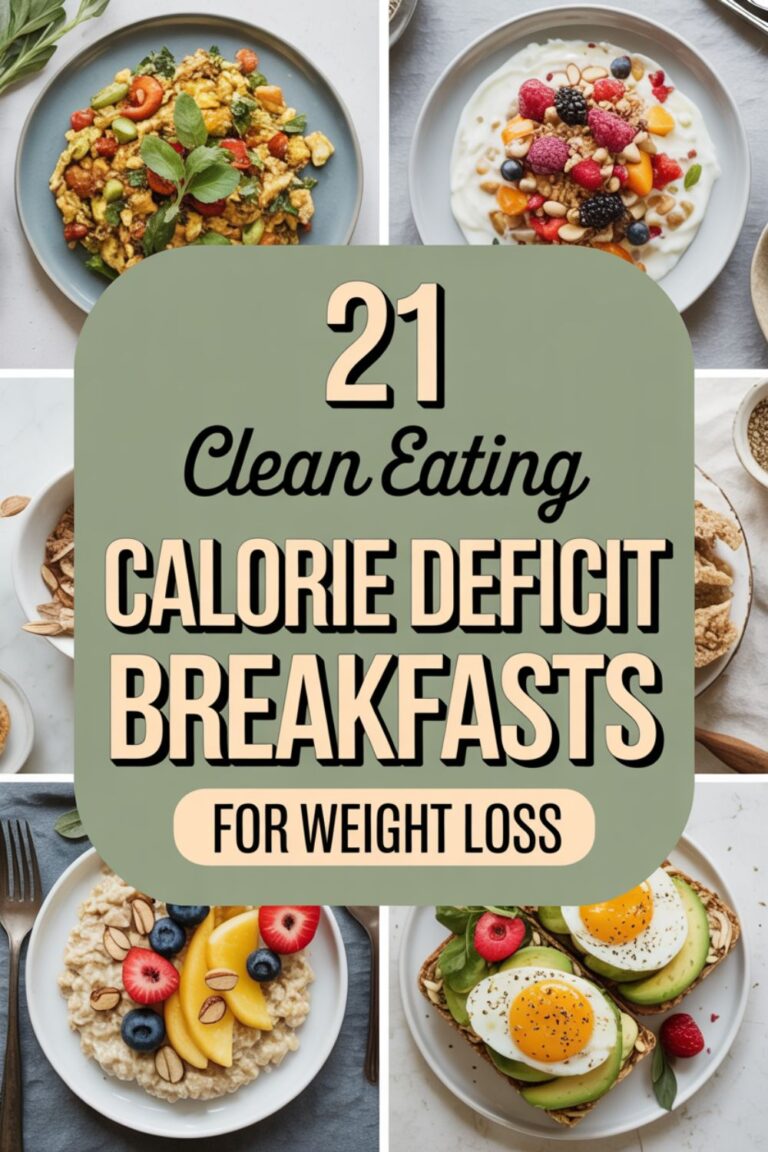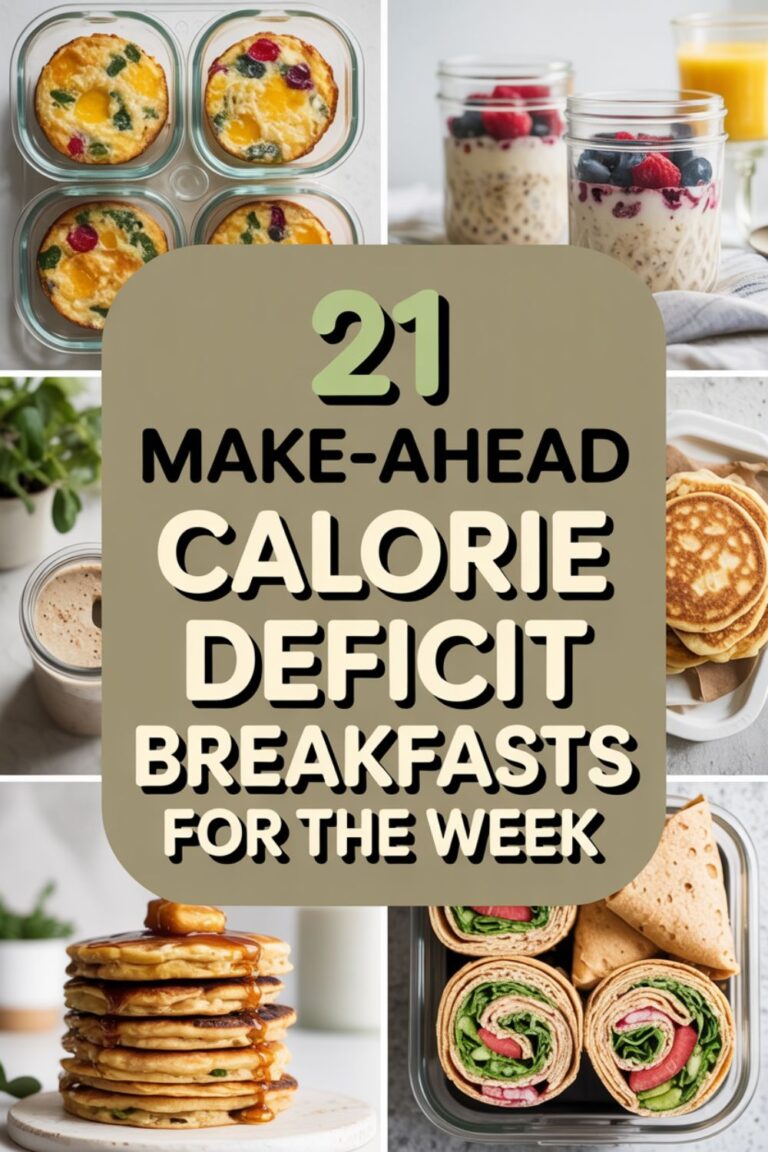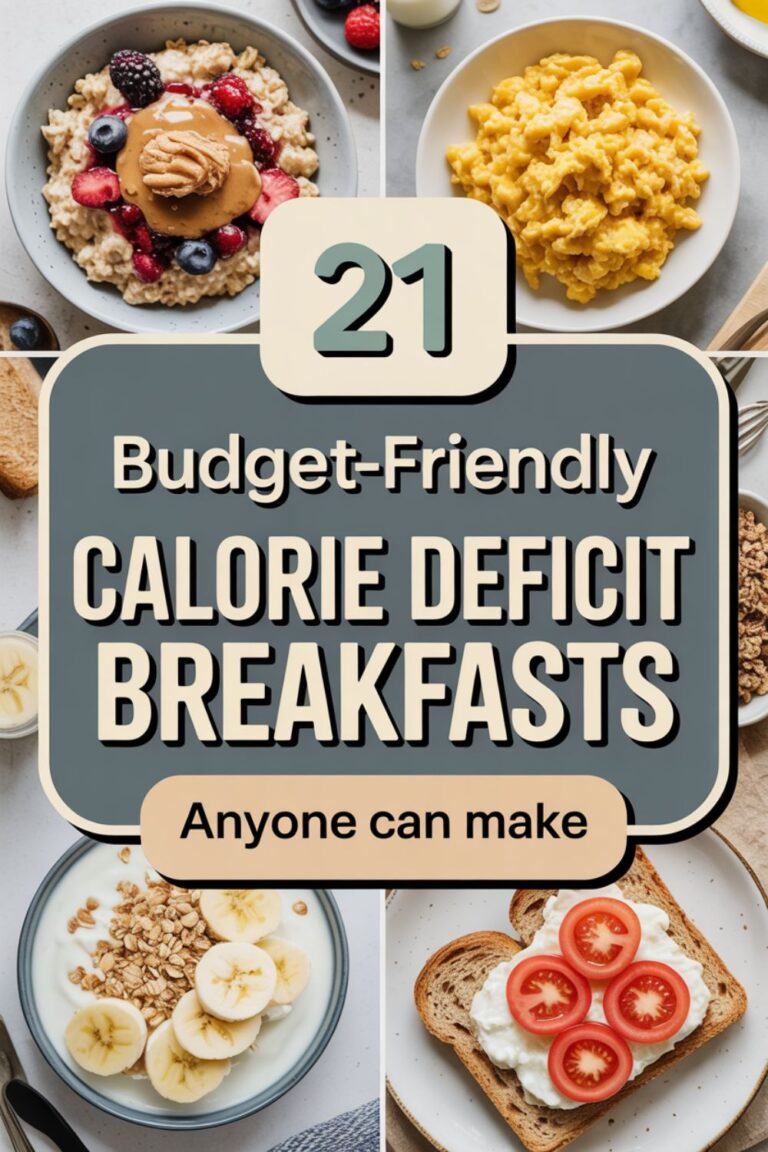
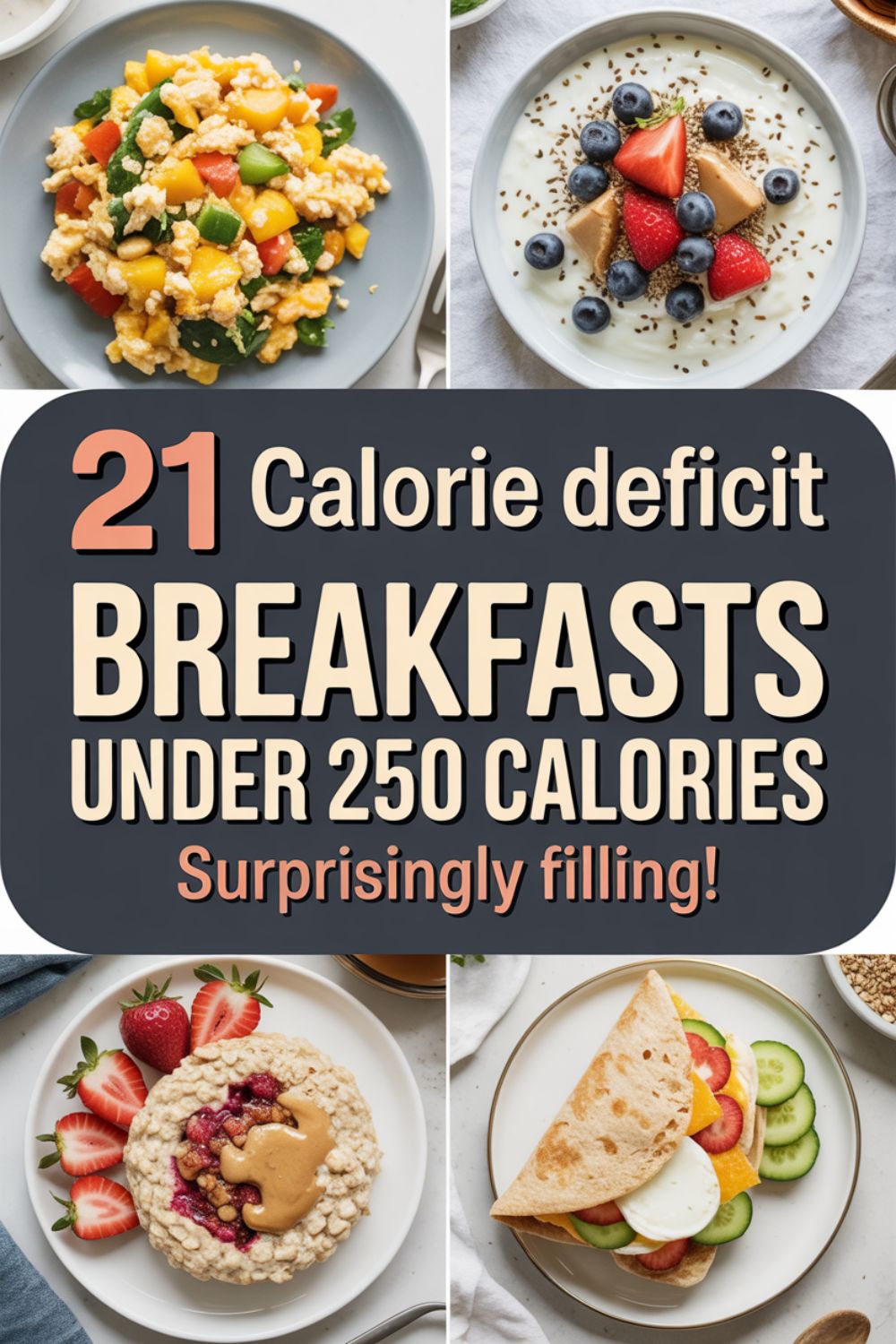
21 Calorie Deficit Breakfasts Under 250 Calories (Surprisingly Filling!)
Let’s get real about calorie deficit breakfasts. Most people think eating under 250 calories for breakfast means you’ll be face-first in the snack drawer by 10 AM, right? Wrong. I used to believe that too until I discovered that the secret isn’t about how few calories you eat—it’s about what those calories are made of.
Here’s the thing: I’ve spent years testing breakfast combinations that keep me full without blowing my calorie budget. And honestly? Some of my most satisfying mornings came from meals under 250 calories. The trick is knowing how to pack protein, fiber, and just enough healthy fats into every bite so your stomach doesn’t stage a rebellion before lunch.
What I’m about to share isn’t some restrictive diet garbage. These are 21 actual breakfasts I rotate through when I’m in a deficit, and they’ve helped me (and honestly, most of my friends who’ve tried them) stay on track without feeling like we’re punishing ourselves. No sad egg whites or plain oatmeal here—just legitimately good food that happens to fit your goals.
Why Breakfast Makes or Breaks Your Calorie Deficit
Look, I’m not going to pretend breakfast is magical. But after working with enough people trying to lose weight, I’ve noticed a pattern: the ones who nail their morning meal tend to have way fewer “I ate the entire pantry at 3 PM” moments.
Research shows that high-protein breakfasts significantly improve satiety and reduce subsequent calorie intake throughout the day. It’s not bro-science—it’s actual science. When you start your day with adequate protein (we’re talking 20-30 grams), your hunger hormones actually chill out instead of screaming at you all morning.
The problem most people run into is they focus only on calories. They’ll have a 200-calorie banana and wonder why they’re ravenous an hour later. Meanwhile, someone eating 250 calories of eggs, veggies, and a small piece of whole grain toast feels satisfied until lunch. The difference? Macronutrient balance and fiber content.
The Science Behind Feeling Full on Fewer Calories
Ever wonder why some foods keep you satisfied while others leave you searching for snacks? It comes down to three main factors: protein content, fiber, and volume. Protein increases satiety more effectively than carbohydrates or fats because your body actually burns more calories digesting it.
Fiber is the other MVP here. It slows down digestion, which means you get a steady release of energy instead of that blood sugar rollercoaster that makes you want to devour everything in sight. Foods high in fiber and water content—think vegetables, fruits, and whole grains—give you more volume for fewer calories.
Here’s what I’ve learned works: combine a lean protein source (eggs, Greek yogurt, cottage cheese) with high-fiber carbs (oats, whole grain bread, fruit) and add some veggies when possible. That combination triggers all the right satiety signals in your body. It’s not rocket science, but it works.
For a comprehensive approach to calorie deficit eating, check out this 7-day 1200 calorie meal plan that includes breakfast strategies for the entire week.
21 Calorie Deficit Breakfasts That Actually Keep You Full
Alright, let’s get to the good stuff. I’m breaking these down into categories because variety matters when you’re eating in a deficit. You can’t eat the same thing every single day without eventually wanting to throw your meal prep containers out the window.
Egg-Based Breakfasts (High Protein Winners)
Three egg whites scrambled with spinach, tomatoes, mushrooms, and bell peppers. Season with garlic powder, black pepper, and a tiny sprinkle of feta cheese. The volume of vegetables makes this surprisingly filling, and you’re getting almost 20g of protein. I make this in a ceramic non-stick pan because nothing sticks and cleanup is stupid easy.
Get Full RecipeTwo whole eggs with sautéed onions, spinach, and a tablespoon of salsa. The whole eggs give you healthy fats that egg whites alone don’t provide, which actually helps with nutrient absorption. Plus, the yolk has choline and vitamin D. Flip it using a silicone spatula—total game changer for perfect omelettes.
Get Full RecipeBaked egg cups with diced vegetables, a tiny amount of cheese, and turkey bacon bits. Make a dozen on Sunday, grab two each morning. These are clutch for busy mornings. I bake them in a silicone muffin pan and they pop out without any drama.
Get Full RecipeOatmeal & Grain-Based Options
Half cup oats, one scoop protein powder, tablespoon of chia seeds, unsweetened almond milk, and berries. Mix it the night before in a mason jar and grab it in the morning. The protein powder transforms regular oats from a carb-fest into an actually balanced meal.
Get Full RecipeRolled oats cooked with diced apple, cinnamon, and a tiny drizzle of honey. Top with a tablespoon of chopped walnuts. The apple adds natural sweetness and fiber, while walnuts give you omega-3s. I toast the walnuts in a mini toaster oven—less babysitting, zero burning.
Get Full RecipeSpeaking of variety, if you’re looking for more structured meal planning, this 14-day 1500 calorie meal plan includes rotating breakfast options that keep things interesting.
Okay, hear me out on this one. Oats cooked with vegetable broth instead of water, topped with a fried egg, sautéed mushrooms, and green onions. It sounds weird but tastes incredible—like a warm, comforting rice bowl but with oats. Total game-changer if you’re sick of sweet breakfasts.
Get Full RecipeGreek Yogurt & Cottage Cheese Combos
One cup non-fat Greek yogurt with half cup mixed berries and a tablespoon of sliced almonds. The yogurt packs 20g of protein, and the berries add fiber plus antioxidants. Store your almonds in an airtight container so they stay crispy.
Get Full RecipeHalf cup low-fat cottage cheese with sliced peaches and a sprinkle of cinnamon. I know cottage cheese gets hate, but the good brands don’t have that weird texture. Plus, it’s almost pure protein. The cinnamon helps with blood sugar regulation too.
Get Full RecipeLayer Greek yogurt with granola (measure it—granola calories add up fast) and fresh strawberries. Use a tall glass container to make it look fancy. Sometimes presentation matters when you’re eating less.
Get Full RecipeSmoothie & Drink-Based Breakfasts
Spinach, half banana, protein powder, almond milk, and ice. The spinach doesn’t taste like anything, I promise. A good blender makes this smooth instead of chunky—worth the investment if you’re doing this regularly.
Get Full RecipeMixed berries, Greek yogurt, splash of unsweetened almond milk, and a handful of ice. Blend until creamy. The yogurt gives you protein while the berries keep it sweet without added sugar.
Get Full RecipeFor more smoothie options that work in a calorie deficit, these 25 low-calorie smoothies under 250 calories offer tons of variety.
Cold brew coffee, protein powder, ice, and a splash of unsweetened almond milk. This replaces your morning coffee AND breakfast. Win-win. Mix it in a shaker bottle with a metal ball—no clumps, ever.
Get Full RecipeToast & Bread-Based Options
One slice whole grain bread with quarter of an avocado mashed, topped with everything bagel seasoning. Add a fried egg if you have 70 extra calories to spare. The healthy fats from avocado keep you satisfied.
Get Full RecipeOne slice whole grain bread with one tablespoon natural peanut butter and half a sliced banana. Sprinkle with cinnamon. The combination of protein, healthy fats, and fiber actually sticks with you. Just measure that peanut butter—eyeballing will wreck your calorie count.
Get Full RecipeWhole grain toast topped with cottage cheese, sliced tomatoes, and fresh basil. Sounds weird, tastes amazing. The cottage cheese gives you way more protein than cream cheese would.
Get Full RecipeCreative & Quick Options
Two rice cakes spread with two tablespoons of hummus, topped with cucumber slices and cherry tomatoes. Surprisingly filling because of the fiber and protein from the hummus. Keep your rice cakes fresh in an airtight storage bag.
Get Full RecipeScrambled egg whites, black beans, salsa, and a sprinkle of cheese over lettuce. All the burrito flavors without the tortilla calories. A good food scale helps you nail the portions consistently.
Get Full RecipeThree tablespoons chia seeds soaked overnight in unsweetened almond milk, topped with berries. The chia seeds expand and create this pudding texture while giving you omega-3s and fiber.
Get Full RecipeSweet Treats (Yes, Really)
Mix one egg, half banana, scoop of protein powder. Cook like regular pancakes. Top with berries instead of syrup. These satisfy sweet cravings while giving you actual nutrition. Cook them on a griddle pan for consistent results.
Get Full RecipeApple cored and filled with cinnamon, baked until soft, topped with a tablespoon of Greek yogurt. Tastes like apple pie but won’t derail your deficit. You can meal prep these in batches.
Get Full RecipeMix protein powder, cocoa powder, egg white, and almond milk in a mug. Microwave for 60 seconds. Seriously. It’s like having dessert for breakfast but with 20g of protein. Top with a few fresh raspberries.
Get Full RecipeWant more low-calorie meal ideas beyond breakfast? Check out these 25 low-calorie meals under 300 calories for lunch and dinner inspiration.
Meal Prep Essentials Used in This Plan
Let’s talk tools and resources because having the right stuff makes this so much easier. I’m not going to list 50 things—just what actually matters.
Physical Products That Make Everything Easier:
- Glass Meal Prep Containers Set – I prep Sunday, eat through Friday. These don’t stain, don’t hold smells, and are microwave-safe. Get the ones with compartments if you’re doing full meals.
- Digital Food Scale – Look, I resisted this forever. But eyeballing portions when you’re in a deficit is a recipe for “why am I not losing weight?” Measure your food for two weeks and you’ll be shocked at what actual portions look like.
- Insulated Smoothie Cups with Straws – Keeps smoothies cold for hours. The straw makes you drink slower, which helps with satiety. Sounds dumb, but it works.
Digital Resources Worth Your Time:
- 30-Day Low-Calorie Meal Plan – Full month of breakfast, lunch, and dinner combos. Takes the guesswork out completely.
- 7-Day High-Protein Meal Plan – Specifically designed to keep you full. Higher protein ratios make a massive difference.
- 1200 vs 1500 Calorie Guide – Helps you figure out which calorie level actually makes sense for YOUR body and goals.
If you’re trying to decide between different calorie targets, understanding how to lose weight on 1200-1500 calories without starving is crucial for long-term success.
Tools & Resources That Make Cooking Easier
Beyond meal prep containers, there are a few things that genuinely make sticking to these breakfasts more realistic when life gets hectic.
Kitchen Must-Haves:
- Mini Blender for Single Servings – If you live alone or don’t want to wash a giant blender every day. Makes smoothies directly in the cup you’ll drink from.
- Egg Cooker – Set it and forget it. Perfect hard-boiled eggs every time. Great for meal prep when you need protein on hand.
- Vegetable Chopper – Chops veggies in seconds instead of minutes. More likely to add vegetables to your eggs when it’s not a production.
Planning & Tracking Resources:
- 21-Day Busy Woman Meal Plan – Designed for people who don’t have hours to spend in the kitchen. Quick recipes that actually work.
- What I Eat in a 1200 Calorie Day – Real examples of full days, not just isolated meals. Helps you see how breakfast fits into the bigger picture.
- Essential Low-Calorie Grocery List – The 12 items that show up in almost every calorie deficit kitchen. Keeps shopping simple.
For women dealing with hormonal changes, this 1200 calorie meal plan for women over 40 addresses specific nutritional needs during that life stage.
Common Mistakes That Tank Your Breakfast Game
I’ve made every mistake possible with breakfast, so let me save you some frustration. The biggest one? Thinking lower calories automatically means better. I watched people eat 150-calorie breakfasts and wonder why they binged at lunch. Your body needs fuel, folks.
Another mistake: not prepping anything. Look, I get it—mornings are chaos. But if you don’t have SOMETHING ready to grab, you’re going to end up at the drive-thru. Even just having hard-boiled eggs and fruit in the fridge beats stopping for a 600-calorie breakfast sandwich.
Also, stop skipping protein. I can’t stress this enough. A banana and coffee isn’t breakfast—it’s a snack. Nutritionists consistently recommend 25-30 grams of protein per meal to maximize satiety and preserve muscle mass during weight loss.
And please, measure your portions for at least two weeks. Eyeballing peanut butter or granola will destroy your calorie count faster than anything else. One tablespoon of peanut butter is way smaller than you think.
Need more structured guidance? These 30 easy low-calorie dinner ideas pair perfectly with these breakfasts for complete day-long meal planning.
How to Mix and Match for Variety
Eating the same breakfast every day gets old fast. Here’s how I rotate through these without getting bored: pick three from different categories each week. Week one might be the veggie scramble, overnight oats, and Greek yogurt bowl. Week two, switch to egg muffins, protein smoothie, and avocado toast.
Also, batch cook when possible. Make a week’s worth of egg muffins, overnight oats, or chia pudding. Then you’re just grabbing and going. I spend maybe 90 minutes on Sunday and have breakfast sorted for the entire week.
Play with seasonings too. Same base ingredients, different flavors. Greek yogurt with berries gets boring, but Greek yogurt with cinnamon and apple? Different meal. Egg whites with Italian seasoning versus Mexican spices? Totally different vibe.
If you’re looking for snack options to complement these breakfasts, check out these 20 low-calorie snacks under 150 calories to keep your energy steady between meals.
Making It Work When Life Gets Messy
Let’s be honest—some mornings you’re going to oversleep, the kids are going to lose their shoes, or you’ll just not feel like dealing with breakfast. That’s where having backup options matters.
Keep protein bars in your car or bag. Not ideal, but better than skipping entirely. Greek yogurt cups with a piece of fruit works too. Hard-boiled eggs last all week in the fridge—grab two and an apple on your way out.
Also, don’t stress about eating breakfast immediately upon waking. If you’re genuinely not hungry first thing, wait an hour or two. The whole “breakfast within 30 minutes” thing isn’t backed by science. Eat when you’re actually hungry, just make sure it’s something balanced when you do.
And if you mess up? Whatever. One drive-thru breakfast doesn’t undo your whole week. Get back on track the next meal. Consistency over perfection, always.
Looking for budget-friendly options? These 25 cheap low-calorie meals prove eating in a deficit doesn’t have to be expensive.
Frequently Asked Questions
Is 250 calories enough for breakfast when trying to lose weight?
It depends on your total calorie budget and activity level. For someone eating 1200-1500 calories daily, 200-250 calories for breakfast works well, especially when those calories come from protein and fiber-rich foods. The key is making sure you’re not so hungry by lunch that you overeat. If you’re consistently starving mid-morning, bump up to 300 calories or add more protein to your breakfast.
Can I skip breakfast if I’m not hungry in the morning?
Yes, but pay attention to what happens later. Some people do fine with intermittent fasting and don’t eat until noon. Others skip breakfast and then overcompensate at lunch or dinner. If skipping breakfast helps you stick to your calorie deficit without bingeing later, go for it. If it makes you ravenous and you end up eating more overall, breakfast probably helps your particular body and schedule.
What if I don’t like the breakfast options listed?
Then don’t eat them. Seriously. The point isn’t forcing down food you hate—it’s finding combinations that work for YOU. Use these as templates: high protein, moderate carbs, some fiber. If you hate eggs, use Greek yogurt or cottage cheese instead. Hate oatmeal? Try whole grain toast or rice cakes. The macro balance matters more than the specific foods.
How much protein should I really aim for at breakfast?
Research suggests 25-30 grams of protein per meal optimizes satiety and muscle preservation during weight loss. For breakfast specifically, aiming for at least 20 grams makes a noticeable difference in how full you feel until lunch. If you’re very active or doing strength training, push closer to 30 grams. Less active? Twenty grams usually does the trick.
Can I drink coffee with these breakfasts?
Absolutely. Black coffee has essentially zero calories. If you add cream and sugar, just account for those calories. A tablespoon of half-and-half is about 20 calories, which still leaves you room for a solid breakfast under 250 total. Or switch to unsweetened almond milk (around 8 calories per tablespoon) and save more calories for food.
Final Thoughts on Making This Work
Here’s the bottom line: calorie deficit breakfasts under 250 calories don’t have to suck. They shouldn’t leave you miserable and counting down the minutes until lunch. The secret is prioritizing protein, adding fiber, and choosing foods with high volume so your plate doesn’t look depressing.
I’ve been doing this long enough to know that the “perfect” meal plan is the one you’ll actually follow. If you hate meal prep, keep it simple—Greek yogurt and fruit takes 30 seconds. Love cooking? Experiment with the egg muffins and overnight oats combos. The point is finding what fits into YOUR life, not someone else’s Instagram-perfect morning routine.
Start with three breakfasts from this list. Rotate them for two weeks. See how you feel, how hungry you are before lunch, and whether you’re actually losing weight. Adjust from there. Some people need more protein, others need more volume from vegetables. You’ll figure out what works for your body.
And remember—this isn’t about being perfect. It’s about being consistent enough that you see results while still enjoying your food. If that means having the same breakfast five days a week because it’s easy and you like it, great. If it means trying all 21 options, also great. Just pick something, stick with it long enough to see results, and adjust as needed.
You’ve got this. Breakfast doesn’t have to be complicated to be effective.