21 Calorie Deficit Breakfasts That Taste Amazing (Not Just Eggs!)
Look, I get it. You’re tired of the same boring egg scramble every morning while trying to lose weight. You open the fridge, stare at those egg cartons, and think, “There’s gotta be something else.” Well, friend, you’re about to discover 21 breakfasts that’ll make your taste buds dance while keeping you in that calorie deficit sweet spot.
The thing is, most people think eating in a calorie deficit means suffering through bland, boring meals. That’s complete nonsense. I’ve spent months testing breakfast combos that clock in under 350 calories but actually leave you satisfied until lunch. No mid-morning snack attacks. No hangry episodes during your 10 AM meeting.
Why Your Breakfast Strategy Actually Matters for Weight Loss
Before we jump into the recipes, let’s talk science for a second. Research shows that what you eat for breakfast can seriously impact your hunger levels throughout the day. Studies published in the American Journal of Clinical Nutrition found that higher-protein breakfasts increase satiety more than carb-heavy or fat-heavy options.
Translation? The right breakfast keeps you from face-planting into the office donut box at 11 AM. Your body processes protein differently than it does simple carbs. When you start your day with adequate protein and fiber, your blood sugar stays more stable, which means fewer cravings and better energy.
But here’s the kicker—you don’t need to force down six egg whites to hit your protein goals. There are so many creative ways to build a filling, low-calorie breakfast that doesn’t feel like diet food.
Meal prep your breakfast components on Sunday night—cook grains, portion out yogurt, chop veggies. You’ll thank yourself every rushed morning this week.
The Protein-Fiber Magic Combo
Here’s something most diet plans won’t tell you straight up: you need both protein AND fiber to stay full. One without the other is like having peanut butter without jelly—technically works, but why would you do that to yourself?
Protein helps maintain muscle mass while you’re losing weight, and it takes longer to digest, which keeps you satisfied. Fiber slows down digestion even more and helps regulate blood sugar. According to Mayo Clinic research on weight management, combining these two nutrients creates the perfect storm for appetite control.
The sweet spot? Aim for at least 20 grams of protein and 5-8 grams of fiber at breakfast. That combo will keep you cruising until lunch without constantly thinking about your next meal.
Beyond the Basic Scramble
Don’t get me wrong—eggs are fantastic. They’re cheap, versatile, and packed with protein. But if you’re eating the same scramble seven days a week, your brain starts rebelling. Variety isn’t just the spice of life; it’s the secret to actually sticking with your calorie deficit.
Think about it this way: would you rather eat the same lunch every single day for three months, or mix things up? Same logic applies to breakfast. When you have options, you’re way less likely to abandon ship and hit the drive-through.
Speaking of creative breakfast ideas, you might love these low-calorie breakfasts specifically designed to keep you full or check out these high-protein options that power you through the morning.
21 Breakfast Ideas That Actually Taste Good
1. Greek Yogurt Power Bowl
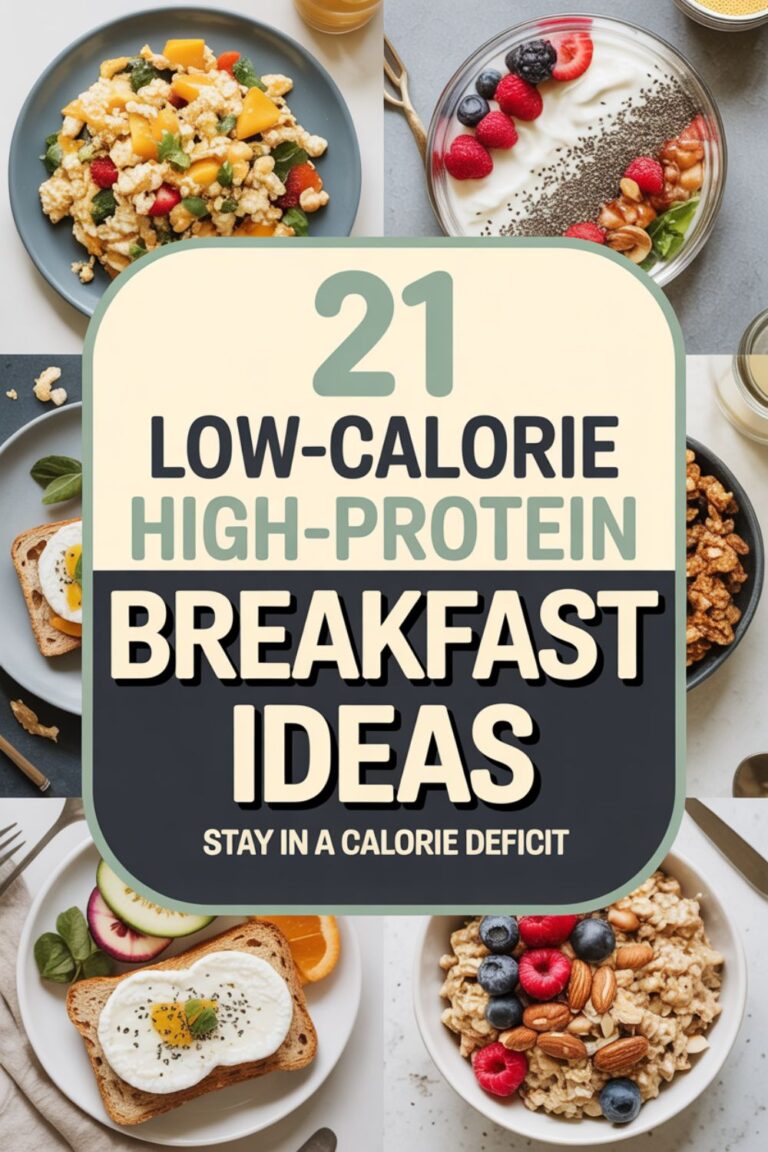
Start with plain, non-fat Greek yogurt (about 150 calories for a cup). This stuff is a protein bomb—around 20 grams per serving. Top it with half a sliced banana, a tablespoon of almond butter, and a sprinkle of chia seeds. Total calories? Roughly 280. Total satisfaction? Through the roof.
The tanginess of Greek yogurt pairs perfectly with the sweetness of banana. Plus, almond butter adds healthy fats that help your body absorb vitamins. I’m obsessed with this combo because it feels indulgent but fits perfectly into a calorie deficit plan.
2. Savory Cottage Cheese Toast
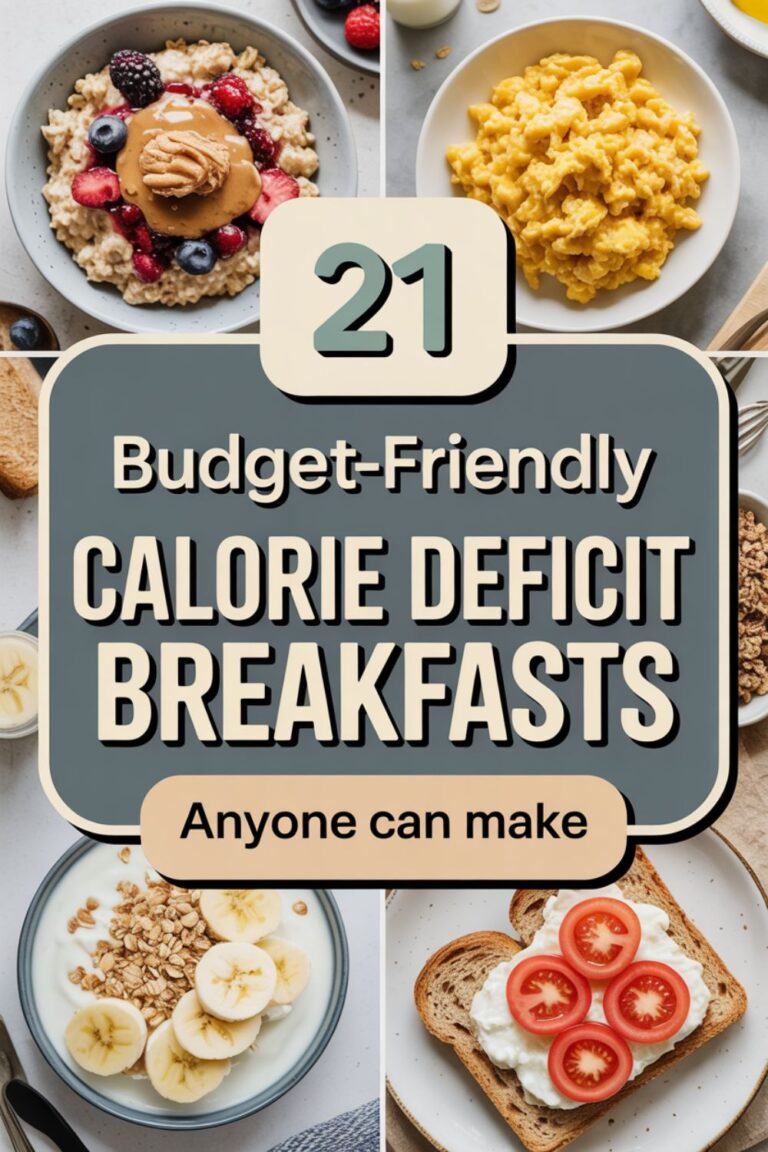
Cottage cheese is having a moment, and honestly, it deserves it. Spread half a cup on a slice of whole grain bread (the good stuff, not the mushy white kind). Add sliced tomatoes, everything bagel seasoning, and fresh basil. Around 250 calories of pure breakfast bliss.
The texture combo here is chef’s kiss. Creamy cottage cheese, crunchy toast, juicy tomatoes—it’s like a deconstructed caprese salad that you can eat with your hands. Get Full Recipe.
“I started making these cottage cheese toasts and lost 12 pounds in two months without feeling deprived once. Game changer for my mornings.”
— Jennifer from our community3. Overnight Oats Three Ways
Overnight oats are the ultimate lazy person’s breakfast—and I mean that as the highest compliment. Mix half a cup of rolled oats with half a cup of unsweetened almond milk, throw it in a mason jar, and refrigerate overnight.
Version one: Add cocoa powder and a mashed banana. Version two: Mix in vanilla protein powder and fresh berries. Version three: Stir in pumpkin puree and pumpkin pie spice. Each version clocks in around 250-300 calories and takes literally two minutes to prep.
The beauty of overnight oats is the make-ahead factor. Sunday night, you can prep five jars, and boom—breakfast sorted for the week. No morning decisions required when your brain is still half asleep.
4. Veggie-Loaded Egg Muffins
Okay, yes, these technically have eggs, but hear me out. These aren’t your grandma’s hard-boiled eggs. Whisk together eggs with diced bell peppers, spinach, and a bit of reduced-fat cheese. Pour into a silicone muffin tin and bake.
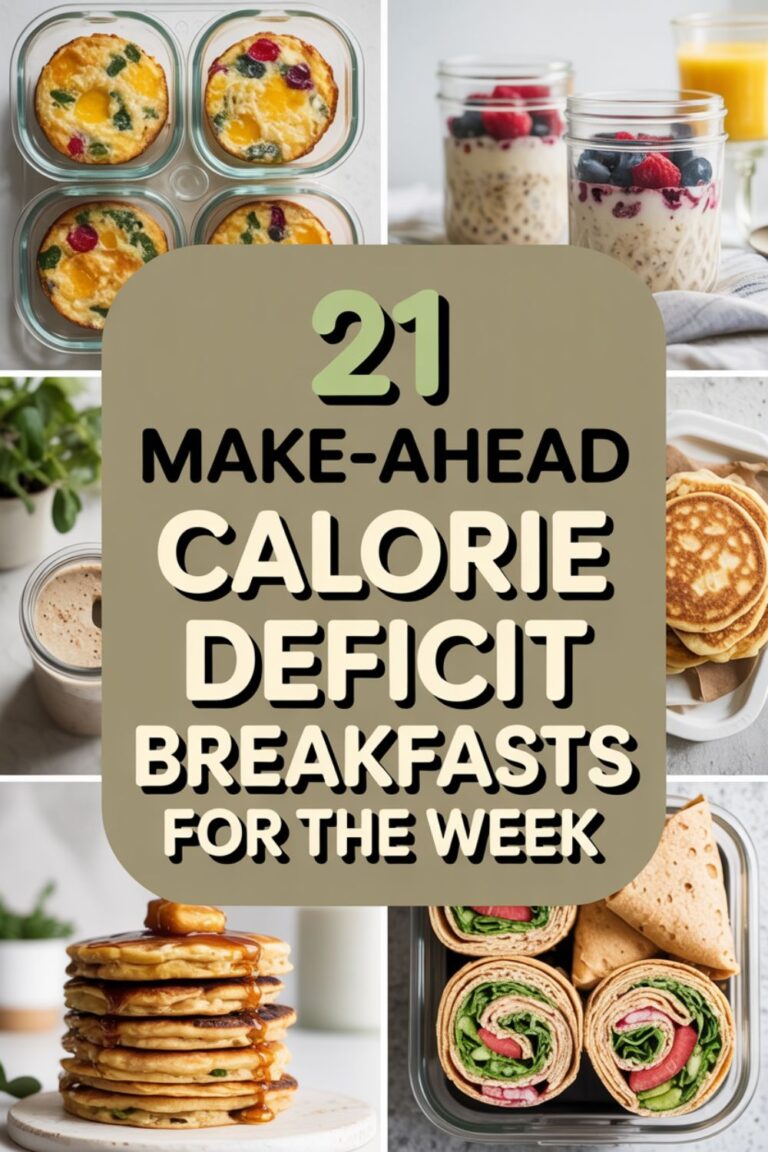
Two muffins come in around 180 calories and pack about 16 grams of protein. They’re portable, reheatable, and you can customize them with whatever vegetables are lurking in your fridge. Zero food waste, maximum efficiency. Get Full Recipe.
Bake a batch of 12 egg muffins on Sunday. Grab two each morning and microwave for 45 seconds. Breakfast in under a minute, and you’re still in your calorie deficit.
5. Peanut Butter Banana Smoothie
Blend one frozen banana, a tablespoon of natural peanut butter, a cup of unsweetened almond milk, and a handful of ice. Optional: add a scoop of vanilla protein powder to bump up the protein. This bad boy comes in around 280 calories and tastes like a milkshake.
The frozen banana creates that thick, creamy texture without needing ice cream or frozen yogurt. It’s naturally sweet, filling, and you can drink it in the car if you’re running late. Just make sure you’re using a good blender that can actually handle frozen fruit without sounding like it’s dying.
6. Avocado Toast Done Right
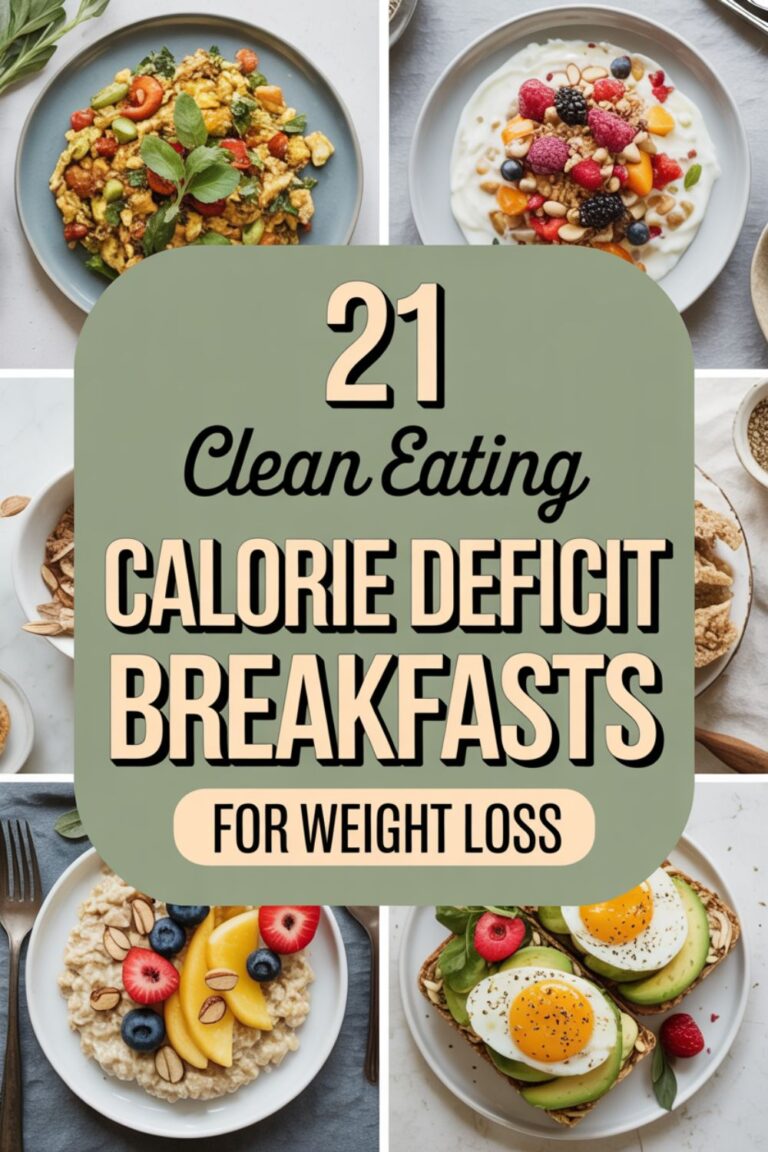
I know, I know—avocado toast is so 2017. But there’s a reason it became trendy: it works. One slice of whole grain sourdough, half an avocado mashed with lemon juice and red pepper flakes, topped with a poached egg. About 320 calories of pure satisfaction.
The key here is portion control. Half an avocado, not the whole thing. One slice of bread, not two. These little tweaks keep you in calorie deficit territory while still giving you all the healthy fats and fiber your body craves. For more complete meal ideas, check out this 7-day meal plan that keeps portions realistic.
7. Breakfast Burrito Bowl
Skip the tortilla, save the calories. Layer scrambled eggs, black beans, salsa, and a sprinkle of cheese in a bowl. Add some cilantro and a squeeze of lime. This protein-packed breakfast clocks in around 300 calories and keeps you full until lunch.
Black beans are seriously underrated for breakfast. They add fiber and plant-based protein, plus they make the meal feel more substantial. It’s basically all the good parts of a breakfast burrito without the carb-heavy wrap weighing you down.
8. Chia Pudding Parfait
Mix three tablespoons of chia seeds with a cup of unsweetened almond milk and let it sit overnight. In the morning, layer it with fresh berries and a drizzle of honey. Around 250 calories and loaded with omega-3s.
Chia seeds expand and create this pudding-like consistency that’s weirdly addictive. The texture takes some getting used to if you’ve never had it before, but once you’re hooked, you’re hooked. Plus, the fiber content is insane—about 10 grams per serving.
Meal Prep Essentials Used in These Recipes
- Glass meal prep containers with compartments – Perfect for portioning overnight oats and parfaits
- Digital food scale – Takes the guesswork out of portion sizes
- Silicone muffin pan – Non-stick magic for egg muffins and mini frittatas
- 21-Day Calorie Deficit Meal Plan (Digital Download) – Complete breakfast, lunch, and dinner ideas with shopping lists
- High-Protein Recipe eBook – 50+ breakfast recipes under 350 calories
- Macro Tracking Template (Google Sheets) – Customizable tracker for monitoring your daily intake
9. Sweet Potato Breakfast Hash
Dice one medium sweet potato and cook it in a non-stick skillet with bell peppers and onions. Top with a fried egg and hot sauce. This savory breakfast comes in around 290 calories and feels like weekend brunch.
Sweet potatoes are complex carbs that won’t spike your blood sugar like white potatoes. They’re also packed with vitamin A and fiber. The natural sweetness pairs perfectly with the savory egg and spicy hot sauce. It’s a flavor bomb that happens to fit your calorie goals.
10. Protein Pancakes
Mash one banana with two eggs and a scoop of protein powder. Cook like regular pancakes. Top with fresh berries instead of syrup. Two pancakes equal about 280 calories and 25 grams of protein.
These aren’t going to taste exactly like IHOP pancakes—let’s be real. But they’re fluffy, satisfying, and they won’t leave you in a carb coma by 10 AM. The banana adds natural sweetness, so you really don’t need syrup. Get Full Recipe.
11. Smoked Salmon Cream Cheese Wrap
Spread light cream cheese on a low-carb tortilla, add smoked salmon, cucumber slices, and fresh dill. Roll it up. About 270 calories of sophisticated morning fuel.
This one feels fancy enough for a weekend brunch but takes about three minutes to assemble. The omega-3s from the salmon are great for your brain and heart. Plus, it’s a nice break from the usual breakfast routine.
If you’re enjoying these protein-rich ideas, you’ll definitely want to explore these high-protein, low-calorie meals that actually keep you full all day or try these super easy breakfast options under 300 calories.
12. Berry Protein Smoothie Bowl
Blend frozen mixed berries, vanilla protein powder, and a splash of almond milk until thick. Pour into a bowl and top with granola, sliced almonds, and coconut flakes. Around 310 calories.
The thick consistency makes you eat it slowly with a spoon, which helps with satiety. Your brain registers “meal” better when you’re using utensils versus chugging a smoothie. It’s psychology meets nutrition, and it works.
13. Breakfast Quinoa Bowl
Cook quinoa in almond milk instead of water, then top with cinnamon, diced apples, and a drizzle of maple syrup. About 280 calories with solid protein and fiber numbers.
Quinoa for breakfast might sound weird, but it’s basically the same concept as oatmeal—just with more protein. It has all nine essential amino acids, making it a complete protein. Plus, the nutty flavor pairs really well with sweet toppings.
14. Egg White Veggie Scramble
Three egg whites scrambled with mushrooms, spinach, and tomatoes. Season with garlic powder and black pepper. Serve with a slice of whole grain toast. Total: about 220 calories.
This is the lightest option on the list, perfect for days when you want to save more calories for lunch or dinner. The vegetables bulk up the scramble without adding many calories. It’s the opposite of sad diet food—it’s colorful, flavorful, and filling. You can find the complete recipe in this collection of breakfast ideas designed for weight loss.
15. Almond Butter Toast with Strawberries
One slice of whole grain bread, one tablespoon of almond butter, sliced strawberries, and a sprinkle of hemp seeds. Roughly 260 calories of simple perfection.
Sometimes the simplest breakfasts are the best. The combination of healthy fats from almond butter, fiber from whole grain bread, and vitamins from strawberries creates a balanced meal. Hemp seeds add a protein boost and a slight nutty crunch.
Pre-slice your strawberries and store them in an airtight container. Mornings are way less chaotic when the prep work is already done.
16. Savory Oatmeal
Cook steel-cut oats and top with a fried egg, sautéed spinach, and everything bagel seasoning. About 290 calories of unexpected deliciousness.
Stay with me here—savory oatmeal is actually a thing in many cultures. The hearty texture of steel-cut oats works perfectly as a base for savory toppings. It’s like a warm grain bowl that happens to be breakfast. Trust me on this one.
17. Cottage Cheese Pancakes
Blend cottage cheese, oats, and eggs to create a batter. Cook like regular pancakes. These are super filling and clock in around 250 calories for two pancakes.
The cottage cheese adds protein and creates a unique texture that’s fluffier than regular pancakes. Top with fresh fruit instead of syrup to keep the calorie count low. These freeze really well too, so you can make a big batch and reheat throughout the week. Get Full Recipe.
18. Veggie Frittata Slice
Bake a large frittata with eggs, zucchini, bell peppers, and a bit of feta cheese. Cut into slices. One slice is about 200 calories and reheats beautifully.
Frittatas are basically the sophisticated cousin of scrambled eggs. They look fancy, taste amazing, and you can eat them hot or cold. Make one on Sunday, and you’ve got breakfast for three or four days. Efficient AND delicious.
19. Apple Cinnamon Ricotta Bowl
Mix part-skim ricotta cheese with diced apples, cinnamon, and a tiny drizzle of honey. Top with chopped walnuts. Around 270 calories.
Ricotta is creamier than cottage cheese but still high in protein. The combination of creamy, crunchy, and sweet hits all the texture and flavor notes your brain wants. It’s basically dessert for breakfast, except it fits perfectly into your calorie deficit.
20. Green Smoothie
Blend spinach, frozen mango, vanilla protein powder, and coconut water. The mango masks the spinach flavor completely. About 240 calories of sneaky vegetables.
I’m not usually a “hide your vegetables” person, but smoothies are the exception. You get all the nutrients from spinach without the texture some people don’t love. The frozen mango makes it sweet and tropical. Your taste buds think vacation; your body gets vitamins.
Tools & Resources That Make Breakfast Easier
- Personal blender with travel cups – Blend and go, minimal cleanup
- Electric egg cooker – Perfect eggs every time without watching the stove
- Portion control containers – Takes the guesswork out of serving sizes
- WhatsApp Meal Prep Community – Join our free group for weekly recipes and motivation
- Calorie Deficit Cookbook (PDF) – 100+ recipes with complete nutritional breakdowns
- Video Course: Meal Prep Mastery – Step-by-step guides for batch cooking success
21. Breakfast Chia Seed Jam Toast
Make a quick chia jam by mashing berries with chia seeds and letting it sit for 10 minutes. Spread on whole grain toast with a thin layer of almond butter. About 270 calories.
Store-bought jam is loaded with sugar. This version uses the natural sweetness of berries and the chia seeds help it gel without added pectin or preservatives. It takes about the same amount of time as making regular toast, but you’re getting way more nutrients and fiber.
“These breakfast ideas completely changed my relationship with mornings. I’ve lost 15 pounds in three months and never once felt like I was on a ‘diet.’ The variety keeps me excited about eating well.”
— Sarah M., community memberMaking It Work in Real Life
Listen, having 21 options is great in theory, but let’s be practical. You’re not going to make all of these. Pick three or four that sound appealing and rotate through them for a couple weeks. Once you get bored, swap in a few different ones.
The goal isn’t to eat a different breakfast every single day. The goal is to have enough variety that you don’t feel trapped in the same boring routine. When you enjoy what you’re eating, sticking to a calorie deficit becomes way easier.
Also, don’t stress about hitting exactly 300 calories every morning. Some days it’ll be 250, other days 350. What matters is the overall weekly average, not perfection every single day. Life happens. Some mornings you’ll have time to make the quinoa bowl; other mornings you’ll grab Greek yogurt and run out the door. Both are totally fine.
Keep a “breakfast station” in your kitchen—one shelf with all your go-to ingredients grouped together. Oats, protein powder, nut butters, chia seeds. Makes everything faster when you’re half-awake.
The Calorie Math That Actually Matters
Here’s the thing about calorie deficits that nobody really explains well: you need consistency over time, not perfection every day. If you’re aiming for 1,400 calories daily, having 1,300 one day and 1,500 the next evens out just fine.
Your breakfast should generally be about 20-25% of your daily calories. So if you’re eating 1,400 calories a day, that’s roughly 280-350 for breakfast. All of these recipes fall right in that sweet spot. For more guidance on structuring your full day, this 7-day meal plan breaks down portions perfectly.
But don’t get so caught up in the numbers that you forget to actually enjoy your food. Eating should be pleasurable, even when you’re trying to lose weight. That’s why these recipes focus on flavor and satisfaction, not just hitting calorie targets.
Protein Swaps Nobody Talks About
Not everyone loves eggs or Greek yogurt. And that’s totally valid. The beauty of these recipes is that most of them can be adapted. Hate cottage cheese? Use Greek yogurt instead. Can’t do dairy? Swap for coconut yogurt or tofu-based alternatives.
Plant-based protein powders work just as well as whey in smoothies and pancakes. Chia seeds, hemp hearts, and nut butters all add protein without animal products. The key is finding what works for your taste preferences and dietary needs. For vegetarian-specific options, check out this complete vegetarian meal plan that’s both filling and balanced.
FYI, almond butter and peanut butter have roughly the same calorie count, but different nutrient profiles. Almond butter has more vitamin E and magnesium; peanut butter has more protein. Mix it up based on what you’re craving and what your body needs.
Looking for more meal variety beyond breakfast? Try these low-calorie lunch ideas and pair them with satisfying dinners under 350 calories to round out your day.
When Hunger Strikes Before Lunch
Even with a solid breakfast, some days you’ll get hungry mid-morning. It happens. Don’t panic and think your breakfast failed. Sometimes your body genuinely needs more fuel, especially if you worked out that morning or didn’t sleep well.
Keep healthy snacks on hand: a small apple, a handful of almonds, or some raw veggies with hummus. These 100-150 calorie additions won’t wreck your deficit, and they’ll keep you from making poor food choices when you’re starving. These low-calorie snack options are perfect for bridging the gap.
The alternative—trying to tough it out until lunch while your stomach is growling—usually leads to overeating later. Better to have a strategic snack than to arrive at lunch ready to eat everything in sight.
The Prep Work Nobody Wants to Do (But Should)
Real talk: most of these breakfasts get way easier if you do a little prep work. Spend 20 minutes on Sunday chopping vegetables, cooking grains, or making chia pudding. Your weekday self will be so grateful.
I use a food chopper for vegetables because my knife skills are questionable at best. No shame in using tools that make your life easier. The goal is to eat well, not to prove you can dice an onion like a professional chef.
Batch cooking doesn’t have to mean spending your entire weekend in the kitchen. Cook a big pot of quinoa, hard-boil a dozen eggs, portion out overnight oats. These small prep steps make weekday mornings infinitely less stressful. Want a complete system? This 21-day meal plan is designed specifically for busy schedules.
Frequently Asked Questions
How many calories should my breakfast be if I’m trying to lose weight?
It depends on your total daily calorie goal, but generally aim for 250-350 calories at breakfast. This gives you enough fuel to start your day without using up too much of your daily budget. The key is making those calories count with protein and fiber rather than empty carbs. Your breakfast should keep you satisfied for 3-4 hours without constant hunger.
Can I skip breakfast and still lose weight?
Technically yes, if it fits your lifestyle and you don’t overeat later. However, research suggests that eating breakfast—especially one high in protein—can help control appetite throughout the day. If skipping breakfast leads to binge eating at lunch or constant snacking, you’re better off eating something nutritious in the morning.
What if I’m not hungry in the morning?
Start small with something light like a protein smoothie or Greek yogurt. Your appetite might increase once your body gets used to eating in the morning. Some people find their hunger cues are off initially, but they adjust after a week or two of consistent morning eating. Don’t force yourself to eat a huge meal, but try having something with at least 15 grams of protein.
How much protein do I really need at breakfast?
Aim for at least 20-30 grams of protein to maximize satiety and muscle preservation during weight loss. Studies show that protein increases feelings of fullness more than carbohydrates or fats. This helps prevent mid-morning hunger and reduces overall calorie intake throughout the day. Most of these breakfast ideas hit that 20-gram minimum pretty easily.
Are these breakfasts suitable for meal prep?
Absolutely! Many of these recipes are specifically designed for batch cooking. Overnight oats, egg muffins, frittatas, and chia pudding all keep for 3-5 days in the fridge. Make a batch on Sunday, portion them out in containers, and grab one each morning. The only ones that don’t prep well are smoothies (best made fresh) and anything with avocado (browns quickly).
The Bottom Line on Breakfast
Weight loss doesn’t have to mean eating sad, boring breakfasts that leave you hungry an hour later. The secret is finding combinations of protein, fiber, and healthy fats that satisfy you while fitting into your calorie goals.
These 21 breakfast ideas prove you can eat delicious, varied meals while still maintaining a calorie deficit. Some will become your go-to favorites; others might not be your thing. That’s totally fine. The point is having options so you never feel stuck or deprived.
Start by picking two or three recipes that sound appealing. Test them out for a week or two. See how they make you feel—both in terms of satisfaction and energy levels. Then rotate in some different options to keep things interesting. Before you know it, you’ll have a solid breakfast rotation that supports your weight loss goals without feeling like a chore.
Remember, the best breakfast is the one you’ll actually eat consistently. Don’t force yourself to choke down egg whites if you hate them. Find what works for your taste preferences, schedule, and lifestyle. That’s how you make sustainable changes instead of another diet you abandon after three weeks.
Now go make yourself something delicious. Your morning deserves better than a granola bar eaten over the sink while you’re getting dressed. You’ve got 21 options to choose from—use them.