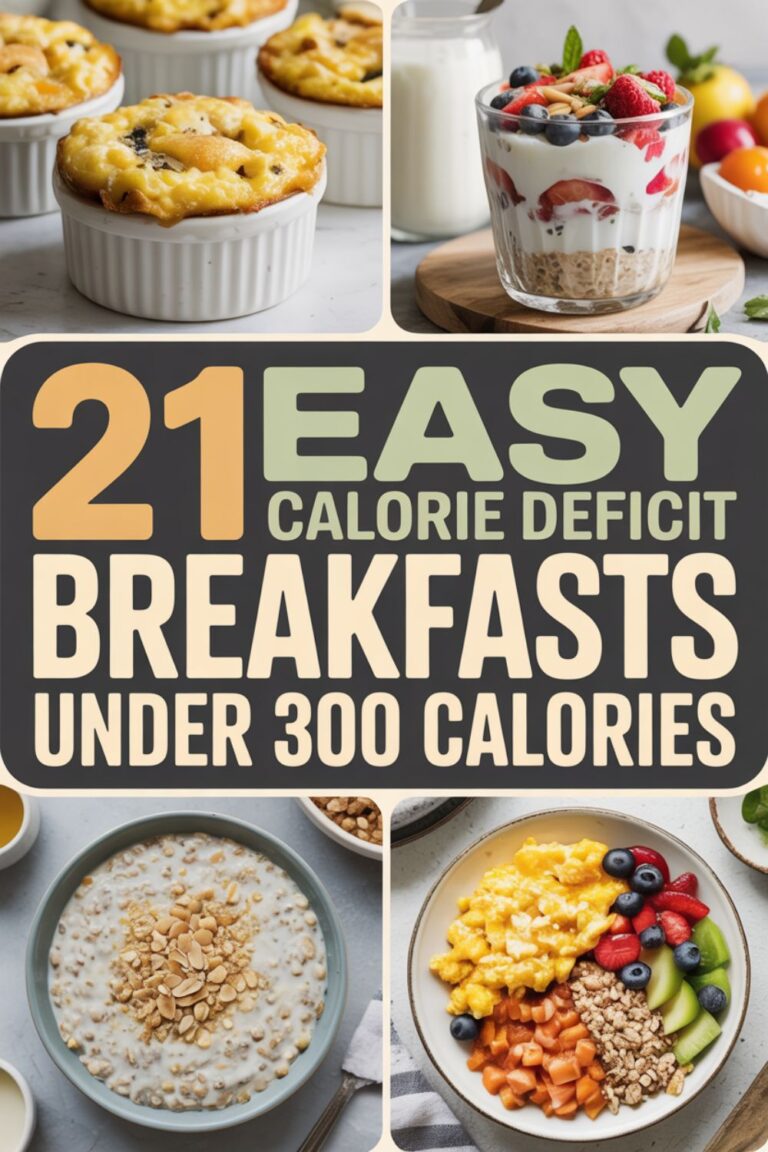
21 Calorie Deficit Breakfasts Perfect for Busy Mornings
Look, I get it. You’re trying to lose weight, mornings are chaos, and the last thing you want is another bland egg white scramble that leaves you starving by 10 AM. Been there, crashed hard, raided the office snack drawer.
Here’s what nobody tells you about calorie deficit breakfasts: they don’t have to suck. Actually, they shouldn’t suck. Because if your breakfast game is weak, your entire day becomes a white-knuckle fight against hunger and those chocolate chip cookies calling your name from the pantry.
I’ve spent years figuring out what actually works when you’re trying to stay in a deficit without feeling like you’re punishing yourself. These 21 breakfast ideas aren’t some Pinterest fantasy that requires seventeen ingredients and a culinary degree. They’re real food that real people can actually make on a Tuesday morning when they’ve hit snooze three times.
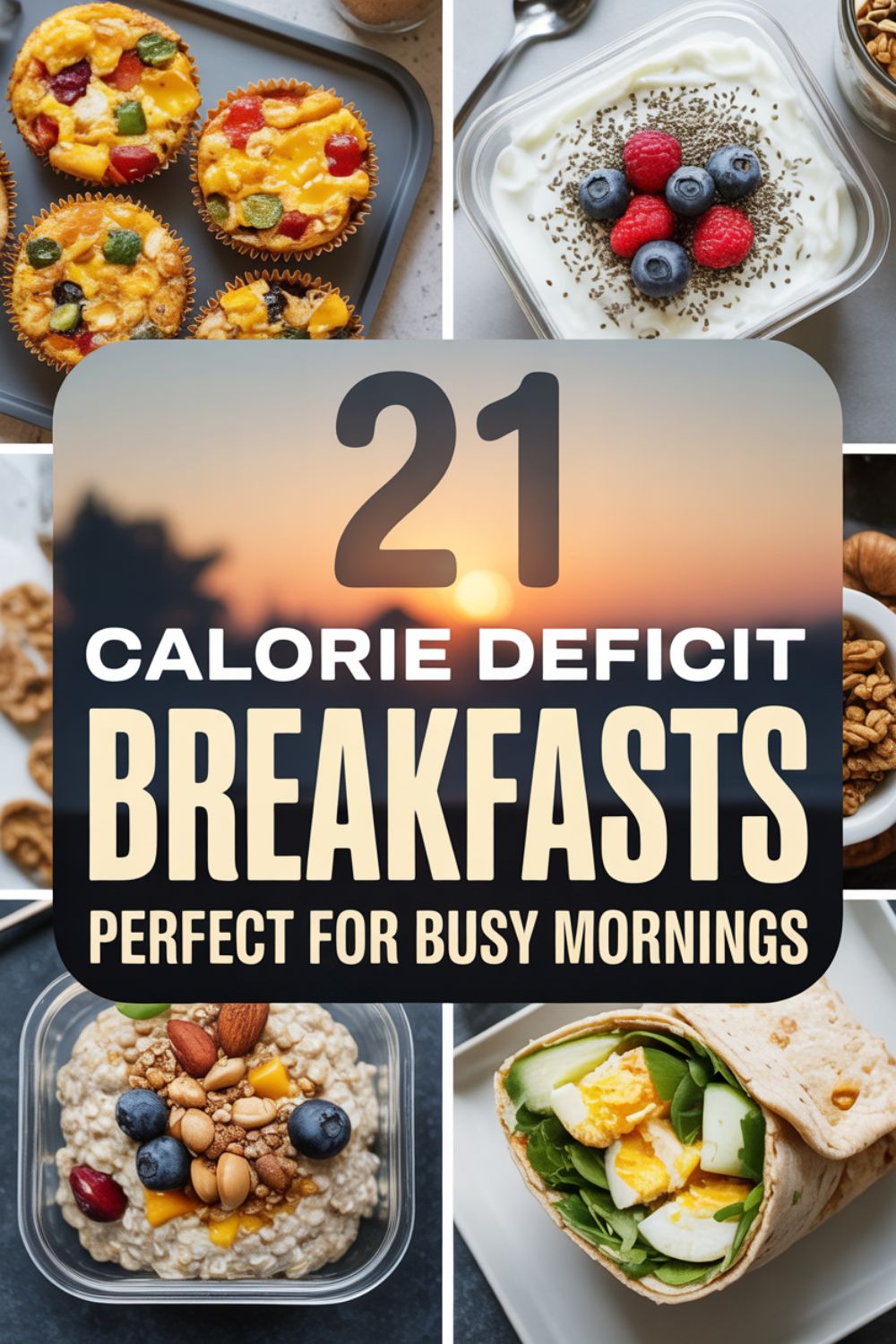
Why Your Current Breakfast Strategy Is Sabotaging Your Results
Most people approach breakfast in a calorie deficit completely backwards. They either skip it entirely (hello, metabolic confusion) or grab something that’s technically low-calorie but nutritionally bankrupt. A rice cake with a sad schmear of fat-free cream cheese? That’s not breakfast, that’s a cry for help.
The science is pretty clear on this: protein at breakfast significantly impacts your appetite hormones throughout the entire day. We’re talking about actual hormonal changes that make you less likely to faceplant into a bag of chips at 3 PM.
Research published in the journal Obesity showed that people who consumed a high-protein breakfast reduced their daily caloric intake and actually prevented body fat gain over a 12-week period. The control group? They gained fat. Same calorie deficit, different breakfast strategy, completely different results.
The Non-Negotiable Formula for Calorie Deficit Breakfasts
Here’s the deal: every single breakfast on this list follows the same basic formula. You need protein (minimum 20-30g), you need fiber (at least 5g), and you need some healthy fats to keep everything running smoothly. Miss any one of these, and you’re basically setting yourself up for failure.
Protein: Your Secret Weapon Against Hunger
Your body literally burns more calories digesting protein than it does processing carbs or fats. It’s called the thermic effect of food, and protein’s thermic effect is roughly 20-30% compared to 5-10% for carbs and basically zero for fats. Translation? You’re burning calories just by eating the right breakfast.
Plus, protein keeps you full. Like, actually full. Not “I’ll just have a little snack” full, but “I genuinely don’t need to eat for the next four hours” full. That’s the difference between staying in your deficit and accidentally eating your way through 800 extra calories before lunch.
Fiber: The Unsung Hero
Fiber slows down digestion, which means your blood sugar doesn’t spike and crash like it’s on a rollercoaster. Stable blood sugar means stable energy and stable hunger cues. Wild concept, right?
If you’re constantly hungry in a calorie deficit, I’d bet money your fiber intake is trash. Most people need 25-35g daily and get maybe half that. Your breakfast should contribute at least 5-8g to that total.
Speaking of staying satisfied throughout your day, you might want to check out these high-protein, low-calorie meals that complement your breakfast perfectly.
21 Calorie Deficit Breakfasts That Don’t Feel Like Dieting
1. Protein-Packed Overnight Oats (320 calories)
Mix 1/2 cup oats with 1 scoop vanilla protein powder, 1 cup unsweetened almond milk, 1 tbsp chia seeds, and 1/2 cup berries. Prep it the night before in one of these glass meal prep containers and grab it on your way out the door.
The protein powder is key here. Regular overnight oats might have 5g of protein if you’re lucky. This version packs 30g, which keeps you full until lunch. I use this vanilla whey protein because it actually tastes good and doesn’t get chalky when it sits overnight.
2. Veggie-Loaded Egg White Scramble (280 calories)
Five egg whites scrambled with spinach, tomatoes, mushrooms, and bell peppers. Add 1/4 avocado on the side and serve with one slice of whole grain toast. This is my go-to when I need something hot and filling.
Pro move: use this non-stick skillet so you don’t need to add oil. Saves you about 120 calories right there, and cleanup takes like 30 seconds.
3. Greek Yogurt Power Bowl (295 calories)
1 cup plain Greek yogurt (the full-fat kind, trust me), topped with 1/4 cup granola, 1/2 sliced banana, 1 tbsp almond butter, and a sprinkle of cinnamon. Mix it all together and you’ve got dessert for breakfast that keeps you in a deficit.
The almond butter is important. It adds healthy fats that slow digestion and make this bowl actually satisfying. Skip the almond butter and you’ll be hungry in an hour. Science.
4. Cottage Cheese Pancakes (310 calories)
Blend 1/2 cup cottage cheese, 1/2 cup oats, 2 whole eggs, 1 scoop protein powder, and cinnamon. Cook like regular pancakes using a griddle like this one. Top with 1/2 cup berries and a drizzle of sugar-free syrup.
These are legitimately good. Like, your non-dieting friends will eat them good. Make a double batch and freeze them. Pop them in the toaster on busy mornings and you’re set.
5. Smoked Salmon and Avocado Toast (315 calories)
One slice sprouted grain bread, 1/4 mashed avocado, 2 oz smoked salmon, capers, red onion, and a squeeze of lemon. Fancy, filling, and under 320 calories.
The salmon gives you protein and omega-3s, the avocado provides healthy fats, and the sprouted grain bread adds fiber. It’s like the holy trinity of breakfast foods decided to collaborate.
If you’re looking for more creative ways to stay in a deficit, these low-calorie lunch ideas and dinner recipes under 350 calories will keep your meal planning interesting all day long.
6. Breakfast Burrito Bowl (340 calories)
3 scrambled eggs, 1/4 cup black beans, 2 tbsp salsa, 1 oz shredded cheese, and a handful of spinach over cauliflower rice. Add hot sauce because life’s too short for bland food.
The cauliflower rice bulks this up without adding significant calories. You get volume, which psychologically makes you feel like you’re eating more. Your brain doesn’t know it’s being tricked.
7. Protein Smoothie That Doesn’t Suck (290 calories)
1 scoop chocolate protein powder, 1 cup unsweetened almond milk, 1/2 frozen banana, 1 cup spinach (you won’t taste it, I promise), 1 tbsp peanut butter, and ice. Blend in this blender that actually crushes ice instead of just moving it around.
This is what I drink when I literally cannot be bothered to chew. It’s liquid calories but done right, with enough protein and fats to keep you satisfied.
8. Savory Oatmeal with Egg (305 calories)
Cook 1/2 cup oats in chicken or vegetable broth instead of water. Top with a fried egg, everything bagel seasoning, and sautéed mushrooms. Sounds weird, tastes amazing.
Savory oatmeal is criminally underrated. If you’re tired of sweet breakfasts, this will change your entire morning routine. The egg yolk creates this creamy sauce when you break it that’s just chef’s kiss.
9. Chia Seed Pudding (280 calories)
Mix 3 tbsp chia seeds with 1 cup unsweetened coconut milk, 1/2 scoop vanilla protein powder, and stevia to taste. Let it sit overnight. Top with 1/4 cup berries and 1 tbsp sliced almonds.
Chia seeds expand and create this pudding-like texture that’s genuinely satisfying. Plus, they’re loaded with fiber and omega-3s. Store them in these small jars for perfect grab-and-go portions.
10. Turkey Sausage and Veggie Hash (325 calories)
2 turkey sausage links diced and sautéed with bell peppers, onions, and zucchini. Season with paprika and garlic powder. Top with one fried egg if you have the calories to spare.
The turkey sausage gives you that savory, satisfying flavor without the calorie bomb of regular pork sausage. And vegetables for breakfast? Revolutionary, I know.
For more inspiration, you might love these calorie deficit breakfast ideas or these high-protein breakfast options that are specifically designed to keep you full and energized.
11. Almond Butter Banana Toast (295 calories)
One slice whole grain bread, 1 tbsp almond butter, 1/2 sliced banana, and a sprinkle of cinnamon. Simple, effective, delicious.
This hits the sweet spot between carbs for energy and protein/fats for satiety. It’s what I make when I want something comforting but need to stay on track.
12. Breakfast Egg Muffins (240 calories for 3 muffins)
Whisk 8 eggs with diced vegetables and pour into a silicone muffin pan. Bake at 350°F for 20 minutes. Make a dozen on Sunday and you’ve got breakfast for the week.
These reheat perfectly in the microwave. Thirty seconds and you’ve got hot breakfast. There’s literally no excuse to skip breakfast when these are in your fridge.
13. Protein Waffles (300 calories)
Mix 1 scoop protein powder, 1/2 cup oat flour, 1 egg, 1/2 cup unsweetened applesauce, and baking powder. Cook in a waffle maker. Top with sugar-free syrup and 1/4 cup berries.
Waffles in a calorie deficit. Living the dream. The applesauce keeps them moist without adding oil, and the protein powder makes them actually filling.
14. Tofu Scramble (270 calories)
Crumble firm tofu and sauté with turmeric, nutritional yeast, spinach, tomatoes, and black pepper. Serve with salsa. Perfect for plant-based eaters or anyone who wants to switch things up.
The turmeric gives it that eggy yellow color, and nutritional yeast adds a cheesy flavor. You won’t miss the eggs, honestly.
15. Apple Cinnamon Quinoa Bowl (310 calories)
Cook 1/2 cup quinoa in unsweetened almond milk with cinnamon. Top with diced apple, 1 tbsp chopped walnuts, and a drizzle of honey. Warm, filling, and slightly different from your usual oatmeal routine.
Quinoa has more protein than oats and a different texture that keeps breakfast interesting. Plus, it’s gluten-free if that matters to you.
16. Ricotta Toast with Berries (285 calories)
One slice whole grain toast topped with 1/4 cup part-skim ricotta, 1/2 cup mixed berries, and a tiny drizzle of honey. It’s like eating cheesecake for breakfast without the guilt.
Ricotta is underrated in the breakfast world. It’s creamy, high in protein, and pairs perfectly with fruit. This is what I make when I want something that feels indulgent.
17. Breakfast Quesadilla (330 calories)
One low-carb tortilla filled with 2 scrambled eggs, 1 oz cheese, and salsa. Cook in a pan until crispy. Cut into triangles and dip in Greek yogurt mixed with hot sauce.
Handheld breakfast that you can eat in the car if necessary. Not that I’m encouraging eating while driving, but like, sometimes life happens.
18. Chocolate Peanut Butter Protein Oats (315 calories)
Cook 1/2 cup oats with water, stir in 1 scoop chocolate protein powder and 1 tbsp powdered peanut butter. Top with sliced banana. It’s basically a Reese’s cup in a bowl.
Powdered peanut butter is a game-changer in a calorie deficit. All the flavor, fraction of the calories. Keep a jar of this in your pantry at all times.
19. Veggie Frittata Slice (260 calories)
Make a big frittata with 8 eggs, tons of vegetables, and a little cheese. Bake it, slice it, store it. One slice is a perfect breakfast that reheats in seconds.
This is meal prep gold. One frittata gives you four breakfasts, and you can mix up the vegetables based on what’s in your fridge.
20. Protein Crepes (290 calories)
Blend 2 eggs, 1 scoop protein powder, and a splash of milk until smooth. Pour thin layers into a hot non-stick pan. Fill with 1/4 cup berries and 2 tbsp Greek yogurt.
Crepes sound fancy but they’re literally just really thin pancakes. And when you’re eating fancy French breakfast food in a calorie deficit, you feel like you’re winning at life.
21. Breakfast Salad (275 calories)
Mixed greens, 2 hard-boiled eggs, 1 oz feta cheese, cherry tomatoes, cucumber, and balsamic vinegar. Yes, salad for breakfast. Don’t knock it until you try it.
Sometimes you want something fresh and light in the morning, especially if you’re eating breakfast later. This hits different on a hot summer morning.
Meal Prep Essentials Used in These Recipes
After making these breakfasts approximately 10,000 times, here’s what actually makes the process easier:
Physical Products:- Glass meal prep containers with snap lids – For overnight oats, chia pudding, and storing egg muffins. The glass ones don’t stain and you can see what’s inside.
- High-powered blender – Worth every penny for smoothies and protein pancake batter. Cheap blenders leave chunks.
- Silicone muffin pan – Egg muffins pop out perfectly without spray. Game-changer.
- Macro tracking app – Because guessing your portions is how you accidentally eat 500 extra calories. FYI, most people underestimate their intake by about 30%.
- Meal planning template – Plan your week of breakfasts in advance. Sarah from our community tried this and lost 15 pounds in 3 months just by staying consistent with breakfast.
- Calorie deficit calculator – Figure out your actual numbers instead of randomly picking 1200 calories because that’s what some magazine said.
Join the community: Connect with others who are making these recipes and sharing tips in our WhatsApp group for meal prep strategies and recipe swaps.
Looking for more ways to maximize your calorie deficit without suffering? Check out these low-calorie meals under 300 calories or explore this 7-day meal plan that takes all the guesswork out of what to eat.
The Meal Prep Strategy That Actually Works
Here’s the truth about meal prep: you don’t need to spend your entire Sunday cooking. That’s exhausting and unsustainable. Instead, prep components, not full meals.
Spend one hour on Sunday doing this: hard-boil a dozen eggs, cook a batch of turkey sausage, wash and chop vegetables, portion out Greek yogurt into containers, and mix up overnight oats for the week. Store everything in these airtight containers so it stays fresh.
Now, every morning, you’re just assembling, not cooking from scratch. Five minutes max. That’s the difference between actually eating these breakfasts versus defaulting to a granola bar because you’re running late.
Why You’re Still Hungry (And How to Fix It)
If you’re eating these breakfasts and still ravenous an hour later, something’s off. Usually it’s one of three things:
Not enough protein. Go back and actually measure. That scoop of protein powder you’re eyeballing? It’s probably half the serving size. Use a food scale and be honest with yourself.
You’re drinking your calories too fast. Smoothies are convenient, but your brain doesn’t register liquid calories the same way it does solid food. If smoothies leave you hungry, switch to something you chew.
Your deficit is too aggressive. A 1000-calorie deficit sounds great until you’re miserable and bingeing every weekend. A moderate deficit you can stick with beats an extreme deficit you abandon after two weeks. Every. Single. Time.
Tools & Resources That Make Everything Easier
These aren’t sponsored recommendations, just stuff that genuinely makes staying in a calorie deficit less annoying:
Kitchen Tools:- Digital food scale – Stop guessing portions. Seriously, stop it.
- Instant-read thermometer – For cooking eggs perfectly every time without overcooking them into rubber.
- Portable blender bottle – For when you need to mix protein shakes on the go without chunks.
- Recipe calculator – Plug in your ingredients and get exact macros instead of approximating.
- Grocery list app – Organized by store section so you’re not wandering around like a lost tourist.
- Progress tracking spreadsheet – Because what gets measured gets managed.
Community support: Join our WhatsApp group where we share weekly meal plans, answer questions, and keep each other accountable. Because doing this alone is harder than it needs to be.
If you’re serious about this calorie deficit thing, you might want to dive into how to actually lose weight on 1200-1500 calories without feeling like you’re starving yourself, or check out whether 1200 or 1500 calories is right for you.
Common Breakfast Mistakes That Stall Progress
After helping dozens of people dial in their breakfast game, I’ve seen the same mistakes over and over. Let’s fix them now:
The coffee creamer catastrophe. That “splash” of creamer? It’s 200 calories. Switch to unsweetened almond milk or learn to drink it black. Your deficit will thank you.
The granola trap. Granola is not health food. It’s candy with oats. One serving is like 1/4 cup and contains 150 calories. Nobody eats 1/4 cup of granola. Nobody.
The liquid calorie blindness. That morning juice? 120 calories of sugar with zero satiety. Eat an actual orange instead and save yourself 80 calories.
The fear of fat. Fat doesn’t make you fat, excessive calories do. That 1/4 avocado or tablespoon of almond butter will keep you full way longer than another handful of rice cakes.
When Breakfast Just Isn’t Happening
Some mornings are absolutely chaos. The dog threw up, you can’t find your keys, and breakfast is not in the cards. Here’s your emergency plan:
Keep protein bars in your car, your desk, and your bag. Not the sugar-bomb kind, but actual protein bars with at least 15g protein. I keep these ones everywhere because they don’t melt and don’t taste like cardboard.
Pre-make smoothie packs. Portion out your smoothie ingredients into freezer bags. When morning hits, dump the bag into the blender with milk and protein powder. Sixty seconds and you’re done.
Accept that perfect is the enemy of good. A protein bar and an apple is infinitely better than skipping breakfast entirely and then destroying a box of donuts at 11 AM.
Frequently Asked Questions
Can I eat the same breakfast every day in a calorie deficit?
Absolutely, and honestly, it might make your life easier. Eating the same breakfast removes decision fatigue and makes tracking calories mindless. Just make sure that one breakfast is nutritionally complete with adequate protein, fiber, and healthy fats. The only downside is potential boredom, so maybe rotate between two or three favorites to keep things interesting.
How many calories should my breakfast be if I’m eating 1200-1500 calories daily?
Aim for 300-400 calories at breakfast, roughly 25-30% of your daily intake. This gives you enough fuel to start your day strong while leaving calories for satisfying lunch and dinner. IMO, going too low at breakfast just sets you up to overeat later. Your breakfast should be one of your bigger meals, not your smallest.
Is it better to skip breakfast if I’m not hungry in the morning?
If you genuinely aren’t hungry, don’t force it. Intermittent fasting works well for some people. However, if you’re “not hungry” but then ravenous by 10 AM and making poor food choices, you’re better off eating a planned breakfast. Listen to your actual hunger cues, not just the clock or what some diet says.
Can I meal prep these breakfasts for the entire week?
Most of them, yes. Overnight oats, chia pudding, egg muffins, and frittatas all prep beautifully for 4-5 days. Things like scrambled eggs and toast are better made fresh, but you can prep the components. FYI, anything with avocado should be added fresh or it’ll turn brown and gross.
What if I’m still hungry after breakfast?
First, make sure you’re actually eating enough protein—minimum 25-30g. Second, check your fiber intake. Third, drink a big glass of water and wait 20 minutes before adding more food. Often we mistake thirst for hunger. If you’re still genuinely hungry after all that, your breakfast might need more volume. Add more non-starchy vegetables to bulk it up without many calories, or your overall deficit might be too aggressive.
The Bottom Line on Calorie Deficit Breakfasts
Here’s what actually matters: breakfast in a calorie deficit should keep you full, give you energy, and be something you don’t hate eating. If any one of those boxes isn’t checked, you’re not going to stick with it.
These 21 breakfasts work because they’re based on actual science about satiety and metabolism, not some influencer’s juice cleanse nonsense. They provide adequate protein to preserve muscle mass, enough fiber to keep digestion happy, and sufficient healthy fats to regulate hormones.
But none of that matters if you don’t actually make them. So start with one. Pick the breakfast that sounds most appealing, make it this week, and see how you feel. Then try another. Build a rotation of 3-5 breakfasts that work for your life, your schedule, and your tastebuds.
Weight loss isn’t about perfection. It’s about consistency with things that are good enough. These breakfasts? They’re way better than good enough. They’re actually delicious, legitimately filling, and proven to work.
Now stop overthinking it and go make breakfast.
Similar Posts
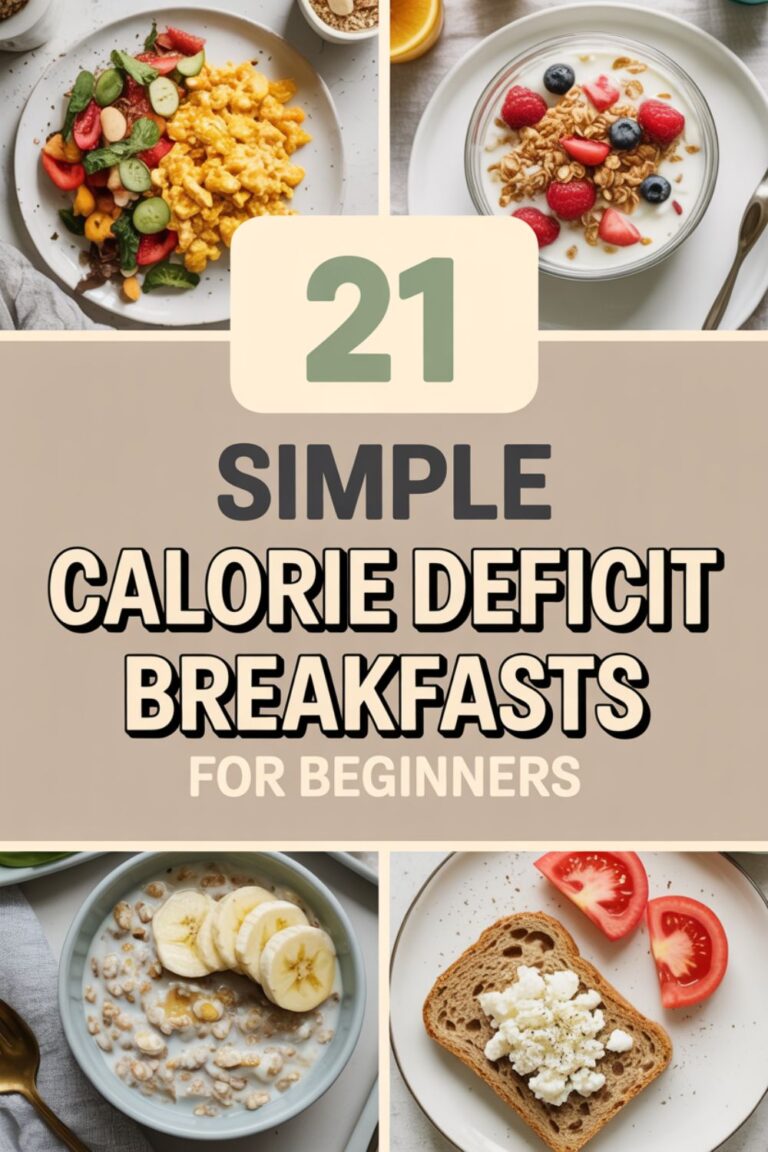
21 Simple Calorie Deficit Breakfasts for Beginners
21 Simple Calorie Deficit Breakfasts for Beginners 21 Simple Calorie Deficit Breakfasts for Beginners Look, I’m not going to sugarcoat it. Starting your weight loss journey can feel like you’re signing up for a lifetime of sad desk salads and flavorless egg whites. But here’s the thing nobody tells you: breakfast doesn’t have to suck…
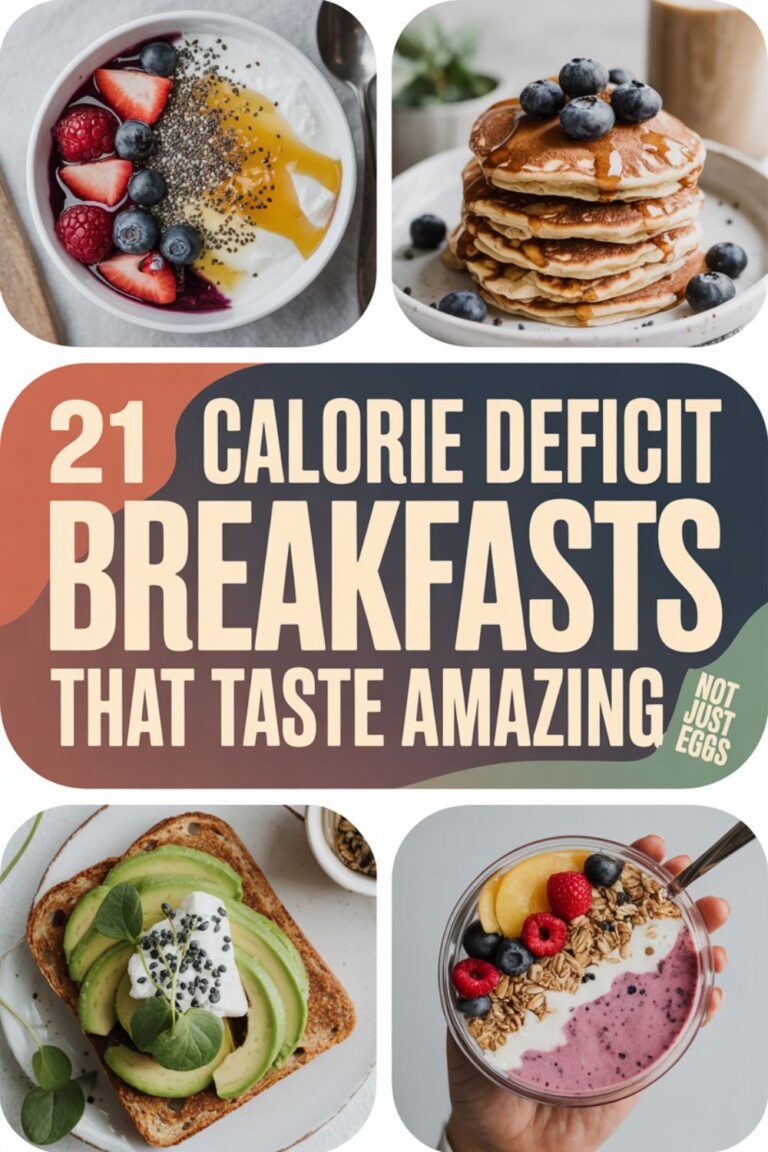
21 Calorie Deficit Breakfasts That Taste Amazing (Not Just Eggs!)
21 Calorie Deficit Breakfasts That Taste Amazing (Not Just Eggs!) 21 Calorie Deficit Breakfasts That Taste Amazing (Not Just Eggs!) Look, I get it. You’re tired of the same boring egg scramble every morning while trying to lose weight. You open the fridge, stare at those egg cartons, and think, “There’s gotta be something else.”…
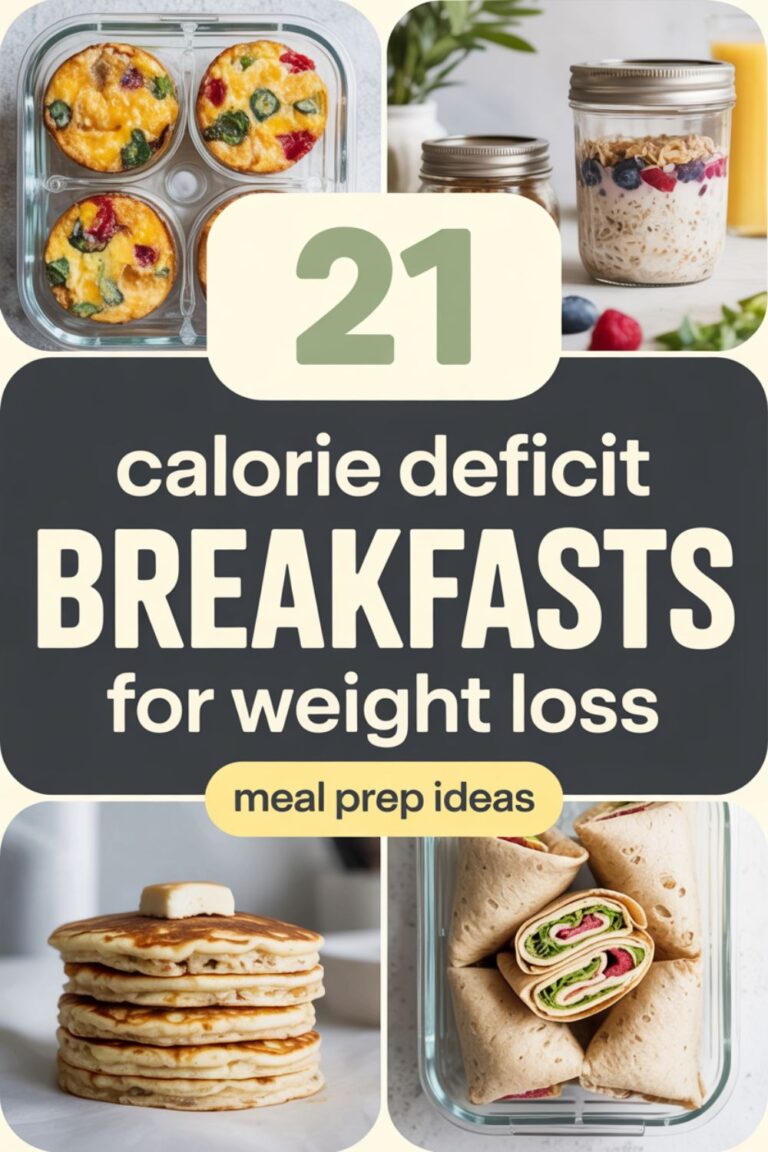
21 Calorie Deficit Breakfasts for Weight Loss + Meal Prep Ideas
21 Calorie Deficit Breakfasts for Weight Loss + Meal Prep Ideas 21 Calorie Deficit Breakfasts for Weight Loss + Meal Prep Ideas Let’s get real for a second. You’ve probably heard a million times that breakfast is the most important meal of the day. But when you’re trying to lose weight and stay in a…
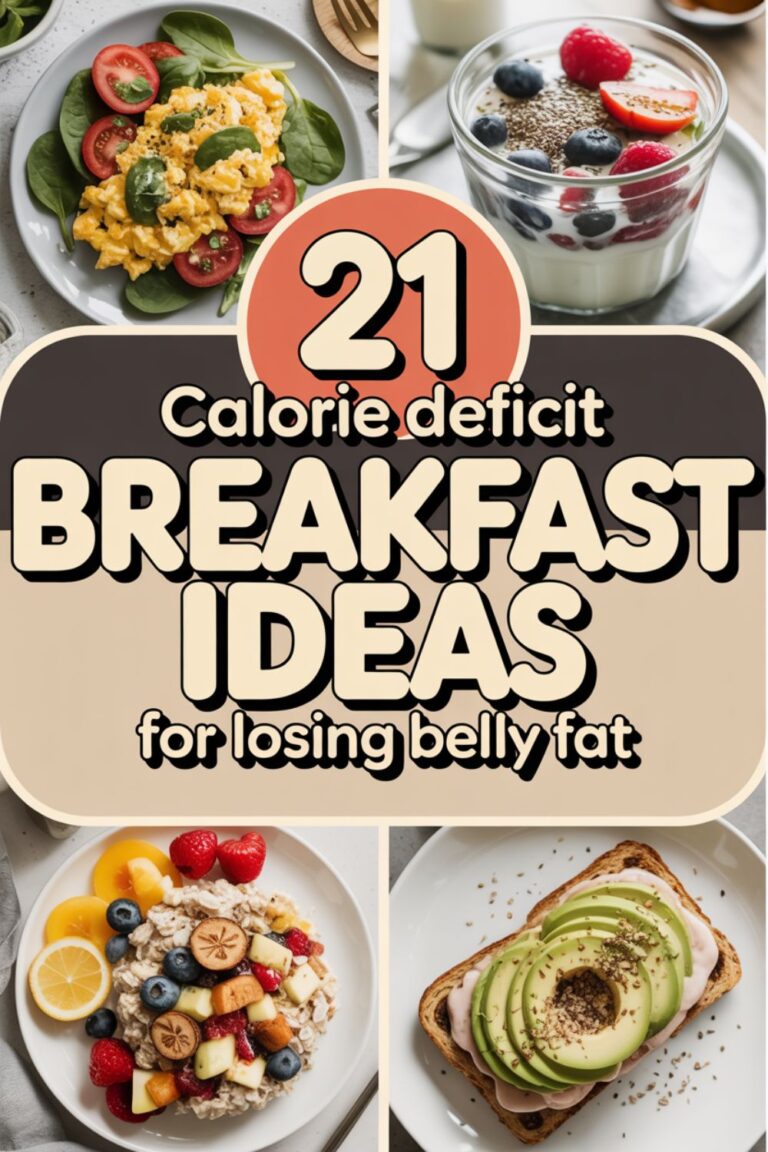
21 Calorie Deficit Breakfast Ideas for Losing Belly Fat
21 Calorie Deficit Breakfast Ideas for Losing Belly Fat 21 Calorie Deficit Breakfast Ideas for Losing Belly Fat Let’s be real—when you’re trying to lose belly fat, breakfast becomes this weird balancing act. You need something filling enough to keep you from raiding the snack drawer by 10 AM, but light enough that you’re actually…
21 Easy Calorie Deficit Breakfasts Under 300 Calories
21 Easy Calorie Deficit Breakfasts Under 300 Calories 21 Easy Calorie Deficit Breakfasts Under 300 Calories Look, I’m going to level with you right from the start. If you’ve been thinking a calorie deficit means choking down sad egg whites and plain oatmeal every morning while your stomach growls at you, we need to have…