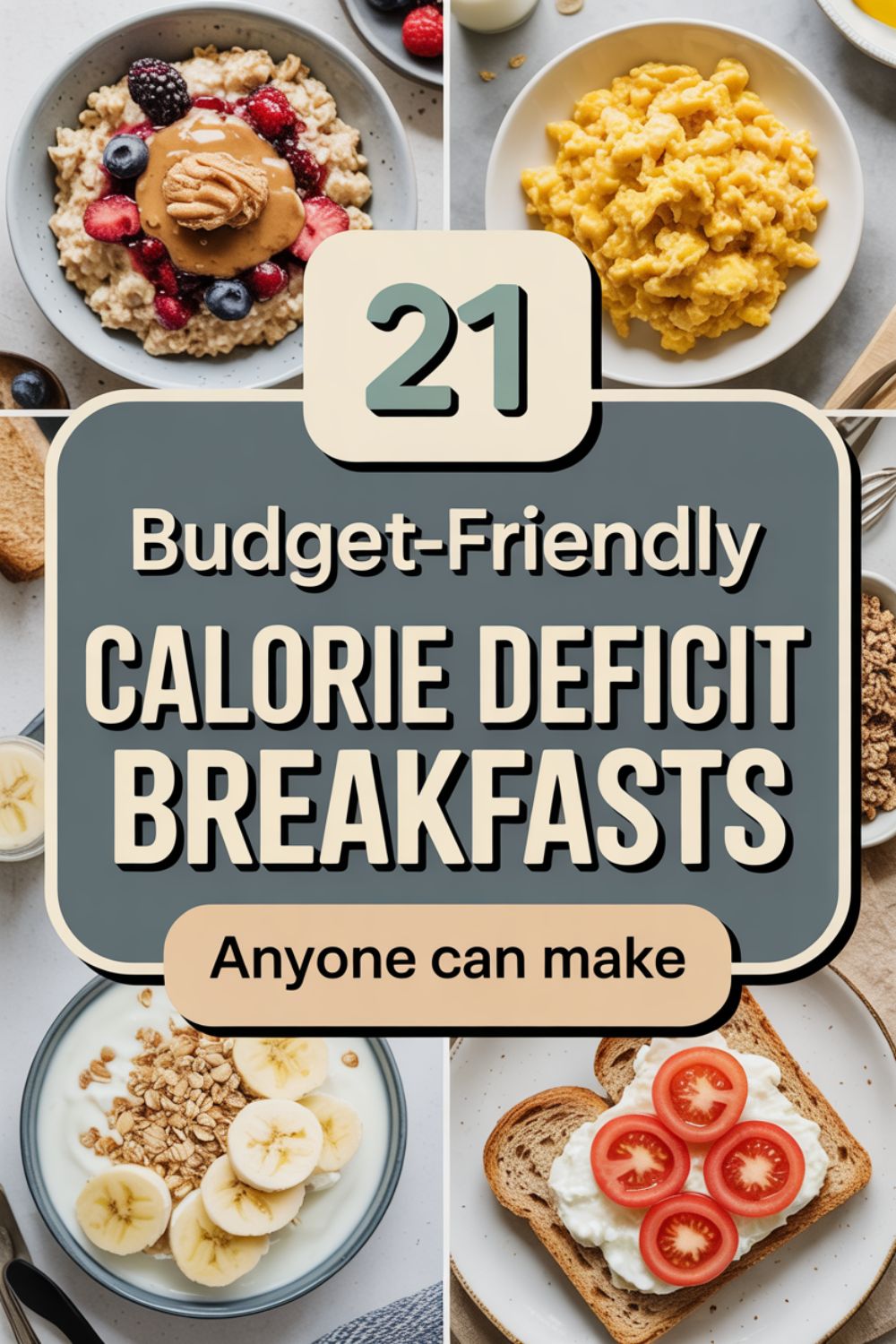
21 Budget-Friendly Calorie Deficit Breakfasts Anyone Can Make
Look, I get it. You’re trying to lose weight without spending half your paycheck at the grocery store, and every time someone says “calorie deficit,” you picture sad egg whites on dry toast. Been there, done that, bought the t-shirt that’s now too big.
Here’s the thing nobody tells you about calorie deficit breakfasts—they don’t have to suck. And they definitely don’t have to drain your wallet. I’ve spent the last three years figuring out how to make breakfasts that actually keep me full until lunch without requiring a second mortgage.
These 21 breakfast ideas cost less than your daily coffee run and won’t leave you raiding the vending machine by 10 AM. No fancy ingredients. No meal delivery services. Just real food that works.
Why Your Current Breakfast Strategy Isn’t Working
Most people mess up their calorie deficit before they even leave the house. They either skip breakfast entirely (hello, 11 AM cookie binge) or grab something that’s all carbs and zero substance.
Research from nutrition experts shows that eating a balanced breakfast with adequate protein helps reduce hunger throughout the day. It’s not magic—it’s just keeping your blood sugar stable and your hunger hormones in check.
The problem? Most budget-friendly breakfast advice tells you to eat instant oatmeal or cereal. Both will spike your blood sugar faster than a roller coaster and leave you starving two hours later.
The Budget Breakfast Formula That Actually Works
Every successful calorie deficit breakfast needs three things: protein to keep you full, fiber to slow digestion, and some healthy fats because your body needs them to function. Miss any of these, and you’re setting yourself up to fail.
I learned this the hard way after months of eating plain oatmeal and wondering why I was always hungry. Once I started adding protein powder and chia seeds, everything changed. Suddenly I could make it to lunch without thinking about food every five minutes.
Protein Sources That Won’t Destroy Your Budget
Eggs are your best friend here—cheap, versatile, and packed with nutrition. A dozen eggs costs less than a single fast-food breakfast and gives you six meals. Greek yogurt goes on sale constantly. Cottage cheese might look weird, but it’s a protein powerhouse that costs next to nothing.
Don’t sleep on beans either. A can of black beans costs under a dollar and has more protein than most people realize. Toss them in a breakfast burrito or mash them on toast with an egg on top.
Fiber Without the Price Tag
Oats, whole wheat bread, and frozen berries. That’s it. You don’t need exotic chia seeds or trendy acai bowls (though chia seeds are actually dirt cheap if you buy them in bulk, and I use this brand from Amazon all the time).
According to studies on breakfast composition and satiety, higher-fiber breakfasts help reduce the desire to snack later in the day. Your wallet and your waistline will thank you.
Looking for more ways to structure your meals throughout the day? Check out these 7-day meal plans that include breakfast, lunch, and dinner for complete calorie control.
21 Breakfasts That Cost Less Than $2 Per Serving
Let’s get into the actual recipes. I’ve organized these by prep time because I know you’re not waking up an hour early to make breakfast. Some you can literally throw together in two minutes. Others need five minutes of weekend prep.
Zero-Prep Morning Solutions (Under 5 Minutes)
1. The Protein Powerhouse Yogurt Bowl
Mix 1 cup plain Greek yogurt with a handful of frozen berries (microwave them for 30 seconds if you want them warm), sprinkle with a tablespoon of granola, and drizzle with a tiny bit of honey. 220 calories, 22g protein. Cost: about $1.50.
Pro move: buy the big tub of plain yogurt instead of individual flavored cups. You’ll save three bucks every time and control the sugar yourself.
2. Cottage Cheese Toast Explosion
Toast a slice of whole wheat bread, spread ½ cup cottage cheese on top, add sliced tomatoes or cucumber, and hit it with everything bagel seasoning. Sounds weird, tastes incredible. 250 calories, 18g protein. Get Full Recipe
I grab this silicone toast mat for easy cleanup—no buttering the pan means fewer dishes and calories.
3. The Emergency Protein Shake
One scoop protein powder, one banana, handful of spinach (trust me, you won’t taste it), cup of milk or almond milk, handful of ice. Blend. Done. 280 calories, 25g protein.
Use this affordable blender that actually crushes ice properly without sounding like a jet engine.
4. Microwave Scrambled Eggs
Two eggs in a microwave-safe mug, whisk with a fork, add a handful of shredded cheese and pre-chopped veggies, microwave for 90 seconds. Stir. Another 30 seconds. Perfect scrambled eggs with zero pan cleanup. 240 calories, 18g protein.
5. Peanut Butter Banana Wrap
Whole wheat tortilla, two tablespoons peanut butter, one sliced banana, sprinkle of cinnamon. Roll it up. That’s breakfast. 320 calories, 12g protein. Tastes like dessert.
For those watching carbs more carefully, these low-carb breakfast options might be more your speed.
Five-Minute Weekend Prep Champions
6. Overnight Oats (The Right Way)
Mix ½ cup oats, ½ cup milk, scoop of protein powder, tablespoon chia seeds, and berries in a jar. Refrigerate overnight. In the morning, you have breakfast that tastes like dessert for 310 calories and 28g protein. Get Full Recipe
I use these mason jars to make five servings at once. Breakfast sorted for the entire week.
7. Egg Muffin Cups
Whisk 8 eggs with veggies and cheese, pour into a muffin tin, bake at 350°F for 20 minutes. Makes 12 muffins. Grab two in the morning and go. 160 calories per serving, 14g protein. Keep them in the fridge for five days or freeze them.
According to research published in The American Journal of Clinical Nutrition, eating eggs for breakfast promotes greater satiety compared to carb-heavy meals with the same calories.
8. DIY Breakfast Burritos
Scramble eggs with black beans, cheese, and salsa. Wrap in whole wheat tortillas. Make a batch of six, wrap them in foil, freeze them. Microwave for 90 seconds when you need them. 340 calories, 20g protein each.
9. Protein-Packed Chia Pudding
Mix 3 tablespoons chia seeds, 1 cup milk, scoop of vanilla protein powder, and a touch of maple syrup. Let it sit overnight. Top with whatever fruit you have. 290 calories, 25g protein.
10. Apple Cinnamon Baked Oatmeal
Mix 2 cups oats, 2 cups milk, 2 eggs, diced apple, cinnamon, and a bit of honey. Bake in a dish for 30 minutes. Cut into squares. Reheat one square each morning. 250 calories per serving, 10g protein.
Need more morning variety? These low-calorie breakfast ideas will give you even more options.
The “I Actually Have Time on Weekends” Options
11. Veggie-Loaded Frittata
Whisk 8 eggs with sautéed vegetables (onions, peppers, spinach—whatever’s on sale), pour into a cast-iron skillet, bake at 375°F for 25 minutes. Slice it into portions. Each wedge: 200 calories, 15g protein. Reheats beautifully. Get Full Recipe
A good cast-iron skillet is worth the investment—it goes from stovetop to oven and lasts forever.
12. Sweet Potato Hash with Eggs
Dice sweet potato, cook with onions and bell peppers until crispy, top with a fried egg. The crunch, the runny yolk, the satisfaction—all for 310 calories and 16g protein.
13. Banana Protein Pancakes
Mash one banana, mix with two eggs and a scoop of protein powder. Cook like regular pancakes. Makes about 6 small pancakes. 280 calories total, 28g protein. FYI, these freeze perfectly.
14. Savory Oatmeal Bowl
Cook oats in chicken broth instead of water, top with a soft-boiled egg, avocado slices, and everything bagel seasoning. I know it sounds strange, but savory oatmeal is a game changer. 340 calories, 18g protein.
15. Greek Yogurt Protein Waffles
Mix Greek yogurt with eggs, oats, and baking powder. Pour into a waffle maker. These crisp up beautifully and you can make a huge batch for the freezer. 250 calories per waffle, 15g protein.
Speaking of waffles, this budget waffle maker is under $20 and works perfectly.
If you’re prepping multiple meals at once, check out these cheap meal prep recipes that extend beyond breakfast.
Meal Prep Essentials Used in This Plan
Here’s what actually makes budget breakfast meal prep easier:
- Glass Meal Prep Containers Set – Seriously, get the glass ones. Plastic stains and gets gross. These go from fridge to microwave without any weird smells.
- Mason Jar 6-Pack – Perfect for overnight oats and chia pudding. The wide mouth makes eating easier, and they’re dishwasher safe.
- Silicone Muffin Pan – No sticking, no paper liners, no scrubbing. Game changer for egg muffins.
- Digital Meal Planner (PDF Template) – Track what you’re making and when. Sounds boring, but it stops you from buying the same ingredients twice.
- Budget Grocery Shopping Guide – Breaks down cost per serving for common breakfast ingredients so you know what’s actually cheap.
- Quick Breakfast Recipe E-book (50+ recipes) – Every recipe under 300 calories and $2 per serving.
Toast & Sandwich Innovation
16. Avocado Egg Toast
Mash ½ avocado on whole grain toast, top with a fried egg, sprinkle with red pepper flakes and salt. The classic for a reason. 290 calories, 14g protein.
17. Ricotta & Berry Toast
Spread ricotta cheese on toast, add sliced strawberries, drizzle with a tiny bit of balsamic glaze. Tastes fancy, costs pennies. 240 calories, 12g protein.
18. Breakfast Quesadilla
Scrambled eggs, cheese, salsa between two whole wheat tortillas. Cook in a pan until crispy. Cut into wedges. 320 calories, 22g protein. Get Full Recipe
The “I’m Barely Awake” Final Three
19. Instant Pot Steel-Cut Oats
Throw oats, water, and cinnamon in an Instant Pot before bed. Set the timer. Wake up to perfectly cooked oats. Add protein powder and fruit. 310 calories, 20g protein.
If you’re investing in any kitchen tool for meal prep, make it an Instant Pot. It pays for itself in time saved.
20. Loaded Breakfast Smoothie Bowl
Blend frozen banana, berries, protein powder, and minimal liquid to make it thick. Pour into a bowl, top with granola and more berries. Eat it with a spoon like ice cream. 340 calories, 26g protein.
21. No-Cook Protein Boxes
Hard-boiled eggs, cheese cubes, whole grain crackers, apple slices. Pack it like a lunchable for adults. Nothing to cook, nothing to heat. 300 calories, 18g protein.
For complete daily eating plans that include these breakfast ideas, check out this 14-day budget-friendly meal plan.
The Real Talk About Staying in a Calorie Deficit
Nobody wants to hear this, but eating in a calorie deficit is uncomfortable sometimes. Not painful, not miserable, but definitely not as easy as eating whatever you want whenever you want it.
The trick is making that discomfort as minimal as possible. That’s where these breakfasts come in—they’re designed to keep you satisfied on fewer calories. Healthline’s nutrition research confirms that starting your day with protein and fiber helps control appetite for hours.
I’ve had people tell me they can’t believe these breakfasts are “diet food.” That’s kind of the point. When you’re eating real food that actually fills you up, it doesn’t feel like deprivation.
How to Actually Stick With It
The reason most people fail at eating breakfast in a calorie deficit isn’t because they lack willpower. It’s because they make it too complicated and too expensive. You don’t need seventeen different spices or imported superfoods.
Your Weekly Breakfast Rotation Strategy
Pick three breakfasts from this list. Make them for a week. That’s it. Don’t try to eat something different every single day—you’ll burn out from decision fatigue before you burn any actual fat.
I rotate between overnight oats, egg muffins, and protein smoothies. Three options. That’s all I need. Some weeks I swap one out if I get bored, but usually, I don’t even think about it.
When you’re planning your entire day’s meals, these 30-day low-calorie plans take the guesswork out of what to eat next.
The Grocery List You Actually Need
Eggs, Greek yogurt, cottage cheese, oats, whole wheat bread, frozen berries, bananas, spinach, cheese, black beans, and protein powder. That’s your foundation. Everything else is optional seasoning and variety.
IMO, buying frozen berries instead of fresh saves you about ten bucks a week and they taste identical once they’re mixed into yogurt or oatmeal. Nobody’s winning awards for fresh blueberries in their protein shake.
For ingredient alternatives and dairy-free swaps, this guide on choosing the right calorie target covers how to adjust recipes for different dietary needs.
Tools & Resources That Make Cooking Easier
You don’t need a fancy kitchen, but these items genuinely help:
- Digital Kitchen Scale – Stop guessing portions. This is crucial for staying in a deficit. Costs $12, lasts forever.
- Mini Food Processor – For chopping vegetables, making sauces, blending smoothie add-ins. Way faster than knife work.
- Egg Cooker – Makes perfect hard-boiled eggs without watching a pot. Set it and forget it.
- Printable Calorie Deficit Breakfast Guide – All 21 recipes with calorie counts, macros, and shopping lists in one downloadable PDF.
- Weekly Meal Prep Checklist – Step-by-step Sunday prep routine that takes under an hour.
- Budget Breakfast Swaps Cheat Sheet – When you can’t find an ingredient or need something cheaper, this shows you what works instead.
Want to connect with others doing the same thing? Join our WhatsApp community for daily breakfast ideas and budget shopping tips.
What Nobody Tells You About Morning Hunger
Your hunger hormones are weird in the morning. Sometimes you wake up starving, sometimes you can’t even think about food. Both are normal.
If you’re not hungry first thing, wait an hour. But don’t skip breakfast entirely and then wonder why you’re eating everything in sight by noon. Your body needs fuel, especially if you’re in a calorie deficit.
On the flip side, if you’re ravenous the second you wake up, that usually means you didn’t eat enough the day before. Consider increasing your dinner portions slightly—it’s better to eat more at night and less in the morning than to start the day depleted.
For more strategies on managing hunger throughout the day, check out these filling low-calorie meals that keep you satisfied.
When “Healthy” Breakfast Goes Wrong
You know what’s not helpful? Those pinterest-perfect smoothie bowls that have 600 calories worth of toppings. Or the “clean eating” breakfast that’s just expensive marketing terms for regular oatmeal.
Health food companies love selling you overpriced versions of basic ingredients. Coconut water instead of regular water. Sprouted ancient grain bread instead of whole wheat. Grass-fed organic butter when regular butter does the same thing.
Save your money. The difference in weight loss results between fancy ingredients and regular ones is approximately zero.
If you’re trying to figure out the right calorie level for your goals, this comparison of 1200 vs 1500 calorie plans breaks down who should eat what.
Frequently Asked Questions
How many calories should my breakfast be in a calorie deficit?
Most people do well with 300-400 calories for breakfast when eating in a deficit. This gives you enough energy to start the day while leaving room for lunch, dinner, and snacks. If you’re eating 1200-1500 calories total per day, aim for breakfast to be about 25-30% of your daily intake. Don’t go below 250 calories or you’ll be hungry within an hour.
Can I skip breakfast and still lose weight?
Technically yes—weight loss comes down to total daily calories, not meal timing. However, most people who skip breakfast end up overeating later in the day because they’re too hungry to make good choices. Research shows that people who eat breakfast tend to have better appetite control throughout the day. If you genuinely prefer to skip it and it works for your schedule, that’s fine, but make sure you’re not compensating by binging at night.
What if I’m not hungry in the morning?
Wait an hour or two after waking up before eating. Your appetite hormones need time to kick in, especially if you’ve been in a fasted state overnight. Try starting with something light like a protein shake or Greek yogurt rather than forcing down a full meal. Just don’t wait so long that you get ravenous—that’s when people make poor food choices and overeat.
How much protein do I need at breakfast for weight loss?
Aim for at least 20-30 grams of protein at breakfast. This amount has been shown in multiple studies to significantly improve satiety and reduce hunger later in the day. It also helps preserve muscle mass when you’re in a calorie deficit, which is crucial for long-term weight maintenance. Good sources include eggs (6g per egg), Greek yogurt (15-20g per cup), and protein powder (20-25g per scoop).
Are these breakfasts okay for meal prep?
Absolutely—most of these recipes are designed with meal prep in mind. Overnight oats, egg muffins, baked oatmeal, and breakfast burritos all keep for 5-7 days in the fridge or up to 3 months in the freezer. Make a big batch on Sunday and you’ve got breakfast sorted for the entire week. Even the smoothies can be prepped as freezer packs—just blend with liquid each morning.
Your Breakfast Shouldn’t Be the Hard Part
Here’s what I wish someone had told me three years ago: losing weight is already hard enough. Your breakfast shouldn’t add to that stress.
These 21 options work because they’re simple, cheap, and actually taste good. You don’t need to wake up at 5 AM or spend $15 at a juice bar. You just need eggs, oats, and a basic understanding of what keeps you full.
Start with three recipes. Make them for a week. See how you feel. If you’re still hungry between breakfast and lunch, add more protein. If you’re struggling with the same meals every day, swap one out. But don’t overcomplicate it.
The best calorie deficit breakfast is the one you’ll actually make tomorrow morning. Not the one that sounds impressive on Instagram, not the one your trainer swears by, but the one that fits your budget, your schedule, and your life.
Make breakfast boring so the rest of your life doesn’t have to be. Trust me, it works.
Similar Posts
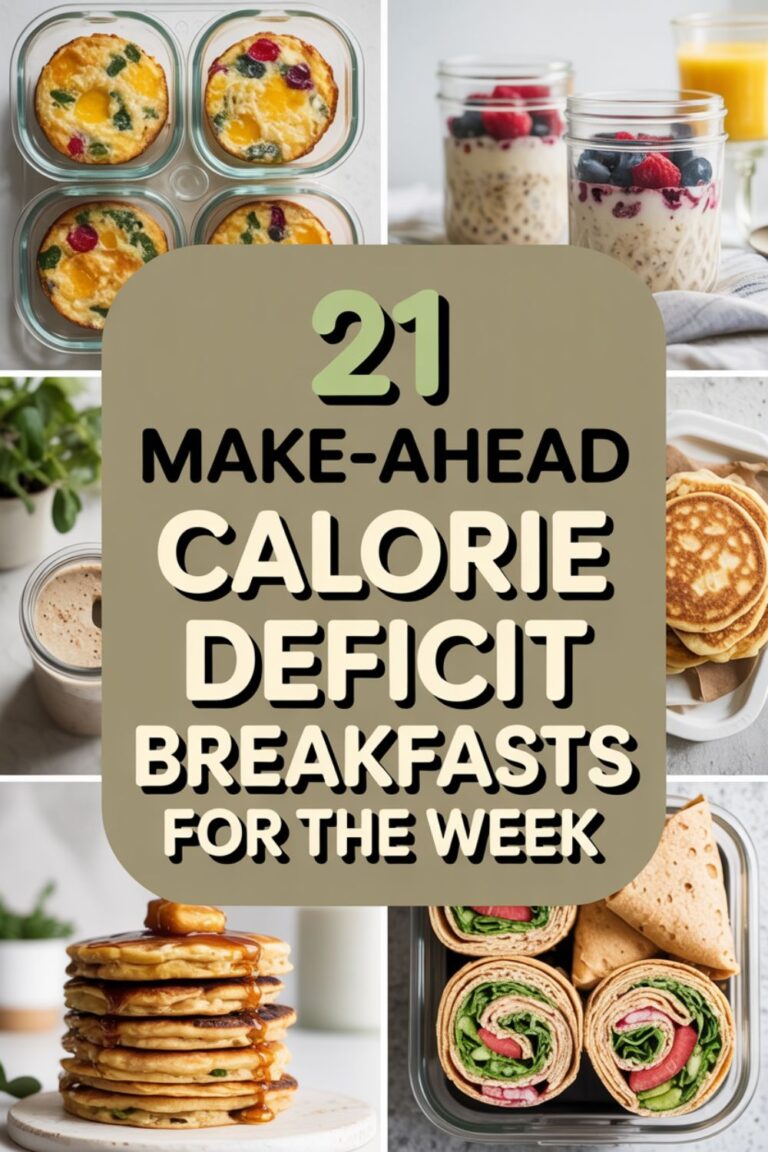
21 Make-Ahead Calorie Deficit Breakfasts for the Week
21 Make-Ahead Calorie Deficit Breakfasts for the Week 21 Make-Ahead Calorie Deficit Breakfasts for the Week Look, I’m not here to sugarcoat it—mornings are chaos. Between hitting snooze seventeen times, finding matching socks, and pretending you know where your keys are, the last thing you want to deal with is figuring out what to eat….
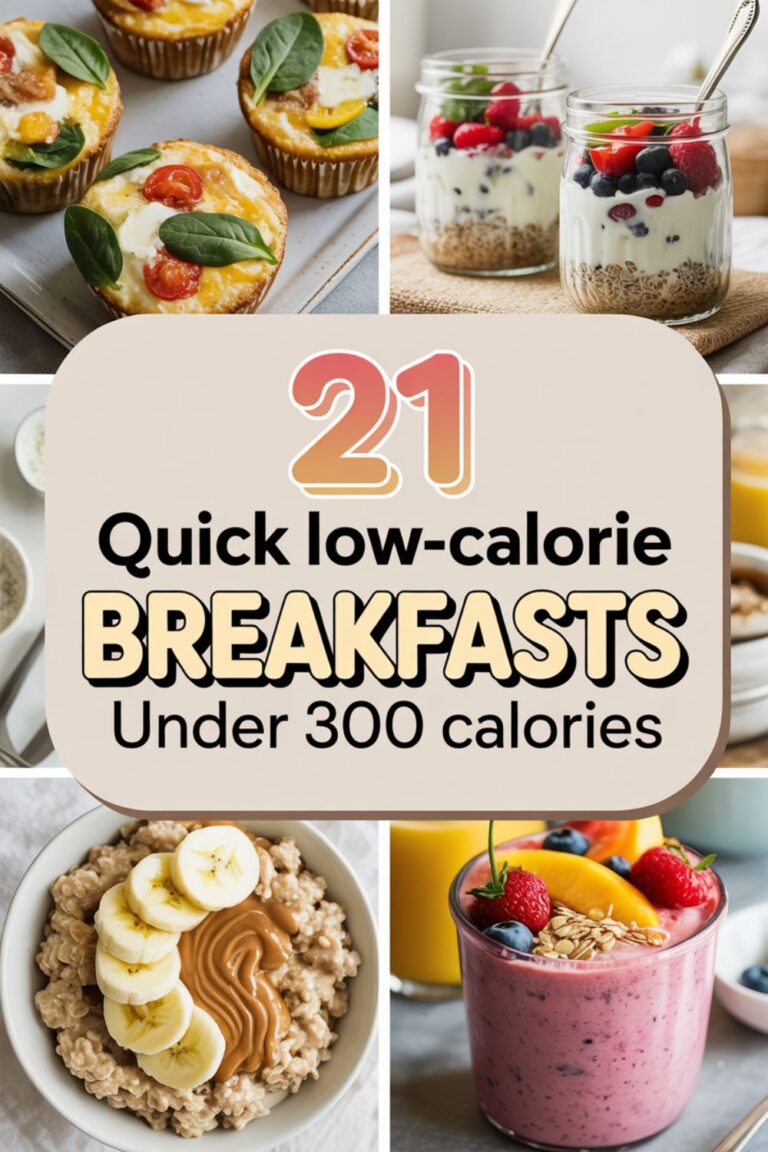
21 Quick Low-Calorie Breakfasts Under 300 Calories
21 Quick Low-Calorie Breakfasts Under 300 Calories 21 Quick Low-Calorie Breakfasts Under 300 Calories Look, I get it. You’re scrolling through breakfast ideas at 6 AM with one eye open, wondering how the heck you’re supposed to make something healthy, filling, and under 300 calories without resorting to sad desk yogurt again. Been there, survived…
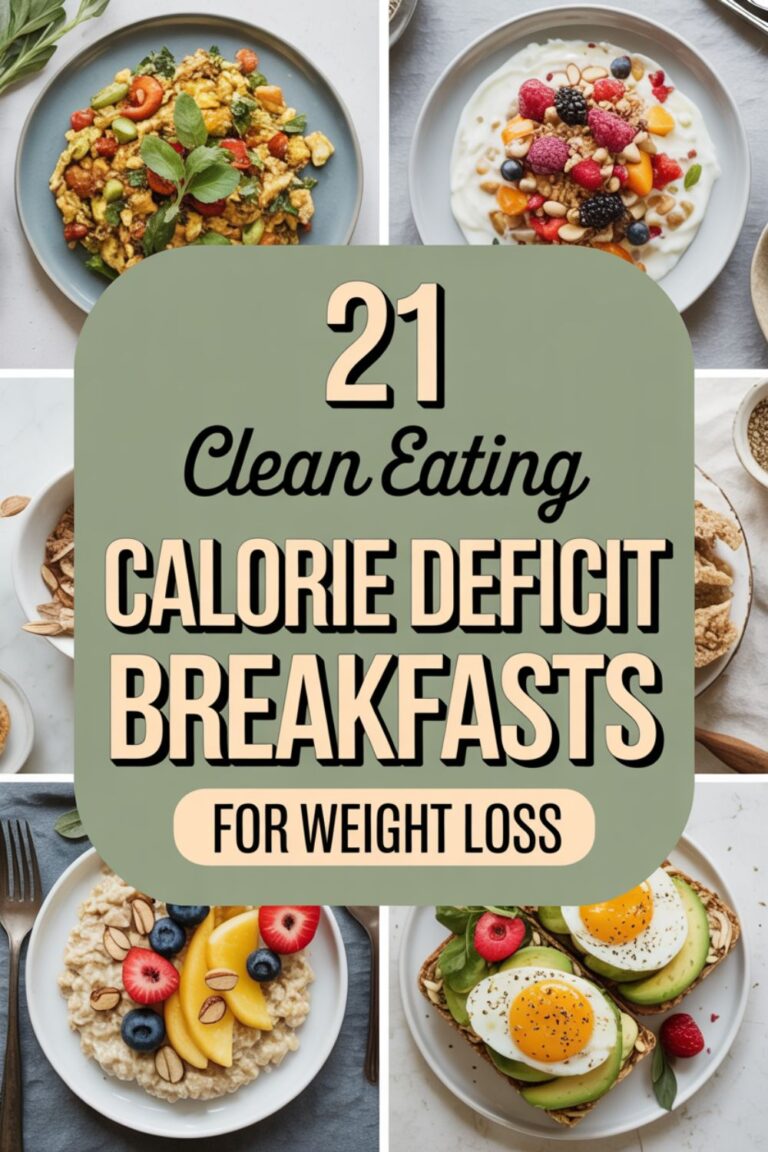
21 Clean Eating Calorie Deficit Breakfasts for Weight Loss
21 Clean Eating Calorie Deficit Breakfasts for Weight Loss 21 Clean Eating Calorie Deficit Breakfasts for Weight Loss Listen, I’m not going to sugar-coat this—breakfast on a calorie deficit can feel like a cruel joke. You’re hungry, you want something substantial, and that sad bowl of plain oatmeal staring back at you isn’t exactly screaming…
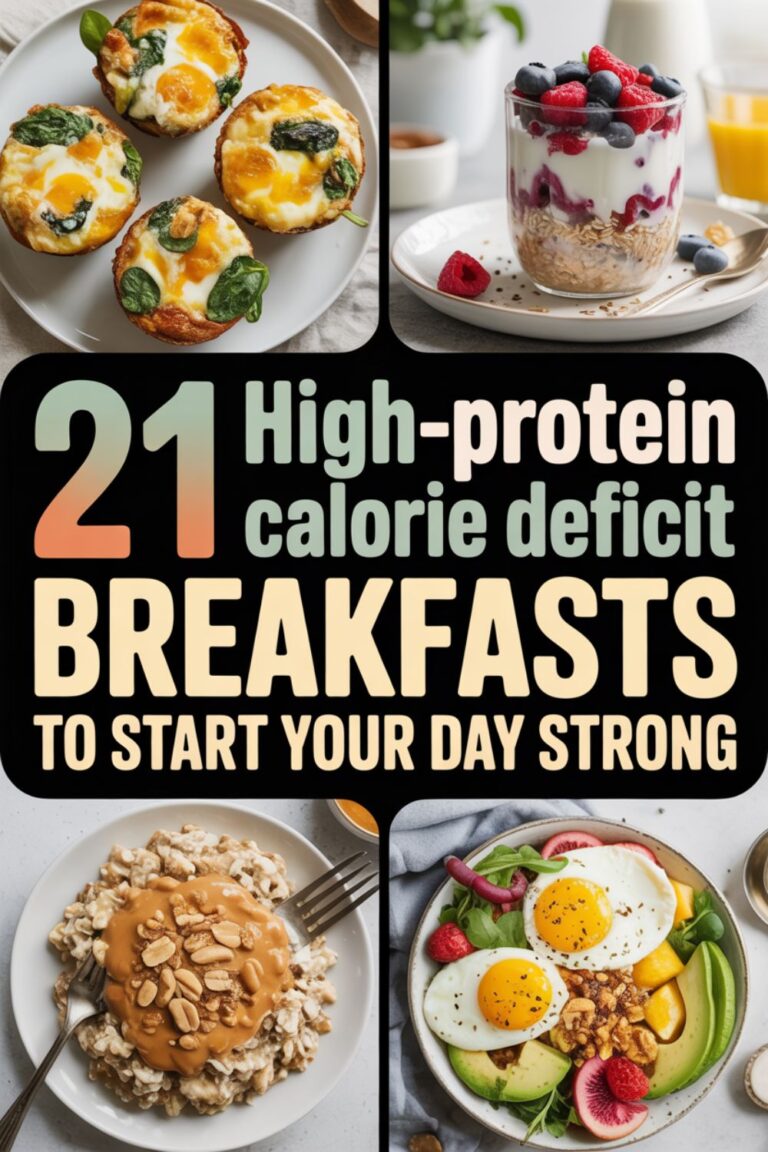
21 High-Protein Calorie Deficit Breakfasts to Start Your Day Strong
21 High-Protein Calorie Deficit Breakfasts to Start Your Day Strong 21 High-Protein Calorie Deficit Breakfasts to Start Your Day Strong Look, I get it. You’re tired of feeling ravenous by 10 a.m. despite eating breakfast. Or maybe you’re skipping breakfast altogether because you think it’ll help you save calories. Either way, you’re probably not setting…
12 Low-Calorie Grocery Items I Always Buy
12 Low-Calorie Grocery Items I Always Buy 12 Low-Calorie Grocery Items I Always Buy Look, I’m not about to pretend I’ve cracked some secret code to effortless weight loss. But after years of wandering grocery aisles like a confused tourist, I’ve finally nailed down a solid rotation of low-calorie staples that actually keep me satisfied….
21 Calorie Deficit Breakfasts Perfect for Busy Mornings
21 Calorie Deficit Breakfasts Perfect for Busy Mornings 21 Calorie Deficit Breakfasts Perfect for Busy Mornings Look, I get it. You’re trying to lose weight, mornings are chaos, and the last thing you want is another bland egg white scramble that leaves you starving by 10 AM. Been there, crashed hard, raided the office snack…