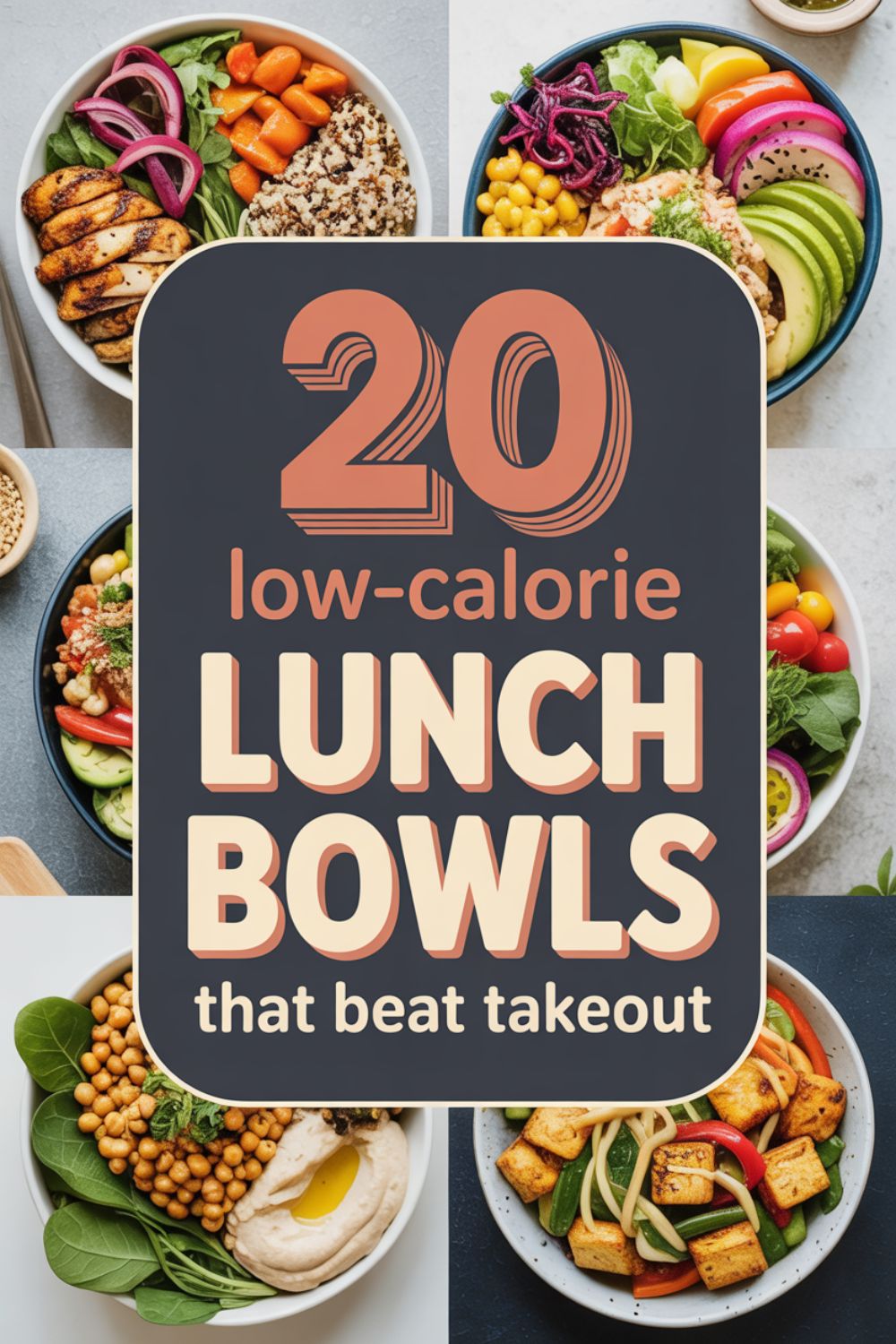
20 Low-Calorie Lunch Bowls That Beat Takeout
Look, I get it. You’re standing in front of the fridge at 11:47 AM, stomach growling, trying to decide if you should order that $15 grain bowl from the place down the street or figure out what to throw together at home. Again.
Here’s the thing though: those takeout bowls? They’re running you anywhere from 600 to 900 calories, packed with mystery sauces that probably have more sugar than your morning coffee, and let’s not even talk about the sodium levels. But homemade lunch bowls? They’re honestly a game-changer when you nail the formula.
I’ve been making these low-calorie lunch bowls for the past year, and they’ve completely replaced my takeout habit. We’re talking bowls that clock in under 400 calories, keep you full until dinner, and taste way better than anything you’d get delivered. Plus, you can meal prep the components on Sunday and have lunch sorted for the entire week.
The secret isn’t some complicated cooking technique or expensive ingredients. It’s about building bowls the right way: the right base, proper protein portions, vegetables that actually have flavor, and a sauce that ties everything together without drowning it in calories.
Image Prompt: Overhead shot of five colorful lunch bowls arranged on a light wooden table, each featuring different grain bases (quinoa, brown rice, cauliflower rice), vibrant roasted vegetables in warm autumn colors, various proteins (grilled chicken, tofu, chickpeas), and small glass jars of dressings on the side. Natural window lighting from the left, rustic ceramic bowls in neutral tones, fresh herb garnishes, cozy kitchen aesthetic with a linen napkin visible at the edge of the frame. Pinterest-style food photography with shallow depth of field.
Why Lunch Bowls Beat Takeout Every Single Time
I used to drop $12-18 on lunch bowls from Sweetgreen or Cava at least three times a week. That’s over $150 a month on lunch alone, and half the time I’d be hungry again two hours later.
The problem with most restaurant bowls is portion control, or lack thereof. They load up on cheap fillers like white rice, skimp on the actual vegetables, and then drown everything in calorie-dense dressings that taste amazing but pack 300+ calories on their own.
When you make bowls at home, you control everything. According to nutrition experts, building balanced lunch bowls with proper portions of whole grains, lean proteins, and vegetables helps maintain steady blood sugar levels and prevents that dreaded afternoon energy crash.
Plus, meal prepping your own bowls means you can make 5-6 servings in about the same time it takes to drive to pick up one takeout order. The math literally makes itself.
The Perfect Low-Calorie Bowl Formula
After making literally hundreds of these bowls, I’ve figured out the formula that works every time. It’s not rocket science, but getting the ratios right is what separates a sad desk lunch from something you’ll actually look forward to eating.
The Base Layer
Start with 1/2 to 3/4 cup of cooked grains or greens. For lower calories, I lean toward cauliflower rice (about 25 calories per cup) or mixed greens. When I want something more substantial, quinoa or brown rice work great, but you’ll need to watch your portion to keep it under 150 calories for this component.
Here’s the thing about bases: they’re your foundation, not your main event. I see people loading up 2 cups of rice into a bowl and wondering why they’re not losing weight. Your base should support everything else, not overwhelm it.
Protein Perfection
You need about 3-4 ounces of lean protein to keep you satisfied. Grilled chicken breast runs about 120 calories for 4 ounces. Tofu? Even less. Shrimp is ridiculously low-calorie if you’re into seafood.
I rotate between rotisserie chicken (because who has time to grill chicken every night?), canned wild-caught tuna, hard-boiled eggs, and these pre-cooked fajita chicken strips from Costco when I’m feeling exceptionally lazy.
Vegetables That Actually Matter
This is where most people phone it in with some sad lettuce and a few cherry tomatoes. Don’t be that person.
Load up at least 1.5-2 cups of vegetables. Roasted Brussels sprouts, bell peppers, zucchini, broccoli, shredded cabbage, cucumbers, carrots—whatever you’ve got. The more colorful, the better. I use one of those sheet pan sets to roast a bunch of veggies at once, and they last all week.
The Sauce Situation
This is where takeout bowls screw you over. Their sauces are basically liquid calories. A typical restaurant tahini dressing can hit 250 calories for what they pour on one bowl.
Make your own sauces in these small glass containers and use 1-2 tablespoons max. Greek yogurt-based sauces, tahini thinned with lemon juice and water, or a simple balsamic vinaigrette keep things flavorful without the calorie bomb.
20 Low-Calorie Lunch Bowl Recipes
1. Mediterranean Chickpea Bowl (325 calories)
Cauliflower rice base, roasted chickpeas seasoned with paprika and cumin, cucumber, cherry tomatoes, red onion, Kalamata olives, and a lemon-tahini drizzle. This one’s stupidly easy and the chickpeas get crispy if you roast them right.
The chickpeas are the star here—toss them in a tiny bit of olive oil, season heavily, and roast at 425°F for about 25 minutes. You want them crunchy, almost like croutons. Game changer.
2. Asian-Inspired Chicken Bowl (340 calories)
Brown rice, grilled chicken breast, edamame, shredded carrots, red cabbage, sliced cucumbers, with a ginger-soy dressing. I make the dressing with low-sodium soy sauce, rice vinegar, grated ginger, and a drop of sesame oil.
Pro move: buy a microplane grater for the ginger. Makes all the difference.
3. Southwest Black Bean Bowl (355 calories)
Mixed greens, black beans, grilled chicken, corn, bell peppers, cherry tomatoes, avocado (just 1/4 of one), and cilantro-lime dressing. The lime really makes this pop.
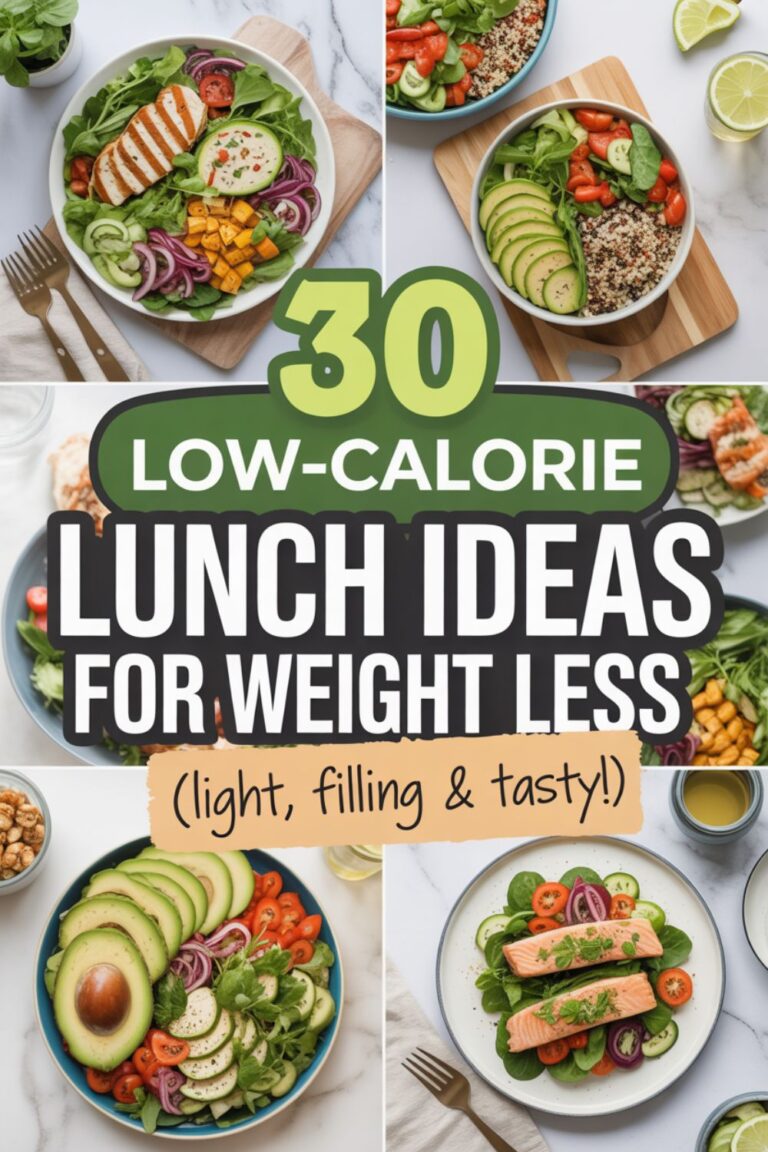
If you want more ideas like this, check out these low-calorie lunch ideas for weight loss that follow the same formula.
4. Greek Goddess Bowl (315 calories)
Quinoa, grilled chicken, cucumber, cherry tomatoes, red onion, feta cheese (go light—1 tablespoon), and tzatziki made with Greek yogurt. The tzatziki is where it’s at: Greek yogurt, grated cucumber, garlic, dill, lemon juice.
5. Thai Peanut Tofu Bowl (370 calories)
Cauliflower rice, baked tofu cubes, shredded cabbage, carrots, bell peppers, and a peanut sauce made with PB2 (powdered peanut butter is your friend for low-cal sauces). Regular peanut butter is great, but it’ll add another 100 calories easy.
6. Burrito Bowl Remix (345 calories)
Half cup of cilantro-lime brown rice, seasoned ground turkey, black beans, pico de gallo, shredded lettuce, and Greek yogurt instead of sour cream. Add jalapeños if you’re brave.
This is basically Chipotle but you’re not paying $14 and wondering why you’re still hungry an hour later. Get Full Recipe
7. Teriyaki Salmon Bowl (380 calories)
Brown rice, baked teriyaki salmon (watch the sauce portions), steamed broccoli, edamame, and sesame seeds. I buy frozen salmon fillets and they’re honestly just as good as fresh for bowls.
For the teriyaki sauce, I make my own with low-sodium soy sauce, a tiny bit of honey, garlic, and ginger. Store-bought teriyaki is a sugar nightmare.
8. Protein Power Bowl (390 calories)
Quinoa, hard-boiled eggs (2), chickpeas, roasted sweet potato, spinach, and tahini dressing. This one keeps me full until dinner, no question.
Looking for more high-protein options? These high-protein low-calorie meals hit the same notes.
9. Cajun Shrimp Bowl (310 calories)
Mixed greens, Cajun-spiced shrimp, corn, black beans, cherry tomatoes, and avocado-lime dressing. The shrimp cook in like 4 minutes, which is why this is my go-to when I forgot to meal prep.
Season the shrimp with Cajun seasoning and sauté in this ceramic non-stick pan—no extra oil needed.
10. Italian Chopped Salad Bowl (295 calories)
Romaine, grilled chicken, chickpeas, cherry tomatoes, cucumber, red onion, pepperoncini, and a red wine vinaigrette. It’s basically a salad but calling it a bowl makes it feel more substantial somehow.
11. Korean BBQ Beef Bowl (385 calories)
Cauliflower rice, lean ground beef cooked with gochujang paste, kimchi, cucumber, carrots, and a fried egg on top. The runny yolk mixes with everything and it’s ridiculously good.
Fair warning: gochujang is spicy. Start with a teaspoon and work your way up.
12. Tuna Niçoise Bowl (330 calories)
Mixed greens, canned tuna, hard-boiled egg, green beans, cherry tomatoes, Kalamata olives, and Dijon vinaigrette. This is fancy lunch energy without the fancy lunch price tag.
13. Caribbean Jerk Chicken Bowl (360 calories)
Brown rice, jerk-seasoned chicken breast, black beans, mango, red bell pepper, red onion, and lime-cilantro dressing. The mango adds sweetness that balances the spicy jerk seasoning perfectly.
I use store-bought jerk seasoning because making it from scratch involves like 15 spices and I’m not about that life.
14. Fajita Bowl (350 calories)
Cilantro-lime cauliflower rice, sliced chicken breast, sautéed bell peppers and onions, black beans, salsa, and a dollop of Greek yogurt. It’s all the fajita flavor without the tortilla calories.
15. Sesame Ginger Tofu Bowl (335 calories)
Brown rice, baked sesame-ginger tofu, broccoli, snap peas, carrots, and green onions with a drizzle of low-sodium soy sauce. Press your tofu first—it makes such a difference in texture.
If you’re new to cooking with tofu, grab one of these tofu presses. Worth every penny.
16. Lemon Herb Chicken Bowl (320 calories)
Quinoa, lemon-herb grilled chicken, roasted zucchini and yellow squash, cherry tomatoes, and a lemon vinaigrette. Simple, fresh, doesn’t feel like diet food.
17. Buffalo Chicken Bowl (365 calories)
Romaine, buffalo chicken breast, celery, carrots, red onion, and a light blue cheese dressing made with Greek yogurt. You get all the buffalo chicken vibes without the deep-fried regret.
18. Moroccan Spiced Bowl (340 calories)
Couscous, chickpeas with Moroccan spices (cumin, coriander, cinnamon), roasted carrots, zucchini, and a yogurt-tahini sauce. The warm spices make this feel cozy and different from your typical bowl.
19. Sushi Bowl (310 calories)
Sushi rice (small portion), imitation crab or real if you’re fancy, cucumber, avocado, edamame, and a drizzle of low-sodium soy sauce with sriracha. It’s deconstructed sushi without the rice-to-filling ratio disaster of most sushi rolls.
Looking for more creative bowl variations? Try these low-calorie meals under 300 calories.
20. Harvest Bowl (375 calories)
Wild rice blend, roasted chicken, roasted Brussels sprouts and butternut squash, dried cranberries (just a sprinkle), pecans (again, just a sprinkle), and balsamic vinaigrette. This one feels fancy enough for guests but easy enough for meal prep.
Meal Prep Essentials Used in These Bowls
These are the products that make my weekly bowl prep actually doable:
Physical Products:
- Glass meal prep containers (set of 10) – Keep components separate until you’re ready to eat. No soggy disasters.
- Half-sheet baking pans (3-pack) – Roast all your vegetables at once. I use three pans every Sunday.
- 2oz portion cups with lids – Perfect for dressings and sauces. Stops you from overdoing it.
Digital Resources:
- Ultimate Bowl Builder Guide (PDF) – Mix-and-match chart for creating 100+ bowl combinations without recipes
- Meal Prep Blueprint Video Series – Sunday prep routine that gets you 6 lunches in under 90 minutes
- Low-Cal Sauce Formula Collection – 25 sauce recipes all under 50 calories per serving
Join Our Community:
We have a WhatsApp group where people share their weekly bowl creations, swap prep tips, and troubleshoot when things go wrong. Real people, real lunches, no BS. Link in bio.
Common Bowl-Building Mistakes (And How I Fixed Them)
I’ve made every mistake in the book with these bowls. Here’s what actually matters:
Mistake #1: Not Seasoning Anything
Plain grilled chicken on plain rice with plain vegetables is why people think healthy eating sucks. Season your proteins aggressively. Roast your vegetables with spices. Use fresh herbs. Garlic powder is your friend.
I keep a rotation of spice blends—Italian seasoning, Cajun mix, curry powder, everything bagel seasoning—and just rotate through them so nothing gets boring.
Mistake #2: Making Everything the Same Temperature
Cold chicken on cold rice with cold vegetables is depressing. I usually do warm grains, warm protein, and mix in cold fresh vegetables. The temperature contrast makes it way more interesting.
Mistake #3: Skimping on the Vegetables
You need volume to feel full on 350 calories. That volume comes from vegetables. If your bowl is more than 50% grains and protein, you’re doing it wrong.
For more meal inspiration that won’t bore you to tears, these low-calorie dinners under 350 calories use similar principles.
Mistake #4: Drowning Everything in Dressing
Look, I get it. Dressing makes everything better. But pouring 1/4 cup of ranch on your bowl defeats the entire purpose. Measure your dressing. Use 1-2 tablespoons max, and toss everything together so it distributes evenly.
Better yet, make your dressings thinner so you can use more volume for fewer calories. Greek yogurt + lemon juice + water + garlic powder = creamy dressing that’s like 30 calories for 2 tablespoons.
Making It Work for Meal Prep
Here’s my Sunday routine that sets me up with lunches for the entire week:
10:00 AM – Grains and Proteins
Cook 3-4 cups of quinoa or brown rice. Season and bake 1.5 pounds of chicken breast. Hard boil 6 eggs. Everything goes into separate containers once cooled.
10:30 AM – Vegetable Roasting
Chop everything, toss with seasonings and a spray of oil, spread across three sheet pans. Into the oven at 425°F for 20-25 minutes. While that’s happening, I chop raw vegetables.
11:00 AM – Sauce Making
Mix up 2-3 different sauces, portion into those small 2oz containers. Label them because they all look the same after a few days.
11:30 AM – Assembly
Everything gets portioned into containers. I don’t mix bowls ahead of time—just portion each component separately and assemble fresh each day. Takes 3 minutes in the morning, tastes infinitely better.
For a complete approach to meal planning with bowls, check out this 7-day meal plan for weight loss that incorporates similar strategies.
The Real Cost Comparison
Let’s break down what this actually costs versus takeout because that’s what sold me on doing this consistently.
Typical Takeout Bowl: $12-15 per bowl, 5 days a week = $60-75 weekly, $240-300 monthly
Homemade Bowl Ingredients (weekly):
- Grains/bases: $8
- Proteins: $15-20
- Vegetables: $12-15
- Sauces/seasonings: $5
Total: $40-48 for 6 lunches
That’s literally half the cost, and you’re getting more vegetables, better quality ingredients, and exact portion control. The math is stupid simple.
Speaking of budget-friendly options, these cheap low-calorie meals for meal prep extend the same principles across different meal types.
Tools & Resources That Make This Easier
I resisted buying “special” kitchen stuff for the longest time, but these actually changed the game:
Kitchen Essentials:
- Digital food scale – Not to be weird about it, but for actually learning what portions look like
- Salad spinner – Wet vegetables make soggy bowls. This thing is worth it.
- Mandoline slicer – Uniform vegetable slices that actually cook evenly. Use the guard, seriously.
Digital Downloads:
- Grain-to-Liquid Ratio Chart – Stop googling how to cook quinoa every single time
- Vegetable Roasting Time Guide – Different vegetables need different times; this eliminates the guessing
- Protein Cooking Temperature Chart – Because nobody wants dry chicken or undercooked anything
Community Support:
Join our meal prep community on WhatsApp where we share weekly grocery hauls, answer “can I freeze this?” questions at 11 PM, and celebrate when someone finally gets their teenager to eat a vegetable. It’s free and actually helpful.
What About Dietary Restrictions?
The beauty of bowl building is that it works for basically any eating style. Here’s how to adapt:
Vegetarian/Vegan
Swap proteins for chickpeas, black beans, tofu, tempeh, or edamame. Add nutritional yeast to sauces for a cheesy flavor without dairy. The 1500-calorie vegetarian meal plan has tons of plant-based bowl ideas that work perfectly.
Low-Carb/Keto
Ditch the grains entirely. Use cauliflower rice or just make it a big salad bowl with double the protein and healthy fats. Add avocado, nuts, and cheese (within reason) for more fat and satisfaction.
Gluten-Free
Most of these bowls are naturally gluten-free if you stick to rice, quinoa, or cauliflower rice. Just watch your sauces—soy sauce has gluten unless you buy tamari or coconut aminos.
Dairy-Free
Use coconut yogurt for creamy sauces instead of Greek yogurt. Skip the cheese or use nutritional yeast. Most of the flavor comes from spices and acid anyway, not dairy.
The Bowls My Family Actually Eats
Real talk: I have picky eaters at home. Here’s what actually works when you’re feeding people who think vegetables are suspicious:
Start with familiar flavors. The burrito bowl, fajita bowl, and teriyaki salmon bowl all taste like things they’ve had before, just in bowl form. The Mediterranean and Greek bowls took a few tries but now they’re requested weekly.
Let people build their own. I put out all the components and everyone assembles their own bowl. My kid who “hates vegetables” somehow eats them when he chooses which ones go in his bowl. Psychology is weird.
Don’t force the weird stuff. I love kimchi. My family thinks it smells like gym socks. I keep it as my thing and make the Korean bowl without it for everyone else.
For more family-friendly low-calorie options, these easy low-calorie dinner ideas follow the same approach of familiar flavors with healthier execution.
Frequently Asked Questions
How long do these bowls stay fresh in the fridge?
If you keep components separate and assemble fresh, the grains and proteins last 4-5 days, roasted vegetables about 3-4 days. Raw vegetables last the full week. This is why I don’t pre-mix everything—assembly takes 3 minutes and everything tastes way better. Once you mix a bowl together, eat it within 24 hours or it gets weird.
Can I freeze these lunch bowls?
Grains and proteins freeze great. Vegetables, not so much—they get mushy when thawed. If you want to freeze meals, freeze just the grain and protein portions, then add fresh vegetables when you’re ready to eat. Sauces don’t freeze well either unless they’re oil-based vinaigrettes.
Are these bowls actually filling enough for lunch?
If you’re building them right with enough protein and vegetables, absolutely. I pack at least 20-25g of protein and 2 cups of vegetables in each bowl, which keeps me satisfied until dinner. If you’re still hungry, the issue is usually not enough volume from vegetables or protein portions that are too small.
What if I don’t have time to meal prep on weekends?
Use shortcuts: rotisserie chicken, pre-cooked grains from Trader Joe’s, frozen vegetables that you can roast from frozen, and simple sauces that take 2 minutes to mix. You can also prep just 2-3 days at a time instead of a full week. Wednesday evening prep works just as well as Sunday prep.
How do I keep the bowls from getting boring?
Rotate your spice profiles weekly. One week do Mediterranean flavors, next week Asian-inspired, then Mexican, then Middle Eastern. Same basic components, completely different taste. Also, texture matters—add something crunchy (nuts, seeds, crispy chickpeas) to every bowl. It makes a huge difference.
The Bottom Line on Lunch Bowls
Here’s what I’ve learned after a year of making these instead of ordering out: it’s not about perfection, it’s about having a system that actually works with your life.
Some weeks I nail the meal prep and have gorgeous Instagram-worthy bowls lined up in my fridge. Other weeks I throw together whatever vegetables didn’t die in my crisper drawer with some rotisserie chicken and call it a day. Both approaches beat spending $15 on a takeout bowl that leaves me hungry and broke.
The formula is stupid simple: base + protein + lots of vegetables + reasonable amount of sauce. Season everything properly. Don’t overthink it. Meal prep the components, not the finished bowls.
These 20 bowls are just starting points. Once you understand the formula, you can create infinite variations based on what’s on sale, what’s in your fridge, and what you’re craving. That’s the whole point.
For complete guidance on making this a sustainable part of your routine, check out how to lose weight on 1200-1500 calories without starving and what to eat in a 1200-calorie day for realistic meal ideas that fit this approach.
Stop ordering overpriced bowls that don’t fill you up. Make better ones at home for half the price and twice the vegetables. Your wallet and your waistline will thank you.