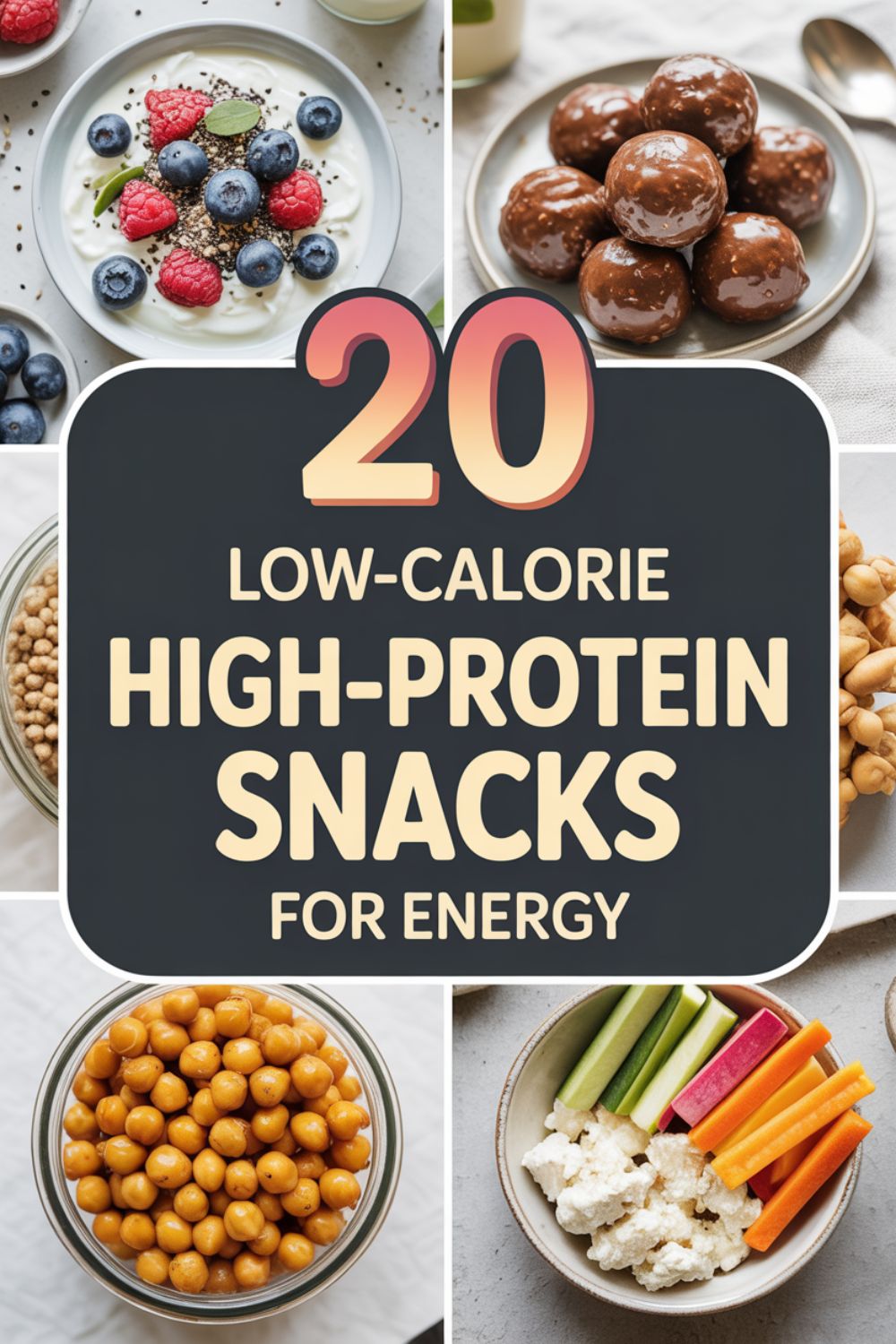
20 Low-Calorie, High-Protein Snacks for Energy
You know that 3 PM slump when your brain feels like mush and grabbing a bag of chips seems like the only logical solution? Yeah, I’ve been there about a thousand times. But here’s what I’ve learned after years of trying to balance weight loss with actually having energy to function: protein-packed snacks are the secret weapon nobody talks about enough.
Most people think low-calorie automatically means unsatisfying and sad. I used to think that too, until I started experimenting with high-protein options that actually kept me full without derailing my calorie goals. The difference between a regular snack and a protein-rich one isn’t just the macros—it’s how you feel two hours later. According to research on protein and energy metabolism, protein supports your body’s energy systems and helps maintain stable blood sugar levels.
I’m sharing 20 snacks that have legitimately saved me from snack-induced regret. These aren’t weird diet foods that taste like cardboard. They’re real, satisfying options that clock in under 200 calories while delivering solid protein to keep you going.
Why Protein Actually Matters for Energy
Let me clear something up real quick. Protein isn’t just for bodybuilders chugging shakes at the gym. Your body uses protein for basically everything—building tissue, making enzymes, supporting your immune system, and yes, helping maintain steady energy throughout the day.
When you eat a snack that’s mostly carbs (looking at you, pretzels), your blood sugar spikes fast and crashes even faster. That’s why you’re starving again in 30 minutes. Protein slows down digestion, which means more sustained energy without the roller coaster.
Studies on protein’s metabolic benefits show it also has a higher thermic effect than carbs or fats, meaning your body burns more calories just digesting it. Not a huge amount, but every little bit counts when you’re trying to lose weight without feeling like you’re constantly hungry.
The 20 Best Low-Calorie, High-Protein Snacks
1. Greek Yogurt with Berries (120-150 calories)
Plain Greek yogurt is my ride-or-die snack. I’m talking about the full-fat or 2% kind—not the fat-free stuff that tastes like sour sadness. A 3/4 cup serving gives you around 15-17 grams of protein for roughly 100 calories before you add toppings.
I throw in a handful of fresh berries and maybe a tiny drizzle of honey if I’m feeling fancy. The combination of protein and a touch of natural sweetness hits different than any processed snack ever could. Plus, the probiotics are great for gut health, which honestly affects way more than people realize.
2. Hard-Boiled Eggs (70 calories each)
Two hard-boiled eggs clock in at 140 calories with about 12 grams of protein. I meal prep a batch every Sunday using this egg cooker that makes them perfectly every single time without babysitting a pot of boiling water.
Some people get weird about eggs and cholesterol, but current research shows dietary cholesterol doesn’t affect blood cholesterol the way we used to think. Just don’t go eating a dozen a day and you’re fine.
3. Turkey Roll-Ups (100-130 calories)
Take 3-4 slices of deli turkey, spread a thin layer of hummus or mustard, add some cucumber or bell pepper strips, and roll them up. You’ve got yourself a crunchy, satisfying snack with around 12-15 grams of protein.
I prep these in the morning and keep them in these glass meal prep containers. They stay fresh and don’t get soggy like sandwiches do. Game changer for busy afternoons.
If you’re looking for more protein-packed ideas throughout the day, check out these high-protein low-calorie meals that follow the same principle of keeping you full without overdoing calories.
4. Cottage Cheese with Tomatoes (110-140 calories)
Half a cup of cottage cheese delivers a whopping 14 grams of protein. I know cottage cheese gets a bad rap for texture, but hear me out. Mix it with cherry tomatoes, a crack of black pepper, and a tiny pinch of everything bagel seasoning. Suddenly it’s not weird diet food—it’s legitimately good.
The combo of protein and the acidity from tomatoes is weirdly addictive. My friend Jessica from our meal prep group swears by this snack and says it’s the only thing that stopped her afternoon vending machine runs.
5. Edamame (120 calories per cup)
A cup of steamed edamame gives you 11 grams of protein plus fiber, which is a double win for satiety. I buy the frozen kind, microwave them for 3 minutes, and hit them with some coarse sea salt.
They’re fun to eat—there’s something satisfying about popping them out of the pods. Plus they’re one of those rare plant-based proteins that’s actually a complete protein, meaning it has all the essential amino acids your body needs.
6. Protein Smoothie (150-180 calories)
Blend up 1 scoop of protein powder, a cup of unsweetened almond milk, half a frozen banana, and a handful of spinach. I use this compact blender that’s small enough for my tiny kitchen but powerful enough to pulverize frozen fruit.
This gives you 20-25 grams of protein depending on your powder. FYI, whey protein is absorbed fastest, but if you’re plant-based, pea protein works great too. Just check the ingredient list—some protein powders are loaded with unnecessary junk.
7. String Cheese with Apple Slices (140 calories)
One stick of part-skim mozzarella string cheese plus a small apple is the definition of a balanced snack. You get 7-8 grams of protein from the cheese, fiber from the apple, and that sweet-savory combo that somehow tricks your brain into feeling satisfied.
I carry string cheese in my bag constantly. It doesn’t need refrigeration for a few hours and it’s portion-controlled, so I’m not accidentally eating half a block of cheddar while watching TV.
8. Roasted Chickpeas (130 calories per 1/2 cup)
Drain a can of chickpeas, toss with olive oil and spices, and roast at 400°F for 25-30 minutes until crispy. They’re crunchy like chips but pack 6-7 grams of protein per half cup.
I make big batches and store them in these airtight containers so they stay crispy for days. My favorite flavor combo is smoked paprika, garlic powder, and a little cayenne. They scratch that salty-crunchy itch without the empty calories of regular chips.
Looking for complete meal options that follow this high-protein approach? These 30 high-protein meals are designed to keep you full all day long. Get Full Recipe.
9. Tuna Salad on Cucumber Slices (120 calories)
Mix a can of tuna with a tablespoon of Greek yogurt instead of mayo, add diced celery and a squeeze of lemon. Scoop it onto thick cucumber rounds. You’re looking at about 20 grams of protein for minimal calories.
The cucumber adds crunch and hydration without adding barely any calories. It’s basically a deconstructed tuna sandwich that won’t leave you feeling bloated. I prep this on Sundays and it stays good in the fridge for 3 days.
10. Almonds with Dark Chocolate Chips (170 calories)
Twenty almonds plus a teaspoon of dark chocolate chips gives you around 6 grams of protein plus healthy fats. The key is portion control—almonds are calorie-dense, so don’t mindlessly snack from the container.
I portion these out into small reusable snack bags on Sunday nights. Pre-portioning saves me from that “I’ll just have a few more” spiral that inevitably happens with nuts.
Meal Prep Essentials I Actually Use
These are the things that make prepping these snacks stupidly easy:
Physical Products:
- Glass meal prep containers with dividers – No more soggy snacks mixing together
- Digital food scale – Takes the guesswork out of portions
- Silicone ice cube trays – Perfect for portioning hummus, nut butter, or yogurt
Digital Resources:
- 7-Day High-Protein Meal Prep Guide – Complete shopping lists and prep schedules
- Snack Calorie Calculator Spreadsheet – Track macros without the headache
- High-Protein Recipe Collection eBook – 50+ recipes with nutritional breakdowns
Community Support:
- Join our WhatsApp Meal Prep Community – Share wins, swap recipes, and stay accountable with people who actually get it
11. Protein Bars (150-190 calories)
Not all protein bars are created equal. Some taste like chalk mixed with sadness. I’m picky about these—they need at least 15 grams of protein and less than 5 grams of sugar.
My go-to is these protein bars because they actually taste like real food and don’t have that weird aftertaste some bars have. I keep one in my purse for emergencies when I’m stuck in meetings through lunch.
12. Shrimp Cocktail (100 calories for 4 oz)
Four ounces of shrimp gives you an insane 24 grams of protein for roughly 100 calories. Add cocktail sauce (watch the sugar content) and you’ve got a restaurant-quality snack.
I buy pre-cooked frozen shrimp, thaw them in cold water for 15 minutes, and they’re ready. Zero cooking required. It feels fancy but takes less time than making toast.
13. Beef Jerky (80-100 calories per oz)
One ounce of quality beef jerky packs about 9-11 grams of protein. The trick is finding brands without tons of added sugar or sketchy preservatives. I look for options where beef is the first ingredient and sugar isn’t in the top three.
It’s shelf-stable, portable, and satisfying to chew on. Perfect for travel or when you need something that won’t go bad in your desk drawer for a week.
14. Ricotta Cheese with Cinnamon (110 calories)
Half a cup of part-skim ricotta delivers 14 grams of protein. Mix in cinnamon, a tiny bit of vanilla extract, and maybe some stevia if you need it sweeter. It tastes like dessert but it’s basically pure protein.
This one surprised me. I expected it to be weird, but it’s genuinely good. The texture is creamy and satisfying, especially if you’re craving something sweet after dinner.
For more ways to incorporate high-protein ingredients into your daily routine, these low-calorie snacks that actually satisfy cravings are total lifesavers when willpower is running low.
15. Smoked Salmon on Rice Cakes (130 calories)
Two rice cakes topped with a tablespoon of light cream cheese and 2 ounces of smoked salmon gives you around 12 grams of protein. Add some capers or red onion if you’re feeling bougie.
This is one of those snacks that feels way more indulgent than the calorie count suggests. The omega-3s from the salmon are a nice bonus for brain health and reducing inflammation.
16. Protein Pudding (90-120 calories)
Mix a scoop of chocolate or vanilla protein powder with Greek yogurt and a splash of almond milk until it’s pudding consistency. Stick it in the fridge for 30 minutes. You’ve got 20+ grams of protein in something that tastes like actual dessert.
I make this in these small mason jars and top with a few dark chocolate chips. It’s my go-to when I want something sweet that won’t wreck my macros.
17. Egg White Muffins (60-80 calories each)
Whisk egg whites with diced veggies, cheese, and cooked turkey sausage. Pour into a silicone muffin pan and bake at 350°F for 20 minutes. Each muffin has about 7-8 grams of protein.
I make a dozen on Sunday and grab two when I need a quick snack. They reheat perfectly in the microwave and taste way better than most packaged snacks. You can customize the mix-ins based on what you have in your fridge.
18. Black Bean Hummus with Veggies (130 calories)
Two tablespoons of black bean hummus with raw bell peppers, carrots, and celery gives you around 8 grams of protein plus a ton of fiber. Black bean hummus has slightly more protein than regular chickpea hummus.
I prep veggie sticks on Sunday and store them in water in these produce containers so they stay crispy all week. Having them already cut makes me actually eat them instead of reaching for crackers.
19. Cottage Cheese Protein Pancakes (160 calories for 2 small)
Blend 1/2 cup cottage cheese, one egg, and 2 tablespoons oat flour. Cook like regular pancakes. Two small pancakes give you 15 grams of protein.
These are shockingly good—fluffy, slightly tangy, and way more satisfying than regular pancakes. I make a batch and freeze them, then pop them in the toaster when I want a quick snack. Top with a tiny bit of peanut butter or some berries.
20. Seaweed Snacks with Sliced Turkey (70 calories)
Wrap sliced deli turkey around crispy seaweed snacks for a low-calorie, high-protein bite that’s oddly addictive. About 10 grams of protein for minimal effort.
The seaweed adds a salty, umami flavor that makes this feel like a treat rather than diet food. Plus you get iodine and other minerals that most people don’t get enough of.
If you want more structured meal ideas that incorporate these protein principles, check out this 7-day high-protein meal plan that takes the guesswork out of what to eat. Get Full Recipe.
Tools & Resources That Make This Easier
Honestly, the right tools make the difference between actually prepping snacks and just thinking about it:
Kitchen Essentials:
- Portable mini blender bottle – For protein shakes on the go without the cleanup hassle
- Adjustable measuring spoons – One tool instead of five cluttering your drawer
- Snap-lid containers in multiple sizes – For everything from hummus portions to full snacks
Digital Guides:
- Macro-Friendly Snack Guide PDF – Quick reference for protein, carbs, and fats in common snacks
- Weekly Snack Prep Checklist – Takes 5 minutes to plan, saves hours of decision fatigue
- High-Protein Grocery Shopping List – Never stand in the store wondering what to buy
Stay Connected:
- Join our WhatsApp Accountability Group – Daily check-ins, recipe swaps, and motivation when you need it most
How to Actually Stick With High-Protein Snacking
Having a list of snacks is one thing. Actually eating them consistently is another. Here’s what’s worked for me after months of trial and error.
Prep Once, Eat All Week
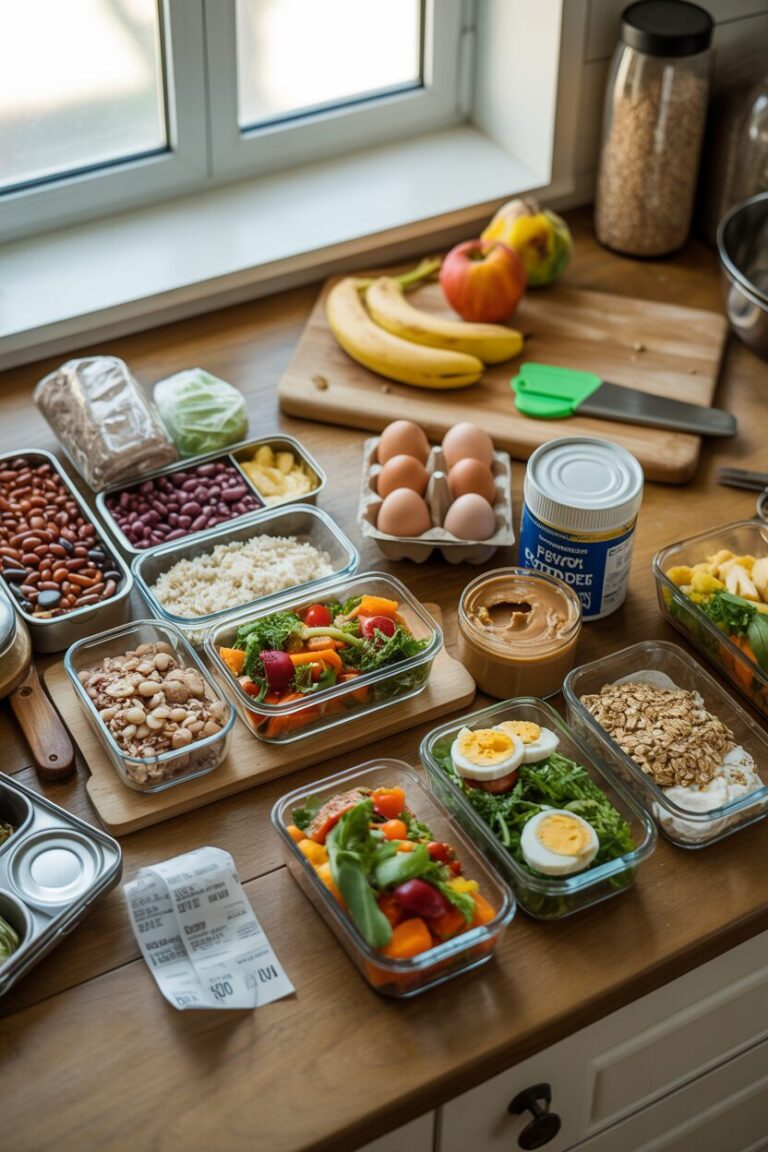
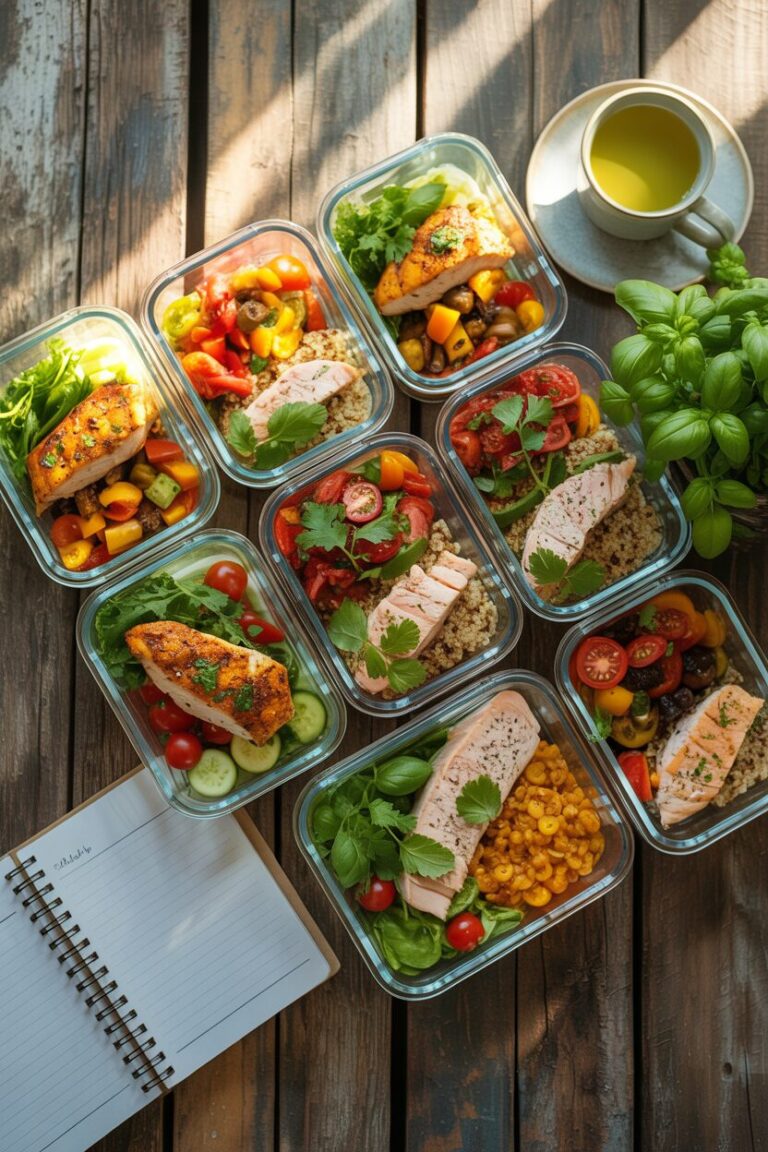
I spend about an hour every Sunday prepping snacks. Hard-boil eggs, portion out nuts, wash and cut veggies, make egg muffins. It sounds like a lot, but it’s way less time than making snack decisions five times a day when I’m already starving.
The key is treating this like any other appointment. It’s on my calendar. Sunday at 2 PM is snack prep time. Non-negotiable. Once it’s a routine, you stop having to convince yourself to do it.
Keep It Visible
I keep prepped snacks at eye level in my fridge in clear containers. If I can see them, I eat them. If they’re hidden behind leftover takeout, I forget they exist and end up eating whatever’s easiest.
Same goes for work. I keep protein bars, jerky, and individual nut portions in my desk drawer. When hunger hits, having something ready to grab makes all the difference between making a good choice and hitting the break room vending machine.
Don’t Rely on Willpower
Willpower is overrated and unreliable. I don’t keep chips or cookies in my house because I know if they’re there, I’ll eat them eventually. It’s not about being weak—it’s about being realistic.
Stock your environment with options that align with your goals. Make the healthy choice the easy choice. That’s the whole game.
For more strategies on managing calories without feeling deprived, this guide on how to lose weight without starving breaks down the mindset shifts that actually work.
Track Your Protein Intake
I’m not big on obsessive tracking, but I do keep a rough mental tally of my protein throughout the day. The general recommendation is 0.8-1 gram of protein per pound of body weight if you’re active and trying to maintain muscle while losing fat.
Most people don’t get enough protein at breakfast and lunch, then overdo it at dinner. Spreading it evenly across the day—including snacks—helps with satiety and maintains steady energy. According to Mayo Clinic’s guidance on protein distribution, consuming 15-30 grams per meal and snack optimizes muscle maintenance and metabolism.
Mix It Up So You Don’t Get Bored
Rotation is crucial. I don’t eat the same three snacks every day because I’d lose my mind. I pick 5-6 options I like for the week, prep those, then switch it up the next week.
Some weeks I’m all about sweet snacks (Greek yogurt, protein pudding, ricotta). Other weeks I want savory (turkey roll-ups, edamame, tuna on cucumbers). Listen to what you’re actually craving and work within those parameters.
Common Mistakes to Avoid
Thinking Low-Calorie Means Low-Satisfaction
This is the biggest myth. Low-calorie doesn’t mean tiny portions or tasteless food. It means choosing nutrient-dense options that fill you up without excessive calories. A 150-calorie protein-rich snack will satisfy you way more than 150 calories of pretzels.
Skipping Snacks to “Save Calories”
I used to do this. Skip snacks, show up to dinner absolutely ravenous, and then eat everything in sight. Turns out, eating moderate snacks between meals prevents that whole situation.
Smart snacking isn’t adding extra calories—it’s redistributing them in a way that supports stable energy and prevents overeating at meals. IMO, two well-planned snacks beat one massive binge every time.
Not Reading Labels on “Healthy” Snacks
Marketing is sneaky. Something labeled “high-protein” might have 5 grams of protein and 30 grams of sugar. Always flip to the nutrition label. Look for at least 10-15 grams of protein and keep sugar under 10 grams per serving.
Greek yogurt, protein bars, and smoothies are the biggest culprits. The flavored versions are often loaded with sugar. Stick with plain or unsweetened options and add your own fruit or small amounts of honey if needed.
Frequently Asked Questions
How much protein should I aim for in a snack?
Shoot for at least 10-15 grams of protein per snack to actually impact satiety and energy levels. Anything less than 10 grams and you’re basically just eating calories without the staying power. The sweet spot for most people is 15-20 grams paired with some fiber or healthy fat for maximum satisfaction.
Can I eat these snacks every day without getting bored?
Absolutely, but rotation is key. Pick 5-6 favorites for the week and prep those, then switch it up the following week. I find that having structured variety—like sweet snacks some days, savory others—keeps things interesting without requiring constant decision-making. The goal is sustainable habits, not forcing yourself to eat things you don’t enjoy.
Are protein bars actually good for you or just glorified candy bars?
It depends entirely on the brand. Quality protein bars with 15+ grams of protein, minimal added sugar (under 5-8 grams), and real food ingredients are legitimately useful. The ones with 20+ grams of sugar and a mile-long ingredient list of chemicals? Yeah, those are basically candy. Always check the nutrition label and ingredient list—if sugar is in the top three ingredients, skip it.
Will eating protein snacks help me lose weight?
Protein snacks support weight loss by keeping you fuller longer and preventing the energy crashes that lead to overeating at meals. They’re not magic—you still need to be in a calorie deficit overall—but they make maintaining that deficit way more sustainable. The key is choosing high-protein options that fit within your daily calorie goals rather than just adding extra calories on top of what you’re already eating.
What’s the best time of day to eat a high-protein snack?
Mid-morning and mid-afternoon are prime times for most people—those natural energy dips around 10 AM and 3 PM. A protein-rich snack during these windows helps maintain stable blood sugar and prevents arriving at your next meal absolutely ravenous. That said, listen to your actual hunger cues rather than eating by the clock just because you’re “supposed to.”
Final Thoughts
Here’s the thing about sustainable weight loss: it’s not about perfection or following some restrictive plan that makes you miserable. It’s about finding strategies that fit into your real life and actually work long-term.
These 20 high-protein snacks aren’t magic bullets. But they are practical tools that help manage hunger, maintain energy, and support your goals without requiring a culinary degree or hours in the kitchen. The best snack is the one you’ll actually eat consistently.
Start with 2-3 options that sound appealing, prep them this week, and see how you feel. You don’t need to overhaul your entire eating pattern overnight. Small, consistent changes compound into significant results over time.
And honestly? Life’s too short to be constantly hungry or to eat food that tastes like punishment. Find the protein-rich snacks you genuinely enjoy, make them accessible, and trust that taking care of yourself doesn’t have to be complicated or miserable.