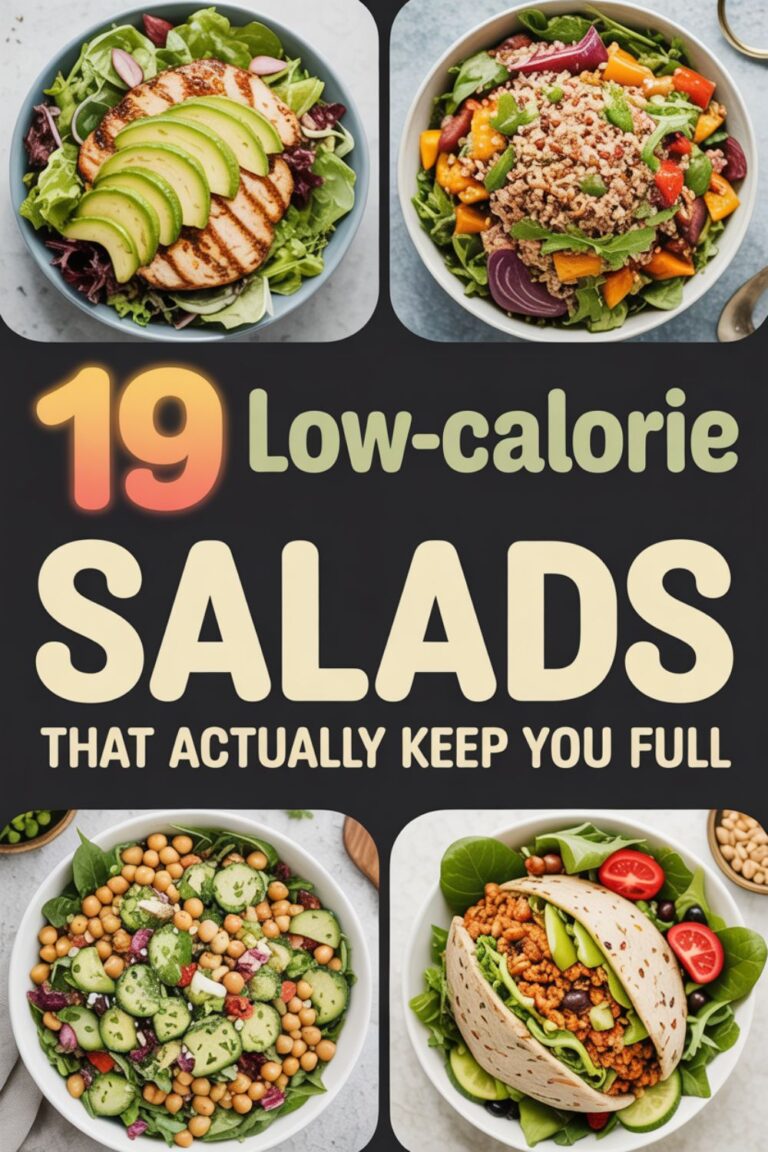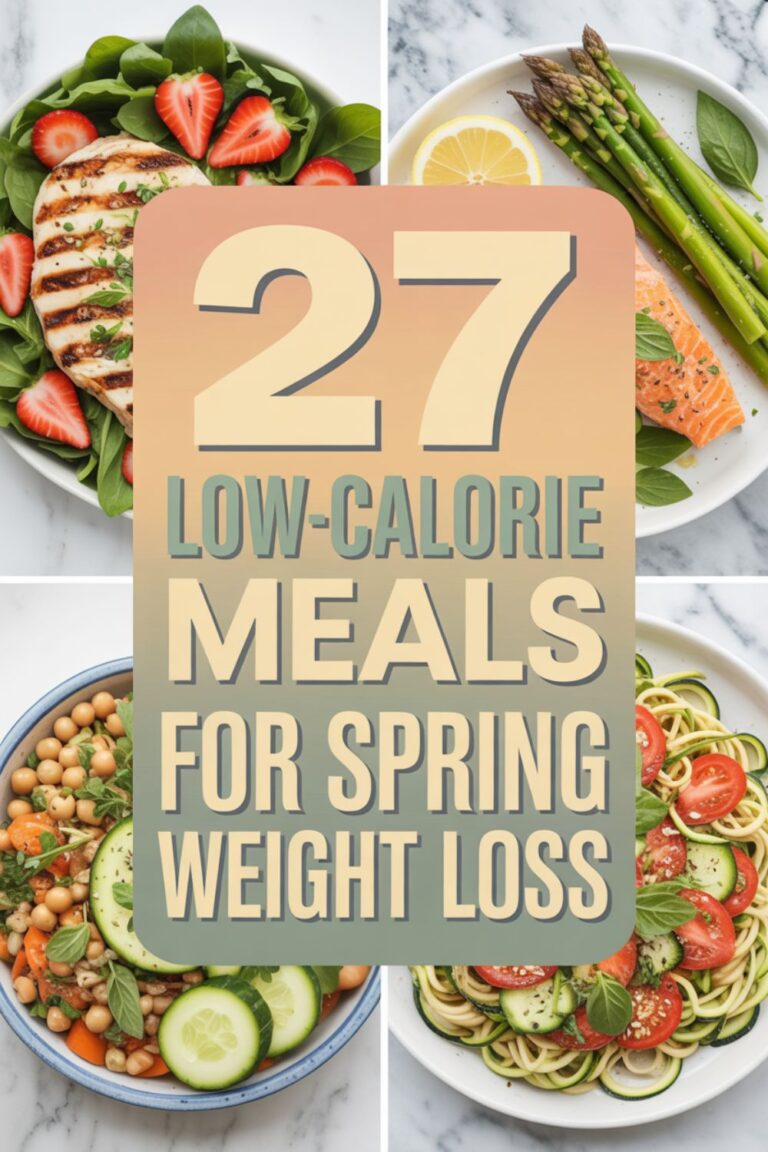
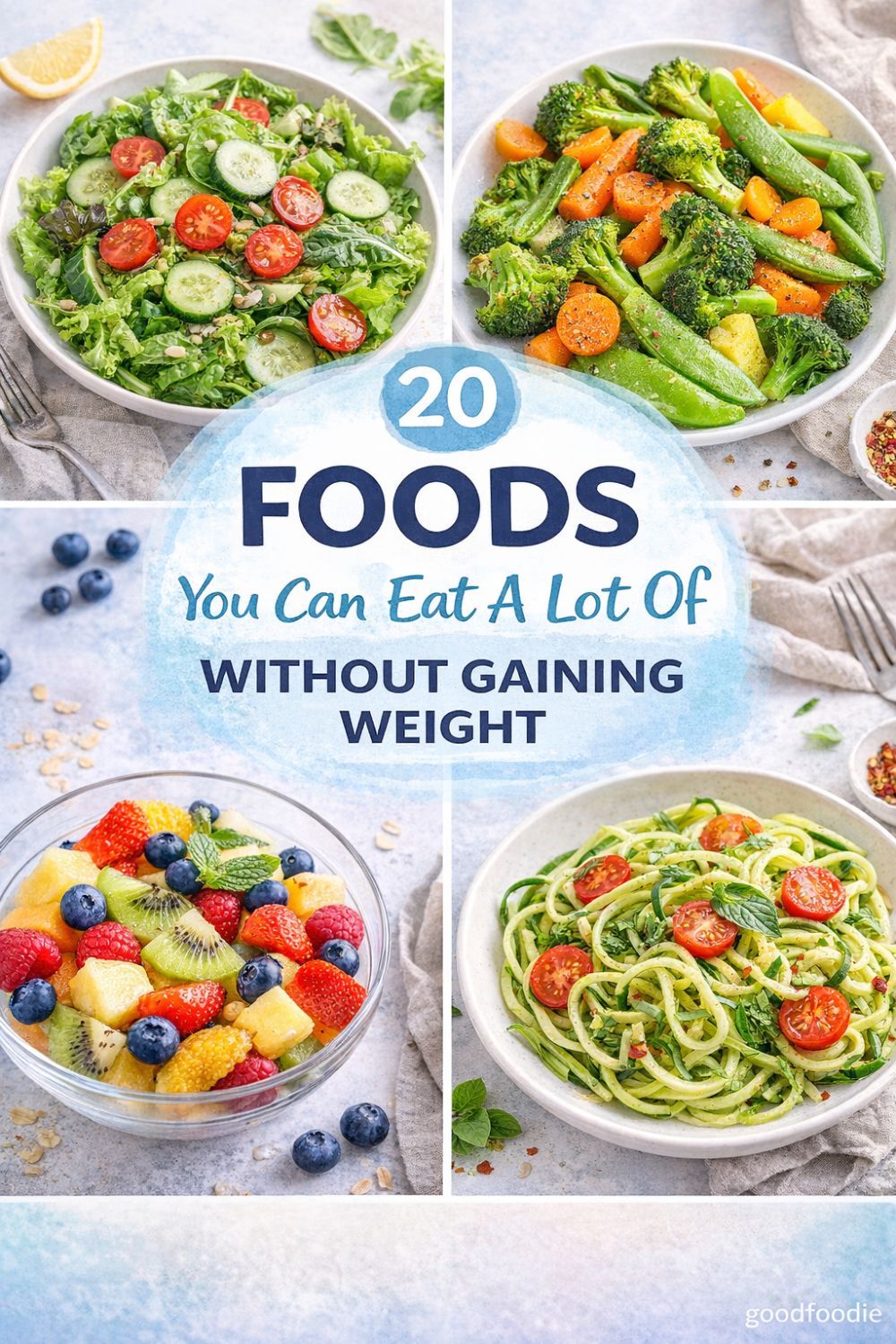
20 Foods You Can Eat a Lot Of Without Gaining Weight
Let’s be honest—dieting usually means you’re staring at your plate wondering if that’s really supposed to be a full meal or just an appetizer for a hamster. But here’s the thing: not all foods are created equal when it comes to calories and satisfaction. Some foods you can basically eat by the bucketload without watching the scale creep up like it’s got a personal vendetta against you.
I’ve spent years figuring out which foods let me eat until I’m genuinely full without the guilt trip that usually follows. And trust me, this isn’t about munching on celery sticks and pretending you’re satisfied. We’re talking real, filling foods that actually taste good and keep you from raiding the pantry at 10 PM.
So grab a snack (maybe one from this list) and let’s talk about the 20 foods that basically give you a free pass to eat your heart out.
Why Some Foods Don’t Make You Gain Weight
Before we jump into the list, let’s talk about why certain foods seem to have magical properties. It’s not actually magic—it’s science, but the boring kind that actually helps you.
Volume eating is the secret sauce here. Foods with high water content and lots of fiber take up space in your stomach without packing in tons of calories. Your stomach sends “I’m full” signals to your brain based on stretch receptors, not calorie counters. So you can technically fill up on foods that are mostly water and fiber, and your body thinks it just had Thanksgiving dinner.
Plus, foods high in protein and fiber take longer to digest. That means you stay fuller longer and don’t find yourself face-first in a bag of chips an hour after eating. Research shows that eating foods that promote satiety can significantly reduce overall calorie intake throughout the day.
30-Day Volume Eating Challenge FREE BONUS
If you’re serious about mastering volume eating and actually losing weight without feeling hungry all the time, I put together a complete 30-day challenge guide that walks you through everything step-by-step.
What you get:
This isn’t some generic meal plan. It’s specifically designed around high-volume, low-calorie foods that keep you full. People who follow it lose an average of 8-12 pounds in the first month because they’re never hungry enough to quit.
Get Instant Access →1. Leafy Greens (Spinach, Kale, Lettuce)
Let’s start with the obvious one—leafy greens. Yeah, yeah, I know what you’re thinking. “Wow, groundbreaking advice.” But hear me out. A massive bowl of spinach has about 7 calories. Seven. You could eat three pounds of spinach and still not hit 100 calories.
The beauty of leafy greens is their versatility. Throw them in smoothies, sauté them with garlic (game-changer, trust me), or build salads so big you need a mixing bowl instead of a regular plate. I genuinely use one of those huge wooden salad bowls for my lunches, and people think I’m eating like a rabbit, but I’m actually stuffed.
Spinach is also packed with iron and vitamins A and C, while kale brings serious fiber and antioxidants to the table. The fiber content keeps your digestive system happy and helps you feel full for hours.
2. Cucumbers
Cucumbers are 96% water, which basically makes them crunchy water bottles. One whole cucumber has about 45 calories, so you can eat multiple cucumbers in one sitting and still be in the clear.
I’m obsessed with slicing them thin and making cucumber “noodles” with a spiralizer. Add some rice vinegar, a tiny bit of sesame oil, and you’ve got a snack that feels way fancier than it has any right to be. Or just cut them into sticks, add salt, and call it a day. Sometimes simple wins.
The high water content means they’re incredibly hydrating, which is clutch during summer or after workouts. Plus, they contain antioxidants and anti-inflammatory compounds that support overall health.
My Favorite Kitchen Tool for Meal Prep
Honestly, if you’re serious about eating more vegetables, you need a quality spiralizer. I fought this for way too long, thinking it was just another gadget that would collect dust. I was wrong.
Why it’s worth it:
- Turns zucchini and cucumbers into noodles in seconds
- Makes vegetables way more fun to eat (sounds dumb, but it’s true)
- Takes up minimal drawer space—no bulky countertop appliance
- Under $20 and will last you years
I use mine at least 3-4 times a week now. Zucchini noodles, cucumber ribbons for salads, carrot spirals for stir-fries—it makes everything feel fancier than it actually is.
Check Current Price →3. Celery
Okay, I know celery gets a bad rap for being boring, but it’s earned its place on this list. One stalk has about 6 calories, and the crunch factor is genuinely satisfying when you’re craving something to munch on.
Here’s my trick: I don’t eat plain celery because I’m not a masochist. I pair it with almond butter or hummus. Yes, that adds calories, but it turns celery from sad diet food into an actual snack I look forward to. Plus, the protein from nut butter or hummus makes it way more filling.
Celery also has decent amounts of vitamin K and potassium, and it’s about 95% water. The fiber content helps with digestion, and honestly, the crunch alone can satisfy the need to stress-eat when you’re bored.
4. Watermelon
Summer MVP right here. Watermelon is another water-heavy champion at about 92% water content. A whole cup of watermelon cubes is only about 46 calories, which means you can eat a ridiculous amount and still be under 200 calories.
I like cutting watermelon into cubes and freezing them. Pop a few frozen cubes in your mouth on a hot day, and it’s like nature’s ice pop. Or blend frozen watermelon with a splash of lime juice for a slushy that costs you basically nothing calorie-wise.
Watermelon also contains lycopene, an antioxidant that’s been linked to heart health and reduced inflammation. Plus, it’s got amino acids that might help with muscle soreness if you’re working out regularly.
Speaking of refreshing summer options, you might want to check out some low-calorie snacks under 150 calories that pair perfectly with these water-rich fruits. Or if you’re planning meals around these ingredients, a 30-day low-calorie meal plan can help you structure your week without overthinking it.
5. Strawberries
Strawberries are criminally underrated in the weight-loss world. One cup of whole strawberries has about 50 calories, and unlike other fruits that spike your blood sugar and leave you hungry an hour later, strawberries have a lower glycemic index.
I keep frozen strawberries on hand constantly. Blend them into smoothies, thaw them and eat with Greek yogurt, or just eat them frozen straight from the bag like tiny fruit popsicles. No shame in my game.
They’re loaded with vitamin C and antioxidants, plus they contain fiber that slows down sugar absorption. The natural sweetness makes them perfect for satisfying sugar cravings without derailing your progress.
6. Broccoli
Broccoli is one of those vegetables that fills you up fast and keeps you full forever. One cup of chopped broccoli is about 30 calories, but it’s packed with fiber and protein for a vegetable.
Roast it with a tiny bit of olive oil and garlic powder, and suddenly you’re eating what tastes like a treat but is actually super low-calorie. I use a sheet pan and roast a ton at once, then keep it in the fridge for easy additions to meals throughout the week.
Broccoli is part of the cruciferous vegetable family, which means it contains compounds that support detoxification and may have cancer-fighting properties. Plus, it’s got more vitamin C than an orange, which most people don’t realize.
7. Cauliflower
Cauliflower is having a moment, and honestly, it deserves it. One cup of cauliflower is about 25 calories, and its neutral flavor means you can use it in basically everything.
I’ve made cauliflower rice, cauliflower mash, roasted cauliflower, and even cauliflower pizza crust using a food processor to rice it myself. It’s not going to taste exactly like regular rice or mashed potatoes, but it’s close enough that your brain stops complaining after a few bites.
Like broccoli, cauliflower is a cruciferous vegetable packed with nutrients. It’s high in fiber and contains antioxidants that support overall health. The versatility factor alone makes it worth keeping in your fridge.
8. Zucchini
Zucchini is another vegetable that’s mostly water—about 95%. One medium zucchini has around 30 calories, which is basically a rounding error in your daily intake.
Spiralized zucchini noodles (zoodles, if you’re into that kind of nickname) are clutch when you’re craving pasta. I use a handheld spiralizer because the big countertop ones are annoying to clean. Sauté the zoodles for like two minutes, add some marinara and protein, and you’ve got a massive plate of food for under 300 calories.
Zucchini also contains vitamin B6 and manganese, plus it’s got a decent amount of potassium. The mild flavor means it takes on whatever seasonings you use, making it super adaptable.
If you’re looking for complete meals built around these kinds of vegetables, a 7-day 1200-calorie meal plan might give you the structure you need. For something slightly higher that keeps you fuller, check out this 7-day 1400-calorie meal plan that’s designed specifically to prevent that hungry, cranky feeling.
9. Bell Peppers
Bell peppers are sweet, crunchy, and shockingly low in calories. One medium bell pepper has about 30 calories, and they’re packed with vitamin C—like, more vitamin C than oranges.
I eat bell peppers like apples sometimes. Just wash one, cut out the seeds, and munch on it. The crunch is satisfying, and the sweetness makes it feel like a treat. Or slice them up and dip in hummus or guacamole for a snack that actually fills you up.
The different colors of bell peppers actually indicate different ripeness levels. Red peppers are the ripest and sweetest, while green peppers are less ripe and slightly more bitter. Yellow and orange are somewhere in between.
10. Tomatoes
Tomatoes are technically a fruit (cue the debate), and they’re about 95% water. One medium tomato has roughly 22 calories, and cherry tomatoes are perfect for mindless snacking.
I keep a container of cherry tomatoes in my fridge at all times. They’re great in salads, roasted with vegetables, or just eaten straight from the container when you’re standing in front of the fridge trying to figure out what to eat.
Tomatoes are rich in lycopene, the same antioxidant found in watermelon. Studies suggest that lycopene may help reduce the risk of heart disease and certain types of cancer. Plus, tomatoes contain vitamin K and potassium.
11. Mushrooms
Mushrooms are weirdly filling for how low-calorie they are. One cup of sliced mushrooms has about 15 calories, and they have this umami flavor that makes food taste richer and more satisfying.
Sauté mushrooms in a nonstick pan with just a tiny bit of butter or oil, and they shrink down but develop this deep, savory flavor. I add them to everything—eggs, salads, grain bowls, or just eat them as a side dish.
Mushrooms also contain B vitamins and selenium, plus they’re one of the few non-animal sources of vitamin D if they’ve been exposed to UV light. The fiber content and umami flavor make them surprisingly satisfying despite the low calorie count.
🎯 Join Our Free WhatsApp Community!
Want daily meal prep tips, exclusive low-calorie recipes, and support from women who actually get it? Join our WhatsApp channel where we share real-life weight loss wins, answer your cooking questions, and keep each other motivated. No spam, just real talk and helpful advice.
Low-Calorie Meal Prep Masterclass POPULAR
Meal prepping these foods is what actually makes this sustainable long-term. I created a complete meal prep video course that shows you exactly how to prep a week’s worth of volume-based meals in under 2 hours every Sunday.
Inside the masterclass:
This course takes all the foods from this article and teaches you the exact system I use to prep them efficiently. No more “I don’t have time” excuses. Two hours on Sunday = healthy meals ready to grab all week.
Enroll Now →12. Cabbage
Cabbage is one of those vegetables people forget about, but it’s incredibly versatile. One cup of shredded cabbage has about 22 calories, and it’s ridiculously filling because of the fiber.
I make huge batches of coleslaw using a mandoline slicer for super-thin slices. Mix with a little vinegar, a touch of oil, and some seasoning, and you’ve got a side dish that’s basically calorie-free but tastes great.
Cabbage is another cruciferous vegetable, so it shares those cancer-fighting compounds with broccoli and cauliflower. It’s also got vitamin C and vitamin K, plus the fiber helps with digestion and satiety.
13. Carrots
Carrots are slightly higher in calories than some vegetables on this list—about 25 calories per medium carrot—but they’re still incredibly low and super crunchy, which makes them perfect for snacking.
Baby carrots are clutch for portion control because they’re already the right size. I keep a bag in my fridge and grab a handful when I need something to crunch on. Pair with hummus or eat plain—either way, you’re getting tons of volume for minimal calories.
Carrots are loaded with beta-carotene, which your body converts to vitamin A. This is crucial for eye health, immune function, and skin health. The fiber content also helps keep you full.
14. Grapefruit
Grapefruit has this reputation as a diet food, and honestly, it’s earned. Half a grapefruit has about 52 calories, and there’s some evidence that compounds in grapefruit might help with weight loss by improving insulin sensitivity.
I sprinkle a tiny bit of stevia or sugar on top if it’s too tart, but usually, the natural sweetness is enough. Or segment it and add to salads for a burst of citrus that makes everything taste brighter.
One caveat: grapefruit can interact with certain medications, so check with your doctor if you’re on any prescriptions. But if you’re cleared to eat it, grapefruit is a solid addition to your weight-loss arsenal.
For more breakfast ideas that incorporate these kinds of filling, low-calorie foods, check out 15 low-calorie breakfasts to start losing weight. If you’re vegetarian, there’s also a fantastic 1500-calorie vegetarian meal plan that focuses on plant-based volume eating.
15. Berries (Blueberries, Raspberries, Blackberries)
Berries are the candy of the fruit world, except they’re actually good for you. A cup of raspberries has about 64 calories, blueberries are around 84 calories per cup, and blackberries clock in at about 62 calories per cup.
The fiber content in berries is insane, especially raspberries. One cup of raspberries has 8 grams of fiber, which is more than most people get in an entire day. That fiber slows digestion and keeps you full.
I keep frozen berries stocked because they’re cheaper and last longer. Throw them in smoothies, mix with yogurt, or eat them frozen as a snack. Frozen blueberries straight from the freezer are legitimately delicious and feel like a dessert.
Game-Changer for Air-Popped Popcorn
Listen, I tried the microwave bags, the stovetop method, all of it. Then I got this air popper and it completely changed my snacking game. Zero oil needed, ready in 3 minutes, and you can make a huge batch for basically no calories.
Why I love this thing:
- Makes perfect popcorn every single time—no burning
- Uses hot air instead of oil, so you control what goes on it
- Stupid easy to clean (just wipe it down)
- Way cheaper than buying pre-popped bags long-term
I season mine with nutritional yeast and garlic powder, and it tastes better than movie theater popcorn without the 500+ calories per serving. Worth every penny.
Check Current Price →Berries are also packed with antioxidants, particularly anthocyanins, which have been linked to improved brain health and reduced inflammation. Harvard Health notes that regular berry consumption may improve cognitive function and support heart health.
16. Popcorn (Air-Popped)
Here’s where things get interesting. Air-popped popcorn is about 30 calories per cup, and you can eat a massive bowl of it without doing much damage. The key word here is air-popped—the butter-drenched movie theater version is a completely different story.
I use an air popper because it’s faster than the stove method and there’s no oil needed. Season with nutritional yeast, garlic powder, or just salt, and you’ve got a snack that’s crunchy, satisfying, and ridiculously low-calorie.
Popcorn is a whole grain, which means it’s got fiber that keeps you full. Three cups of air-popped popcorn has about 90 calories and nearly 4 grams of fiber. Try eating three cups of potato chips and staying under 500 calories—it’s not happening.
17. Egg Whites
Egg whites are pure protein with almost no calories—about 17 calories per egg white. You can make a huge omelet with multiple egg whites and load it up with vegetables for a meal that’s under 200 calories but keeps you full for hours.
I know some people swear by whole eggs for the nutrients in the yolk, and that’s fair. But if you’re trying to eat a lot of volume without a lot of calories, egg whites are your friend. I usually do a mix—two whole eggs plus a few egg whites for the best of both worlds.
The protein content is the real star here. Protein is the most satiating macronutrient, meaning it keeps you fuller longer than carbs or fat. Egg whites are basically pure protein without the extra calories from fat.
If you’re looking for high-protein options that incorporate egg whites and other lean proteins, this 7-day high-protein 1200-calorie meal plan is fantastic. For more protein-focused dinners, check out these 18 low-calorie high-protein meals that’ll keep you satisfied.
18. Greek Yogurt (Nonfat, Plain)
Plain nonfat Greek yogurt is about 100 calories per cup and packed with protein—usually around 15-20 grams depending on the brand. That protein content means it’s incredibly filling for relatively few calories.
The key is plain yogurt. Flavored yogurts are loaded with sugar and can have double the calories. I buy plain Greek yogurt and add my own berries, a tiny drizzle of honey, or some cinnamon. You control the sweetness and keep the calories in check.
Greek yogurt is also great as a substitute for sour cream or mayo in recipes. It’s got that tangy flavor and creamy texture but with way more protein and fewer calories. Plus, the probiotics are good for gut health.
19. Chicken Breast (Skinless, Grilled or Baked)
Chicken breast is the OG diet food, and there’s a reason for that. Three ounces of cooked, skinless chicken breast has about 140 calories and 26 grams of protein. That’s an insane protein-to-calorie ratio.
The trick with chicken breast is not overcooking it. Dry, rubbery chicken is sad and makes you hate your diet. I use a meat thermometer to pull it off the heat at exactly 165°F, and it stays juicy. Or I cook it in an Instant Pot with some broth, which makes it impossible to overcook.
Chicken breast is also incredibly versatile. Slice it for salads, shred it for wraps, cube it for stir-fries, or just eat it plain with vegetables. The high protein content means you stay full for hours after eating it.
20. Shirataki Noodles
Okay, these are a little weird, but hear me out. Shirataki noodles are made from konjac root and are basically calorie-free—like 10-20 calories per serving. They’re mostly fiber and water, which means you can eat a huge bowl and barely make a dent in your daily calories.
The texture takes some getting used to, IMO. They’re slippery and don’t taste like regular pasta. But if you rinse them well (this is crucial—rinse them really well to get rid of the weird smell), then dry them in a hot pan before adding sauce, they’re actually pretty good.
I use shirataki noodles when I’m craving pasta but don’t want to spend the calories. Mix with marinara and vegetables, or make a stir-fry with soy sauce and whatever vegetables you have on hand. It’s not going to fool you into thinking it’s regular pasta, but it satisfies the craving without the calorie bomb.
The soluble fiber in shirataki noodles, called glucomannan, has been shown to help with satiety and may even help lower cholesterol. They’re a legit tool for volume eating when you want to feel like you’re eating a massive plate of food.
Complete Low-Calorie Recipe Collection BEST VALUE
Want 200+ recipes using all these foods so you never get bored? I compiled my entire low-calorie recipe vault into one searchable digital cookbook. Every recipe uses high-volume, low-calorie ingredients and includes full nutrition info.
What’s included:
This cookbook eliminates the “I don’t know what to make” problem. Every recipe is tested, delicious, and built around foods that let you eat big portions without the calorie bomb. Plus, you get instant access on your phone, tablet, or computer.
Get The Cookbook →For more complete meal ideas using pasta alternatives and low-calorie ingredients, these 25 low-calorie pasta recipes under 400 calories are seriously good. If you prefer traditional comfort foods with a lighter twist, check out 20 low-calorie comfort foods that actually fill you up.
How to Actually Use These Foods
Having a list of low-calorie foods is great, but let’s talk about how to actually incorporate them into your life without feeling like you’re on some restrictive, miserable diet.
Build Volume-Based Meals
The goal is to build meals where the majority of your plate is low-calorie, high-volume foods. Fill half your plate with non-starchy vegetables, add a palm-sized portion of lean protein, and then add a smaller portion of whatever else you want—rice, pasta, potatoes, whatever.
This strategy means you’re eating a huge plate of food but keeping calories reasonable. Your brain sees a full plate and feels satisfied, even though the calorie content is way lower than a typical meal.
Snack Smart
Keep these foods prepped and ready to go. If you’re hungry between meals, grab cucumbers, berries, or air-popped popcorn instead of chips or cookies. The key is making the healthy option the easy option.
I use glass meal prep containers to portion out vegetables and fruits at the beginning of the week. When they’re already washed and cut, I’m way more likely to eat them.
Best Investment for Meal Prep Success
Real talk: these glass meal prep containers are the reason I actually stick to eating healthy. I’ve tried the cheap plastic ones, the flimsy takeout containers, all of it. These are different.
Why they’re worth the upgrade:
- Completely airtight—vegetables stay crisp for days
- Glass means no weird plastic taste or staining
- Microwave, dishwasher, and freezer safe
- You can see exactly what’s in each container without opening
- They stack perfectly and don’t take up your entire fridge
I prep all my veggies and berries on Sunday in these containers, and they’re still fresh and crunchy by Friday. When healthy food is this convenient, you actually eat it. That’s the whole point.
Check Current Price →Don’t Forget Flavor
Low-calorie doesn’t mean no flavor. Use herbs, spices, vinegars, hot sauce, citrus juice, and garlic to make these foods taste amazing. Roasting vegetables with a tiny bit of oil and seasoning transforms them from boring diet food into something you actually look forward to eating.
My go-to seasonings are garlic powder, smoked paprika, cumin, and everything bagel seasoning. They add tons of flavor without adding calories, and suddenly those vegetables taste way better than sad, steamed broccoli.
Frequently Asked Questions
Can I really eat as much as I want of these foods?
Technically, yes—but realistically, you’ll get full before you overdo it. The high water and fiber content means these foods are self-limiting. Your stomach will send “I’m full” signals long before you eat enough to gain weight. That said, loading these foods with high-calorie dressings, oils, or toppings changes the game completely.
Will I be hungry eating mostly low-calorie foods?
Not if you’re doing it right. The key is combining high-volume, low-calorie foods with adequate protein and some healthy fats. Eating plain vegetables all day will leave you starving, but building meals with vegetables, lean protein, and a small amount of fat keeps you satisfied for hours. It’s about balance, not deprivation.
How do these foods compare to meal replacement shakes?
Whole foods beat shakes every time, IMO. These foods give you actual chewing satisfaction, more fiber, and better nutrient diversity. Shakes might be convenient, but they don’t teach you how to build healthy eating habits long-term. Plus, drinking your calories leaves you way less satisfied than eating them.
Do I need to count calories if I eat these foods?
It depends on your goals. If you’re building meals around these foods and adding reasonable portions of other foods, you probably don’t need to obsessively count every calorie. But if you’re not seeing results, tracking for a week or two can help you spot where extra calories might be sneaking in—usually from oils, dressings, or snacks.
Are frozen versions of these foods just as good?
Absolutely. Frozen vegetables and fruits are often frozen at peak ripeness, which means they can actually have more nutrients than fresh produce that’s been sitting around for a week. Plus, frozen options are usually cheaper and last way longer in your freezer, so there’s less food waste. Just avoid versions with added sauces or sugar.
The Bottom Line
Look, weight loss doesn’t have to mean eating tiny portions of sad food and counting down the minutes until your next meal. These 20 foods prove that you can eat a lot—like, genuinely fill your plate—without sabotaging your progress.
The trick is building meals around these high-volume, low-calorie foods while still including enough protein and healthy fats to keep you satisfied. It’s not about restriction; it’s about eating smarter, not smaller.
Start with one or two foods from this list that sound good to you. Keep them prepped and ready in your fridge. Build meals where these foods take up most of your plate. And stop feeling guilty about eating until you’re actually full.
Your body needs food. Your brain needs satisfaction. And these 20 foods let you have both without the scale freaking out. That’s the kind of diet I can actually stick with—and I’m betting you can too.