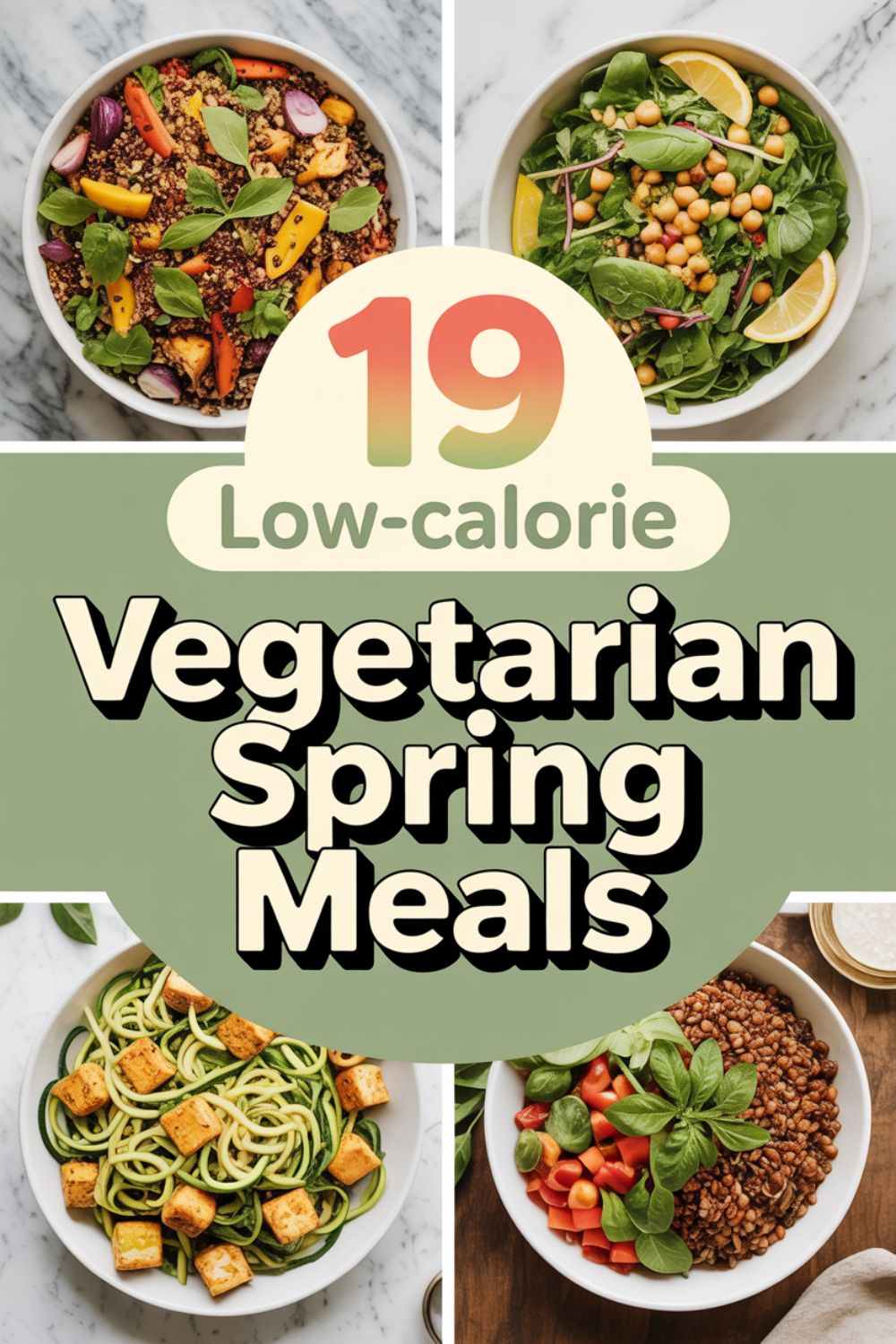
19 Low-Calorie Vegetarian Spring Meals
Spring hits different when you’re eating vegetarian, doesn’t it? The farmers’ markets explode with color, your kitchen windows stay open longer, and suddenly you’re not craving the same heavy comfort foods that got you through winter. You want fresh, bright, and filling—without the calorie bomb that comes with restaurant portions or those “healthy” meal kits that somehow pack 600 calories into a grain bowl.
I spent the last spring testing every vegetarian combo I could think of, and honestly? Some were disasters. But these 19 meals stuck around because they actually work. They clock in under 400 calories, they use spring produce at its peak, and they don’t leave you raiding the snack drawer two hours later. No sad salads, no flavorless tofu—just real food that happens to be meatless and light.
Whether you’re full-time vegetarian, doing Meatless Mondays, or just trying to lighten up your plate as the weather warms, you’ll find something here that doesn’t feel like a sacrifice.
Why Spring Is Prime Time for Vegetarian Eating
Here’s the thing about spring vegetables—they’re naturally lighter and more flavorful than their winter cousins. You don’t need to drown them in cheese or cream to make them taste good. A little lemon, some garlic, maybe a drizzle of olive oil, and you’re done.
Spring produce also tends to be higher in water content, which means more volume for fewer calories. That’s not diet talk—that’s just how asparagus, peas, and radishes work. You can eat a massive plate of roasted spring vegetables for the same calorie count as a small bowl of pasta. Your body gets the fiber, vitamins, and satisfaction without the post-meal crash.
According to Healthline’s research on vegetarian nutrition, plant-based eating patterns are naturally associated with lower calorie intake when whole foods are prioritized. That’s because vegetables, legumes, and whole grains offer more nutrients per calorie than processed foods—something nutritionists call “nutrient density.”
Plus, spring vegetables cook faster. Asparagus takes eight minutes to roast. Snap peas need a quick sauté. Radishes? You can literally eat them raw. When you’re busy and hungry, that matters more than any trendy superfood.
The 19 Spring Meals That Actually Deliver
1. Asparagus and White Bean Skillet (285 calories)
This one’s stupid simple. You sauté a bunch of asparagus in a cast iron skillet, toss in white beans and garlic, finish with lemon zest and a sprinkle of parmesan. It takes 12 minutes and tastes like you tried way harder than you did. The beans give you protein, the asparagus gives you fiber and folate, and the whole thing feels luxurious without being heavy.
I use canned beans because I’m not out here soaking dried beans on a Tuesday night. Judge me if you want, but you’ll also finish dinner before 9 PM.
2. Snap Pea and Mint Salad with Feta (240 calories)
Raw snap peas are criminally underused. They’re sweet, crunchy, and you don’t have to cook them—which means this salad happens in about five minutes. Toss them with fresh mint, crumbled feta, lemon juice, and a tiny bit of olive oil. That’s it. The mint makes it taste like spring in a bowl, and the feta adds just enough salt to keep it interesting.
If you’re not into feta, try goat cheese. If you’re dairy-free, skip the cheese entirely and add some toasted sunflower seeds for texture.
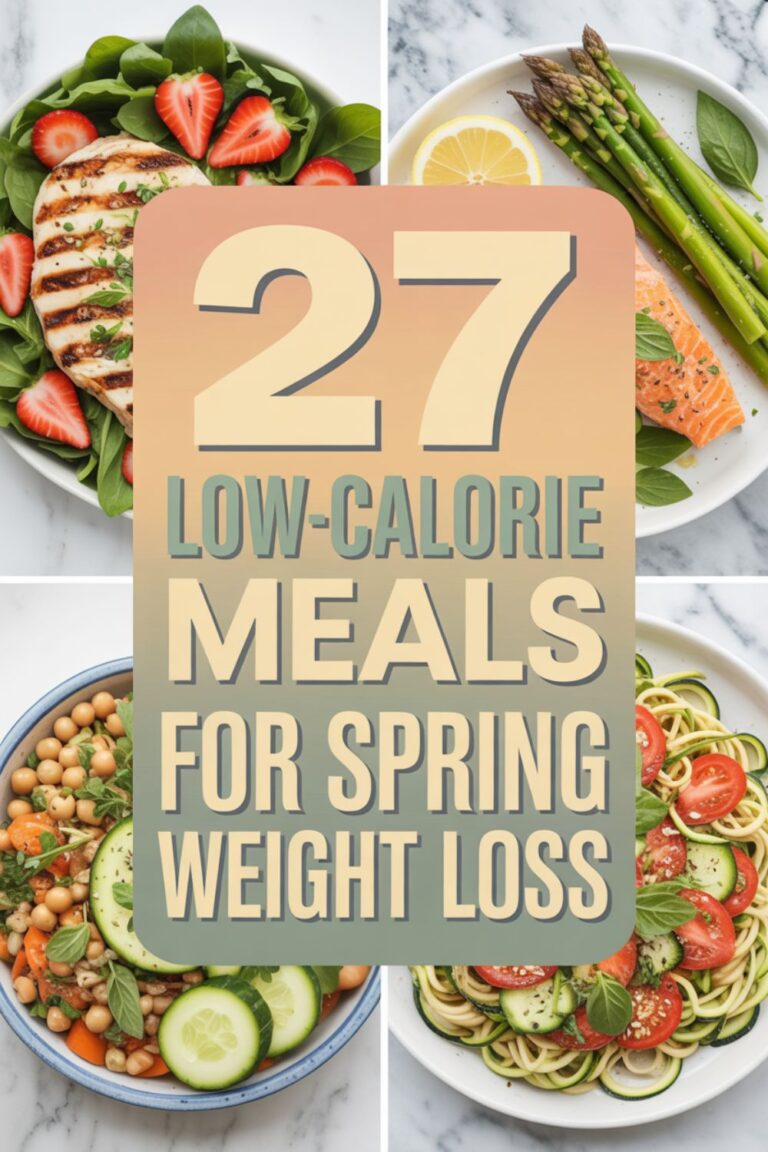
3. Zucchini Noodles with Pesto and Cherry Tomatoes (295 calories)
I know, I know—zoodles got overexposed around 2017. But hear me out. When you make them right (not overcooked and soggy), they’re actually good. You need a spiralizer that doesn’t suck, and you need to pat them dry after spiralizing. Then you lightly sauté them for exactly two minutes, toss with pesto and halved cherry tomatoes, and call it done.
The trick is using store-bought pesto but doctoring it with extra basil and lemon juice. It tastes homemade without the effort. Get Full Recipe.
4. Lemon Herb Chickpea Bowl (320 calories)
Chickpeas are the MVP of vegetarian spring eating. They’re cheap, shelf-stable, and weirdly versatile. For this bowl, you roast chickpeas with lemon zest, garlic powder, and whatever herbs you have on hand. Serve them over mixed greens with cucumber, radishes, and a tahini drizzle.
The chickpeas get crispy on the outside and stay creamy inside, and the tahini dressing makes everything taste cohesive. This is one of those meals that tastes better than it has any right to, given how little effort you put in.
5. Strawberry Spinach Salad with Balsamic (265 calories)
This salad shows up at every spring potluck for a reason—it works. Fresh strawberries, baby spinach, slivered almonds, and a balsamic vinaigrette. You can add goat cheese if you want, but honestly, it’s good without it. The strawberries bring natural sweetness, the almonds add crunch, and the balsamic ties it all together.
The key is using really good balsamic vinegar, not the cheap stuff that tastes like straight acid. A proper aged balsamic is slightly sweet and doesn’t need much olive oil to balance it out, which keeps the calories reasonable.
6. Cauliflower Fried Rice with Edamame (310 calories)
Cauliflower rice gets a bad rap, mostly because people try to use it as a 1:1 swap for regular rice and then wonder why it’s disappointing. But when you treat it like its own thing—like a vehicle for sauce and vegetables—it’s actually solid. You sauté riced cauliflower with edamame, carrots, peas, garlic, ginger, and soy sauce. Add an egg if you eat them, or leave it out if you’re vegan.
The edamame adds protein and a nice bite, and the whole thing cooks in one large nonstick wok in about 15 minutes. It’s faster than ordering takeout and costs about a third of the price.
If you’re looking for more plant-based variety, check out these low-calorie vegetarian recipes packed with flavor that use similar techniques.
7. Grilled Portobello Mushroom Caps with Chimichurri (275 calories)
Portobello mushrooms are meaty enough that you don’t miss actual meat, especially when you marinade them and grill them right. Brush them with olive oil, sprinkle with salt and pepper, and grill them for about 6 minutes per side. Top with chimichurri—which is basically parsley, garlic, vinegar, and olive oil blended together—and serve with a side of roasted vegetables.
The chimichurri is bright and acidic, which cuts through the richness of the mushrooms. This is one of those meals that feels fancy but requires almost zero skill.
8. Spring Vegetable Frittata (290 calories per serving)
Frittatas are underrated for weeknight dinners. You sauté asparagus, peas, and leeks in an oven-safe skillet, pour beaten eggs over the top, sprinkle with cheese, and finish it in the oven. It’s ready in 20 minutes, and you can eat it hot, warm, or cold. I’ve eaten leftover frittata for breakfast, lunch, and dinner in the same day. No regrets.
The eggs provide protein, the vegetables add fiber and vitamins, and the cheese adds flavor without going overboard on calories. You can also make this ahead and reheat slices throughout the week.
9. Tomato Basil Caprese with Balsamic Glaze (255 calories)
Sometimes the simplest meals hit the hardest. Slice fresh tomatoes and mozzarella, layer them with basil leaves, drizzle with balsamic glaze, and sprinkle with salt and pepper. That’s it. It’s basically summer on a plate, and it requires zero cooking.
The trick is using in-season tomatoes that actually taste like something. Out-of-season tomatoes are mealy and sad—you’re better off waiting or using cherry tomatoes, which tend to be more consistent year-round.
10. Lentil and Vegetable Soup (280 calories per bowl)
Lentil soup is one of those meals that tastes better the next day, which makes it perfect for meal prep. You simmer lentils with carrots, celery, onions, garlic, vegetable broth, and whatever herbs you like. It’s hearty, filling, and costs almost nothing to make. Plus, lentils are packed with protein and fiber, so you stay full for hours.
I usually make a massive pot on Sunday and eat it for lunch all week. You can freeze individual portions too, which is clutch when you need a quick dinner and have zero energy to cook. For more filling ideas, try these low-calorie soups that keep you full for hours.
Meal Prep Essentials Used in This Plan
Physical Products That Make Life Easier
- Glass meal prep containers with snap lids — I’ve tried every brand, and these actually seal without leaking. They’re microwave-safe, dishwasher-safe, and they don’t stain when you pack tomato-based meals.
- A quality chef’s knife that stays sharp — Chopping vegetables is 90% of vegetarian cooking. A good knife makes it faster and way less annoying. You don’t need a $200 Japanese blade, but you do need something sharper than a butter knife.
- Silicone baking mats for roasting — These replace parchment paper, nothing sticks to them, and you can reuse them forever. I have three and rotate them constantly.
Digital Resources Worth Checking Out
- Spring Meal Prep Guide (Digital Download) — Step-by-step prep instructions for making five vegetarian spring meals in under two hours. Includes shopping lists and storage tips.
- Low-Calorie Vegetarian Recipe eBook — 50 recipes under 400 calories, organized by season. The spring section is especially good if you’re tired of the same rotation.
- Macro-Friendly Meal Planning Template — If you track macros or calories, this spreadsheet does the math for you. You plug in the recipes you want to make, and it calculates everything automatically.
Join the Community: We also have a WhatsApp group where people share their meal prep wins, swap recipe ideas, and troubleshoot kitchen disasters. It’s free, supportive, and surprisingly helpful when you’re stuck in a dinner rut.
11. Roasted Radish and Arugula Salad (230 calories)
Most people don’t know you can roast radishes, but you absolutely can—and should. Roasting turns them sweet and mellow, almost like roasted turnips but faster. Toss halved radishes with olive oil, salt, and pepper, roast at 425°F for 20 minutes, then serve them over arugula with a lemon vinaigrette and shaved parmesan.
The peppery arugula balances the sweetness of the roasted radishes, and the lemon keeps everything bright. It’s one of those “wow, this is vegetarian?” meals that actually impresses people.
12. Greek-Style Stuffed Peppers (315 calories)
Bell peppers stuffed with quinoa, chickpeas, tomatoes, cucumber, olives, and feta. You can serve them hot or cold, and they travel well if you’re bringing lunch to work. The quinoa provides protein and makes them filling, while the Mediterranean flavors keep them interesting enough that you don’t get bored halfway through.
I usually make six at a time and eat them throughout the week. They reheat well in the microwave, or you can eat them straight from the fridge if you’re into that.
13. Pea and Mint Risotto (340 calories)
Okay, so risotto has a reputation for being fussy and time-consuming. But if you use arborio rice and commit to stirring for 20 minutes, it’s honestly not that bad. You sauté shallots, add the rice, gradually add vegetable broth while stirring, then fold in fresh peas and mint at the end. Finish with a little parmesan and lemon zest.
The result is creamy, comforting, and feels way more indulgent than 340 calories should. The mint keeps it from being too heavy, and the peas add sweetness and color. This is one of those meals you make when you want to feel like you’re treating yourself without actually blowing your calorie budget. Get Full Recipe.
For similar comfort food vibes without the guilt, these low-calorie comfort foods that still taste amazing hit the same spot.
14. Cucumber Avocado Gazpacho (220 calories)
Cold soup doesn’t sound appealing until it’s 80 degrees outside and you don’t want to turn on the stove. This gazpacho is refreshing, hydrating, and requires zero cooking. You blend cucumbers, avocado, lime juice, garlic, jalapeño, and cilantro until smooth, then chill it for an hour. Serve with a dollop of Greek yogurt and some diced vegetables on top.
It’s cool, creamy, and surprisingly filling. The avocado adds healthy fats, which helps with satiety, and the cucumber adds volume without calories. According to Harvard Health’s overview of dietary fats, monounsaturated fats from avocados support heart health and help your body absorb fat-soluble vitamins from the vegetables.
15. Eggplant and Chickpea Curry (295 calories)
This curry is fragrant, warming, and way easier than it sounds. You sauté onions, garlic, and ginger, add curry powder and cumin, then toss in diced eggplant and chickpeas. Pour in some coconut milk and diced tomatoes, simmer for 20 minutes, and you’re done. Serve it over cauliflower rice if you want to keep it low-calorie, or with a small portion of basmati if you need more substance.
The eggplant soaks up all the curry flavors and gets wonderfully tender, while the chickpeas add protein and texture. It’s one of those meals that feels like a hug in a bowl.
16. Spring Vegetable Quinoa Bowl (335 calories)
Quinoa bowls are the meal prep MVP because you can customize them infinitely. For this spring version, you cook quinoa, then top it with roasted asparagus, sautéed peas, cherry tomatoes, avocado, and a tahini-lemon dressing. You can add whatever vegetables you have on hand—this is more of a formula than a strict recipe.
The quinoa provides complete protein (rare for a plant-based food), and the variety of vegetables keeps it interesting. I usually make the components separately and assemble bowls throughout the week based on what I’m craving.
17. Baked Falafel with Tzatziki (310 calories)
Falafel doesn’t have to be deep-fried to be good. You can bake it and save yourself hundreds of calories without sacrificing much flavor. Blend chickpeas, herbs, garlic, and spices in a food processor, form into balls, and bake at 400°F for 25 minutes, flipping halfway through.
Serve them with homemade tzatziki (Greek yogurt, cucumber, garlic, dill, lemon) and a side salad. The tzatziki adds creaminess and tang, and the whole meal feels substantial without being heavy. You can also stuff them into pita with vegetables for a more portable option.
18. Spinach and Artichoke Stuffed Mushrooms (265 calories)
These taste like the classic dip but in a more respectable, vegetable-forward form. You remove the stems from large mushrooms, fill them with a mixture of spinach, artichoke hearts, garlic, cream cheese, and parmesan, then bake until golden. They’re rich, savory, and satisfying without being overly indulgent.
The mushrooms themselves add umami and meaty texture, while the filling is creamy and flavorful. You can serve them as a main dish with a side salad, or make smaller versions as an appetizer. Either way, they disappear fast.
19. Ratatouille with White Beans (290 calories)
Ratatouille is one of those dishes that looks impressive but is actually just vegetables roasted together. You layer sliced zucchini, eggplant, tomatoes, and bell peppers in a baking dish, drizzle with olive oil and herbs, and bake for 45 minutes. Stir in white beans at the end for protein, and you’ve got a complete meal.
It’s beautiful, it tastes like Provence, and it reheats perfectly. I usually make a big batch and eat it for days—it honestly tastes better on day two after the flavors have had time to meld. For more ideas that improve with time, check out these low-calorie meal prep ideas for busy weekdays.
Tools & Resources That Make Cooking Easier
Kitchen Tools I Actually Use
- A good vegetable peeler with a comfortable grip — Sounds basic, but peeling asparagus stems and carrots with a bad peeler is miserable. Get one that doesn’t make your hand cramp.
- Microplane grater for citrus zest and garlic — So many of these recipes use lemon or lime zest, and a microplane makes it effortless. You can also use it for fresh garlic instead of chopping, which saves time.
- Large salad spinner that actually works — Wet lettuce ruins salads. A good salad spinner gets your greens completely dry, which means dressings actually stick instead of pooling at the bottom of the bowl.
Resources for Better Meal Planning
- Seasonal Vegetable Guide (PDF Download) — A visual chart showing what’s in season each month, plus basic prep instructions. It’s weirdly helpful when you’re wandering the farmers’ market and don’t know what to do with kohlrabi.
- Vegetarian Protein Cheat Sheet — Lists all the plant-based protein sources with their protein content per serving. Useful if you’re trying to hit protein goals without tracking every single thing.
- Kitchen Conversion Chart (Printable) — How many tablespoons in a cup? What’s the metric equivalent of 350°F? This chart answers all of it and lives on my fridge.
We also host free monthly cooking challenges where everyone makes the same recipe and shares their results. It’s a good way to try new techniques with support from people who get it.
Making These Meals Work for Your Life
Look, meal planning sounds great in theory, but life happens. You get home late, you’re exhausted, and the idea of chopping vegetables feels impossible. I get it. That’s why I focus on meals that are either stupid simple or worth the time to batch cook.
The salads and cold soups take five minutes. The grain bowls and frittatas you can make ahead. The roasted vegetables require chopping and waiting, but you can do other things while they’re in the oven. None of these meals demand your constant attention or culinary expertise.
Also, you don’t have to make all 19 meals. Pick three that sound good, make them this week, and see how it goes. Trying to overhaul your entire diet overnight is how you end up ordering pizza on Wednesday.
IMO, the best approach is to have two or three go-to meals you can make with your eyes closed, plus one or two new recipes to try each week. That way you’re not bored, but you’re also not stressed trying to figure out what to cook every single night.
If you’re working within a calorie budget, these meals pair perfectly with a structured plan. Check out this 1500-calorie vegetarian meal plan for a complete week of balanced eating, or try the 7-day 1400-calorie meal plan that keeps you full if you need slightly lower intake.
The Reality of Low-Calorie Vegetarian Eating
Let’s be honest—some days you’re going to eat 1,200 calories and feel fine. Other days you’ll eat 1,800 and still be hungry. That’s normal. Your body doesn’t operate on a fixed budget, and factors like stress, sleep, exercise, and hormones all impact how hungry you feel.
The point of these meals isn’t to restrict yourself into misery. It’s to have options that are naturally lighter, nutrient-dense, and satisfying. You can eat a massive plate of vegetables for the same calorie count as a small portion of pasta with cream sauce. That’s just math, not deprivation.
Also, vegetarian doesn’t automatically mean healthy or low-calorie. You can absolutely overeat vegetarian food—cheese, nuts, oils, and processed meat substitutes all add up fast. These meals focus on whole vegetables, legumes, and grains, with fats and cheeses used as accents rather than the main event.
If you find yourself constantly hungry or low on energy, you might need more protein or healthy fats. Try adding an extra serving of chickpeas, tofu, or avocado to these meals. The calorie counts are guidelines, not rules. For higher-protein options, explore these high-protein low-calorie meals that actually keep you full.
What to Do When You’re Sick of Spring Vegetables
Even the best seasonal produce gets boring if you eat it every day for two months straight. When that happens, switch up your cooking methods or flavor profiles. Roasted asparagus is great, but so is grilled asparagus, raw shaved asparagus in salads, or asparagus blended into soup.
You can also lean on different cuisines. Mediterranean flavors (lemon, olive oil, herbs) are great, but so are Asian-inspired dishes with ginger, soy sauce, and sesame oil. Indian spices (curry, cumin, turmeric) transform the same vegetables into something completely different.
Texture matters too. If you’ve been eating raw salads all week, make a warm grain bowl. If you’ve been roasting everything, try a cold soup or a raw vegetable platter with hummus. Your brain registers variety even when you’re eating the same ingredients.
And honestly, if you’re completely over spring vegetables, it’s fine to eat something else. Food should be enjoyable, not a chore. Circle back to these meals when they sound appealing again.
Frequently Asked Questions
Can I meal prep these spring vegetarian meals for the whole week?
Absolutely. Most of these meals hold up well for 3-5 days in the fridge. The grain bowls, soups, stuffed peppers, and frittatas are especially meal-prep friendly. Salads are best assembled fresh, but you can prep all the components separately and throw them together when you’re ready to eat. Just keep wet ingredients (like dressings and tomatoes) separate from greens until serving.
Are these meals filling enough if I’m really active or work out regularly?
If you’re training hard or on your feet all day, you might need to add extra protein or healthy fats to these meals. Try doubling the chickpeas or lentils, adding a serving of nuts or avocado, or pairing these dishes with Greek yogurt or a protein smoothie. The base recipes are designed for general weight loss, but active people often need 200-300 extra calories per meal to maintain energy.
What if I don’t like some of the vegetables in these recipes?
Swap them out. The formulas matter more than the specific ingredients. If you hate eggplant, use zucchini instead. Don’t like asparagus? Try green beans or broccolini. The cooking methods and flavor combinations work with most spring vegetables, so customize based on what you actually enjoy eating. Forcing yourself to eat food you dislike never works long-term.
How do I keep these meals interesting if I’m eating them regularly?
Rotate your flavor profiles throughout the week. Do Mediterranean on Monday, Asian-inspired on Wednesday, and Indian flavors on Friday. Also, change up your cooking methods—roast, sauté, grill, or eat things raw. Even the same vegetables taste completely different when prepared differently. Adding different herbs, spices, and acids (like lemon, lime, or vinegar) also keeps your palate engaged.
Can I freeze any of these spring vegetarian meals?
The soups, curry, and ratatouille freeze beautifully. The grain bowls work if you freeze the components separately (don’t freeze avocado or fresh greens). Frittatas can be frozen in individual slices and reheated. Skip freezing anything with fresh vegetables that have high water content, like cucumber or tomatoes—they get mushy and weird when thawed. Stick to cooked dishes with heartier vegetables for best freezer results.
Final Thoughts on Spring Vegetarian Eating
Spring vegetables don’t need much to taste good. A little heat, some acid, maybe a sprinkle of cheese or a drizzle of good olive oil—that’s usually enough. You don’t need complicated recipes or expensive ingredients to eat well when produce is at its peak.
These 19 meals work because they’re simple, seasonal, and satisfying. They use vegetables when they’re naturally sweet and flavorful, they incorporate protein and fiber to keep you full, and they don’t require advanced cooking skills or three hours in the kitchen.
Whether you’re vegetarian year-round or just eating more plants to lighten up for warmer weather, these meals give you a solid rotation that doesn’t feel repetitive or boring. Pick a few that sound good, make them this week, and see what sticks. The ones you actually enjoy eating are the ones you’ll make again—and those are the only recipes that matter.