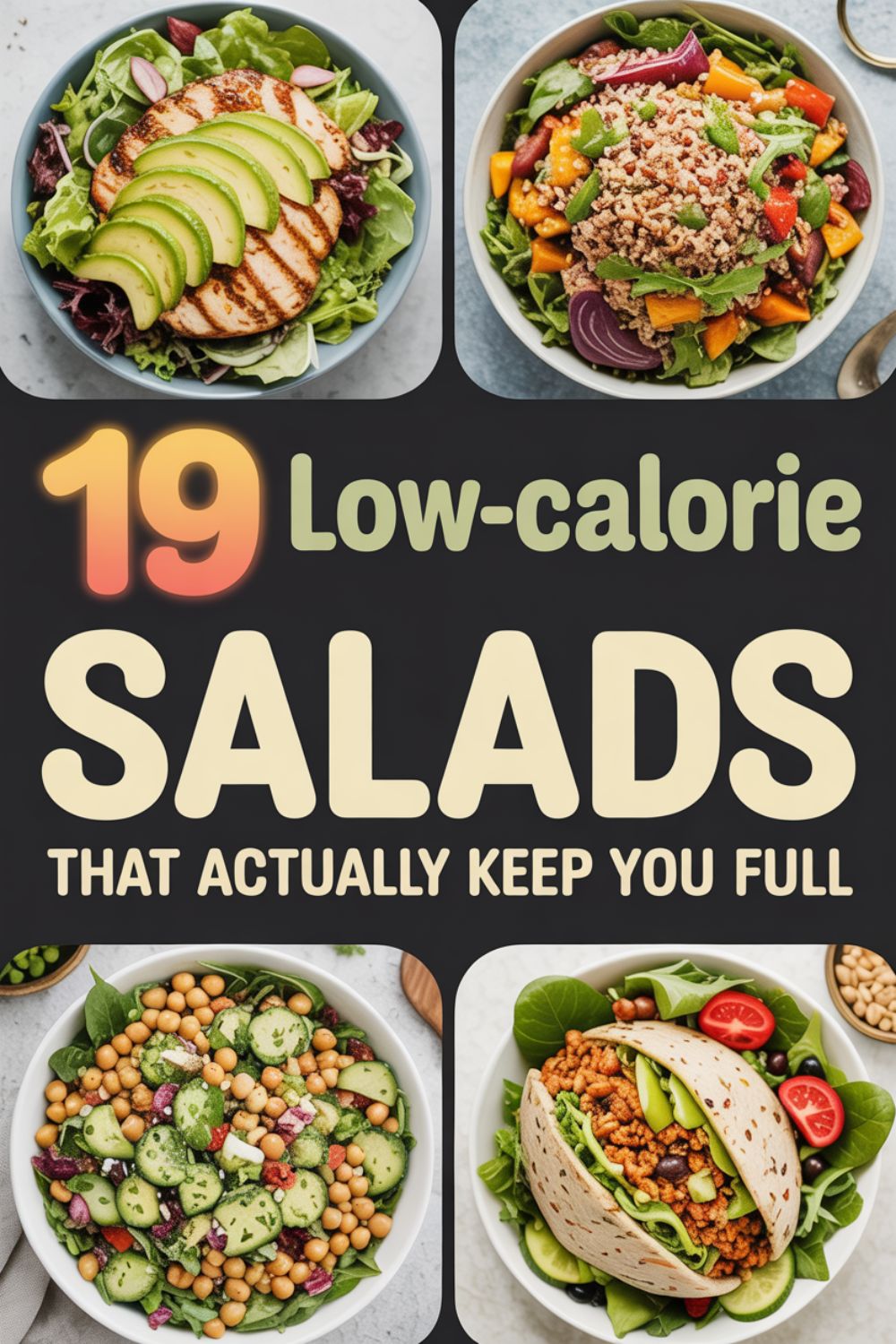
19 Low-Calorie Salads That Actually Keep You Full
Let me guess—you’ve tried the whole “salad for lunch” thing before, only to find yourself elbow-deep in a bag of chips two hours later, right? Yeah, I’ve been there too. The problem isn’t salads themselves; it’s that most of them are basically glorified lawn clippings with a sad drizzle of vinegar.
Here’s the thing: a properly built salad can absolutely keep you satisfied for hours without blowing your calorie budget. I’m talking about salads with actual substance—protein, healthy fats, fiber, and enough flavor that you don’t feel like you’re punishing yourself. After years of trial and error (and more than a few hangry afternoons), I’ve nailed down exactly what makes a low-calorie salad actually filling.
These 19 salads clock in at reasonable calorie counts but pack enough nutrition and volume to keep your stomach happy. No rabbit food here—just real meals that happen to be in a bowl.
Why Most Salads Leave You Starving (And How to Fix It)
Ever notice how restaurant salads often have more calories than a burger? That’s because they load them with cheese, croutons, and dressing that’s basically mayo in disguise. Then you swing to the opposite extreme—plain lettuce with lemon juice—and wonder why you’re ready to gnaw on your desk by 3 PM.
The secret to a filling salad is hitting three key components: protein (at least 20-25 grams), healthy fats (think avocado or nuts, not a cup of ranch), and fiber from vegetables and whole grains. When you balance these right, your blood sugar stays stable, and your stomach actually registers that you’ve eaten a meal.
I learned this the hard way after a month of sad desk salads that left me so hungry I’d destroy an entire pizza for dinner. Now I build every salad with intention, and honestly? I actually look forward to them. Some weeks I eat salads five days straight and don’t feel deprived at all.
The Formula for Salads That Actually Satisfy
Before we get into the specific recipes, let me break down the formula I use for every single one. It’s not rocket science, but it works every time.
Start With Volume
Your base should be substantial—at least 2-3 cups of greens. I’m partial to mixing spinach with arugula because you get nutrition and flavor, but romaine works great if you want that satisfying crunch. The point is volume. Your eyes need to see a full bowl, and your stomach needs the fiber.
Add Serious Protein
This is non-negotiable. Whether it’s grilled chicken, shrimp, chickpeas, or hard-boiled eggs, you need at least 4-5 ounces of protein. This is what keeps you full. According to Harvard Health, protein helps regulate hunger hormones and increases satiety more effectively than carbs or fats alone.
Include Healthy Fats
Quarter of an avocado, a tablespoon of nuts, or a drizzle of olive oil-based dressing. Fat slows digestion and makes fat-soluble vitamins actually absorbable. Skip this, and you’ll be hungry in an hour, guaranteed.
If you’re meal-prepping these salads, I keep everything in these glass meal prep containers—they’re actually leakproof, unlike every other container that’s lied to me. Store the dressing separately in these tiny dressing containers so your greens don’t get soggy.
19 Low-Calorie Salads That’ll Keep You Full for Hours
1. Mediterranean Chickpea Salad (285 calories)
This is my go-to when I need something fast that travels well. Chickpeas bring protein and fiber, cucumbers and tomatoes add crunch and volume, and a light lemon-herb dressing ties it together. Feta cheese is optional—I use about a tablespoon for flavor without going overboard on calories.
The beauty of this one is you can make a huge batch on Sunday and it actually tastes better after sitting for a day. The flavors meld, and the chickpeas soak up the dressing. I’ve eaten this four days in a row and didn’t get sick of it.
2. Asian-Inspired Chicken Salad (310 calories)
Shredded cabbage and carrots give you massive volume for almost zero calories, grilled chicken brings the protein, and a ginger-sesame dressing makes it taste like takeout. I add mandarin oranges (the kind in water, not syrup) and some slivered almonds for texture.
Pro move: use a bag of coleslaw mix as your base. I’m not above shortcuts, and this one saves you 10 minutes of chopping. Throw in some crispy wonton strips if you’re craving crunch—a small handful is only about 35 calories.
3. Taco Salad (Without the Fried Bowl) – 295 calories
All the flavors of tacos without the tortilla casualty count. I use seasoned ground turkey or lean beef, romaine lettuce, black beans, corn, tomatoes, and a dollop of Greek yogurt instead of sour cream. Salsa serves as the dressing, which is genius because it’s basically free calories.
This one’s filling enough to be dinner. If you want it extra hearty, add a few baked tortilla chips crushed on top—about 10 chips adds roughly 70 calories but makes it feel like a proper meal. Get Full Recipe
4. Cobb Salad (Lightened Up) – 340 calories
Traditional Cobb salads can hit 800+ calories, but you can build a satisfying version for less than half that. Use one hard-boiled egg instead of two, turkey bacon instead of regular, a modest amount of blue cheese, and plenty of tomatoes and cucumbers for volume.
The key is not skimping on the good stuff—just being reasonable about portions. Two tablespoons of blue cheese crumbles give you tons of flavor for about 60 calories. I use this salad chopper to cut everything into uniform pieces, which somehow makes it taste better. Maybe I’m weird, but bite-size matters.
5. Greek Salad with Grilled Shrimp – 275 calories
Shrimp is basically a cheat code for low-calorie protein—5 ounces gives you nearly 30 grams of protein for only about 140 calories. Add cucumbers, tomatoes, red onion, a bit of feta, and olives (I know they’re higher in calories, but six olives is only 25 calories and worth it for the flavor).
The dressing is just olive oil, lemon juice, oregano, and garlic. Simple, but it makes everything taste like you’re eating lunch on a Greek island instead of at your kitchen counter in your pajamas. Not that I’ve done that.
Looking for more protein-packed options? You’ll want to check out these high-protein low-calorie meals and these low-calorie high-protein meals for weight loss. They follow the same satisfying formula that keeps you full without the calorie overload.
6. Southwest Quinoa Salad – 320 calories
Quinoa brings complete protein (all nine essential amino acids, FYI), and it’s got this nutty flavor that actually tastes good cold. Mix it with black beans, corn, bell peppers, and cilantro-lime dressing. This one’s great if you’re vegetarian or just want a break from chicken.
I cook a big batch of quinoa at the start of the week in my rice cooker—yes, it works for quinoa too, and you don’t have to watch it. Game changer for meal prep.
7. Strawberry Spinach Salad with Chicken – 305 calories
This sounds fancy but takes about 8 minutes to assemble. Spinach, sliced strawberries, grilled chicken, a few walnuts, and a balsamic vinaigrette. The sweetness of the strawberries plays off the tangy dressing, and it feels like a restaurant salad.
The walnuts are important here—they add omega-3s and that satisfying crunch. Just measure them out (about 7-8 walnut halves is a serving) because it’s really easy to accidentally pour half a bag into your bowl. Speaking from experience.
8. Nicoise-Inspired Salad – 315 calories
This French classic usually features tuna, green beans, potatoes, and hard-boiled eggs. I use canned tuna in water (not oil—saves about 80 calories per can), roasted baby potatoes, and blanched green beans. One egg instead of two keeps the calories in check.
The potatoes might seem like a weird choice for a “low-calorie” salad, but a small handful (about 3-4 baby potatoes) is only 80 calories and adds serious staying power. Potatoes actually rank super high on the satiety index—basically, they keep you fuller longer than most foods at the same calorie level.
9. Buffalo Chicken Salad – 290 calories
For when you want something with a kick. Shredded chicken tossed in buffalo sauce (use the sauce sparingly—a tablespoon goes a long way), romaine lettuce, celery, carrots, and a drizzle of ranch made with Greek yogurt instead of mayo.
This satisfies the same craving as buffalo wings but for a fraction of the calories. I prep the chicken in my slow cooker with some hot sauce and a bit of chicken broth—it shreds perfectly and the flavor soaks in.
10. Caprese Salad with White Beans – 280 calories
Fresh mozzarella, tomatoes, and basil is classic, but I add white beans to make it actually filling. The beans are creamy and mild, so they don’t mess with the Caprese vibe, but they add protein and fiber that keeps you satisfied.
Use fresh mozzarella (the kind in water, not the shredded stuff), but keep it to about an ounce. A little balsamic glaze drizzled on top makes this feel really special. You can find good balsamic glaze at most stores now, or just reduce regular balsamic in a pan for a few minutes.
Meal Prep Essentials That Make Salad Life Easier
Okay, real talk—if you’re going to eat salads regularly, you need the right gear. I spent years fighting with containers that leaked dressing everywhere and greens that turned to slime by Tuesday. Here’s what actually works:
Glass Meal Prep Containers: Get the ones with the snap lids. They’re actually leakproof, and you can see what’s inside without playing container roulette in your fridge.
Salad Spinner: I resisted buying one of these for years because it seemed unnecessary. I was wrong. Wet lettuce makes your salad soggy and sad. Dry lettuce stays crisp for days.
Mason Jars for Dressing: Those tiny 2-ounce jars are perfect for individual dressing portions. Make a week’s worth at once, and you’re golden.
Digital Food Scale: Not to be neurotic about calories, but to actually know what a serving size looks like. Turns out my “quarter cup” of nuts was more like half a cup. This scale keeps me honest.
7-Day Meal Planner (Digital): I use this downloadable planner to map out my week. Saves me from the 5 PM “what am I eating” panic.
Macro-Counting Spreadsheet: If you’re tracking your nutrition, this template makes it stupidly simple to see if you’re hitting your protein goals.
Healthy Recipes eBook Collection: I grabbed this set of salad and meal prep recipes when I first started, and it’s still my go-to reference.
11. Sesame Ginger Edamame Salad – 265 calories
Edamame is seriously underrated. Shelled edamame mixed with shredded cabbage, carrots, bell peppers, and a sesame-ginger dressing gives you a crunchy, protein-packed salad that feels different from the usual suspects.
The edamame brings about 18 grams of protein per cup, which is impressive for a plant-based option. Add some toasted sesame seeds on top—a teaspoon is only about 15 calories and adds so much flavor.
12. Waldorf Salad (Updated) – 295 calories
The original Waldorf is heavy on mayo and light on nutrition. My version uses Greek yogurt as the base for the dressing, adds grilled chicken for protein, and goes lighter on the walnuts and grapes. You still get that classic sweet-savory combo without feeling like you need a nap afterward.
Apples and grapes add natural sweetness and crunch. The whole thing feels indulgent but clocks in under 300 calories. I’ve brought this to potlucks and people always ask for the recipe, not realizing it’s actually pretty healthy.
13. Italian Chopped Salad – 285 calories
Everything gets chopped small, which means every bite has all the flavors. Salami (just a little—like one ounce), mozzarella, chickpeas, tomatoes, cucumbers, pepperoncini, and red wine vinaigrette. It’s like an Italian sub without the bread.
The chopping is key here. I use this mezzaluna knife and it makes the job kind of therapeutic. Everything mixed together means you’re not getting a mouthful of just lettuce followed by a chunk of cheese—it’s balanced in every bite.
For more lunch ideas that travel well, these easy low-calorie lunch ideas for work have been lifesavers on busy weeks.
14. Thai Peanut Salad with Chicken – 325 calories
This one’s a bit higher in calories but worth it. The peanut dressing (made with PB2 or powdered peanut butter to save calories) is ridiculously good. Mixed with cabbage, carrots, bell peppers, edamame, chicken, and some cilantro, it tastes like something you’d order for $15 at a restaurant.
The PB2 trick saves you about 100 calories compared to regular peanut butter while keeping that peanutty flavor. Mix it with rice vinegar, soy sauce, a bit of honey, and sriracha. Honestly, I could drink this dressing with a straw. I don’t, but I could.
15. Farro and Roasted Vegetable Salad – 310 calories
Farro is this chewy grain that holds up really well in salads. Roast some vegetables (zucchini, bell peppers, onions—whatever you’ve got), mix with cooked farro, add some feta, and toss with lemon-herb dressing. This is great warm or cold.
The roasting step takes like 20 minutes but elevates the whole thing. Roasted vegetables are sweeter and more flavorful than raw. Plus, you can roast a big sheet pan and use them in multiple meals throughout the week.
16. Lentil and Arugula Salad – 270 calories
Lentils are stupid cheap and packed with protein and fiber. Mix cooked lentils with peppery arugula, cherry tomatoes, cucumber, and a red wine vinaigrette. Add some goat cheese if you’re feeling fancy (a tablespoon is enough).
This salad has about 15 grams of protein and 10 grams of fiber, which is why it keeps you full for hours. Emma from our community meal-prepped this for a month straight and said it was the first time she didn’t feel like she was “dieting” while losing weight. The fiber content also supports digestive health and helps regulate blood sugar levels.
17. Shrimp and Avocado Salad – 305 calories
Shrimp, avocado, grapefruit segments, and mixed greens with a citrus vinaigrette. This sounds like something you’d get at brunch, but it’s legitimately simple to make. The grapefruit adds this bright, slightly bitter note that cuts through the richness of the avocado.
If you’re prepping shrimp ahead, keep them separate from the greens until you’re ready to eat. Shrimp get weird and rubbery when they sit on lettuce for too long. Ask me how I know.
18. Moroccan-Spiced Chicken Salad – 290 calories
Season chicken with cumin, coriander, cinnamon, and paprika, then serve it over greens with chickpeas, dried apricots (just a few—they’re high in sugar but add amazing flavor), and almonds. The spices make this feel exotic without requiring any fancy ingredients.
The combination of warm spices with sweet apricots is kind of addictive. I marinate the chicken in the spice blend with some lemon juice for an hour before cooking, and it makes such a difference in flavor.
19. Steak Salad (Yes, Really) – 335 calories
You can absolutely have steak on a low-calorie plan. A 3-ounce portion of sirloin is about 180 calories and gives you 25 grams of protein. Slice it thin, serve over arugula with cherry tomatoes, red onion, and a balsamic reduction.
The trick is cooking the steak right. I use this meat thermometer to hit medium-rare every time—nothing sadder than rubbery overcooked steak on a salad. Let it rest for 5 minutes after cooking, then slice against the grain. Chef kiss.
This feels like a treat, not diet food. Sometimes you need that to stick with eating well. For more satisfying options that don’t feel restrictive, check out these low-calorie comfort foods that actually fill you up.
Tools and Resources That Make Healthy Eating Actually Doable
Look, I could give you a list of 47 things you “need” to meal prep successfully, but that’s overwhelming and mostly BS. Here’s what genuinely helps:
Mandoline Slicer: For when you want paper-thin cucumber ribbons or perfectly uniform carrot slices. This one has a safety guard so you keep all your fingertips.
Immersion Blender: Making creamy dressings without a full blender to clean? Yes. This thing blends dressing right in the jar you’ll store it in.
Vegetable Chopper: I resisted this for the longest time as a lazy kitchen gadget, but for meal prep days when I’m dicing vegetables for multiple salads, this chopper saves my sanity and my knife-wielding hand.
Weekly Meal Prep Template: This printable helps you plan which salads you’ll make, when you’ll prep components, and what you need from the store. Removes the mental load.
Calorie-Counting Cheat Sheet: Quick reference for common salad ingredients so you can build your own combinations without doing math every time.
Dressing Recipe Collection: 30+ homemade dressing recipes that beat store-bought in both flavor and nutrition. Making your own dressing is easier than you think and tastes way better.
Making These Salads Work in Real Life
Theory is great, but let’s talk about actually incorporating these into your week without losing your mind. I’ve learned a few things through trial and error (heavy on the error).
The Assembly Line Method
Don’t try to fully assemble five salads on Sunday and expect them to still be good by Friday. Instead, prep components separately. Cook all your proteins, chop all your vegetables, make your dressings, and store everything in separate containers. Then assemble each morning or the night before.
This keeps everything fresher and gives you flexibility to mix and match based on what you’re craving. Maybe you planned for Mediterranean Monday but wake up wanting Thai Tuesday instead. No problem when everything’s prepped but not committed.
The Dressing Situation
Always, always keep dressing separate until you’re ready to eat. I don’t care how fancy your container is—dressing makes lettuce sad and soggy. Those little dressing containers I mentioned earlier are clutch for this.
Or do the mason jar method: put dressing at the bottom, then add harder vegetables and proteins, then greens on top. When you’re ready to eat, shake it up. It works, though I find it slightly annoying to eat out of a jar like I’m at some trendy cafe in Brooklyn.
Protein Rotation
Eating the same protein seven days in a row is a fast track to hating salads. I rotate through chicken, shrimp, hard-boiled eggs, chickpeas, and occasionally steak or salmon throughout the week. Keeps things interesting and ensures you’re getting varied nutrients.
Speaking of variety, if you’re following a structured meal plan, these 30-day low-calorie meal plans and 21-day low-calorie meal plans for busy women take the guesswork out completely. They’re what I used when I first started and didn’t trust myself to wing it yet.
Common Salad Mistakes That’ll Leave You Hungry
I’ve made every single one of these mistakes, multiple times, so learn from my failures.
Going Too Low on Calories
A 150-calorie salad isn’t lunch—it’s a side dish pretending to be a meal. You’ll be starving in an hour and end up eating twice as many calories in snacks. Aim for at least 250-350 calories for a meal-replacement salad.
Skipping the Fat
Fat-free dressing sounds great until you realize you’re still hungry and your body can’t absorb vitamins A, D, E, and K from all those vegetables. A tablespoon of olive oil or a quarter of an avocado makes a massive difference in satiety.
Not Enough Protein
Two tablespoons of chickpeas and a sprinkle of sunflower seeds is not adequate protein. You need at least 20 grams per meal to maintain muscle mass and stay full. Protein is the most satiating macronutrient—don’t skimp on it.
Boring Vegetables Only
Iceberg lettuce and a few sad tomato wedges won’t cut it. Mix textures and flavors—crunchy cabbage, peppery arugula, sweet bell peppers, creamy avocado. Every bite should be interesting, or you’ll dread eating it.
Lisa from our meal prep community tried eating plain spinach salads for two weeks and couldn’t figure out why she kept “falling off the wagon” by Thursday. Once she started adding variety and actually seasoning things, she’s been consistent for three months now. It’s not about willpower; it’s about not torturing yourself with bland food.
Related Recipes You’ll Love
Frequently Asked Questions
Can I meal prep these salads for the whole week?
You can prep the components for 5-7 days, but I don’t recommend fully assembling salads more than 2-3 days in advance. Prep your proteins, chop your vegetables, and make your dressings on Sunday, then assemble salads as you need them. This keeps everything fresh and prevents soggy, sad lettuce by Thursday.
How do I keep my salads from getting boring?
Rotate your proteins, change up your dressings, and don’t be afraid to add different textures like nuts, seeds, or a few baked tortilla chips. The biggest game-changer for me was learning to season my proteins well—most “boring” salads are just underseasoned. Spices are free calories, so use them liberally.
Are these salads good for weight loss?
Absolutely, as long as they fit into your overall calorie goals. These salads keep you full because they’re high in protein and fiber, which helps prevent the overeating that happens when you’re constantly hungry. I lost 20 pounds eating salads like these for lunch most days because I wasn’t starving and bingeing by dinner. They’re satisfying enough to be sustainable long-term.
What if I don’t like salad dressing?
Try different options—sometimes people who hate ranch love balsamic, or vice versa. You can also use salsa, hummus thinned with lemon juice, or even just a squeeze of fresh lemon or lime with salt and pepper. The key is having some moisture and flavor, but it doesn’t have to be traditional dressing.
Can I eat these salads for dinner too?
Definitely. Most of these are substantial enough for dinner, especially the ones with heartier proteins like steak or salmon. I often have salad for dinner in the summer when it’s too hot to cook. Just make sure you’re hitting your overall calorie and protein goals for the day.
Final Thoughts on Actually Satisfying Salads
Here’s what I’ve learned after years of making salads work in real life, not just in theory: they have to be good. Not “good for diet food” or “pretty good considering it’s healthy”—actually delicious. Otherwise, you’ll last two weeks before you’re back to your old habits.
These 19 salads aren’t punishment. They’re meals that happen to be lower in calories but don’t skimp on flavor, texture, or satisfaction. Build them right—enough protein, healthy fats, and volume from vegetables—and you won’t spend your afternoon fantasizing about a vending machine run.
Start with two or three that sound appealing, get comfortable making those, then branch out. You don’t need to meal prep like a Instagram fitness influencer with matching containers and labels. Just make food you’ll actually eat, portion it reasonably, and keep dressing separate from your greens. That’s honestly 90% of the battle.
The goal isn’t to eat salads forever—it’s to have reliable options in your rotation that support your goals without making you miserable. Some weeks I eat salads five days straight. Other weeks I don’t touch one. Both scenarios are fine. Food is meant to be flexible, not another source of stress.