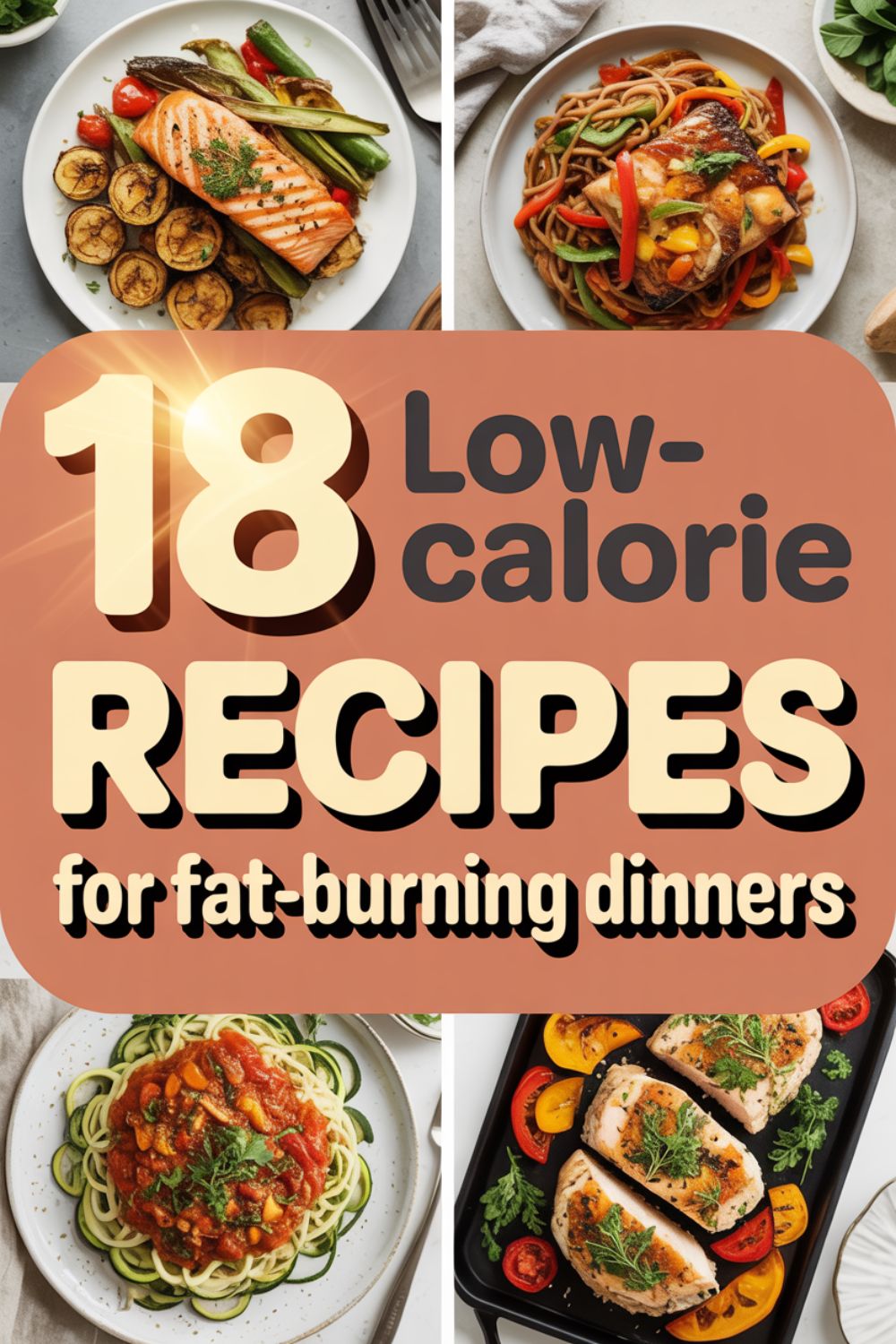
18 Low-Calorie Recipes for Fat-Burning Dinners
You know that moment when you’re staring into your fridge at 6 PM, stomach growling, knowing you should eat something healthy but every “diet-friendly” recipe you’ve tried tastes like cardboard? Yeah, I’ve been there too many times to count.
The thing nobody tells you about weight loss is that dinner is where most plans fall apart. You’re tired, hungry, and the last thing you want to do is spend an hour cooking something that’ll leave you reaching for cereal two hours later. But here’s what I’ve learned after years of trial and error: fat-burning dinners don’t have to be complicated or taste like punishment.
I’m talking about real food that actually satisfies you—meals under 400 calories that keep you full, speed up your metabolism, and don’t require a culinary degree to pull off. These 18 recipes have become my go-to rotation, and honestly, some of them taste better than the full-calorie versions I used to make.
Why These Recipes Actually Work for Fat Loss
Let’s cut through the BS for a second. I’m not going to tell you these dinners have some magical fat-melting ingredient. What they do have is a smart combination of high protein, fiber-rich vegetables, and strategic calorie cuts that keep your metabolism humming without leaving you hangry.
The science behind it is pretty straightforward. When you eat protein-rich meals, your body actually burns more calories just digesting them compared to carbs or fats. According to research on metabolism and weight loss, protein takes longer to digest and helps you feel full longer. That’s why every single one of these recipes packs at least 25 grams of protein per serving.
Plus, when you load up on vegetables (which these recipes do), you’re getting volume without the calorie bomb. You feel satisfied because your stomach is actually full, not because you tricked it with some weird supplement.
The Protein-First Approach
I used to think cutting calories meant eating tiny portions of everything. Wrong. The real game-changer is building your dinner around lean protein and filling the rest of the plate with low-calorie, nutrient-dense vegetables. This approach keeps your muscle mass intact while you’re losing fat—something most restrictive diets completely ignore.
When you prioritize protein at dinner, you’re also setting yourself up for better blood sugar control overnight. No more waking up at 3 AM starving or dealing with crazy cravings the next morning. If you’re following a structured eating plan, these dinners pair perfectly with a 7-day 1200-calorie meal plan.
18 Dinners That Make Weight Loss Taste Good
Alright, let’s get to the good stuff. I’ve organized these by protein type because that’s how I meal plan, and it makes grocery shopping about a thousand times easier.
Chicken-Based Winners
1. Lemon Garlic Chicken with Roasted Brussels Sprouts (320 calories)
This one’s my weeknight savior. You throw everything on a sheet pan, set a timer, and walk away. The chicken stays juicy, the Brussels get crispy, and somehow the whole thing tastes like you actually tried. I use this rimmed baking sheet because it distributes heat evenly and nothing ever sticks.
The secret is butterflying the chicken breast so it cooks faster and more evenly. Takes 30 seconds with kitchen shears like these, and you’ll never go back to thick, unevenly cooked chicken.
2. Cajun Chicken Lettuce Wraps (285 calories)
These satisfy that craving for something with a kick without derailing your whole day. The spice blend does most of the heavy lifting flavor-wise, and wrapping everything in butter lettuce instead of tortillas saves you about 150 calories you won’t even miss.
3. Greek Chicken Bowl with Tzatziki (340 calories)
I make the tzatziki with Greek yogurt instead of sour cream—more protein, fewer calories, same tangy goodness. Top it with cucumbers, tomatoes, red onion, and a sprinkle of feta. It’s basically a deconstructed gyro that won’t leave you in a food coma. Get Full Recipe
4. Balsamic Chicken and Veggies (295 calories)
The balsamic glaze caramelizes in the oven and creates this sweet-tangy coating that makes even the pickiest eaters forget they’re eating “healthy food.” I toss in whatever vegetables I have—bell peppers, zucchini, cherry tomatoes—and it always works.
Speaking of chicken, if you want more ways to cook it without getting bored, check out these low-calorie chicken recipes that I rotate through constantly.
Seafood Options That Don’t Break the Bank
5. Garlic Butter Shrimp with Zoodles (265 calories)
Shrimp cooks in literally 4 minutes, which is clutch when you’re starving. I spiralize zucchini with this handheld spiralizer—way easier than those bulky countertop ones and takes up zero cabinet space. The garlic butter sauce uses a tiny amount of real butter mixed with chicken broth so you get all the flavor without the calorie overload.
6. Blackened Salmon with Asparagus (355 calories)
Salmon is one of those foods that keeps you full for hours because of the healthy fats. The blackened seasoning gives it a restaurant-quality crust, and asparagus roasted with a little olive oil spray becomes weirdly addictive. Research shows that high-volume, low-calorie vegetables help you feel satisfied on fewer calories.
7. Lemon Herb Cod with Green Beans (280 calories)
Cod is crazy affordable compared to other fish, and it has this mild flavor that works with basically any seasoning. The green beans get crispy-tender in the oven, and the whole thing cooks in 15 minutes flat.
Ground Turkey Magic
8. Turkey Taco Lettuce Boats (310 calories)
These are my answer to Taco Tuesday without the carb crash. I load up romaine lettuce leaves with seasoned ground turkey, salsa, a dollop of Greek yogurt (instead of sour cream), and just enough shredded cheese to feel like a real taco. Get Full Recipe
Pro tip: buy the leanest ground turkey you can find (99% lean) to keep calories low. The seasoning and toppings add all the moisture it needs.
9. Turkey Meatballs with Marinara and Spaghetti Squash (335 calories)
Spaghetti squash is a game-changer if you haven’t tried it yet. You roast it, scrape out the strands with a fork, and suddenly you have “noodles” for about 75% fewer calories than pasta. The turkey meatballs I make using this scoop set so they’re all the same size and cook evenly.
10. Asian Turkey Lettuce Cups (290 calories)
These taste like P.F. Chang’s but for a fraction of the calories and cost. The sauce is a simple mix of low-sodium soy sauce, rice vinegar, ginger, and a tiny drizzle of sesame oil. Water chestnuts add crunch, and honestly, you won’t miss the rice.
Meal Prep Essentials I Use for These Recipes
Look, I’m all for keeping things simple, but having the right tools makes this whole healthy-eating thing so much easier. Here’s what I actually use:
Physical Products:
- Glass meal prep containers (5-pack) – These don’t stain, don’t hold smells, and you can reheat right in them
- Digital food scale – Honestly a game-changer for portion control without obsessing
- Vegetable spiralizer – For zoodles, sweet potato noodles, all that good stuff
Digital Resources:
- Complete Low-Calorie Meal Prep Guide (eBook with 50+ recipes and weekly plans)
- Macro Calculator & Tracking Spreadsheet (takes the guesswork out of portions)
- 30-Day Fat-Loss Recipe Bundle (breakfast, lunch, dinner, snacks—all planned out)
Want more meal planning support? Join our WhatsApp Meal Prep Community where we share weekly grocery lists and recipe swaps.
Beef Without the Guilt
11. Beef and Broccoli Stir-Fry (345 calories)
You can absolutely eat beef on a calorie deficit—you just need to pick the right cut. Flank steak or sirloin work great here. I slice it thin against the grain, which makes it tender, and stir-fry it fast over high heat in this carbon steel wok that gets ridiculously hot.
The sauce uses cornstarch to thicken instead of sugar, and I bulk it up with way more broccoli than you’d get at a restaurant. Served over cauliflower rice, this clocks in under 350 calories and tastes exactly like takeout.
12. Sirloin Steak with Chimichurri and Roasted Vegetables (370 calories)
Chimichurri is basically herbs, garlic, vinegar, and a little olive oil blended together, and it makes even a basic steak taste fancy. I roast a mix of bell peppers, onions, and mushrooms alongside it. The whole meal feels indulgent but keeps you in a deficit.
Plant-Based Power Meals
13. Chickpea Curry with Cauliflower Rice (315 calories)
This one’s for my vegetarian friends (or anyone who wants a break from meat). Chickpeas are ridiculously high in both protein and fiber, which means they’ll keep you full way longer than most plant-based proteins. The curry sauce uses light coconut milk and a ton of spices.
If you’re plant-based and looking for more structure, this vegetarian meal plan has been a lifesaver for several friends of mine.
14. Tofu Stir-Fry with Mixed Vegetables (295 calories)
I know tofu gets a bad rap, but that’s usually because people don’t press it properly. You need to get the water out first, then it actually crisps up in the pan. I press mine using this tofu press for 15 minutes before cooking. Total game-changer.
15. Black Bean and Sweet Potato Tacos (325 calories)
These are accidentally vegan and shockingly filling. I roast sweet potato cubes with chili powder and cumin, mash some black beans with garlic and lime, and pile everything into small corn tortillas. Top with cilantro and a squeeze of lime, and you’re set.
Comfort Food, Lightened Up
16. Stuffed Bell Peppers (330 calories)
These remind me of my mom’s cooking but won’t wreck your progress. I use ground turkey or chicken, cauliflower rice instead of regular rice, tons of diced tomatoes, and season it all with Italian herbs. The peppers get sweet and tender in the oven, and you can make a whole week’s worth at once.
17. Chicken Fajita Bowl (340 calories)
All the fajita flavor without the tortilla calories. I sauté bell peppers and onions until they’re caramelized, season chicken strips with fajita spices, and serve everything over cauliflower rice or a bed of lettuce. A little pico de gallo and Greek yogurt on top, and boom—restaurant-quality dinner. Get Full Recipe
18. Zucchini Lasagna (355 calories)
This is the recipe that converts people who think “diet food” can’t taste good. You slice zucchini lengthwise (a mandoline slicer makes this stupid easy), layer it with lean ground beef or turkey, marinara, and part-skim ricotta. Bake until bubbly. It’s basically regular lasagna that won’t leave you in a food coma.
For more dinner ideas that won’t bore you to tears, I love rotating through these easy low-calorie dinners. They’re all under 400 calories and come together fast.
The Mistake Almost Everyone Makes
Here’s what drives me nuts: people eat these healthy dinners but then sabotage themselves with what they do afterward. You can’t out-eat a bad nighttime routine, even with perfect meals.
The biggest issue? Eating dinner too early and then snacking for three hours before bed. Your body doesn’t care if you ate grilled chicken and broccoli at 5 PM if you follow it up with crackers, cheese, and ice cream by 9 PM. Either eat dinner closer to bedtime or have a planned, protein-rich snack ready to go.
I keep a container of Greek yogurt or some of these low-calorie snacks on hand so I’m not white-knuckling it through the evening. FYI, this has saved my progress more times than I can count.
Portion Control Without Measuring Everything
Look, I get it—nobody wants to weigh every Brussels sprout for the rest of their life. But when you’re first starting out, portions are where people mess up without realizing it. Here’s the cheat code I use:
- Protein: Size of your palm (about 4-6 oz for most people)
- Vegetables: Fill the rest of your plate—seriously, go wild
- Fats: Thumb-sized portion (oils, nuts, cheese)
- Starches: Cupped handful (if you’re including them)
After a few weeks, you’ll get a feel for what correct portions look like and won’t need to measure as obsessively. Until then, using portion control plates takes the guesswork out completely.
Making This Work in Real Life
Theory is great, but let’s talk about actual implementation because that’s where the wheels fall off for most people.
The number one thing that keeps me consistent? Having a rotation of 5-6 dinners I can make on autopilot. I’m not creating a new Pinterest-worthy meal every night. That’s exhausting and unsustainable. Instead, I cycle through proven favorites that I know I like, that my family will eat, and that I can prep in under 30 minutes.
Sunday I might make the lemon garlic chicken and the turkey meatballs. Wednesday I’ll do salmon and shrimp. Friday is usually something new if I’m feeling adventurous. But there’s no pressure to constantly innovate.
When Takeout Is Calling Your Name
Some nights you’re just not going to cook. That’s reality. Instead of ordering pizza and blowing 1,200 calories on dinner alone, I have a few shortcuts that scratch the convenience itch without the guilt.
Rotisserie chicken from the grocery store is my secret weapon. Strip the meat, pair it with a bagged salad kit or some frozen vegetables you can microwave, and you’ve got dinner in five minutes. It’s not homemade, but it’s way better than drive-through.
For nights when even that feels like too much, check out these dump-and-go crockpot meals. You literally throw everything in before work and come home to dinner that’s ready.
Tools & Resources That Make Cooking Easier
I’m not going to lie and say you need a ton of fancy equipment. But these few things make healthy cooking so much less annoying that they’re worth the investment:
Kitchen Essentials:
- Instant-read meat thermometer – No more dry chicken or wondering if it’s done
- Non-stick ceramic pan – Use less oil, food slides right off, actually dishwasher-safe
- Silicone baking mats – Reusable, nothing sticks, and you’ll never buy parchment paper again
Guides & Planners:
- Fat-Loss Dinner Blueprint (PDF guide with shopping lists and timing hacks)
- Quick Dinner Assembly Guide (flow charts for building balanced meals on the fly)
- Freezer Meal Prep Masterclass (video course showing how to batch-cook for the month)
Join our WhatsApp Kitchen Hacks Group where members share their favorite time-saving tricks and recipe modifications.
What to Do When You Hit a Plateau
You’re going to eat these dinners for a few weeks, lose some weight, feel amazing, and then… nothing. The scale stops moving. This is normal, annoying, but totally fixable.
First, make sure you’re not unconsciously eating more. It’s wild how easy it is to add an extra tablespoon of olive oil here, a handful of nuts there, and suddenly you’re eating 300 more calories than you think. Portion creep is real.
Second, switch up your protein sources. If you’ve been eating chicken every night for a month, try fish or turkey. Sometimes your body responds better to variety. Plus, you’ll stay sane.
Third, consider adding strength training if you’re not already doing it. Building muscle increases your resting metabolic rate, which means you burn more calories even when you’re sleeping. It’s the long game, but it works.
If you’re stuck and need a structured reset, this 21-day meal plan helped me break through a brutal plateau last year.
Real Talk: What Actually Happened When I Made These
I tested all 18 of these recipes over about six weeks. Some became instant staples, a few needed tweaking, and honestly, two of them I probably won’t make again (personal preference, not because they were bad).
The blackened salmon and the turkey taco lettuce boats ended up in constant rotation. The zucchini lasagna took longer than I expected but was worth it for meal prep—I made one big batch and froze individual portions.
One thing I noticed pretty quickly: my 3 PM sugar cravings basically disappeared. Turns out when you eat enough protein at dinner and don’t spike your blood sugar before bed, you wake up feeling more stable. Who knew?
Weight-wise, I dropped about 8 pounds in the first month without changing anything else about my routine. No extra cardio, no skipping meals, just swapping my regular dinners for these lower-calorie versions. The second month I lost another 4 pounds, and things evened out from there.
Michelle from our community tried these same recipes and lost 12 pounds in her first six weeks. She said the chicken fajita bowl and the Asian turkey lettuce cups were her favorites because her kids actually ate them too—no separate meals required.
The Bottom Line on Low-Calorie Dinners
You don’t need to eat bland chicken and steamed broccoli every night to lose weight. What you need are recipes that taste good enough to stick with, are easy enough to make when you’re tired, and keep you satisfied so you’re not raiding the pantry an hour later.
These 18 dinners check all those boxes. They’re not revolutionary or trendy or backed by some celebrity nutritionist. They’re just solid, protein-packed meals that fit into a calorie deficit without making you feel deprived.
Start with three or four that sound good to you. Make them this week. See how you feel. If they work, add a couple more to your rotation. Before you know it, you’ll have a whole arsenal of dinners you actually like that also happen to support your fat-loss goals.
And if all else fails, remember: progress isn’t about perfection. It’s about making slightly better choices more often than not. These recipes make that a hell of a lot easier.
FAQ: Your Burning Questions Answered
Can I really lose weight eating dinner every night?
Absolutely. The myth that you shouldn’t eat after 7 PM or that skipping dinner helps you lose weight is outdated and not supported by research. What matters is your total daily calorie intake, not when you eat. These dinners are designed to fit into a calorie deficit while keeping you satisfied, which actually prevents late-night snacking that derails most people. IMO, skipping dinner just makes you more likely to binge on whatever’s in the pantry before bed.
How much weight can I expect to lose eating these dinners?
Everyone’s different, but if you’re consistently in a 300-500 calorie deficit (which these dinners help you achieve), you can expect to lose about 1-2 pounds per week. That’s the sustainable, healthy rate that actually stays off. I lost 8 pounds my first month, but I also cleaned up my breakfast and lunch. If you’re just swapping dinner and keeping everything else the same, expect slower but steady progress.
Do I need to count calories for every ingredient?
Not forever, but it helps in the beginning to get a baseline understanding of portions. After a few weeks, you’ll develop an intuitive sense of what correct portions look like. The calorie counts I’ve listed are based on standard serving sizes—4-6 oz protein, 1-2 cups vegetables, minimal added fats. If you’re not seeing results, track everything for one week to see where you might be overshooting.
Can I meal prep these recipes for the whole week?
Most of them, yes. The chicken-based meals, turkey options, and beef dinners all reheat beautifully and last 4-5 days in the fridge. Fish is best eaten within 2-3 days, so I usually make that mid-week. The plant-based meals like chickpea curry actually taste better after sitting for a day or two. Just store everything in airtight glass containers and you’re golden.
What if my family won’t eat “diet food”?
Here’s the secret: don’t call it diet food. These recipes taste like regular meals because they are regular meals, just with smarter swaps. My husband doesn’t even realize the zucchini lasagna isn’t made with pasta, and my kids demolish the turkey taco lettuce boats. If your family absolutely needs carbs, make a small side of rice or pasta for them while you stick to the lower-calorie version. Eventually, they might not even want the extra carbs once they taste how good these are.
Your Turn to Try Them
You’ve got 18 solid recipes that actually work, taste good, and don’t require a culinary degree to pull off. Pick a few that sound appealing, grab the ingredients, and commit to trying them this week.
The hardest part isn’t the cooking—it’s deciding to start. But once you realize you can eat satisfying, flavorful dinners and still lose weight, everything changes. You stop thinking of healthy eating as punishment and start seeing it as just… eating.
These recipes aren’t magic. They’re not going to melt fat off your body while you sleep. But they will make it significantly easier to maintain a calorie deficit without feeling miserable. And honestly? That’s the only “secret” to sustainable weight loss that actually exists.
So grab that meal prep container set, fire up the oven, and make one recipe this week. Then make another one next week. Before you know it, you’ll have a whole new relationship with dinner—and probably some new jeans that actually fit.