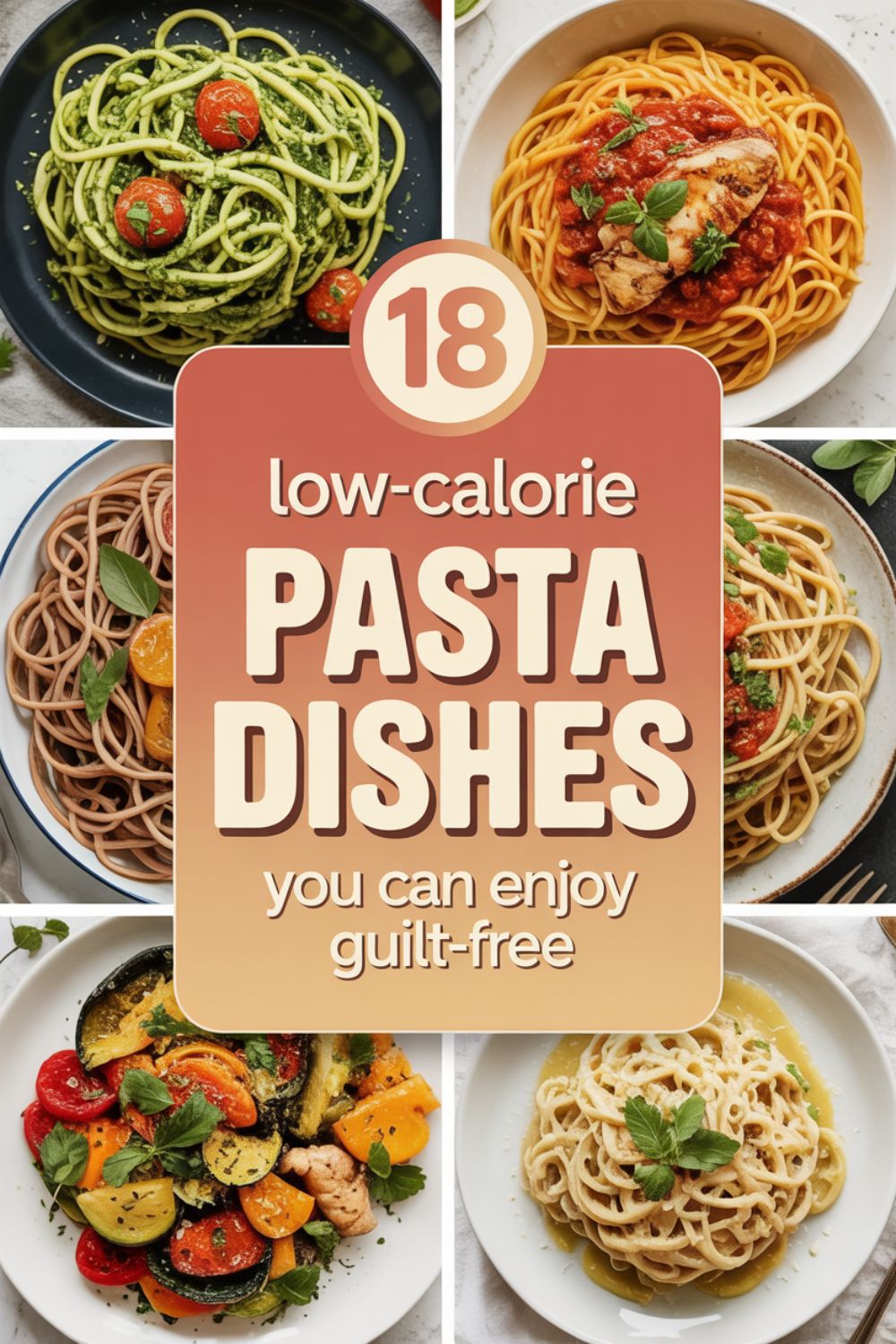
18 Low-Calorie Pasta Dishes You Can Enjoy Guilt-Free
Look, I’m not going to tell you pasta is the enemy. Anyone who says you need to quit carbs entirely to lose weight clearly hasn’t discovered the magic of portion control and smart swaps. The truth is, you can absolutely enjoy pasta while watching your calories—you just need to know a few tricks.
I’ve spent years figuring out how to keep pasta in my rotation without derailing my weight loss goals. These 18 dishes prove you don’t have to choose between flavor and your fitness tracker. We’re talking creamy sauces, hearty proteins, and yes, even some cheese. Just not the kind of portions that leave you in a food coma for three hours.
Whether you’re trying to stick to a 7-day 1200-calorie meal plan or just want lighter dinner options, these recipes actually deliver on taste without wrecking your calorie budget.
Why Low-Calorie Pasta Actually Works
Here’s the thing about pasta: it’s not inherently fattening. What gets us into trouble is eating massive bowls of it drowning in butter and cream, then wondering why the scale won’t budge. The pasta itself? Totally manageable when you approach it strategically.
Research shows that whole grain pasta provides more fiber and nutrients than regular refined pasta, which helps you feel fuller on smaller portions. It’s got this slow-burning energy thing going on that keeps you satisfied longer. Plus, when you pair pasta with the right proteins and vegetables, you’re building a balanced meal that doesn’t spike your blood sugar like crazy.
I’ve tested this approach with tons of meals from my 30-day low-calorie meal plan, and honestly? The pasta dishes are the ones I look forward to most. They don’t feel like diet food at all.
The Secret to Making Pasta Diet-Friendly
Okay, so what actually makes these pasta dishes work for weight loss? It comes down to four main strategies that I use in basically every recipe.
Smart Portion Sizes
Most restaurants serve you 3-4 cups of cooked pasta. That’s insane. A proper serving is 1-1.5 cups max. Sounds tiny until you bulk it up with vegetables and protein. Then suddenly it’s a full plate that keeps you satisfied for hours.
I measure my pasta dry—usually 2 ounces, which cooks up to about a cup. This one habit has been a game-changer for keeping my calories in check without feeling deprived.
Vegetable Volume
This is where the magic happens. For every cup of pasta, I add at least two cups of vegetables. Zucchini, mushrooms, spinach, bell peppers, broccoli—whatever you’ve got works. The vegetables add bulk and nutrients without adding many calories, so you still get that satisfying full-plate experience.
Sometimes I even swap half the pasta for spiralized zucchini or other veggie noodles. You barely notice the difference when everything’s tossed in a good sauce. If you’re new to this approach, check out these low-calorie lunch ideas that use similar volume-eating techniques.
Protein Power
Adding lean protein to your pasta is non-negotiable if you want it to actually fill you up. I’m talking chicken breast, shrimp, turkey, white fish, or even plant-based options like chickpeas. Protein keeps you full and helps maintain muscle while you’re losing weight.
My go-to is 4 ounces of grilled chicken or shrimp per serving. It bumps up the calories slightly but keeps me satisfied way longer than plain pasta ever could. For more inspiration, these low-calorie high-protein meals show exactly how I balance macros.
Sauce Swaps
Here’s where people usually mess up. Those creamy Alfredo and carbonara sauces? They’re basically just heavy cream and cheese. One serving can easily hit 400 calories before you even add the pasta.
Instead, I use tomato-based sauces, light pesto made with Greek yogurt, or this low-calorie cooking spray to sauté vegetables instead of drowning them in olive oil. You still get incredible flavor without the calorie bomb.
18 Pasta Dishes That Won’t Derail Your Diet
Alright, let’s get to the actual recipes. Each of these comes in under 400 calories per serving, and most clock in closer to 300. They’re sorted by sauce type to make meal planning easier.
Tomato-Based Pasta Dishes
1. Classic Marinara with Zucchini Noodles
Half regular pasta, half spiralized zucchini, topped with homemade marinara and turkey meatballs. The zucchini adds bulk without calories, and you honestly can’t tell it’s there once the sauce hits it. Around 285 calories per serving.
2. Arrabbiata with Shrimp
Spicy tomato sauce with plenty of garlic and red pepper flakes, tossed with whole wheat penne and sautéed shrimp. The heat in this dish actually helps you eat slower, which is great for portion control. Comes in at about 310 calories.
3. Roasted Cherry Tomato Pasta
Oven-roasted cherry tomatoes burst into this naturally sweet sauce that needs zero added sugar. Mix in some fresh basil and a sprinkle of parmesan, and you’ve got something that tastes way fancier than its 265-calorie count suggests.
Speaking of tomato-based dishes, you might also love these low-calorie dinners under 350 calories that feature similar Mediterranean flavors.
4. Puttanesca with Anchovies
Don’t skip the anchovies—they dissolve into the sauce and add this incredible umami depth. Plus olives, capers, and tomatoes make this dish so flavorful you forget it’s only 295 calories. I use this pasta portioner tool to measure perfect 2-ounce servings every time.
Meal Prep Essentials Used in These Recipes
After making these dishes a hundred times, here’s what actually makes the process easier:
Physical Products:
- Glass meal prep containers with dividers – Keeps pasta separate from sauce so it doesn’t get soggy
- Digital food scale – Measuring pasta by weight is way more accurate than eyeballing
- Spiralizer for veggie noodles – Makes zucchini noodles in literally 30 seconds
Digital Resources:
- My complete macro tracking spreadsheet – Pre-calculated nutrition for 50+ pasta combinations
- Weekly pasta meal prep guide – Step-by-step system for batch cooking 5 different pasta dishes
- Low-calorie sauce recipe collection – 25 sauces all under 100 calories per serving
Join our WhatsApp community for weekly meal prep tips and recipe swaps!
Creamy Pasta Dishes (Made Lighter)
5. Greek Yogurt Alfredo
This was a total game-changer for me. You replace the heavy cream with Greek yogurt and a splash of pasta water, and somehow it’s still creamy and rich. Add some roasted chicken and broccoli, and you’ve got a 340-calorie version of a dish that’s usually 800-plus.
6. Cauliflower Cream Pasta
Blend steamed cauliflower with vegetable broth and garlic, and you get this insanely creamy sauce for about 60 calories. Mix it with whole wheat fettuccine and sautéed mushrooms. Nobody ever guesses there’s cauliflower in there. Trust me on this one—only 275 calories per bowl.
7. Light Carbonara with Turkey Bacon
Traditional carbonara is basically egg yolks and pork fat. This version uses turkey bacon, egg whites, and a touch of parmesan for that classic flavor without the calorie avalanche. Around 320 calories and surprisingly authentic-tasting.
“I’ve been making the Greek yogurt Alfredo every week since I found this article. Lost 12 pounds in two months and never felt like I was dieting. My family doesn’t even realize these are ‘diet’ recipes!” – Jennifer from the community
8. Avocado Pesto Pasta
Half avocado, fresh basil, lemon juice, and a tiny bit of olive oil blended into this bright green sauce. It’s creamy, fresh, and only 305 calories when you toss it with pasta and cherry tomatoes. I prep this sauce in my mini food processor that’s perfect for small batches.
Vegetable-Forward Options
9. Primavera with Lemon Garlic
Basically every vegetable in your crisper drawer, sautéed with garlic and tossed with pasta. The secret is using whole grain pasta that can stand up to all those vegetables. Finish with lemon zest and a small amount of parmesan. About 290 calories of pure veggie goodness.
10. Shirataki Noodle Pad Thai
Okay, technically shirataki noodles aren’t pasta, but they work the same way in this dish. These miracle noodles have basically zero calories, so you can pile on the peanut sauce, vegetables, and protein. The whole thing comes to around 245 calories. Get Full Recipe
For more creative ways to use vegetables in main dishes, check out these low-calorie meals under 300 calories that use similar techniques.
11. Eggplant and Tomato Baked Pasta
Roasted eggplant melts into this tomato sauce and becomes almost meaty in texture. Toss with rigatoni, top with a little mozzarella, and bake until bubbly. It’s comfort food that actually fits your macros at 335 calories per serving.
12. Spaghetti Squash Bolognese
I use half spaghetti squash strands and half actual spaghetti for this one. The squash soaks up the meaty Bolognese sauce perfectly, and you get a massive, filling portion for only 315 calories. Making this in my programmable slow cooker means the sauce is ready when I get home.
Protein-Packed Pasta
13. Chicken and Broccoli Pasta
This is probably my most-made recipe. Whole wheat penne, grilled chicken breast, steamed broccoli, and a light garlic-lemon sauce made with chicken broth. Nothing revolutionary, but it hits every macro perfectly and only costs you 295 calories.
14. Turkey Meatball Marinara
Ground turkey meatballs are way lower in calories than beef versions but still pack serious protein. Make a big batch and freeze them for quick weeknight dinners. With the pasta and sauce, you’re looking at 340 calories for a seriously satisfying meal. Get Full Recipe
15. Lemon Garlic Shrimp Linguine
Shrimp cooks in like five minutes and adds tons of protein without many calories. Toss with whole wheat linguine, tons of garlic, lemon juice, and fresh parsley. The whole dish takes 20 minutes and comes in at 285 calories. I always keep frozen shrimp on hand for this exact recipe.
If you’re focusing on protein, these high-protein low-calorie meals offer even more options beyond pasta.
16. Tuna and White Bean Pasta
Canned tuna and white beans create this Mediterranean-style pasta that’s ridiculously high in protein. Add some cherry tomatoes, spinach, and a squeeze of lemon. Super budget-friendly at around 305 calories per serving.
Asian-Inspired Light Pasta
17. Ginger Soy Noodle Bowl
Whole wheat spaghetti works perfectly as a substitute for Asian noodles. Toss with stir-fried vegetables, a light soy-ginger sauce, and some edamame for protein. This nonstick wok makes the stir-frying so much easier without needing tons of oil. Around 310 calories total.
18. Sesame Peanut Pasta Salad
This one’s great as a cold lunch option. Whole wheat rotini, shredded cabbage, carrots, edamame, and a light peanut dressing made with PB2 powder instead of regular peanut butter. Saves you about 150 calories compared to traditional peanut noodles. Comes in at 295 calories and tastes even better the next day. Get Full Recipe
Tools & Resources That Make Cooking Easier
These are the things I actually use every single week (not just stuff I’m recommending for the sake of it):
Kitchen Tools:
- Instant-read thermometer – For perfectly cooked chicken every time
- Silicone baking mats – No more stuck-on cheese or scrubbing sheet pans
- Fine mesh strainer – Essential for rinsing shirataki noodles and draining pasta
Digital Products:
- Low-calorie pasta cookbook PDF – 100+ tested recipes with full nutrition info
- Portion size visual guide – Photos showing exactly what 2 oz of different pasta shapes looks like
- Freezer-friendly pasta sauces guide – Which sauces freeze well and reheating instructions
Making These Recipes Work in Real Life
Here’s what I’ve learned from actually living with these recipes instead of just making them once for a blog post: meal prep is everything. I know that sounds boring, but it’s the difference between actually eating these healthy pasta dishes versus ordering pizza at 9 PM because you’re starving.
Every Sunday, I cook three different pasta recipes. Each gets divided into individual portions using those glass containers with dividers I mentioned. The pasta goes in one section, the protein and vegetables in another. When I reheat them, everything stays the right texture instead of turning into mush.
Storage Tips That Actually Matter
Don’t store pasta and sauce together for more than a day or two. The pasta absorbs liquid and gets weird. Keep them separate in the fridge for up to five days, or freeze portions for up to three months.
Shirataki noodles need to be rinsed really well—like, rinse them for a full minute under cold water. Otherwise they have this slightly fishy smell that’s off-putting. Once you rinse them properly and dry-sauté them in a pan for a couple minutes, they’re completely neutral.
For more meal planning strategies that actually stick, check out this guide on how to lose weight on 1200-1500 calories without starving.
The Pasta Types That Work Best
Not all pasta is created equal when you’re watching calories. Here’s what I’ve found actually works:
- Whole wheat pasta – More fiber, keeps you fuller longer. Barilla and De Cecco both make good versions that don’t taste like cardboard.
- Chickpea or lentil pasta – Higher protein and fiber than wheat pasta. Banza is the most widely available brand and actually tastes pretty good.
- Shirataki noodles – Made from konjac root, basically zero calories. The texture takes some getting used to, but they’re perfect for big, filling bowls.
- Regular pasta in smaller amounts – Sometimes you just want the real thing. A proper portion of regular pasta is totally fine when you balance it with vegetables and protein.
I keep all four types in my pantry and rotate based on what sounds good. Variety keeps you from getting bored and giving up on the whole thing.
What About Eating Out?
Restaurant pasta is tricky because portions are massive and they use way more oil and butter than you’d ever use at home. But you can make it work. I usually eat half the portion and take the rest home. Or I order a lunch-sized portion if that’s an option.
Ask for sauce on the side—restaurants really go heavy-handed with that stuff. You can control exactly how much goes on your pasta. And honestly? Most pasta dishes taste better with less sauce anyway. You can actually taste the other ingredients.
“The Sunday meal prep routine changed everything for me. I used to stress about dinner every single night. Now I just grab a container from the fridge, heat it up, and I’m eating restaurant-quality pasta that fits my calories. Down 18 pounds in three months!” – Rachel, community member
Common Mistakes to Avoid
Look, I’ve made all these mistakes myself, so I’m speaking from experience here. Learning from my failures might save you some frustration.
Overcooking Whole Wheat Pasta
Whole wheat pasta goes from al dente to mushy really fast. Check it a full 2 minutes before the package says it should be done. Once it’s overcooked, there’s no saving it. The texture becomes this weird, gummy mess that nobody wants to eat.
Skipping the Protein
A bowl of just pasta and vegetables sounds healthy, but it won’t keep you full. You’ll be hungry again in an hour and probably end up snacking on whatever’s around. Adding 4 ounces of lean protein makes these meals actually satisfying.
If you need help hitting your protein targets, these high-protein meal plan ideas show exactly how to structure your day.
Using Too Much Cheese
I get it—cheese makes everything better. But it also adds up really fast. One ounce of parmesan is about 110 calories. Use a microplane grater to get the most coverage with the least amount. It creates this light, fluffy snow of cheese that looks like way more than it actually is.
Eyeballing Portions
This is the big one. Pasta expands when it cooks, so what looks like a reasonable amount dry turns into a huge portion. Measure your pasta dry using a food scale. Two ounces dry equals about one cup cooked. After a while, you’ll get better at eyeballing it, but in the beginning, measure everything.
That digital food scale pays for itself in the first week by preventing portion creep. IMO, it’s the single most important tool for managing calories without constantly being hungry.
Budget-Friendly Options
Low-calorie doesn’t have to mean expensive. Actually, some of the most budget-friendly ingredients work perfectly in these recipes. Canned tomatoes, frozen vegetables, canned tuna, dried beans—all cheap, all nutritious, all work great in pasta dishes.
Buying pasta in bulk saves money, especially if you’re using whole wheat or chickpea versions that cost more than regular pasta. Most of these cook the same as regular pasta, so there’s no learning curve. For more budget tips, check out these cheap low-calorie meals perfect for meal prep.
Frozen shrimp and chicken breast often go on sale. When they do, stock up and freeze individual portions. Then you always have protein ready to go for a quick pasta dinner. Same with vegetables—frozen works just as well as fresh for most of these recipes and costs way less.
Adapting Recipes to Your Preferences
These recipes are guidelines, not rules. Hate mushrooms? Leave them out and add more of something else you like. Can’t find fresh basil? Dried works fine—just use less because dried herbs are more concentrated.
The core principles stay the same: reasonable pasta portions, lots of vegetables, lean protein, and lighter sauces. How you get there is up to you. I’ve been tweaking these recipes for years based on what’s in season, what’s on sale, and what I’m craving that week.
Vegetarian? Swap the meat for chickpeas, white beans, or tofu. Dairy-free? Most tomato-based sauces work without cheese, or you can use nutritional yeast for that savory, cheesy flavor. Gluten-free? Rice pasta or corn pasta work fine in all these recipes.
FYI, chickpea pasta has way more protein than rice pasta, so if you’re avoiding gluten but want to stay full, chickpea is your best bet. It’s got this slightly nutty flavor that actually works really well with Mediterranean-style sauces.
Frequently Asked Questions
Can you really lose weight eating pasta every day?
Absolutely, as long as you’re mindful of portions and what you’re pairing with the pasta. The key is balancing your overall calorie intake for the day. I eat pasta 4-5 times a week and have maintained my weight loss for over two years. It’s all about making it work within your calorie budget and not going overboard with high-calorie sauces.
Is whole wheat pasta actually better for weight loss?
Whole wheat pasta has more fiber than regular pasta, which helps you feel fuller on smaller portions. It also has a slightly lower glycemic index, meaning it won’t spike your blood sugar as dramatically. That said, if you hate the taste of whole wheat pasta, regular pasta in proper portions works fine too. The most important thing is finding something you’ll actually stick with long-term.
How do I stop pasta cravings while trying to lose weight?
Don’t try to stop them—just satisfy them with these lighter versions instead. Restriction usually backfires and leads to binge eating later. When I crave pasta, I make one of these recipes and eat it guilt-free. The high volume from vegetables and the protein keeps me satisfied, so I don’t feel like I’m missing out on anything.
What’s the best pasta for a low-calorie diet?
Shirataki noodles have the fewest calories (basically zero), but the texture isn’t for everyone. Whole wheat pasta and chickpea pasta both offer more fiber and protein than regular pasta, which helps with satiety. Honestly, the “best” pasta is whatever you’ll actually enjoy eating, because consistency matters more than perfection.
Can I freeze these pasta dishes for meal prep?
Most of them freeze really well, especially the tomato-based and meat sauces. I wouldn’t freeze anything with Greek yogurt-based sauces or dishes with lots of fresh vegetables that get mushy when frozen. The best approach is to freeze sauces separately from cooked pasta, then combine them when you reheat. This keeps the pasta from getting soggy and weird.
Final Thoughts
Pasta doesn’t have to be off-limits when you’re trying to lose weight or maintain a healthy weight. These 18 dishes prove you can have your spaghetti and eat it too—literally. The trick is approaching pasta strategically instead of treating it like the enemy or going completely overboard.
Start with one or two recipes that sound good to you. Make them a few times until you get the hang of the portions and cooking methods. Then gradually add more variety to your rotation. Before you know it, you’ll have a whole collection of go-to pasta dishes that fit your lifestyle and taste amazing.
The biggest lesson I’ve learned? Sustainable weight loss isn’t about restriction—it’s about finding smarter ways to enjoy the foods you love. These pasta dishes let you do exactly that. No guilt, no deprivation, just really good food that happens to fit your goals.