17 Low-Calorie Easter Desserts That Feel Special
Because you deserve something beautiful on the table that doesn’t send your whole month sideways.
Let me be honest with you for a second. Easter desserts have always been a test of willpower for me — not because I lack discipline, but because the table is genuinely stacked against you. There’s a pastel-frosted sugar cookie on one side, a triple-layer carrot cake with cream cheese frosting on the other, and somewhere in the middle a bowl of chocolate eggs that you absolutely did not plan to eat six of. And yet.
The good news? You don’t have to white-knuckle your way through Easter dessert this year. These 17 low-calorie Easter desserts are actually good — not “I’m just going to call this healthy and pretend I’m not disappointed” good, but legitimately satisfying, beautiful, and festive enough to put on a proper table without anyone realizing you kept things light. Most of them clock in well under 200 calories per serving, and a few go much lower.
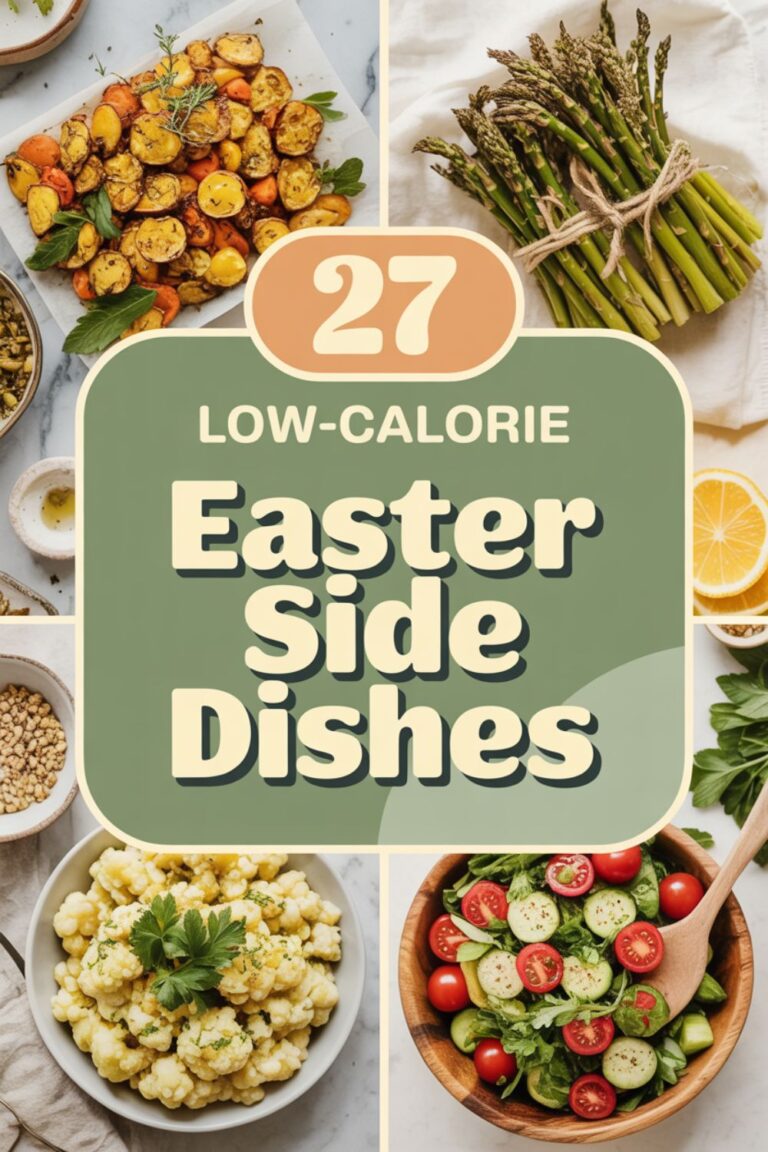
Whether you’re feeding a crowd, prepping brunch, or sneaking dessert on a calorie deficit, this list has you covered. And if you’re already watching your intake day-to-day, pairing these with a solid plan like the 21 Low-Calorie Easter Dinner Ideas makes the whole holiday feel completely manageable — without the guilt hangover on Monday.
Why Low-Calorie Desserts Can Still Steal the Show
Here’s the thing people get wrong about lightened-up desserts: they assume less calories means less flavor. That assumption is wrong, and these recipes are proof. When you swap refined sugar for natural sweeteners like monk fruit or medjool dates, you often end up with a more nuanced sweetness — one that doesn’t leave you feeling buzzy and over-sugared two hours later.
According to Healthline’s guide on natural sweeteners, options like stevia and erythritol deliver sweetness with virtually zero calories and don’t spike blood sugar the way refined sugar does — which makes them genuinely useful tools in your Easter baking, not just trendy substitutes. Pair those with whole-food ingredients like Greek yogurt, almond flour, fresh fruit, and dark chocolate, and you’ve got the foundation for something actually impressive.
The real secret is building desserts around ingredients with high flavor payoff and low calorie cost. Lemon zest, cinnamon, vanilla bean, fresh berries — these things punch way above their weight. You end up with a dessert that tastes like you spent hours on it, even when you didn’t.
The 17 Low-Calorie Easter Desserts (Full List)
Right, let’s get into the actual recipes. Each one is organized with a quick description, approximate calorie count per serving, and whether it’s no-bake, make-ahead-friendly, or family approved. Because Sunday prep time is a finite resource and you probably have seventeen other Easter things happening.
- 1
Lemon Greek Yogurt Mousse with Fresh Berries
Whipped Greek yogurt, lemon zest, a touch of honey, and a handful of fresh blueberries. This one goes together in about 10 minutes and looks absolutely stunning in small glass jars. Make it the night before, refrigerate, and done. It’s creamy, tangy, and feels genuinely indulgent without any reason to feel guilty about it.
~95 calories per serving
Get Full Recipe - 2
No-Bake Carrot Cake Energy Bites
Rolled oats, shredded carrot, cinnamon, nutmeg, medjool dates, and a drizzle of almond butter blended and rolled into little balls. They taste like carrot cake but require zero oven time and cost you almost nothing calorie-wise. IMO these are the quiet MVP of any Easter snack table.
~85 calories per bite
Get Full Recipe - 3
Chocolate-Dipped Strawberry “Easter Eggs”
Large strawberries dipped in melted dark chocolate (70% cacao or higher) and set on parchment. You can drizzle with white chocolate, add sprinkles, or keep them plain and elegant. Dark chocolate brings flavonoids and a richness that feels genuinely celebratory. Each one is around 50–60 calories depending on the size of your strawberry.
~55 calories each
Get Full Recipe - 4
Lightened-Up Lemon Bars
A thin almond flour crust, a tart lemon curd filling sweetened with a little maple syrup, and a dusting of powdered erythritol on top. The texture is everything you want from a classic lemon bar — bright, slightly sticky, firm but yielding — without the usual butter-and-sugar calorie bomb situation.
~130 calories per bar
Get Full Recipe - 5
Strawberry Lemon Icebox Cake
Layers of low-fat graham crackers, a Greek yogurt and lemon zest filling, and fresh sliced strawberries stacked and chilled overnight. The crackers absorb moisture and soften into something that tastes like a proper cake. Slice it at the table and watch everyone’s faces — they genuinely cannot believe this is the light option.
~145 calories per slice
Get Full Recipe - 6
Almond Meringue Cookies (Easter Nest Style)
Four ingredients: egg whites, cream of tartar, a little sugar, and almond extract. Pipe them into small nest shapes, bake low and slow until crisp, and fill with a few dark chocolate mini eggs. They’re virtually weightless in calories and look incredibly festive. The texture is light, airy, and just barely sweet.
~23 calories each
Get Full Recipe - 7
Greek Yogurt Bark with Freeze-Dried Fruit
Spread plain Greek yogurt onto a parchment-lined sheet pan, swirl in a little honey, press freeze-dried strawberries and a handful of dark chocolate chips on top, then freeze for two hours. Break into pieces like bark. It’s dead simple, wildly customizable, and genuinely addictive.
~80 calories per piece
Get Full Recipe - 8
Mini Crustless Ricotta Cheesecakes
Part-skim ricotta, a little cream cheese, eggs, lemon zest, and vanilla baked in a muffin tin until just set. Top with a spoonful of fresh berry compote. These are somehow richer and more satisfying than many full-calorie cheesecakes, and each one is a self-contained portion — which means no one fights over slice sizes.
~110 calories each
Get Full Recipe - 9
Strawberry Rhubarb Frozen Yogurt Pops
Fresh strawberries and rhubarb simmered with a touch of honey, blended smooth and swirled into vanilla Greek yogurt, then frozen in popsicle molds. These work as a brunch dessert, an afternoon snack, or the perfect thing to hand the kids while you finish getting everything else together. They’re bright, fruity, and genuinely refreshing.
~81 calories each
Get Full Recipe - 10
Banana “Nice Cream” with a Caramel Drizzle
Frozen overripe bananas blended until they hit that impossibly creamy ice cream texture, served in chilled bowls with a drizzle of date caramel (dates blended with a splash of vanilla and almond milk). No dairy, no added sugar, no ice cream maker. It’s one of those things you make once and then tell everyone about for the next three months.
~120 calories per serving
Get Full Recipe - 11
Coconut Macaroons (Sugar-Free)
Unsweetened shredded coconut, egg whites, vanilla extract, and monk fruit sweetener baked until golden. The outside crisps up beautifully and the inside stays chewy and almost fudgy. Dip the bottoms in dark chocolate if you want to make them look fancy, which takes about four additional minutes and is absolutely worth it.
~70 calories each
Get Full Recipe - 12
Chia Pudding with Mango and Lime
Chia seeds soaked overnight in light coconut milk or almond milk, layered with fresh mango chunks and a squeeze of lime. The chia absorbs the liquid and creates this thick, tapioca-like pudding texture that’s genuinely satisfying. Make a big batch Friday night and portion it out Saturday. Easy, done, beautiful.
~105 calories per serving
Get Full Recipe - 13
Lemon Blueberry Mousse (No-Bake)
Blended cottage cheese (yes, really — just trust the process), lemon juice, a little honey, and fresh blueberries. Cottage cheese blended smooth is one of those kitchen tricks that feels too good to be true until you try it. High in protein, surprisingly creamy, and ready in under 10 minutes. FYI: this one consistently surprises people at the table.
~88 calories per serving
Get Full Recipe - 14
Angel Food Cake with Fresh Spring Fruit
Light, springy angel food cake topped with a pile of macerated strawberries, blueberries, and a cloud of light whipped cream. Angel food cake is naturally low in fat since it’s built on egg whites rather than yolks or butter, which makes it one of the most surprisingly diet-friendly cakes in existence. Dress it up with seasonal fruit and it looks gorgeous with very little effort.
~150 calories per slice
Get Full Recipe - 15
No-Bake Easter Egg Fruit Tarts
Oatmeal and almond butter pressed into oval Easter egg shapes, spread with Greek yogurt, and decorated with sliced kiwi, strawberry, and blueberries to create little patterns. These are an absolute crowd-pleaser with kids and genuinely look like something from a professional bakery. You can bribe children into decorating their own, which takes the work off your hands entirely.
~160 calories each
Get Full Recipe - 16
Low-Calorie Carrot Cake Cupcakes (Almond Flour)
Almond flour, shredded carrot, cinnamon, eggs, a little coconut sugar, and a thin swipe of whipped light cream cheese frosting. These are moist, subtly spiced, and fully festive. They’re one of those cases where the lighter version actually improves on the original because the almond flour keeps things from getting dense and heavy.
~169 calories each
Get Full Recipe - 17
Lemon Raspberry Yogurt Parfaits
Layers of thick vanilla Greek yogurt, fresh raspberries, a spoonful of light lemon curd, and a sprinkle of low-sugar granola for crunch. Serve in clear glasses so you can see the layers. These take about five minutes per glass and look like something a brunch restaurant would charge fourteen dollars for. Always a hit, never complicated.
~140 calories per parfait
Get Full Recipe
Smart Swaps That Make These Desserts Actually Work
If you want to adapt your own family favorites into lighter Easter treats, there are a handful of swaps that make a real difference without doing anything dramatic to the recipe. The goal isn’t to eliminate everything fun — it’s to shift the ratio so you’re getting real flavor from real ingredients rather than just sugar volume.
In Baked Goods
Replace up to half the butter with unsweetened applesauce or mashed banana. You’ll lose almost none of the moisture and cut a significant chunk of fat. Almond flour in place of all-purpose flour adds healthy fats and a slightly nutty, rich quality that often improves the final texture. And if you haven’t baked with a quality silicone baking mat yet — zero sticking, zero scrubbing, works for everything from cookies to meringues — it genuinely changes the cleanup experience for the better.
In No-Bake and Frozen Desserts
Greek yogurt can replace cream cheese, heavy cream, or sour cream in almost any no-bake dessert and brings protein along with it. Light coconut milk works beautifully in chia puddings and mousses where you want creaminess without dairy-fat calories. Frozen ripe bananas do the work of sweeteners and fat in blended desserts — the riper the better, because the natural sugars concentrate as the banana ages.
With Sweeteners
Medjool dates, honey, maple syrup, and monk fruit are your friends. They each have different flavor profiles — dates are rich and caramel-like, honey is floral, maple syrup is warm and deep, and monk fruit is a clean neutral sweetness. Using the right one for your recipe makes a noticeable difference. When in doubt, start with less than the recipe suggests and taste as you go. You can always add, never subtract.
For more foundational ideas on building your whole day around smart, satisfying choices — not just dessert — the 21 Low-Calorie Desserts You Can Eat Every Day is a great place to bookmark and revisit regularly. And if you’re trying to stay in a calorie deficit through the whole holiday weekend, the guide to losing weight at 1200-1500 calories without starving has practical advice that actually holds up in real life.
Make-Ahead Strategies for Easter Weekend
Easter Sunday has a way of arriving while you’re still figuring out the ham. Making desserts ahead is not a compromise — it’s genuinely smart planning. Most of these 17 desserts are actually better made the day before. The icebox cake needs overnight chilling to set properly. The chia pudding gets thicker and more satisfying after 24 hours. The meringue cookies stay crisp stored in an airtight container for days.
The energy bites (recipe 2) can be made up to a week in advance and stored in the fridge. The Greek yogurt bark (recipe 7) keeps in the freezer for two weeks — make it the weekend before and forget about it until you need it. The parfaits (recipe 17) can be assembled the night before if you hold the granola and add it right before serving so it doesn’t go soft.
If you’re doing a big spread, a set of stackable glass meal prep containers makes organizing your dessert components so much easier — you can layer parfaits, store mousse portions, and keep everything separated and labeled without the chaos of mismatched lids.
How to Make Light Desserts Look Like You Tried Really Hard
Let’s be real — half the battle with desserts is presentation. The same lemon mousse served in a random bowl versus a small mason jar with a lemon wheel and a sprig of mint looks like two completely different levels of effort. You don’t need to be a pastry chef. You just need a few styling habits.
Use small, pretty serving vessels — glass jars, ramekins, small wooden boards for bark and bites. Portion size control naturally happens, and everything looks more intentional. A dusting of cinnamon, a curl of lemon zest, a single fresh berry on top — these things take thirty seconds and read as thoughtful. Fresh edible flowers (pansies, violas) are widely available in spring and make any dessert look like a proper food magazine photo.
A mini offset spatula is genuinely one of the most useful tools for smoothing yogurt surfaces and cream cheese toppings in small containers. It sounds overly specific until you use it once and can’t imagine life without it. Similarly, a set of small piping bags lets you do a quick swirl of whipped topping on cupcakes or mousse without it looking like it collapsed sideways.
For the carrot cake cupcakes specifically, a light smear of whipped cream cheese applied with a small offset spatula and then dotted with a single blueberry or a tiny edible flower hits well above its visual weight. It looks catered. It took 45 seconds. Nobody needs to know.
Meal Prep Essentials Used in This Plan
Things I actually use — recommended like a friend, not a sales pitch.
Perfect for storing mousse portions, parfait layers, and energy bites. The airtight seal keeps everything fresh for days.
Non-negotiable for the frozen yogurt pops. Easy release, dishwasher safe, and they come out clean every time.
Ideal for the crustless ricotta cheesecakes. The nonstick surface means you don’t need extra fat to release them cleanly.
A ready-to-go week of structured eating so you can enjoy Easter desserts without going over your weekly targets.
Log your holiday treats without the mental math. Simple, clean, and actually useful in the kitchen.
Quick reference for substituting ingredients in any recipe — with calorie savings calculated for each swap.
How to Fit Easter Desserts Into a Calorie Deficit
Easter falls on a Sunday, which means it’s technically a day where most people mentally write off their calorie tracking. That’s fine — one day doesn’t ruin anything. But if you’re the type who feels better having some structure, here’s a genuinely simple approach: keep your Saturday light, prioritize protein and vegetables at the Easter meal itself, and then enjoy your dessert with full permission, knowing you’ve built in the room for it.
The beauty of these 17 recipes is that even if you have two or three servings of different desserts, you’re likely still under 400 total dessert calories — which, when you’ve balanced the rest of the day well, is perfectly workable. Compare that to three slices of traditional Easter cake and a handful of chocolate eggs, and you start to see the difference.
If you want to structure the whole week around the holiday, the 7-Day 1200 Calorie Meal Plan is a solid, realistic starting point. Or if you want slightly more flexibility, the 14-Day 1500 Calorie Meal Plan gives you more room to work with and is especially good for weekends like this one.
Tools & Resources That Make Cooking Easier
Honest picks from a home kitchen that actually gets used.
For whipping egg whites into meringue and beating cream cheese smooth. Lightweight, easy to clean, and completely worth it.
The secret weapon for making desserts look bakery-level without any real skill. Smooths frosting, spreads yogurt, lifts tarts cleanly.
Use it under meringues, cookies, and bark. Nothing sticks. Nothing burns on the bottom. Zero parchment paper waste.
Organize your whole Easter weekend with this simple planning tool — from dessert prep to shopping list to day-of timeline.
Beyond Easter — a year-round collection of desserts that fit any calorie goal, all with macros included.
Join our active group of women sharing real results, recipe tweaks, and actual support. No spam, just good vibes and useful tips.
Frequently Asked Questions
Can I make these low-calorie Easter desserts ahead of time?
Absolutely — most of them are actually better made in advance. The icebox cake, chia pudding, mousse, and energy bites all benefit from overnight refrigeration. The meringue cookies and coconut macaroons stay crisp for several days in an airtight container at room temperature. Only the parfaits need a last-minute touch (add granola right before serving so it stays crunchy).
What are the best natural sweeteners to use in low-calorie Easter desserts?
Monk fruit, medjool dates, honey, and maple syrup all work beautifully depending on the recipe. Monk fruit is the best choice when you want zero-calorie sweetness with no aftertaste. Dates work well in no-bake energy bites and blended desserts where you want a rich, caramel note. Honey and maple syrup add their own flavor character and work especially well in fruit-forward desserts. Stevia is another good option — according to Healthline, it’s extracted from a plant and contains virtually no calories while still delivering real sweetness.
How many calories should a healthy Easter dessert have?
A reasonable target is under 200 calories per serving, which gives you room to enjoy a treat (or two) without blowing your daily goal. The desserts on this list range from about 23 calories (meringue cookies) to 169 calories (carrot cake cupcakes), which means you have genuine flexibility. If you’re following a structured plan like a 1200 or 1500 calorie approach, factoring in 150–300 calories for dessert on Easter is entirely workable.
Can I use almond flour in all of these baked desserts?
Almond flour works well in the cupcakes and lemon bars on this list and is a fantastic lower-carb alternative to all-purpose flour. It behaves differently than wheat flour — it’s denser and doesn’t rise the same way — so it’s best used in recipes specifically developed for it rather than swapped 1:1 into traditional recipes. The bonus is that almond flour adds healthy fats and a slightly nutty richness that tends to improve the final flavor.
Are these Easter desserts suitable for kids?
Most of them, yes. The frozen yogurt pops, the Easter egg fruit tarts, the angel food cake with berries, and the chocolate-dipped strawberries are all naturally kid-friendly and fun to eat. The no-bake energy bites are also a great option for kids since they contain no refined sugar. For very young children, just check the honey content in individual recipes since pediatricians advise against honey for babies under 12 months.
Your Easter Table, Just Lighter
Eating well at Easter doesn’t mean sitting across from a plate of plain fruit while everyone else eats the good stuff. These 17 low-calorie Easter desserts are genuinely special — they look beautiful, taste real, and give you every reason to feel good about what you made and what you ate.
The whole point is that you get to have both: a table worth photographing and a Monday morning where you don’t feel like you need to start over. Pick two or three from this list, make them ahead, and let yourself actually enjoy the holiday. That’s what all of this is for.
If you want help structuring the whole week around smart, satisfying low-calorie eating — not just the dessert course — the resources above will get you there. Start with whatever feels most useful, and build from there.