1500 Calorie Vegetarian Meal Plan (Healthy & Filling)
Look, I get it. You’re trying to hit that sweet spot where you’re eating enough to feel human but not so much that your jeans start staging a protest. A 1500 calorie vegetarian meal plan sounds restrictive on paper, but here’s the thing—when you do it right, you’ll actually feel satisfied. No sad desk salads or tragic celery sticks. Just real food that keeps you energized without leaving you hangry by 3 PM.
I’ve been playing around with vegetarian eating for years now, and honestly? The biggest myth is that cutting calories means cutting flavor or fullness. Nope. It just means being smarter about what goes on your plate. We’re talking protein-packed breakfasts, fiber-rich lunches, and dinners that actually taste like something you’d order at a restaurant.
Why 1500 Calories Actually Works for Vegetarians
Here’s where people mess up. They assume vegetarian automatically equals low-calorie, then wonder why they’re face-planting into a bag of chips at 9 PM. Plant-based foods can be surprisingly calorie-dense—I’m looking at you, nuts and avocado—so hitting 1500 calories while staying full is totally doable.
The magic happens when you balance your macros right. Protein keeps you satisfied, fiber slows digestion, and healthy fats signal to your brain that you’re actually fed. Miss any of these, and you’re basically running on empty.
Most women looking to lose weight or maintain a healthy weight find 1500 calories hits that Goldilocks zone. Not too much, not too little. Men might need to bump it up to 1800-2000, but the principle stays the same. You want nutrient density, not just calorie counting.
Building Your Vegetarian Plate the Smart Way
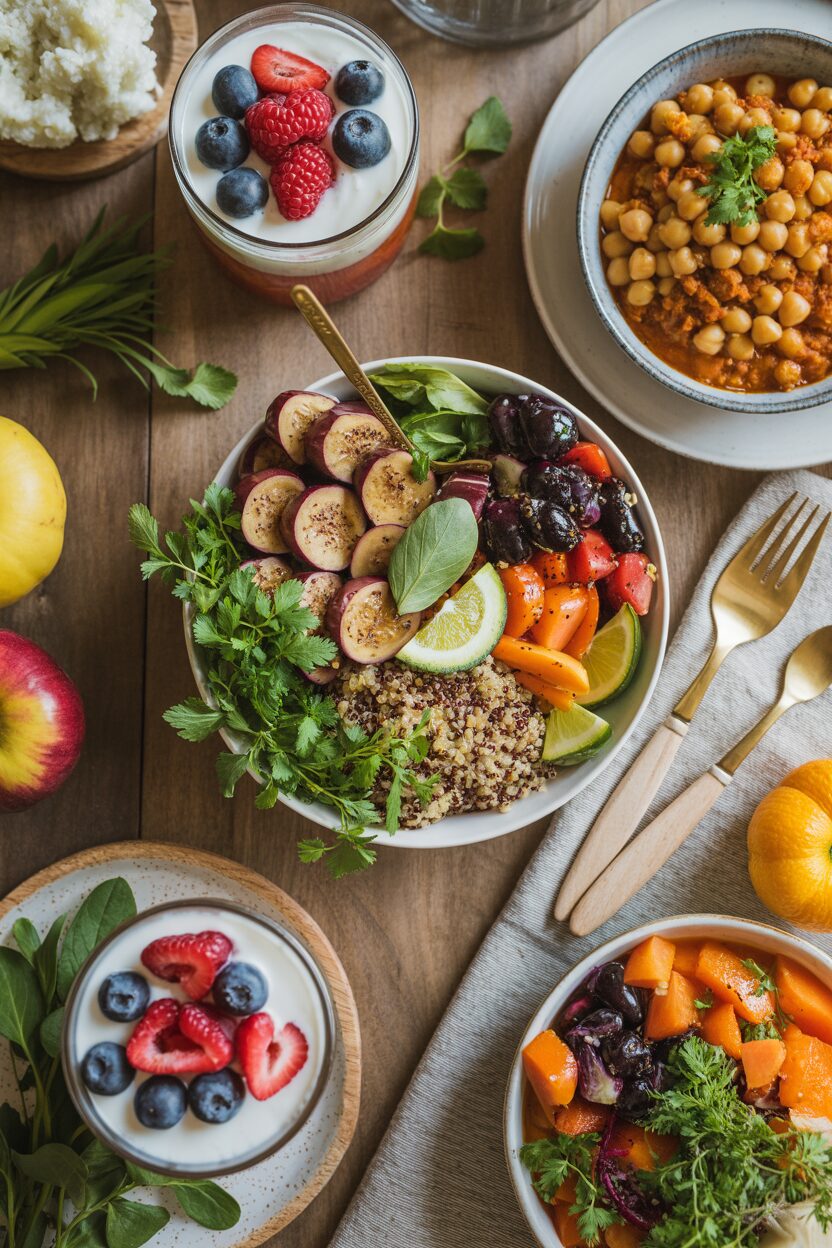
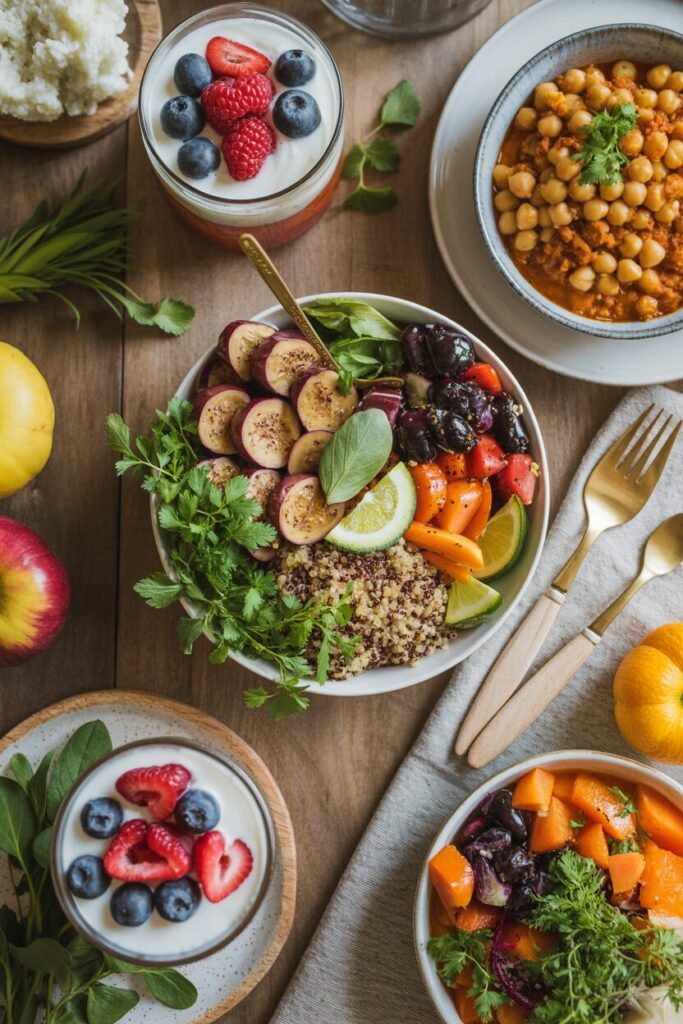
Forget everything you learned from those weird diet programs. Building a satisfying vegetarian plate isn’t rocket science, but it does require some strategy. I like thinking in thirds—one-third protein, one-third complex carbs, one-third vegetables. Simple math, maximum satisfaction.
Protein should anchor every meal. We’re talking Greek yogurt, eggs, tofu, tempeh, legumes, and protein-rich grains like quinoa. Aim for 20-30 grams per meal to keep your muscles happy and your hunger hormones in check. According to research from Harvard Health, adequate protein intake is crucial for maintaining muscle mass during calorie restriction.
Complex carbs give you sustained energy without the crash. Think oats, brown rice, whole grain bread, sweet potatoes. These are your friends, not your enemies. They’re packed with fiber that keeps your digestive system moving and your blood sugar stable.
Then pile on the vegetables like your life depends on it. Because honestly? Your health kind of does. Vegetables are the ultimate volume food—tons of nutrients, minimal calories, maximum stomach-filling power.
Sample 1500 Calorie Vegetarian Meal Plan
Alright, let’s get practical. Here’s what a typical day might look like. Fair warning: this isn’t some Instagram-perfect, impossible-to-maintain plan. This is real food that real people can actually make and enjoy.
Breakfast: Greek Yogurt Power Bowl (350 calories)
Start your morning with something that doesn’t require a culinary degree. I usually grab one of these glass meal prep bowls—they’re microwave-safe and don’t make everything taste like plastic—and layer in 1 cup of plain Greek yogurt. The protein content alone makes this breakfast MVP material.
Top it with 1/4 cup of granola (watch those portion sizes, seriously), half a cup of mixed berries, and a drizzle of honey. If you’re feeling fancy, throw in some chia seeds or sliced almonds. Get Full Recipe for a more detailed version with exact measurements.
The beauty of this breakfast? You can prep it the night before, grab it from the fridge, and eat it in the car if necessary. Not that I’ve ever done that. Multiple times. This week.
Mid-Morning Snack: Apple with Almond Butter (200 calories)
This is where most people sabotage themselves by either skipping snacks entirely or going overboard. One medium apple with 1 tablespoon of almond butter hits that perfect balance. I use this almond butter from a jar with a built-in stirrer—no oil separation disasters, and your spoon comes out clean.
The combination of fruit sugar and healthy fat keeps your energy steady until lunch. Plus, the fiber in the apple means you’re actually chewing something, which tricks your brain into feeling more satisfied than if you just chugged a protein shake.
Lunch: Mediterranean Chickpea Salad (400 calories)
Now we’re talking. This is the kind of lunch that makes your coworkers jealous. Start with 2 cups of mixed greens, add 3/4 cup of chickpeas, cherry tomatoes, cucumber, red onion, and a handful of Kalamata olives.
Toss it all together with a homemade lemon-tahini dressing (2 tablespoons max—dressings are sneaky calorie bombs). If you’re meal prepping, these glass containers with divided sections are clutch for keeping your greens crisp and your dressing separate.
The chickpeas bring serious protein and fiber to the party, while the vegetables add volume and nutrients without piling on calories. Get Full Recipe for the full ingredient breakdown and that killer tahini dressing recipe.
For more Mediterranean-inspired meals that keep things interesting, check out Mediterranean Diet Meal Plan and High Protein Vegetarian Meals for additional variety throughout your week.
Afternoon Snack: Hummus and Veggies (150 calories)
Simple. Effective. Zero cooking required. About 1/4 cup of hummus with carrot sticks, bell pepper strips, and cucumber slices. I keep a set of these portion control containers at work specifically for this snack. Prevents me from accidentally eating half a tub of hummus while pretending to work.
The protein and healthy fats in hummus make this way more satisfying than you’d expect from raw vegetables. It’s the Middle Eastern equivalent of chips and dip, except your body doesn’t hate you afterwards.
Dinner: Vegetable Stir-Fry with Tofu (400 calories)
Dinner’s where you can get creative without breaking your calorie bank. Press and cube about 5 ounces of extra-firm tofu, then stir-fry it in a good non-stick wok—seriously, the right pan makes this so much easier—with mixed vegetables like broccoli, bell peppers, snap peas, and mushrooms.
Season with soy sauce, ginger, garlic, and a tiny bit of sesame oil. Serve over 1/2 cup of brown rice. The tofu gives you complete protein, the vegetables add nutrients and fiber, and the brown rice rounds out the meal with complex carbs.
Get Full Recipe for the exact sauce ratios and cooking times that make this actually taste restaurant-quality. Trust me, there’s a technique to getting that tofu crispy on the outside and tender inside.
Speaking of satisfying dinners that won’t wreck your calorie goals, you might also want to explore Easy Vegetarian Dinner Recipes and Low Calorie Vegetarian Recipes for those nights when you need to switch things up.
The Protein Problem (And How to Actually Solve It)
Let’s address the elephant in the room. Or rather, the lack of elephant, since we’re not eating animals. Getting enough protein on a vegetarian diet while keeping calories in check takes some planning, but it’s not the nightmare people make it out to be.
Your protein all-stars include Greek yogurt (23 grams per cup), cottage cheese, eggs (6 grams each), tofu (10 grams per half cup), tempeh (15 grams per half cup), lentils (18 grams per cooked cup), and chickpeas (15 grams per cooked cup). See? Options everywhere.
The trick is including protein at every meal, not just dinner. That breakfast yogurt bowl? Protein. Mid-morning snack? Protein in that almond butter. Lunch salad? Chickpeas for the win. Afternoon hummus? More protein. Dinner tofu? Obviously protein.
Do this consistently, and you’ll easily hit 80-100 grams per day without even trying that hard. Which, FYI, is exactly where most people should be aiming for optimal muscle maintenance and satiety during calorie restriction.
Meal Prep Strategies That Don’t Suck
Real talk: meal prep can feel like a part-time job if you’re not strategic about it. But spending 2-3 hours on Sunday can save you from a week of poor decisions and takeout regret.
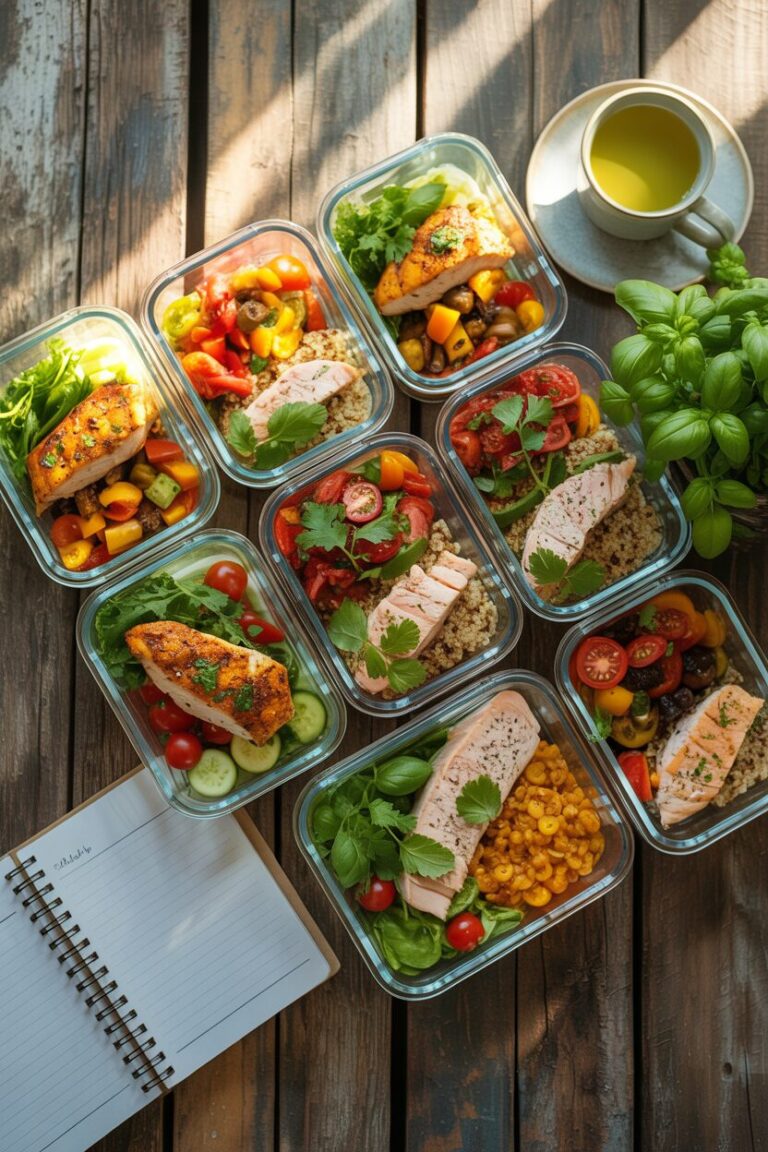
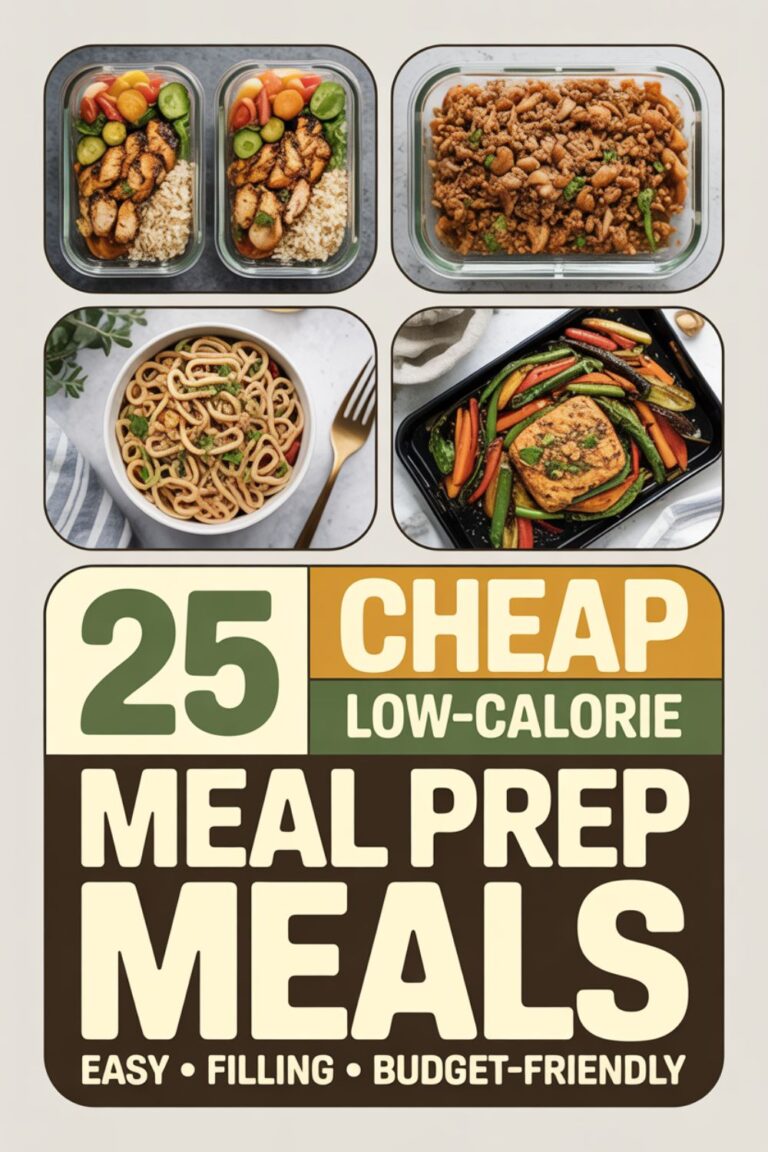
Start with your proteins. Cook a big batch of quinoa, roast chickpeas, press and bake tofu cubes, hard-boil a dozen eggs. These become the building blocks for multiple meals throughout the week. I use these airtight containers for storing prepped proteins—they stack perfectly and actually stay sealed.
Chop vegetables once and use them multiple ways. Those bell peppers? Monday’s stir-fry, Wednesday’s salad, Friday’s fajita bowl. Efficiency, people. A good set of sharp knives makes this whole process about 47 times less annoying. No more sawing through tomatoes like you’re performing surgery.
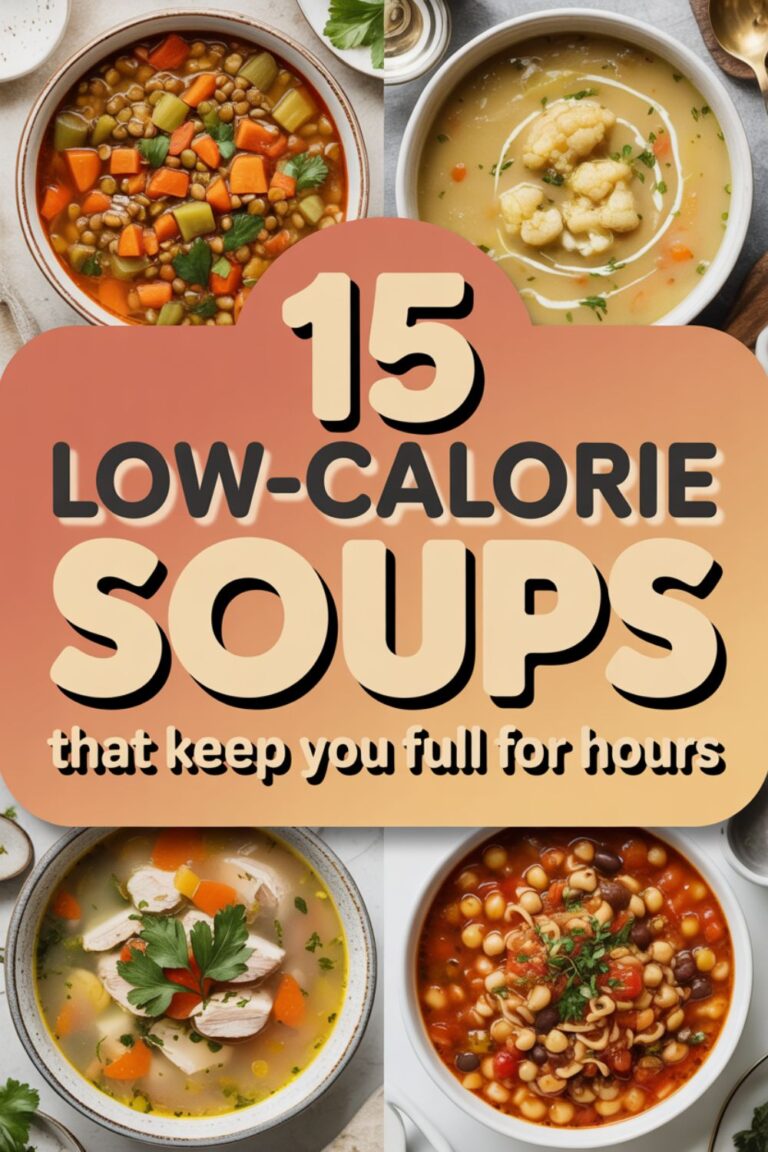
Batch cook soups, stews, and curries that freeze well. When you’re too tired to think about dinner, having a container of homemade lentil curry in the freezer feels like winning the lottery. Get Full Recipe for my go-to freezer-friendly vegetarian chili that tastes better after a few days.
For a complete guide on prepping your week efficiently, Vegetarian Meal Prep Ideas and Healthy Make-Ahead Meals offer tons of practical strategies that actually fit into real life.
Smart Swaps That Save Calories Without Sacrificing Flavor
This is where you separate the amateurs from the pros. Making small swaps can save you 200-300 calories per day without feeling like you’re missing out on anything.
Swap regular pasta for spiralized vegetables or chickpea pasta. You get more protein, more fiber, and fewer calories. I keep a spiralizer in my kitchen specifically for turning zucchini into noodles. Game changer for pasta cravings.
Replace sour cream with plain Greek yogurt in basically everything. Same tangy flavor, way more protein, fraction of the calories. Your tacos won’t know the difference, but your waistline will.
Use nutritional yeast instead of cheese when possible. It’s got that savory, cheesy flavor with added B vitamins and protein. Doesn’t work for everything—I’m not a monster—but sprinkled on popcorn or pasta? Chef’s kiss.
Swap oil-based salad dressings for lemon juice, vinegar, or yogurt-based options. Olive oil is healthy, sure, but it’s also 120 calories per tablespoon. Two tablespoons and you’ve just eaten a snack’s worth of calories without even realizing it.
Navigating Social Situations and Restaurants
Being on a calorie-controlled vegetarian plan doesn’t mean becoming a hermit who only eats from Tupperware. You can still have a social life, I promise.
At restaurants, scan the menu for vegetable-forward dishes with a protein source. Grain bowls, veggie burgers, salads with chickpeas or tofu—most places have options now. Ask for dressing on the side always. Always. Restaurants are heavy-handed with that stuff.
Don’t be weird about it. Nobody likes the person who interrogates the server about every ingredient and makes special requests for 15 minutes. Just make the best choice available and move on with your life.
If you’re eating at someone’s house, offer to bring a dish. Make it something that fits your plan—a hearty salad, a veggie-packed side dish, a protein-rich dip. That way you know there’s at least one thing you can fill up on.
Common Mistakes That Derail Progress
I’ve made every mistake in the book, so let me save you some trouble. First major error: not tracking anything and just “eating healthy.” Cool concept, but if you’re not hitting your protein targets and you’re accidentally eating 2000 calories of “healthy” food, you’re not going to see results.
Download a tracking app. MyFitnessPal or Cronometer work great. Track everything for at least two weeks to calibrate your portions and see where your calories actually come from. You might be shocked by how calorie-dense “healthy” foods can be.
Second mistake: cutting out entire food groups because some Instagram influencer said carbs are evil. Your body needs carbs for energy, especially if you work out. The enemy isn’t carbs—it’s excess calories from any source and poor nutrient quality.
Third mistake: forgetting about liquid calories. That morning latte? Could be 300 calories. That afternoon smoothie? Maybe 400. That glass of wine with dinner? Another 150. Suddenly you’ve drunk a meal’s worth of calories without registering any fullness.
Stick to water, black coffee, unsweetened tea, and the occasional low-calorie beverage. Save your calories for food you can actually chew. Your satiety hormones will thank you.
Supplements Worth Considering
Even with the best-planned vegetarian diet, certain nutrients are harder to get from plants alone. I’m not saying you need a cabinet full of pills, but a few key supplements can fill important gaps.
Vitamin B12 is non-negotiable. It’s found almost exclusively in animal products, and deficiency leads to serious neurological issues. Take a methylcobalamin supplement or make sure your fortified foods actually contain enough. According to recommendations from the National Institutes of Health, vegetarians should actively ensure adequate B12 intake through supplements or fortified foods.
Vitamin D is another one most people need, vegetarian or not. Unless you’re spending 20 minutes in direct sunlight daily, you’re probably deficient. A D3 supplement (from lichen sources for strict vegetarians) is worthwhile, especially in winter.
Iron can be tricky on a plant-based diet since non-heme iron from plants isn’t absorbed as efficiently. Pair iron-rich foods with vitamin C to boost absorption, and consider a supplement if your levels are low. Get them checked before supplementing though—too much iron isn’t great either.
Omega-3s from algae-based supplements give you EPA and DHA without the fish. These are important for heart and brain health. Flaxseeds and walnuts provide ALA, but your body’s conversion to EPA and DHA is inefficient.
Making It Sustainable Long-Term
Here’s the harsh truth: any eating plan you can’t sustain long-term is just a diet, and diets fail. The goal isn’t to white-knuckle your way through 1500 calories until you reach some arbitrary number on the scale, then go back to eating however you want.
The goal is finding a way of eating that feels normal, sustainable, and enjoyable while supporting your health and body composition goals. That means occasionally eating above 1500 calories without guilt. It means having pizza with friends. It means not weighing your lettuce or tracking every olive.
Build in flexibility. Follow the 80/20 rule—eat according to plan 80% of the time, and relax about the other 20%. This prevents the restrict-binge cycle that destroys so many people’s progress and relationship with food.
Focus on how you feel, not just the scale. More energy? Better sleep? Clearer skin? Improved digestion? These are wins that matter just as much as pounds lost. Maybe more.
If you need more variety to keep things interesting long-term, 30-Day Vegetarian Challenge and Budget-Friendly Vegetarian Recipes offer fresh ideas that won’t get boring after week three.
Sample Weekly Shopping List
Let’s get practical about what you actually need to buy. This list covers a week’s worth of meals for one person following a 1500 calorie vegetarian plan.
Proteins:
- Greek yogurt (2-3 containers)
- Eggs (1 dozen)
- Extra-firm tofu (2 blocks)
- Canned chickpeas (3 cans)
- Dried lentils (1 bag)
- Almond butter (1 jar)
Grains:
- Old-fashioned oats
- Brown rice
- Whole grain bread
- Quinoa
Vegetables:
- Mixed salad greens
- Broccoli
- Bell peppers (various colors)
- Cherry tomatoes
- Cucumbers
- Carrots
- Snap peas
- Mushrooms
- Red onions
- Sweet potatoes
Fruits:
- Apples
- Bananas
- Mixed berries (fresh or frozen)
- Lemons
Pantry Staples:
- Olive oil
- Soy sauce
- Tahini
- Hummus
- Nutritional yeast
- Spices (garlic powder, ginger, cumin, paprika)
- Honey
- Chia seeds
Buy in bulk where possible. These reusable produce bags help keep vegetables fresh longer and reduce plastic waste. IMO, investing in proper food storage saves money in the long run by reducing waste.
Adjusting for Your Activity Level
Not everyone needs exactly 1500 calories. If you’re training for a marathon or hitting the gym hard five days a week, you’ll need more fuel. If you’re completely sedentary, you might need slightly less. Context matters.
A good rule of thumb: if you’re consistently tired, irritable, losing hair, or losing strength in the gym, you’re probably undereating. Add 200-300 calories and see how you feel. Health markers trump arbitrary calorie targets every single time.
For active individuals, focus on adding more complex carbs around workout times and slightly increasing protein intake. The base vegetarian framework stays the same—you just scale portions up. Get Full Recipe for my high-protein post-workout bowl that’s perfect for active vegetarians.
For those with lower activity levels, double-check portion sizes on calorically dense foods like nuts, seeds, avocado, and oils. These add up fast, and it’s easy to accidentally overdo it.
Related Recipes You’ll Love
Looking for more ways to keep your meal plan interesting? Here are some recipes that pair perfectly with a 1500 calorie approach:
More Breakfast Options: Overnight Oats Variations High-Protein Breakfast Ideas
Quick Lunch Solutions: Mason Jar Salads Vegetarian Buddha Bowls
Dinner Inspiration: One-Pot Vegetarian Meals Sheet Pan Vegetarian Recipes
Final Thoughts
A 1500 calorie vegetarian meal plan isn’t about deprivation or suffering through sad, boring meals. It’s about being intentional with your food choices, prioritizing nutrient density, and finding a balance that works for your life.
Will you nail it perfectly every single day? Probably not. Will there be days when you eat more or less than 1500 calories? Absolutely. And that’s completely fine. The goal is progress and consistency, not perfection.
Start with the framework I’ve outlined here, adjust based on your personal needs and preferences, and give yourself grace during the learning process. Your body is pretty smart—feed it well, listen to its signals, and it’ll usually steer you right.
Now stop overthinking it and go make that Greek yogurt bowl. Your taste buds and your health will thank you.