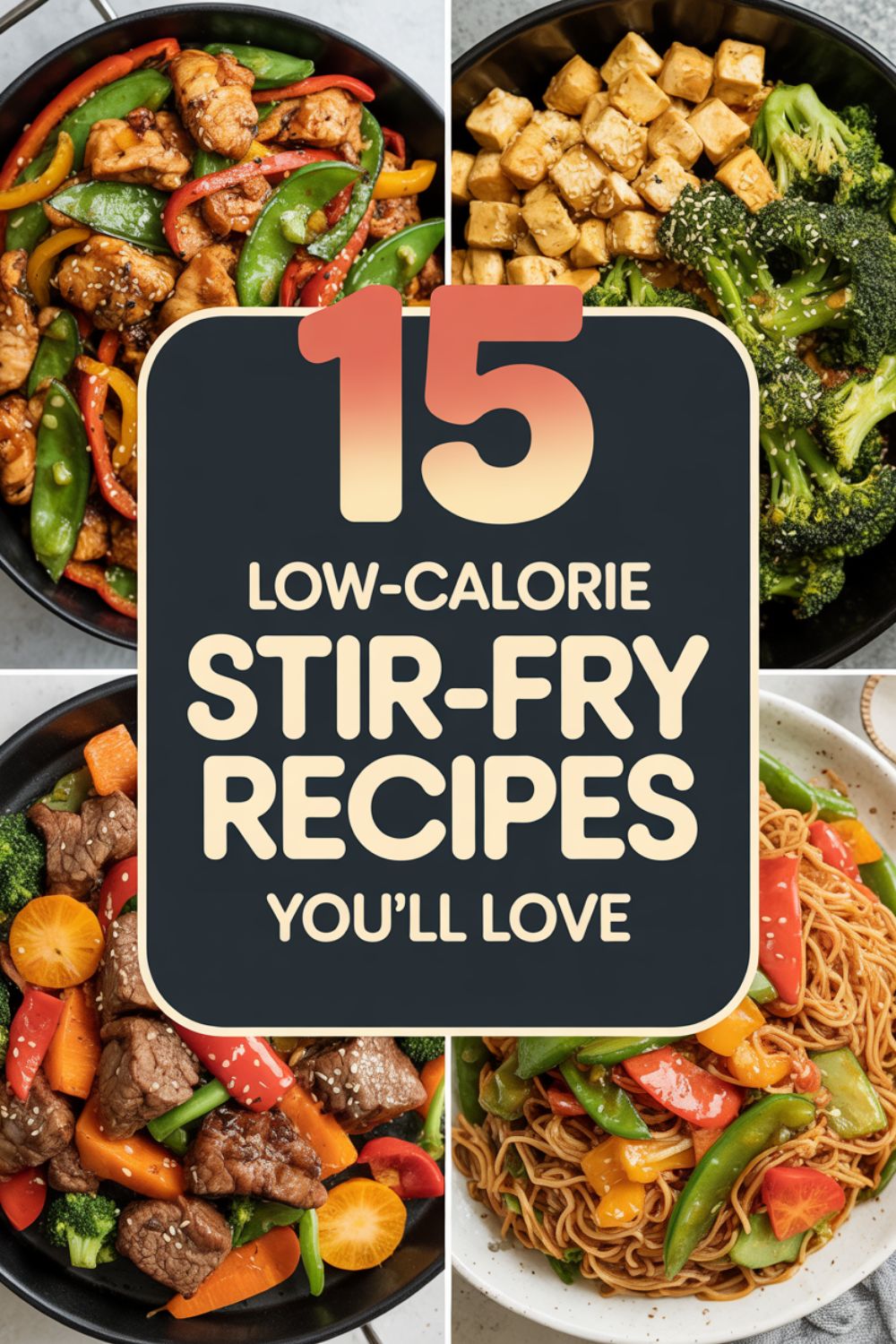
15 Low-Calorie Stir-Fry Recipes You’ll Love
Let’s talk about stir-fries for a second. They’re the kind of meal that makes you feel like you’ve got your life together—even when you absolutely don’t. You toss some veggies in a pan, add protein, drizzle sauce, and boom, dinner’s done in less time than it takes to scroll through your delivery apps. Plus, they’re actually good for you, which is rare for something that tastes this satisfying.
I’ve been making stir-fries on repeat lately, mostly because I can clean out my fridge and call it “meal prep.” But also? They’re genuinely low in calories without feeling like diet food. No sad salads here. Just crispy vegetables, tender protein, and sauces that actually have flavor. If you’re trying to lose weight without losing your mind, stir-fries are about to become your best friend.
Why Stir-Fries Are Perfect for Weight Loss
Here’s the thing about stir-fries: they’re basically designed for a calorie deficit. You get a massive pile of vegetables (which are naturally low in calories but high in volume), a reasonable portion of protein, and just enough sauce to make everything taste amazing. It’s the kind of meal that fills you up without weighing you down.
Research on stir-frying methods shows that this quick-cooking technique actually preserves more nutrients than boiling or steaming. The high heat and minimal oil mean your vegetables keep their vitamins, minerals, and that satisfying crunch. You’re not drowning anything in oil or butter—just using enough to prevent sticking.
I love that you can adapt stir-fries to whatever you’re craving. Want something hearty? Add chicken or shrimp. Going plant-based? Tofu or tempeh work perfectly. Trying to hit your protein goals? Double up on the lean meat and add some edamame. The flexibility is unmatched.
For more structured meal planning around low-calorie eating, check out this 7-day 1200-calorie meal plan that includes several stir-fry options throughout the week.
Pro Tip: Prep all your vegetables on Sunday night. Seriously. Chop everything, store it in containers, and thank yourself every single weeknight when dinner takes 10 minutes instead of 40.
Essential Equipment for Better Stir-Fries
You don’t need a fancy kitchen to make great stir-fries, but having the right tools makes everything easier. I used to struggle with vegetables that stuck to my pan or proteins that came out rubbery. Turns out, the problem wasn’t my cooking skills—it was my equipment.
A good carbon steel wok changed everything for me. It heats up fast, distributes heat evenly, and develops a natural non-stick surface over time. If you don’t have space for a wok, a large non-stick skillet with high sides works too. Just make sure it’s big enough that your ingredients aren’t crowded—overcrowding = steaming instead of stir-frying.
The other game-changer? A proper fish spatula or wok spatula. It’s thin enough to get under delicate vegetables without smashing them, and it makes flipping everything around so much easier. I also keep a small prep bowl set handy for organizing my ingredients—stir-frying moves fast, so everything needs to be within reach.
The Best Vegetables for Low-Calorie Stir-Fries
Not all vegetables are created equal when it comes to stir-frying. Some turn to mush, others stay stubbornly raw, and a few lucky ones hit that perfect crisp-tender sweet spot. Here’s what actually works.
Bell peppers are my go-to. They add sweetness, color, and serious crunch. Plus, they’re low in calories and loaded with vitamin C. Broccoli is another winner—it holds up well to high heat and soaks up sauce like a champ. Just blanch it for 30 seconds first if you want to speed up the cooking time.
Snap peas and snow peas are perfect because they stay crispy and sweet. Mushrooms add an umami depth that makes stir-fries taste way more complex than they actually are. Baby corn, water chestnuts, and bamboo shoots bring texture without adding many calories.
For context, nutritional research from Harvard confirms that stir-fried vegetables retain significantly more nutrients compared to boiled vegetables, making them both healthier and more flavorful.
Carrots work great if you slice them thin or julienne them. Zucchini is fine, but cook it last—it releases water like crazy and can make your stir-fry soggy if you’re not careful. Same goes for tomatoes, though I usually skip those entirely.
If you’re looking for complete meal ideas that incorporate these vegetables, this collection of low-calorie meals under 300 calories has some excellent stir-fry variations.
Protein Options That Keep Calories Low
Protein is where stir-fries really shine. You can keep things lean without sacrificing flavor, and the quick cooking method means everything stays tender and juicy.
Chicken breast is the obvious choice—cheap, easy, and endlessly versatile. I slice it thin against the grain and marinate it for 15 minutes in a little soy sauce and ginger. That’s it. It comes out tender every time. Shrimp cooks in literally two minutes and tastes fancy even though it requires zero effort.
Tofu is my secret weapon for plant-based stir-fries. Press it, cube it, toss it with cornstarch, and pan-fry until crispy. It absorbs whatever sauce you’re using and adds serious protein without much fat. Tempeh works similarly but has a nuttier flavor and firmer texture.
Lean beef works if you’re craving something heartier. Flank steak or sirloin, sliced paper-thin, cooks fast and stays tender. Just don’t overcook it—30 seconds too long and it turns into shoe leather.
For high-protein meal planning that includes stir-fries, take a look at this high-protein 1200-calorie meal plan with detailed protein breakdowns.
Quick Win: Freeze your chicken or beef for 30 minutes before slicing. It firms up just enough to make thin, even slices effortless. No more hacking away with a dull knife.
Sauce Strategies That Won’t Sabotage Your Calories
Let’s be real: the sauce makes or breaks a stir-fry. But most bottled stir-fry sauces are loaded with sugar, sodium, and unnecessary calories. The good news? Making your own is stupidly simple and tastes way better.
My basic formula: soy sauce (or tamari if you’re gluten-free), rice vinegar, a tiny bit of honey or maple syrup, garlic, and ginger. That’s it. You can adjust ratios based on what you’re in the mood for—more vinegar for tang, more sweetness for balance, more garlic because garlic makes everything better.
For thicker sauces, I whisk in a teaspoon of cornstarch mixed with water. It creates that glossy, restaurant-style coating without adding fat. Coconut aminos are a great soy sauce alternative if you’re watching sodium—they’re slightly sweeter but still savory.
Sriracha, sambal oelek, or chili garlic sauce add heat without many calories. A drizzle of toasted sesame oil at the end brings nutty depth—just use it sparingly because a little goes a long way.
Looking for more ways to keep dinners interesting while staying in a deficit? These low-calorie dinners under 350 calories include several sauce variations you can try.
Recipe 1: Classic Chicken and Broccoli Stir-Fry
This is the stir-fry that started it all for me. It’s simple, it’s satisfying, and it never gets old. Tender chicken, crisp broccoli, and a savory-sweet sauce that tastes like takeout but won’t leave you feeling sluggish.
The key is cooking the chicken in batches so it actually browns instead of steaming. High heat, quick movements, constant flipping. Once the chicken’s done, set it aside and stir-fry the broccoli until it’s bright green and tender-crisp. Toss everything back together with the sauce and you’re done.
I serve this over cauliflower rice when I’m being strict, or brown rice when I want something more filling. Either way, it clocks in around 280 calories per serving. Get Full Recipe
Recipe 2: Shrimp and Snow Pea Stir-Fry
Shrimp stir-fries are my go-to when I need dinner in under 15 minutes. The shrimp cook so fast that by the time the vegetables are done, everything’s ready to plate. Plus, shrimp is incredibly low in calories—you can eat a generous portion without blowing your budget.
Snow peas stay sweet and crunchy, and they pair perfectly with shrimp. I add thinly sliced red bell pepper for color and a handful of water chestnuts for extra crunch. The sauce is light—just soy sauce, ginger, garlic, and a squeeze of lime at the end.
This one comes in around 240 calories per serving, and it’s the kind of meal that feels fancy even though it’s embarrassingly easy. Get Full Recipe
Meal Prep Essentials Used in This Plan
- Physical Products:
- Glass meal prep containers (set of 10) – Perfect for storing prepped vegetables and portioned stir-fries. They’re microwave-safe, don’t stain, and stack neatly in the fridge.
- Carbon steel wok (14-inch) – The real MVP. Heats evenly, develops a natural non-stick surface, and makes stir-frying ridiculously easy.
- Digital kitchen scale – Takes the guesswork out of portion sizes. Especially helpful when you’re tracking calories and want accuracy.
- Digital Products:
- Low-Calorie Meal Prep eBook – 30 days of meal plans with shopping lists and macros already calculated.
- Stir-Fry Sauce Guide PDF – 20 different sauce combinations with calorie counts and ingredient swaps.
- Weekly Meal Planning Template – Printable planner to organize your meals, track what’s in the fridge, and plan grocery trips.
Recipe 3: Beef and Bell Pepper Stir-Fry
When I want something heartier, I make this beef stir-fry. Thinly sliced flank steak cooks in seconds and stays tender if you don’t overdo it. The bell peppers add sweetness and color, and the whole thing comes together in about 20 minutes.
I marinate the beef briefly in soy sauce, a splash of rice wine, and a bit of cornstarch. The cornstarch creates a velvety coating that helps the sauce cling to the meat. High heat, quick sear, and it’s done.
This recipe works great with onions, snap peas, or baby corn. I usually serve it over a small portion of rice or quinoa. About 310 calories per serving, and it genuinely tastes like restaurant-quality food. Get Full Recipe
Recipe 4: Tofu and Vegetable Stir-Fry
Tofu gets a bad rap, but when you cook it right, it’s amazing. The trick is pressing out the water, coating it in cornstarch, and pan-frying until crispy. Once it’s golden and crunchy on the outside, it becomes the perfect vehicle for sauce.
I pair crispy tofu with broccoli, carrots, and mushrooms. The mushrooms add depth, the broccoli adds heft, and the carrots bring a touch of sweetness. A simple sauce of soy sauce, garlic, ginger, and a tiny bit of maple syrup ties everything together.
This is one of my favorite vegetarian options, and it’s filling enough that you won’t miss the meat. Around 265 calories per serving, and it’s packed with plant-based protein. Get Full Recipe
Speaking of plant-based options, if you’re following a vegetarian meal plan, this 1500-calorie vegetarian meal plan includes several tofu-based stir-fries with different flavor profiles.
Recipe 5: Spicy Garlic Chicken Stir-Fry
Sometimes you just need heat. This spicy garlic chicken stir-fry delivers without going overboard. The garlic is borderline aggressive, the chili flakes add a nice kick, and the chicken stays juicy and tender.
I use boneless thighs for this one because they’re more forgiving than breast meat—they don’t dry out as easily. Paired with bok choy, bell peppers, and snap peas, it’s a solid balance of protein and vegetables.
The sauce is simple: soy sauce, rice vinegar, chili garlic paste, and a touch of honey to balance the heat. It’s around 290 calories per serving and perfect when you want something bold. Get Full Recipe
Pro Tip: If your stir-fry tastes flat, you probably need acid. A squeeze of lime or a splash of rice vinegar at the end brightens everything up and makes the flavors pop.
Recipe 6: Sesame Ginger Shrimp Stir-Fry
This one’s all about the ginger. Fresh ginger adds a bright, almost floral heat that you just can’t replicate with powdered stuff. Combined with sesame oil and soy sauce, it creates a sauce that’s both comforting and exciting.
Shrimp pairs beautifully with this flavor profile. I add snap peas, carrots, and red cabbage for crunch and color. The cabbage wilts slightly but still keeps its texture, and the carrots add a touch of sweetness.
Topped with toasted sesame seeds and scallions, this stir-fry looks as good as it tastes. About 235 calories per serving, and it feels way more indulgent than the calorie count suggests. Get Full Recipe
Recipe 7: Turkey and Zucchini Stir-Fry
Ground turkey doesn’t get enough love. It’s lean, affordable, and cooks quickly. This stir-fry uses ground turkey instead of sliced meat, which changes the texture but keeps the flavors just as satisfying.
Zucchini adds bulk without many calories—I spiralize it or cut it into half-moons. Bell peppers, onions, and a bit of ginger round things out. The sauce is soy-based with a hint of hoisin for sweetness.
I usually serve this over cauliflower rice or shirataki noodles to keep it really light. It’s around 250 calories per serving and perfect for meal prep. Get Full Recipe
If you’re looking for more ground protein options that work for meal prep, these cheap low-calorie meal prep ideas include several ground turkey and chicken variations.
Recipe 8: Mongolian-Style Beef Stir-Fry
Mongolian beef is one of those dishes that tastes way more decadent than it actually is. The sauce is rich and slightly sweet, the beef is tender, and the scallions add a fresh contrast to everything else.
I use flank steak, sliced thin and marinated briefly in soy sauce and cornstarch. The cornstarch creates a silky texture and helps the sauce adhere. The sauce itself is soy sauce, hoisin, a bit of brown sugar, and garlic.
Serve it over rice or noodles, and you’ve got a meal that rivals takeout. It’s around 320 calories per serving—a bit higher than some of the others, but worth it when you’re craving something richer. Get Full Recipe
Recipe 9: Lemon Garlic Chicken and Asparagus
Not all stir-fries have to be Asian-inspired. This lemon garlic version takes the same technique but switches up the flavor profile completely. Bright, zesty, and fresh—it’s like spring in a pan.
Asparagus is the star here. It cooks quickly, stays crisp, and pairs perfectly with lemon and garlic. I add cherry tomatoes at the very end—just long enough to warm them through without turning them to mush.
The chicken stays light and juicy, and the whole thing feels clean and refreshing. About 270 calories per serving, and it’s perfect when you want something a little different from the usual soy-based sauces. Get Full Recipe
Recipe 10: Thai Basil Chicken Stir-Fry
Thai basil has a completely different flavor than the Italian basil you’re used to—it’s slightly spicy, a bit licorice-y, and absolutely addictive. This stir-fry leans into that unique flavor and creates something that tastes exotic without being complicated.
The chicken is stir-fried with garlic, chili, and fish sauce (trust me on this—it adds depth without tasting fishy). Bell peppers and onions round things out, and a handful of fresh Thai basil goes in at the very end.
This is one of those recipes where the ingredients matter. Regular basil won’t give you the same flavor. Thai basil is worth hunting down at an Asian grocery store or well-stocked supermarket. Around 285 calories per serving. Get Full Recipe
For more Asian-inspired low-calorie meals, check out this collection of easy low-calorie dinner ideas that includes several Thai and Chinese-inspired dishes.
Recipe 11: Cauliflower Rice Chicken Stir-Fry
When I’m being really strict with carbs, I make this cauliflower rice stir-fry. It’s basically fried rice without the rice, and honestly? It hits the same craving without the calorie load.
I pulse cauliflower in a food processor until it resembles rice, then stir-fry it with scrambled eggs, peas, carrots, and diced chicken. Soy sauce, sesame oil, and garlic bring everything together.
The key is not overcooking the cauliflower—it should stay slightly firm, not turn to mush. This recipe is super filling, ridiculously low in calories (around 220 per serving), and perfect when you want comfort food that won’t derail your progress. Get Full Recipe
Tools & Resources That Make Cooking Easier
- Physical Products:
- Vegetable chopper and dicer – Cuts prep time in half. Seriously. Uniform pieces mean even cooking and way less knife work.
- Silicone spatula set – Heat-resistant, flexible, and perfect for scraping every last bit of sauce from the pan.
- Stainless steel mixing bowls (set of 5) – Essential for organizing ingredients before you start cooking. Stir-fries move fast, so mise en place matters.
- Digital Products:
- Calorie Tracking Spreadsheet – Customizable tracker with built-in formulas for macros and weekly averages.
- Quick & Easy Stir-Fry Video Course – Step-by-step tutorials showing proper technique, knife skills, and timing.
- Meal Planning App Subscription – Sync recipes, generate shopping lists, and track what’s in your fridge to reduce waste.
Recipe 12: Honey Sriracha Shrimp Stir-Fry
Sweet and spicy is a combo that never fails. This honey sriracha shrimp stir-fry balances heat with just enough sweetness to keep things interesting. The shrimp caramelize slightly from the honey, and the sriracha adds a lingering kick.
I pair it with broccoli, bell peppers, and snap peas. The vegetables balance the richness of the sauce, and everything comes together in about 12 minutes. It’s fast, it’s flavorful, and it feels special even though it’s absurdly simple.
About 260 calories per serving, and you can adjust the sriracha level based on your heat tolerance. I usually add extra because I like the burn, but you do you. Get Full Recipe
Recipe 13: Pork and Pineapple Stir-Fry
Pineapple in a stir-fry is divisive, I know. But if you’ve never tried it, you’re missing out. The sweetness balances savory soy-based sauces perfectly, and the acidity adds brightness that keeps the dish from feeling heavy.
I use pork tenderloin, sliced thin and stir-fried with bell peppers, onions, and chunks of fresh pineapple. The pork stays tender, the pineapple caramelizes slightly, and the whole thing tastes like a vacation in a bowl.
This recipe clocks in around 295 calories per serving. It’s one of my favorites when I want something a little tropical and completely different from the usual stir-fry rotation. Get Full Recipe
Recipe 14: Egg and Vegetable Stir-Fry
Sometimes the simplest meals are the best. This egg and vegetable stir-fry is basically a deconstructed omelet with Asian flavors. Scrambled eggs mixed with stir-fried vegetables, soy sauce, and sesame oil.
I add whatever vegetables I have on hand—usually mushrooms, spinach, tomatoes, and scallions. The eggs make it filling and add protein without many calories. It’s perfect for breakfast, lunch, or a light dinner.
Around 190 calories per serving, and you can bulk it up with extra vegetables if you’re really hungry. It’s quick, cheap, and endlessly adaptable. Get Full Recipe
For more breakfast-focused low-calorie options, this guide to low-calorie breakfasts for weight loss includes several egg-based stir-fry variations.
Recipe 15: Teriyaki Salmon and Bok Choy Stir-Fry
Salmon in a stir-fry might sound weird, but it works beautifully. The fish stays moist and flaky, and it soaks up the teriyaki sauce without falling apart. Bok choy is the perfect pairing—mild, slightly sweet, and it cooks in minutes.
I use a homemade teriyaki sauce (soy sauce, mirin, a bit of honey, and ginger) because bottled versions tend to be loaded with sugar. The salmon is cut into chunks and seared quickly over high heat.
This one’s around 310 calories per serving, and it feels way fancier than the effort required. It’s perfect when you want to impress someone or just treat yourself to something a little special. Get Full Recipe
Quick Win: Batch-cook your protein on Sundays. Grill or bake several chicken breasts, shrimp, or tofu portions. During the week, just toss pre-cooked protein into your stir-fry for the last minute to heat through. Dinner in under 10 minutes.
If these recipes have you thinking about protein-focused meal planning, you might appreciate this comprehensive guide to low-calorie high-protein meals with detailed nutritional breakdowns.
Common Stir-Fry Mistakes to Avoid
I’ve made every stir-fry mistake in the book, so let me save you some trouble. The biggest one? Overcrowding the pan. When you cram too much into the pan at once, the temperature drops and everything steams instead of getting that crispy, charred exterior. Cook in batches if you need to.
Another mistake: not prepping everything before you start cooking. Stir-frying moves fast. If you’re still chopping vegetables while your chicken burns, you’ve already lost. Get everything ready—veggies chopped, sauce mixed, protein sliced. Then cook.
Using low heat is also a problem. Stir-fries need high heat to develop flavor and texture. If your pan isn’t hot enough, you’ll end up with soggy vegetables and bland protein. Preheat your pan properly and don’t be afraid of a little smoke.
Finally, adding sauce too early. The sauce should go in at the end, just long enough to coat everything and thicken slightly. If you add it too soon, it’ll burn and turn bitter.
Making Stir-Fries Work for Meal Prep
Stir-fries are excellent for meal prep, but there’s a right way and a wrong way to do it. Cook everything as you normally would, but slightly undercook the vegetables—they’ll finish cooking when you reheat.
Store the protein and vegetables together, but keep the rice or noodles separate. Starches get soggy when they sit in sauce for days. When you’re ready to eat, reheat the stir-fry in a pan or microwave, then serve it over freshly heated rice.
I usually prep three to four servings at once. More than that and I get bored eating the same thing every day. I’ll make a chicken stir-fry on Sunday, a shrimp version on Tuesday, and maybe tofu on Thursday. Variety keeps me from burning out.
Glass meal prep containers are worth the investment. They don’t absorb odors or stains, they’re microwave-safe, and they stack nicely in the fridge. Portion everything out right after cooking, label it with the date, and you’re set for the week.
For complete meal prep strategies that incorporate these stir-fries, this 30-day low-calorie meal plan includes weekly prep guides and shopping lists.
Vegetable Prep Shortcuts That Actually Work
Let’s talk about vegetable prep, because that’s usually what stops people from making stir-fries more often. Yes, chopping vegetables takes time. But there are shortcuts that don’t compromise quality.
Frozen stir-fry vegetable blends are fine. They’re pre-washed, pre-cut, and ready to go. The texture isn’t quite as crisp as fresh, but if it means you’ll actually cook instead of ordering takeout, it’s worth it. Just make sure to thaw and drain them first—frozen veggies release water when cooked, which can make your stir-fry soggy.
Pre-cut fresh vegetables from the grocery store are another option. They’re more expensive, but sometimes convenience is worth paying for. Or hit up the salad bar and grab exactly what you need—bell peppers, broccoli, mushrooms, whatever.
If you’re going the fresh route, invest in a good mandoline slicer or vegetable chopper. They make uniform cuts fast and save your knife skills for when they actually matter. Just watch your fingers—those things are sharp.
Frequently Asked Questions
Can I make stir-fries without oil?
Yes, but they won’t taste as good. You can use vegetable broth or water instead, but you’ll lose the flavor and texture that oil provides. If you’re trying to cut calories, use just a teaspoon or two of oil—it’s enough to prevent sticking without adding too many calories. A non-stick wok helps minimize the amount of oil you need.
How do I prevent my stir-fry from getting soggy?
High heat and don’t overcrowd the pan. Cook in batches if you need to, and make sure your vegetables are dry before they hit the pan. Moisture is the enemy of crispy stir-fries. Also, add sauce at the very end—just long enough to coat everything without steaming the vegetables.
What’s the best oil for stir-frying?
Use oils with high smoke points like avocado oil, peanut oil, or refined sesame oil. Extra virgin olive oil burns too easily at high heat. I usually go with avocado oil because it’s neutral in flavor and handles high temperatures well. Toasted sesame oil works great as a finishing oil—drizzle it on at the end for flavor.
Can I meal prep stir-fries for the whole week?
You can, but they’re best within 3-4 days. The vegetables start to lose their texture after that. I usually prep two batches—one on Sunday for the first half of the week, and another on Wednesday for the second half. Store protein and vegetables together, but keep rice or noodles separate until you’re ready to eat.
How do I make my stir-fry taste like restaurant food?
Three things: high heat, proper seasoning, and don’t overcook. Restaurants use crazy-high heat that home stoves can’t match, but you can get close by preheating your pan and cooking in batches. Season generously with soy sauce, garlic, and ginger. And stop cooking the second everything’s done—overcooking makes vegetables mushy and proteins rubbery.
Final Thoughts on Low-Calorie Stir-Fries
Stir-fries aren’t just easy weeknight dinners—they’re one of the most effective tools for weight loss that doesn’t feel like deprivation. You get massive portions, bold flavors, and the satisfaction of eating real food without the calorie overload. No sad desk salads, no bland chicken and broccoli, just actual meals you’ll look forward to.
The beauty of stir-fries is their flexibility. Swap proteins, change vegetables, experiment with sauces. Once you understand the basic technique—high heat, quick cooking, proper seasoning—you can make hundreds of variations without ever getting bored.
Start with the classics if you’re new to this. Chicken and broccoli, shrimp and snow peas, tofu and mixed vegetables. Build your confidence, then branch out into more adventurous flavor combinations. Before you know it, you’ll be improvising based on what’s in your fridge, and that’s when cooking actually becomes fun instead of a chore.
Whether you’re meal prepping for the week or throwing together a quick dinner after work, these stir-fries deliver. They’re low in calories, high in satisfaction, and proof that eating in a deficit doesn’t mean eating boring food. Give them a try—your taste buds and your waistline will thank you.