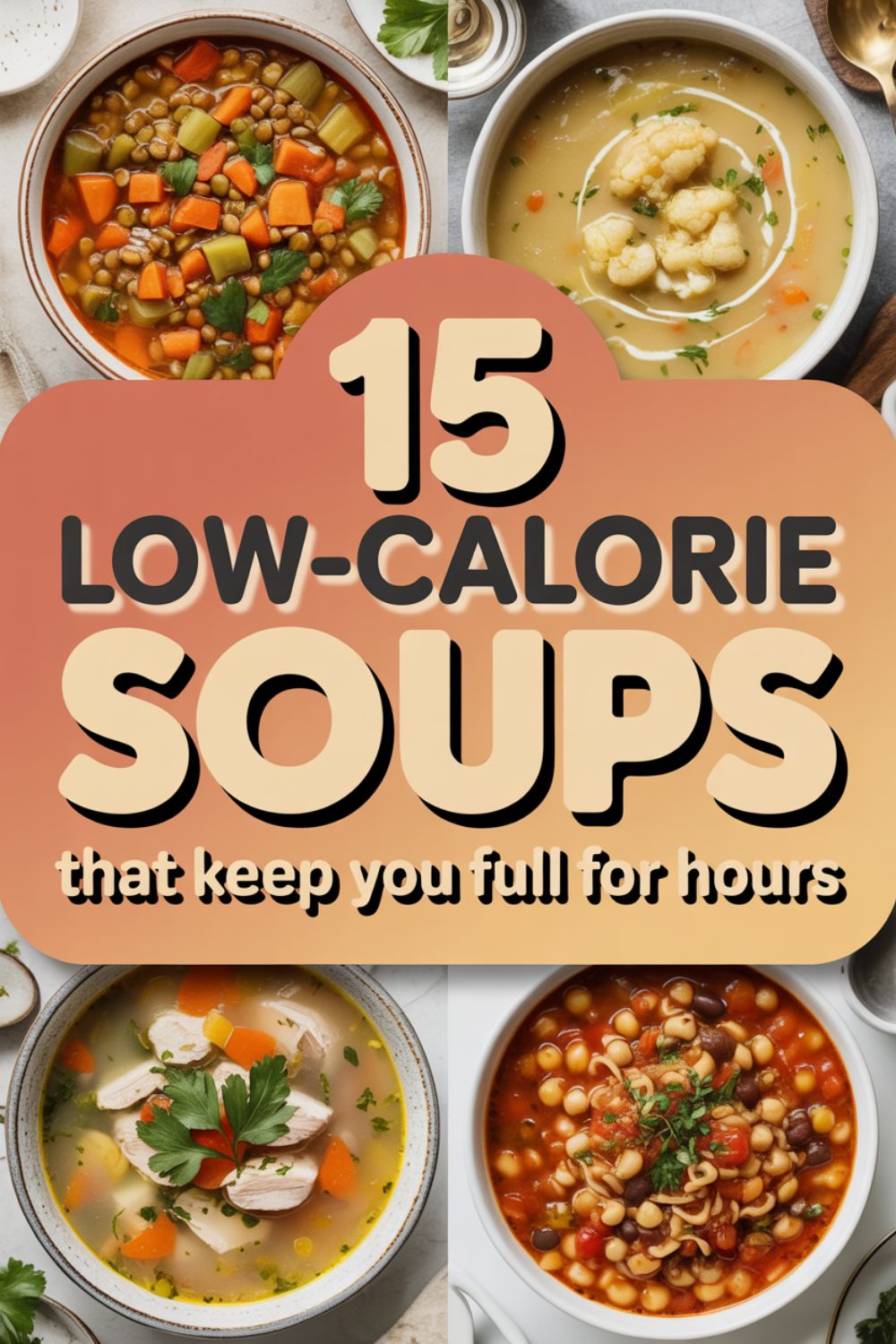
15 Low-Calorie Soups That Keep You Full for Hours
Look, I get it. You’re trying to cut calories, but that sad cup of broth at 3 PM isn’t fooling anyone—especially not your growling stomach. I spent way too many months thinking soup was just hot water with vegetables floating in it, wondering why I’d be ravenous an hour later. Turns out, not all soups are created equal.
The right low-calorie soup can actually keep you satisfied for hours without destroying your calorie budget. We’re talking real food here—soups packed with fiber, protein, and enough flavor that you don’t feel like you’re punishing yourself. I’ve tested more soup recipes than I care to admit, and these 15 are the ones I actually make on repeat.
Whether you’re meal prepping for the week or just need something comforting that won’t wreck your progress, these soups deliver. Most clock in under 200 calories per generous serving, and yeah, they actually fill you up.
Why Low-Calorie Soups Actually Work for Weight Loss
Here’s the thing about soup that nobody tells you: volume matters just as much as calories. Your stomach has stretch receptors that signal fullness to your brain, and soup triggers these receptors without packing in tons of calories. It’s basically biology working in your favor for once.
Water-based soups increase the volume of your meal significantly. A study from Penn State University found that people who ate soup before their main meal consumed 20% fewer calories overall. Not because they were trying harder—just because they were actually fuller.
But here’s where most people mess up: they pick soups that are all broth and no substance. You need fiber and protein to actually stay full. Fiber slows digestion, protein keeps your blood sugar stable, and together they mean you’re not hunting for snacks an hour later. IMO, that’s the whole point of eating soup for weight loss.
The best low-calorie soups combine vegetables (for volume and fiber), lean proteins like chicken or beans (for satiety), and smart seasonings (because bland food is why diets fail). When you want to expand your low-calorie recipe arsenal beyond soups, check out these low-calorie meals under 300 calories that follow the same satisfying principles.
15 Low-Calorie Soups That Actually Keep You Satisfied
1. Tuscan White Bean and Kale Soup (165 calories)
This one’s my go-to when I want something hearty without the heaviness. White beans bring serious protein and fiber—about 7 grams of each per serving. The kale adds bulk and nutrients without adding calories, and a little bit of Italian sausage (the turkey kind) gives it enough flavor that you won’t miss cream-based soups.
I use this Dutch oven for all my soup-making because it distributes heat evenly and nothing sticks to the bottom. Game changer for someone who used to burn everything. The key with this soup is not overcooking the kale—add it in the last 10 minutes so it stays vibrant and doesn’t turn into mush.
2. Spicy Black Bean Soup (175 calories)
Black beans are ridiculously filling for the calorie count. This soup packs 12 grams of protein per serving, and the capsaicin from jalapeños actually helps with satiety. According to research on capsaicin, spicy foods can reduce appetite and increase feelings of fullness.
I blend half the soup to make it creamy without adding any dairy. Top it with a tiny bit of Greek yogurt and some cilantro, and honestly, it rivals any restaurant version. If you’re a fan of plant-based meals that keep you full, you’ll probably love this 1500-calorie vegetarian meal plan too.
3. Chicken and Wild Rice Soup (190 calories)
Wild rice has more protein and fiber than white rice, plus it has this nutty flavor that makes the soup taste way more sophisticated than it actually is. I use rotisserie chicken to keep prep time under 20 minutes—no shame in using shortcuts.
The trick here is using chicken broth (not stock) and adding just a splash of coconut milk at the end. You get that creamy texture for maybe 20 extra calories. Worth it. Get Full Recipe.
“I started making the chicken and wild rice soup every Sunday, and it’s helped me stay consistent with my calorie deficit. Down 12 pounds in two months without feeling deprived!” — Jessica M.
4. Roasted Tomato Basil Soup (140 calories)
Roasting the tomatoes first changes everything. You get this deep, caramelized sweetness that means you don’t need added sugar. I roast mine with garlic and a tiny drizzle of olive oil using this silicone baking mat—zero cleanup, zero sticking.
Most tomato soups are loaded with cream. This version uses cashew cream (just blended soaked cashews) if you want richness, or you can skip it entirely. Either way, you’re looking at under 150 calories for a bowl that actually tastes indulgent.
5. Miso Mushroom Soup (130 calories)
Miso paste is one of those ingredients that adds massive umami flavor without many calories. Mushrooms are basically calorie-free and surprisingly filling thanks to their high water content and fiber. This soup is what I make when I want something light but satisfying.
The shiitake mushrooms are worth seeking out—they have more flavor than button mushrooms and honestly make the soup taste expensive. I use this vegetable chopper to prep everything fast because I’m lazy about knife skills.
If you’re following a structured eating plan, this soup works perfectly with a 7-day 1200-calorie meal plan without leaving you hungry.
6. Thai Coconut Chicken Soup (185 calories)
Yes, coconut milk is higher in calories, but you only need a small amount to get that creamy, rich flavor. The rest is chicken broth, tons of vegetables, and chicken breast. The lemongrass and ginger give it that authentic Thai flavor without needing a complicated ingredient list.
FYI, light coconut milk works fine here and saves about 40 calories per serving. I honestly can’t tell the difference once all the flavors are combined.
7. Cabbage and Chicken Sausage Soup (155 calories)
Cabbage is criminally underrated for weight loss. It’s filling, it’s cheap, and it has basically no calories. A whole cup of shredded cabbage is like 20 calories. This soup uses chicken sausage for flavor—you get the satisfaction of sausage without the calorie bomb.
I season this with smoked paprika and a little bit of apple cider vinegar at the end. That splash of acid brightens everything up and makes it taste way more complex than it is. For more ideas on incorporating satisfying proteins into low-calorie meals, these low-calorie chicken recipes are pretty solid.
8. Lentil and Spinach Soup (170 calories)
Lentils are stupid cheap and packed with protein—about 9 grams per half cup. They also have tons of fiber, which is why this soup keeps you full way longer than you’d expect from something so low-calorie. I add a whole bag of spinach at the end, which wilts down to nothing but adds nutrients.
The secret ingredient here is a parmesan rind thrown into the pot while it simmers. It adds this savory depth that makes people think you spent hours on this. You didn’t. It takes 25 minutes start to finish.
9. Vietnamese Pho-Inspired Chicken Soup (160 calories)
Traditional pho uses rice noodles, but I swap in zucchini noodles to keep calories down. You still get that aromatic broth with star anise, ginger, and cinnamon. I use this spiralizer for the zucchini noodles—way easier than trying to cut them by hand.
The fresh herbs are non-negotiable here. Thai basil, cilantro, and lime juice make this soup taste authentic. Don’t skip them or you’re just eating chicken broth with vegetables, and that’s sad.
10. Butternut Squash and Apple Soup (145 calories)
This one tastes like fall in a bowl. Butternut squash is naturally sweet and creamy when blended, so you don’t need any cream. The apple adds natural sweetness and a little tartness that balances the squash.
I roast the squash and apples first with a tiny bit of coconut oil spray instead of drenching them in oil. You get the caramelization without drowning in calories. A little nutmeg and cinnamon make it taste way fancier than the effort required.
11. Mexican Chicken Tortilla Soup (180 calories)
Skip the fried tortilla strips and you save a bunch of calories. I bake corn tortillas until crispy instead—same crunch, way fewer calories. The soup itself is loaded with chicken, black beans, corn, and tomatoes. It’s basically a taco in soup form.
Top it with a little bit of avocado and Greek yogurt instead of sour cream. You still get that creamy, rich element without the calorie hit. This pairs really well with other easy low-calorie dinner ideas if you’re meal planning for the week. Get Full Recipe.
12. Tuscan Chicken and Orzo Soup (195 calories)
Orzo gives this soup that satisfying pasta element without going overboard on carbs. Just a half cup of orzo per serving is enough to make it feel substantial. The chicken, white beans, and spinach add protein and fiber, so you’re not just eating carbs in broth.
I use chicken thighs instead of breasts because they stay tender in soup and have more flavor. Yes, they’re slightly higher in calories, but the difference is minimal and the taste is way better.
Meal Prep Essentials I Use for These Soups
After making approximately a million batches of soup, these are the tools I actually use every week:
Physical Products:
- 6-Quart Dutch Oven — Makes enough soup for 4-6 servings, heats evenly, and the enamel coating means nothing sticks. I’ve had mine for three years and it still looks new.
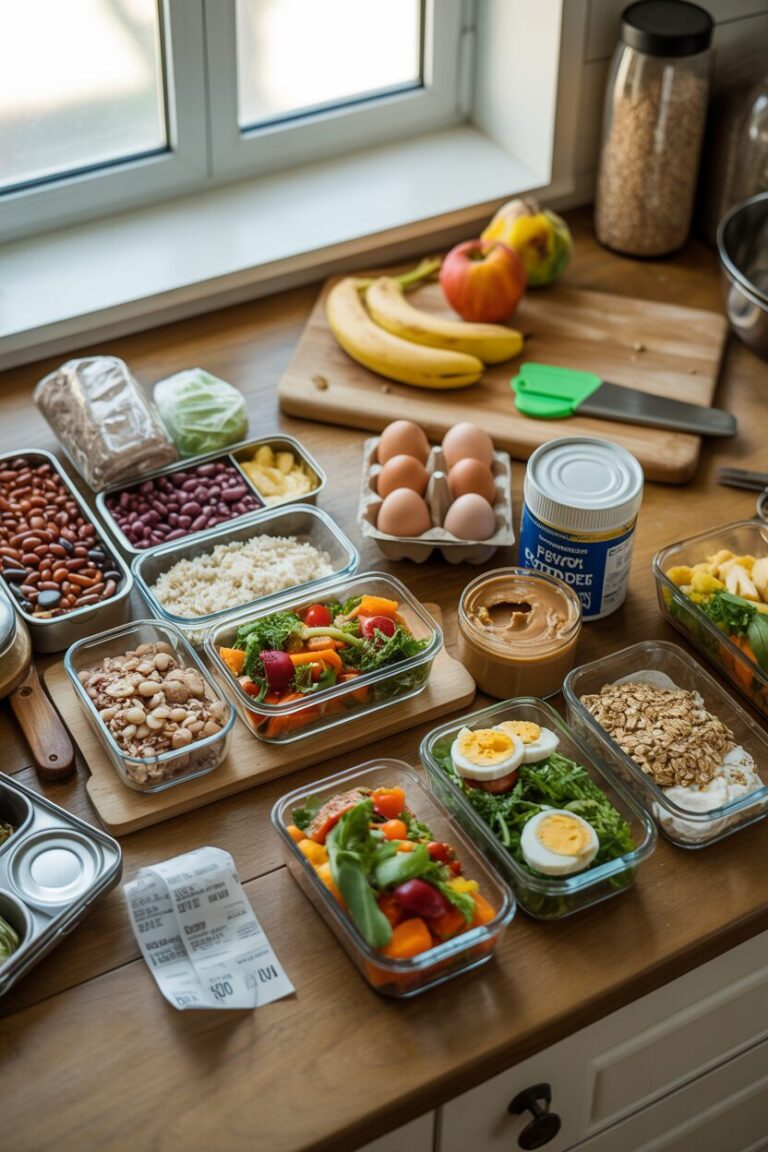
- Glass Meal Prep Containers (Set of 10) — Microwave-safe, no weird plastic taste, and you can see what’s inside. These stack nicely in the fridge and freezer.
- Immersion Blender — For creamy soups without transferring hot liquid to a blender. Saves time and burns (learned that one the hard way).
Digital Resources:
- Clean Eating Meal Prep Guide (eBook) — Breaks down exactly how to prep vegetables, proteins, and grains for the week. Takes the guesswork out of meal planning.
- Low-Calorie Recipe Database — Searchable by calorie count, prep time, and dietary restrictions. Saved me hours of Pinterest scrolling.
- Macro Tracking Template (Excel/Google Sheets) — Pre-loaded with common soup ingredients so you can quickly calculate nutrition info for your own recipes.
13. Italian Wedding Soup (170 calories)
Mini turkey meatballs, orzo, and escarole in a light chicken broth. The meatballs are made with lean ground turkey, breadcrumbs, and parmesan—way lighter than traditional beef and pork versions but still flavorful.
I use this small cookie scoop to portion the meatballs so they’re all the same size. They cook evenly and it’s way faster than rolling them by hand. Escarole is a slightly bitter green that holds up well in soup, but you can swap in spinach if that’s what you have.
14. Curried Red Lentil Soup (150 calories)
Red lentils cook faster than green or brown lentils and break down into a creamy texture naturally. The curry powder brings warmth and complexity without needing a ton of ingredients. Turmeric, cumin, and coriander work together to make this taste like you ordered takeout.
A squeeze of lime juice at the end brightens everything up. I serve this with a dollop of Greek yogurt to cool down the spice and add protein. When you’re looking for more protein-packed options that keep calories in check, these high-protein low-calorie meals hit the same spot.
15. Zuppa Toscana (180 calories)
The Olive Garden copycat everyone makes, but lighter. I use turkey sausage instead of pork, skip most of the cream, and load it up with kale and cauliflower. You still get that rich, hearty flavor without the 400+ calories of the restaurant version.
The secret is crisping the sausage in the pot first before adding anything else. Those browned bits on the bottom become the flavor base for the whole soup. Deglaze with a splash of white wine or chicken broth and scrape up all that good stuff. Get Full Recipe.
“I meal prep three of these soups every Sunday and rotate them through the week. Haven’t gotten bored yet, and I’m down 18 pounds in three months. The Tuscan white bean is my favorite.” — Rachel K.
How to Make Your Low-Calorie Soups Even More Filling
Even with these soup recipes, you might need a little extra staying power depending on your activity level. Here’s what actually works without wrecking your calorie count:
Add extra protein. A scoop of rotisserie chicken, some white beans, or even a soft-boiled egg can add 50-80 calories but significantly increase satiety. Protein takes longer to digest than carbs, which means you stay full longer.
Include healthy fats sparingly. A teaspoon of olive oil drizzled on top, half an avocado on the side, or a tablespoon of pumpkin seeds adds about 40-80 calories but makes a huge difference in satisfaction. Fat slows gastric emptying, which is a fancy way of saying it keeps food in your stomach longer.
Bulk it up with vegetables. Adding extra spinach, zucchini, mushrooms, or cauliflower increases volume without meaningfully increasing calories. These vegetables are high in water and fiber, which both contribute to fullness.
When you pair these soups with a solid meal plan structure, you’ll see consistent results without the constant hunger. I recommend checking out this 30-day low-calorie meal plan for a complete approach that includes soups as part of a balanced strategy.
Soup Meal Prep Strategy That Actually Works
Making soup is easy. Making soup consistently without burning out is the actual challenge. Here’s what works for me:
Pick two soups per week. Not five. Not ten. Two. Make a double batch of each on Sunday. You get variety without overwhelming yourself with prep work. One can be vegetable-based, one can be protein-heavy—that way you’re not eating the same thing every day.
Portion immediately. Don’t store soup in one giant container and scoop it out daily. Portion it into individual containers right away while you’re cleaning up. Future you will appreciate not having to make decisions when you’re hungry. I use these 2-cup containers because they’re the perfect soup serving size.
Freeze half. Even if you think you’ll eat it all this week, freeze half. Soup keeps for months in the freezer and you’ll be grateful for the variety three weeks from now when you’re sick of whatever you’re eating then.
Label everything. Date it, name it, write the calorie count on the lid with a dry-erase marker. This sounds excessive until you’re staring at three identical containers wondering which one is which.
For more structured guidance on low-calorie meal planning that includes soups as part of your weekly rotation, this 21-day meal plan for busy women breaks it all down step by step.
Tools and Resources That Make Soup Prep Easier
These aren’t essential, but they make the whole process way less annoying:
Physical Tools:
- Vegetable Chopper/Dicer — Uniform cuts in seconds. I use this for onions, peppers, and celery because I hate chopping and my knife skills are mediocre at best.
- Ladle with Portion Markings — Takes the guesswork out of serving sizes. Most soups are calculated at 1.5-2 cups per serving, and this ladle has measurement lines.
- Soup Freezer Bags (Quart Size) — These lay flat in the freezer and stack like books. Way more space-efficient than containers for long-term storage.
Digital Resources:
- Meal Planning App (Premium Version) — Links recipes to grocery lists automatically. You pick your soups for the week and it generates a shopping list. Saves probably 30 minutes every Sunday.
- Soup Recipe eBook Collection — 100+ low-calorie soup recipes organized by season and cuisine type. I reference this constantly for variety.
- Nutrition Calculator Tool — Web-based calculator that lets you input ingredients and get accurate nutrition info. Essential if you’re tracking macros.
Join Our Community: We have a WhatsApp group where people share their soup meal prep wins, swap recipes, and troubleshoot issues. It’s genuinely helpful and not spammy. Message me for the link.
Common Mistakes That Make Low-Calorie Soups Less Filling
I’ve made all of these mistakes, and they’re probably why your soup isn’t keeping you full:
Not enough protein. A bowl of vegetable soup might be 100 calories, but it won’t keep you satisfied for more than an hour. You need at least 15-20 grams of protein per meal to maintain satiety. Add chicken, beans, lentils, or tofu.
Skipping the fiber. Broth with a few sad vegetables doesn’t cut it. You need beans, lentils, whole grains like barley or farro, or lots of fiber-rich vegetables. Fiber is what slows down digestion and keeps you feeling full.
Making it too watery. If your soup is basically colored water, it’s not going to be satisfying. The consistency should be thick enough that ingredients don’t just sink to the bottom immediately. Blending part of the soup or adding a small amount of pureed vegetables can fix this.
Underseasoning. This is honestly why most diet food fails. Bland food doesn’t satisfy cravings, so you end up eating more later. Use herbs, spices, citrus juice, vinegar, and a reasonable amount of salt. Flavor matters.
If you’re trying to figure out the right calorie level for your goals, this comparison of 1200 vs 1500 calorie meal plans might help you decide what works for your body and activity level.
What to Serve with Low-Calorie Soup
Sometimes soup alone isn’t enough for a meal, especially if you’re active or used to larger portions. Here’s what I add without destroying the calorie count:
A small whole-grain roll. About 100-120 calories and it makes the meal feel more complete. I portion these out ahead of time so I’m not tempted to eat three.
A side salad. Greens with a light vinaigrette add volume and nutrients for minimal calories. This combo of soup plus salad is pretty hard to overeat.
A serving of fruit. An apple or pear on the side adds fiber and natural sweetness. It satisfies that desire for something sweet after a meal without breaking out dessert.
For complete low-calorie meals that pair well with these soups, check out these low-calorie lunch ideas and these low-calorie dinners under 350 calories for more balanced options.
Frequently Asked Questions
How long do these low-calorie soups last in the fridge?
Most soups stay good for 4-5 days in the fridge when stored in airtight containers. Soups with dairy or coconut milk should be eaten within 3-4 days. If you’re not going to eat it within that time, freeze it—most soups freeze beautifully for up to 3 months.
Can I freeze soup with pasta or rice in it?
You can, but the texture changes. Pasta gets mushy and rice can get grainy when frozen and reheated. I usually freeze the soup without the pasta or rice and cook fresh to add when I reheat it. Takes an extra 10 minutes but the texture is way better.
Why am I still hungry after eating a bowl of low-calorie soup?
You probably need more protein or fiber in your soup. A broth-based vegetable soup without beans, lentils, or protein won’t keep you full. Make sure each serving has at least 15 grams of protein and several grams of fiber. Also, eat slowly—it takes 20 minutes for fullness signals to register.
Are low-calorie soups good for weight loss?
Yes, when they’re made with enough protein and fiber. Soup increases meal volume without adding many calories, which helps with satiety. Studies show people who eat soup regularly consume fewer calories overall. But the soup needs to be nutritionally balanced—not just broth and vegetables.
What’s the best way to reheat soup without it getting weird?
Stovetop reheating is best for maintaining texture, but microwave works fine if you stir it halfway through and add a splash of broth or water if needed. For soups with greens, undercook them slightly when making the original batch—they’ll finish cooking when you reheat and won’t turn to mush.
Final Thoughts
Low-calorie soups aren’t some magic weight loss solution, but they’re one of the most practical tools you can use when you’re trying to cut calories without losing your mind. These 15 recipes are the ones I actually make regularly because they taste good and keep me satisfied long enough to make it to my next meal.
The key is choosing soups with enough protein and fiber to actually keep you full. A bowl of broth isn’t going to cut it, but a bowl of Tuscan white bean soup or Thai coconut chicken soup will. Meal prep a couple of these on Sunday, portion them out, and you’ve got easy lunches or dinners sorted for the week.
Start with two or three recipes that sound good to you. Make them, see what you like, and build from there. Not every recipe will be your favorite, and that’s fine. The goal is to find a rotation that works for you so you’re not eating the same sad salad every day wondering why weight loss feels so miserable.