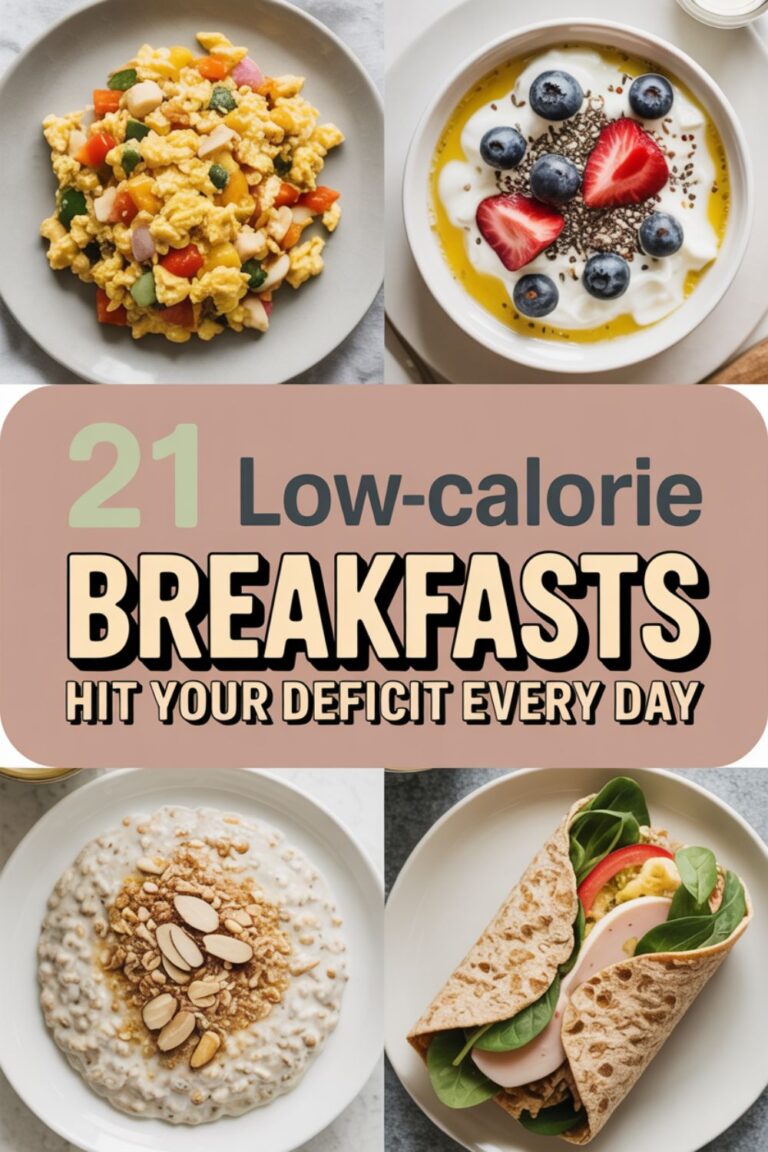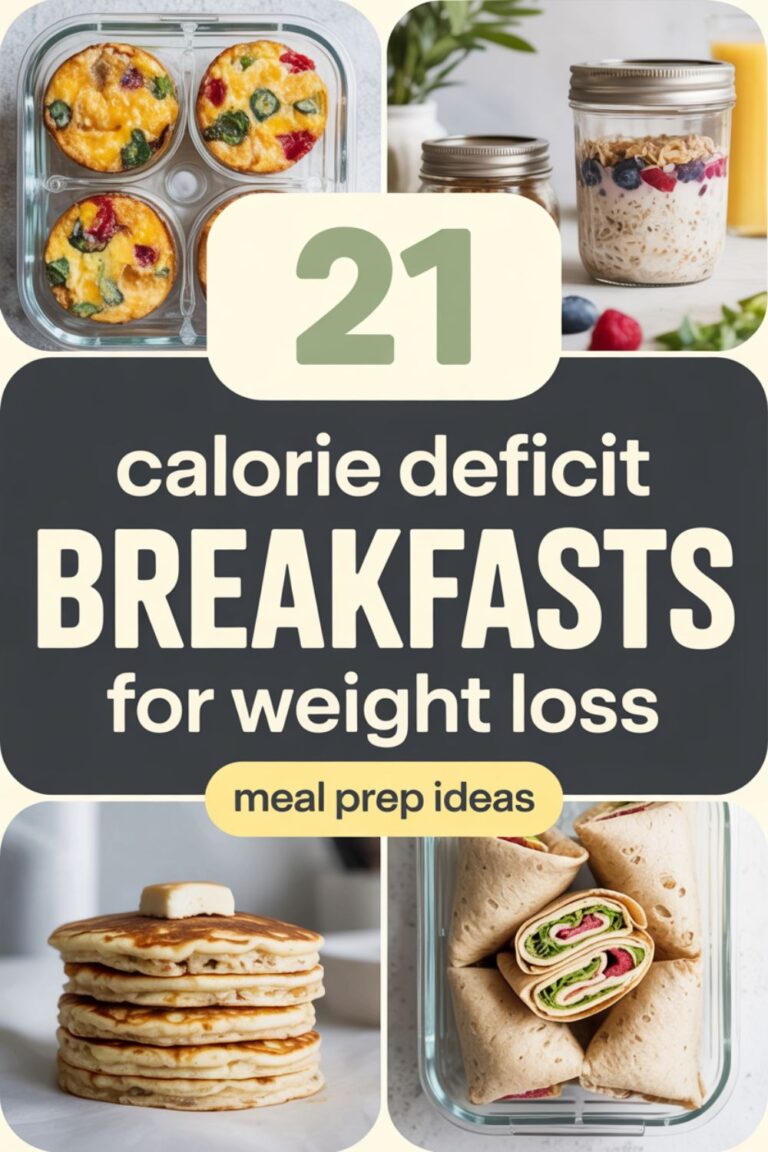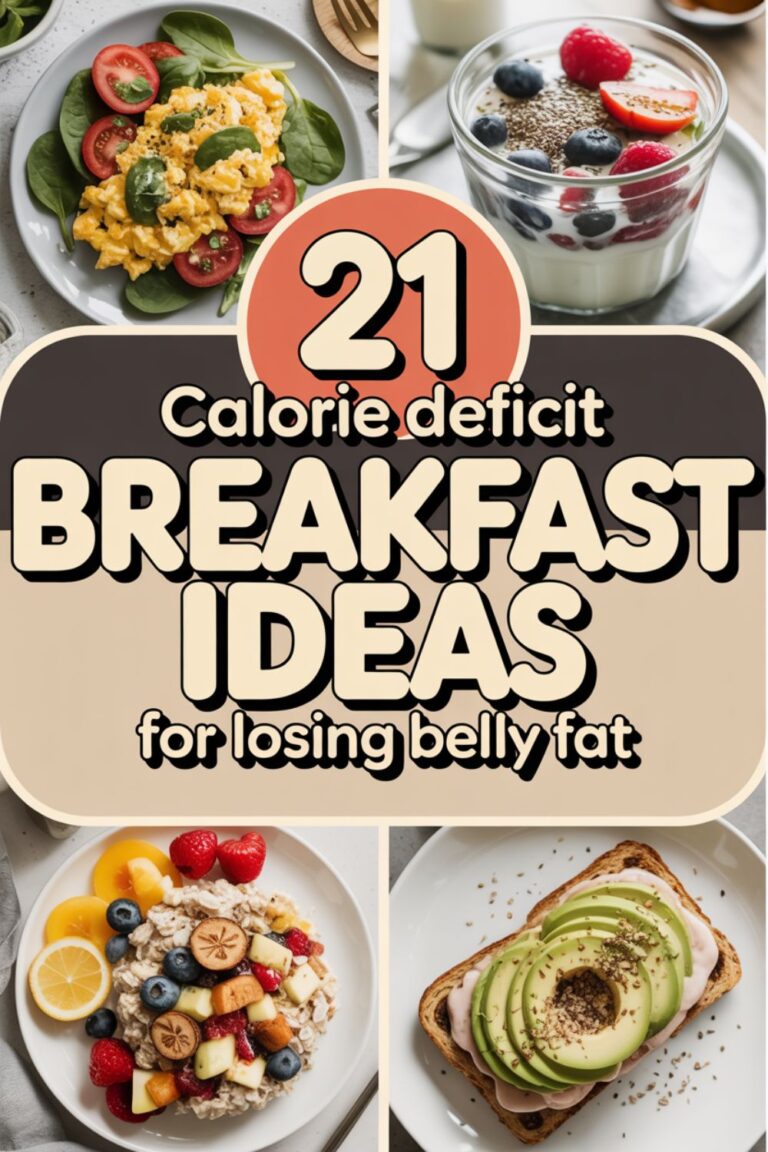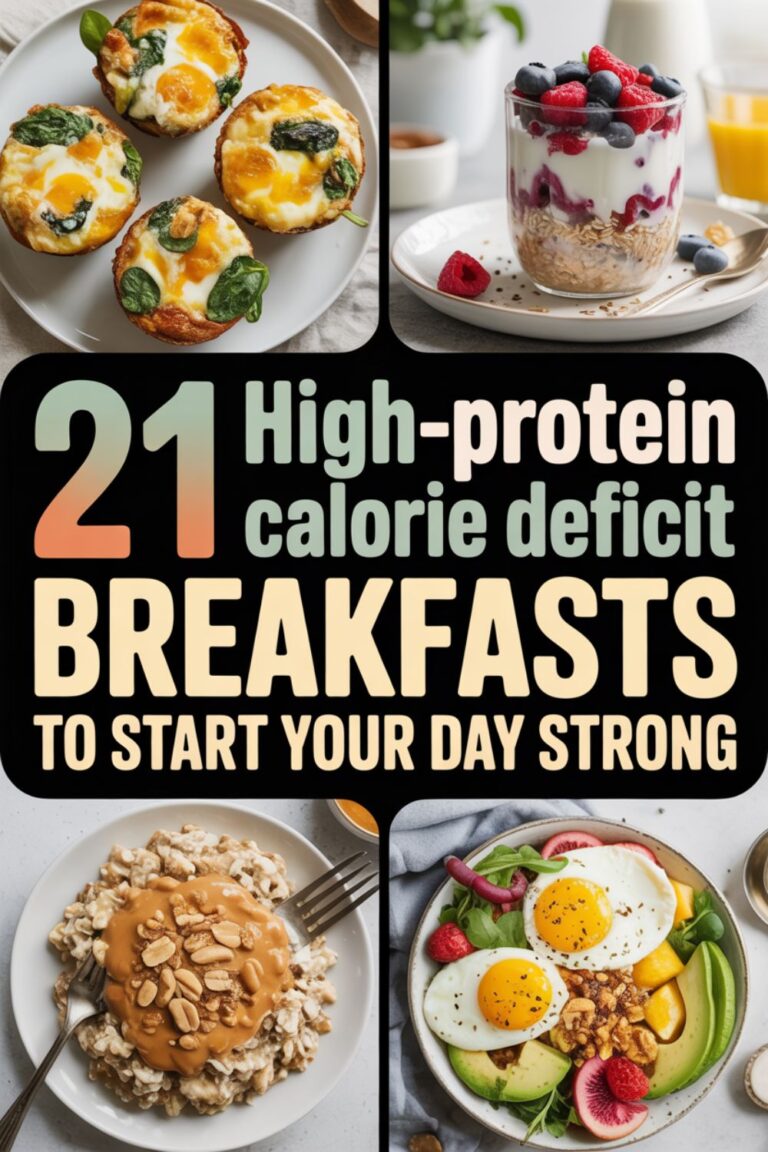
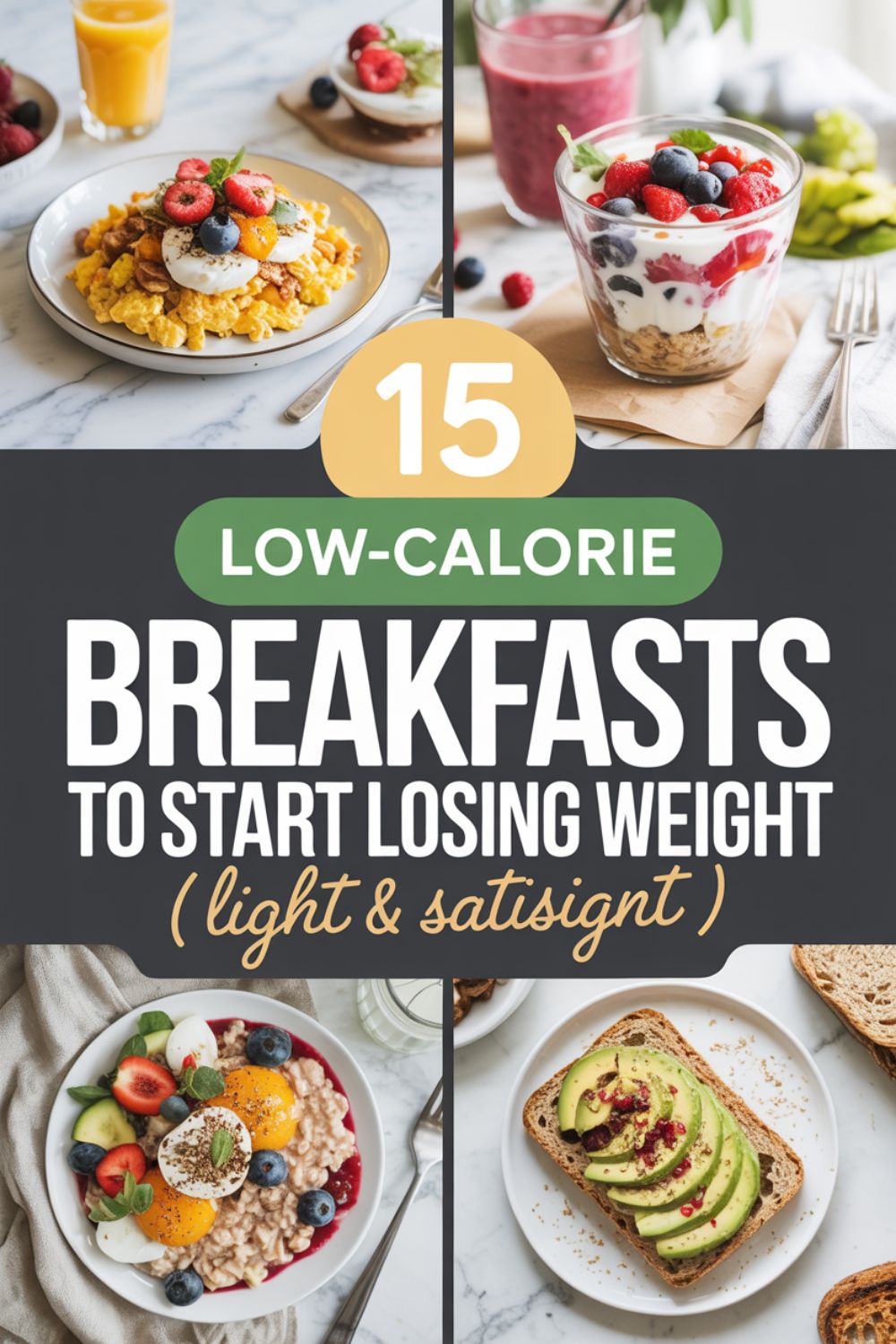
15 Low-Calorie Breakfasts to Start Losing Weight
Look, I’m not going to pretend that eating 200-calorie breakfasts is the secret to eternal happiness. But if you’re trying to drop a few pounds without feeling like you’re chewing on cardboard at 7 AM, you’ve landed in the right spot.
Here’s the thing about breakfast and weight loss—it’s not about starving yourself or drinking some sketchy detox smoothie that tastes like grass clippings. It’s about finding meals that actually fill you up, taste good, and don’t blow your calorie budget before lunch. I’ve been down the whole “skip breakfast to save calories” road, and spoiler alert: it usually ends with me face-first in a bag of chips by 10 AM.
So let’s talk about 15 breakfast options that keep you under 300-400 calories while actually tasting like food you’d want to eat. These aren’t complicated chef-level creations either. Most take less time than scrolling through your phone while your coffee cools down. Ready? Let’s get into it.
Why Low-Calorie Breakfasts Actually Work
Before we jump into recipes, let’s address the elephant in the room. Does eating a low-calorie breakfast actually help you lose weight, or is it just another diet trend that’ll disappear faster than your New Year’s resolutions?
The science is pretty straightforward. When you start your day with a nutrient-dense, lower-calorie meal, you’re setting yourself up for better choices throughout the day. According to research from Mayo Clinic, creating a calorie deficit is the fundamental principle of weight loss—you need to burn more calories than you consume. A lighter breakfast doesn’t mean you’re depriving yourself; it means you’re being strategic about where your calories come from.
Plus, eating breakfast kickstarts your metabolism. I know, I know—everyone says that. But it’s true. When you feed your body in the morning, you’re literally breaking the fast (hence the name) and telling your metabolism to wake up and get to work. Skip it, and your body goes into conservation mode, holding onto every calorie like it’s preparing for the apocalypse.
Pro Tip: Prep your breakfast ingredients the night before. Seriously, Sunday night veggie chopping will save you from the morning “I’ll just grab a muffin” spiral all week long.
🔥 Join Our Morning Wellness Community
Want daily breakfast ideas, meal prep hacks, and weight loss tips sent straight to your phone? Our WhatsApp community shares real results, recipe swaps, and motivation every single day.
Join 12,000+ members who are crushing their weight loss goals together.
1. Greek Yogurt Parfait with Berries
Let’s start with something stupid simple. Greek yogurt is your protein-packed best friend when you’re trying to lose weight. A cup of plain, non-fat Greek yogurt clocks in around 100 calories and packs about 17 grams of protein. That’s more protein than most people get in their entire breakfast.
Layer it with half a cup of mixed berries—strawberries, blueberries, raspberries, whatever you’ve got—and you’re adding maybe 30-40 calories of fiber-rich, antioxidant-loaded goodness. Throw in a tablespoon of granola for crunch (yes, just one tablespoon, we’re being honest here) and you’re still under 200 calories total.
The beauty of this breakfast is the protein-to-calorie ratio. Protein keeps you full way longer than carbs alone, which means you’re not raiding the office snack drawer by 9:30. I like using these glass parfait jars to prep a few days’ worth at once—they stack perfectly in the fridge and make me feel weirdly organized.
If you’re looking for more protein-packed morning ideas that won’t derail your goals, you might want to check out high-protein breakfast recipes or try this berry yogurt smoothie bowl that takes the parfait concept even further.
2. Veggie-Loaded Egg White Scramble
Egg whites get a bad rap for being boring, but hear me out. Three egg whites give you about 50 calories and 11 grams of protein. The trick is loading them up with vegetables so you’re not just eating sad, flavorless white blobs.
Dice up some bell peppers, spinach, mushrooms, and tomatoes. Sauté them in a good non-stick pan with just a spritz of cooking spray. Toss in your egg whites, scramble everything together, and hit it with some black pepper and hot sauce. The whole thing comes in under 150 calories and actually tastes like something you’d order at brunch.
FYI, if you’re missing the richness of whole eggs, toss in one whole egg with your egg whites. You’ll add about 70 calories but get that creamy texture and some healthy fats that help you absorb all those veggie nutrients. Research shows that eggs can increase feelings of fullness and help reduce calorie intake later in the day.
Why Vegetables Matter in Weight Loss
Real talk: vegetables are your secret weapon. They’re high in fiber, low in calories, and take up space in your stomach. It’s literally the only thing you can eat in massive quantities without worrying about your waistline. Plus, the fiber in veggies slows down digestion, keeping you fuller longer.
Compare a plain bagel (about 300 calories, no nutrients) to a veggie scramble (150 calories, tons of vitamins and minerals). Both might fill you up initially, but one leaves you starving by 11 AM while the other actually nourishes your body. Not a tough choice, right?
3. Overnight Oats with Chia Seeds
If you’re not on the overnight oats train yet, what are you even doing? This is meal prep at its laziest and most effective. Mix half a cup of rolled oats with a cup of unsweetened almond milk, a tablespoon of chia seeds, and a dash of cinnamon. Stick it in the fridge overnight, and boom—breakfast is ready when you roll out of bed.
The whole thing comes in around 200-250 calories depending on your toppings. I usually add a handful of berries and maybe some sliced banana in the morning. The chia seeds are clutch here—they absorb liquid and expand, making the oats super filling. Plus, they’re packed with omega-3s and fiber.
I prep mine in mason jars every Sunday. Five breakfasts, done in 10 minutes. You can totally meal prep your oats in a regular pan, but I swear by this small prep container set—less babysitting, everything stays fresh, and you can grab and go. Get Full Recipe for our ultimate overnight oats guide.
Speaking of morning shortcuts, you might also enjoy these make-ahead breakfast ideas or this peanut butter overnight oats recipe if you want to switch up the flavor profile.
Quick Win: Buy pre-portioned oat packets if measuring feels like too much work. Sometimes paying an extra dollar is worth not having to think at 6 AM.
4. Avocado Toast on Thin-Sliced Bread
Yeah, yeah, avocado toast is basic. But you know what? It works. A slice of thin-cut whole grain bread runs about 60-80 calories. Mash up a quarter of an avocado (about 60 calories), spread it on your toast, hit it with some red pepper flakes and a squeeze of lemon, and you’ve got a 140-calorie breakfast that actually tastes indulgent.
The healthy fats in avocado keep you satisfied, and the whole grain bread provides complex carbs that don’t spike your blood sugar like white bread does. Want to level it up? Add a poached egg on top. You’re looking at about 210 calories total, and trust me, you’ll be full until lunch.
The key here is portion control. A whole avocado is nearly 250 calories, which isn’t bad, but it can add up fast if you’re not paying attention. I use this avocado slicer tool—sounds ridiculous, but it actually helps me stick to quarter portions without making a mess.
5. Protein Smoothie Bowl
Smoothie bowls are Instagram-famous for a reason—they look good and they’re genuinely filling when you do them right. Blend up a cup of unsweetened almond milk, half a frozen banana, a handful of spinach (you won’t taste it, I promise), and a scoop of protein powder. Pour it into a bowl, top with sliced strawberries and a sprinkle of sliced almonds.
Total calories? Around 250-300 depending on your protein powder. The trick is eating it with a spoon instead of drinking it through a straw. IMO, it takes longer to eat, which gives your brain time to register that you’re full. Plus, there’s something satisfying about eating your smoothie instead of just chugging it.
I use this compact blender because my kitchen is the size of a shoebox and I don’t need a professional-grade machine taking up half my counter. It gets the job done without requiring a mortgage payment.
NutriBullet Pro 900W Personal Blender
The secret weapon for perfect smoothie bowls and protein shakes every single time
Here’s why this blender changed my breakfast game: Most blenders either can’t handle frozen fruit (hello, chunky smoothies) or they’re so massive you need a separate counter for them. This thing pulverizes frozen berries, ice, and even those stubborn chia seeds into silk in under 60 seconds.
- 900-watt motor – Powerful enough for frozen ingredients but won’t wake up your entire building
- Takes up 6 inches of counter space – Stores in a cabinet if you actually have counter space (jealous)
- Blend directly in the cup you drink from – One less dish to wash, which is basically the dream
- Extractor blade design – Breaks down whole fruits, nuts, and seeds so you absorb more nutrients
- Multiple cup sizes included – 32oz for meal prep, smaller ones for quick single servings
My favorite hack: Blend your protein smoothie at night, stick it in the fridge, and just shake it up in the morning. Game changer for people who can’t function before coffee. The cups seal perfectly—zero leaks even when you’re running out the door.
The Protein Powder Debate
Not all protein powders are created equal. Some taste like chalk mixed with sadness. Others are loaded with sugar and artificial ingredients. Look for one with at least 20 grams of protein per scoop and minimal added sugars. Whey protein is great if you do dairy; plant-based options like pea or hemp protein work just as well if you don’t.
And before someone asks—yes, you can skip the protein powder and use Greek yogurt instead. It won’t blend quite as smooth, but you’ll still get that protein punch.
6. Cottage Cheese with Cucumber and Tomatoes
This one sounds weird until you try it, and then you’re hooked. Half a cup of low-fat cottage cheese gives you about 80 calories and 14 grams of protein. Dice up some cucumber and cherry tomatoes, toss them with the cottage cheese, add a pinch of salt, pepper, and maybe some fresh dill if you’re feeling fancy.
The whole thing comes in under 150 calories and feels surprisingly filling. The vegetables add volume and crunch, and the cottage cheese provides that creamy, savory element that makes it feel like actual food, not diet food.
I know cottage cheese has texture issues for some people. If you’re in that camp, try blending it first to make it smoother. Or just skip this one—there are 14 other options here, no judgment.
For more savory breakfast options that break the sweet breakfast mold, check out these protein-packed savory breakfasts or try a Mediterranean-style veggie breakfast.
7. Apple Slices with Almond Butter
Sometimes breakfast doesn’t need to be complicated. Slice up a medium apple (about 95 calories) and pair it with a tablespoon of almond butter (about 100 calories). That’s it. That’s the whole breakfast.
The fiber in the apple combined with the protein and healthy fats in the almond butter creates a surprisingly balanced meal. Will it keep you full as long as a three-egg omelet? Probably not. But for lighter morning appetites or days when you’re rushing out the door, it beats grabbing a granola bar that’s basically a candy bar in disguise.
Pro tip: measure out that tablespoon of almond butter. It’s really easy to accidentally use three tablespoons and wonder why you’re not losing weight. I keep these portion control containers in my pantry for exactly this reason.
Pro Tip: Try swapping almond butter for peanut butter or cashew butter occasionally. Different nut butters have slightly different nutritional profiles, and variety keeps you from getting bored.
8. Spinach and Feta Egg Muffins
Egg muffins are the ultimate make-ahead breakfast. Mix six eggs with a bunch of chopped spinach and some crumbled feta cheese. Pour the mixture into a silicone muffin pan and bake at 350°F for about 20 minutes. Each muffin is roughly 70-80 calories.
Grab two in the morning, microwave for 30 seconds, and you’ve got a 150-calorie breakfast that required zero morning effort. They keep in the fridge for five days or freeze beautifully if you want to batch cook a few dozen.
The feta adds a ton of flavor without many calories, and the spinach bulks up the muffins so you’re eating more volume for fewer calories. It’s basically the definition of working smarter, not harder. Get Full Recipe for our popular egg muffin variations.
9. Smoked Salmon on Cucumber Slices
Feeling bougie? Slice up a cucumber and top each slice with a small piece of smoked salmon and a tiny dollop of plain Greek yogurt (in place of cream cheese). Sprinkle with fresh dill and a squeeze of lemon.
Three ounces of smoked salmon is about 100 calories, and the cucumber adds basically nothing calorie-wise while providing serious crunch and hydration. The Greek yogurt brings creaminess and extra protein without the fat and calories of cream cheese. Total calories for a generous serving? Around 150-200.
This is one of those breakfasts that feels fancy enough for a weekend brunch but is actually stupid simple to throw together on a Tuesday. Plus, the omega-3s in salmon are great for your heart and can help reduce inflammation.
10. Banana Protein Pancakes
Mash up one ripe banana with two eggs and a scoop of protein powder. Mix until combined. Cook like regular pancakes in a non-stick griddle pan. That’s it. That’s the recipe.
You get fluffy, slightly sweet pancakes for about 300 calories total that pack nearly 30 grams of protein. Top with a few fresh berries and you’ve got a breakfast that feels like dessert but actually supports your weight loss goals.
The banana provides natural sweetness, so you don’t need syrup (though a tiny drizzle of real maple syrup is only about 50 calories if you really want it). These pancakes are best eaten fresh, but you can make them ahead and reheat in the microwave in a pinch.
Natural Sweeteners vs. Added Sugars
Here’s something worth understanding: the sugar in a banana comes packaged with fiber, vitamins, and minerals. The sugar in syrup or honey? Not so much. Your body processes them differently. Whole fruit slows down sugar absorption, preventing those crazy blood sugar spikes that leave you hangry an hour later.
That doesn’t mean fruit is unlimited—it still has calories. But it’s a way smarter choice than dumping processed sugar on everything.
11. Zucchini Noodle Frittata
Spiralize a medium zucchini (or buy pre-spiralized zoodles because who has time). Sauté them briefly in a small oven-safe skillet, then pour in a mixture of four beaten eggs with some herbs and a bit of parmesan cheese. Cook on the stovetop for a few minutes, then finish under the broiler.
Cut into wedges and you’ve got multiple breakfast portions at about 150-180 calories each. The zucchini adds tons of volume without many calories, and the eggs provide protein to keep you satisfied. It reheats really well, making it perfect for meal prep.
I make this on Sundays and eat it throughout the week. Sometimes I throw in whatever vegetables are lurking in my crisper drawer—bell peppers, onions, mushrooms. It’s basically impossible to mess up.
🎯 The Complete Kitchen Equipment Guide for Weight Loss
Tired of guessing which kitchen tools actually make meal prep easier? We tested 47 different products over 6 months and found the exact tools that save time, money, and calories.
Inside this guide you’ll discover:
- The only 12 kitchen tools you actually need (and the 20 you’re wasting money on)
- Budget-friendly alternatives to expensive gadgets that work just as well
- Meal prep containers that actually keep food fresh for 7+ days
- Small appliances that pay for themselves in saved takeout money
12. Chia Seed Pudding with Berries
Mix three tablespoons of chia seeds with one cup of unsweetened almond milk and a dash of vanilla extract. Let it sit in the fridge overnight (or at least four hours). The chia seeds absorb the liquid and create this pudding-like texture that’s surprisingly satisfying.
Top with a handful of fresh berries and you’re at about 200 calories. The chia seeds are loaded with fiber and omega-3s, and the berries add antioxidants and natural sweetness. It’s like eating dessert for breakfast, except it’s actually good for you.
Some people find chia pudding’s texture off-putting. If that’s you, try blending it after it’s set—it becomes smoother and more like traditional pudding. Or skip it entirely and try the overnight oats instead. Life’s too short to eat breakfast you hate.
Looking for more creative uses for chia seeds? Try this tropical chia pudding or explore energy-boosting breakfast recipes that incorporate superfoods naturally.
13. Turkey Sausage with Sautéed Peppers
Two links of turkey sausage run about 140 calories and provide roughly 14 grams of protein. Pair them with a cup of sautéed bell peppers and onions (maybe 50 calories) and you’ve got a filling, savory breakfast under 200 calories.
The key is choosing quality turkey sausage that isn’t loaded with fillers and sodium. Read the label. If you can’t pronounce most of the ingredients, put it back and find something better. Your body will thank you.
This breakfast has that hearty, stick-to-your-ribs quality that makes it feel more substantial than it actually is. The vegetables add color, nutrients, and fiber, while the sausage provides the protein and satisfaction factor.
Quick Win: Buy frozen sliced peppers and onions. They’re already prepped, they don’t go bad, and they cost about the same as fresh. Sometimes convenience wins, and that’s okay.
14. Tomato and Mozzarella Egg Wrap
Beat two eggs with a tablespoon of water and pour into a hot pan to make a thin omelet. Once it’s almost set, add sliced tomatoes and a small amount of part-skim mozzarella cheese. Fold it over like a wrap or roll it up.
The whole thing is about 200-250 calories and gives you that satisfying, handheld breakfast experience without the 400+ calories of a fast-food breakfast burrito. The tomatoes add freshness and vitamin C, while the mozzarella provides calcium and just enough richness.
I like using these flexible silicone spatulas for egg wraps—they make flipping and folding so much easier without tearing the eggs. Small tool, big difference.
15. Pumpkin Spice Protein Oatmeal
Cook half a cup of oats with water, then stir in two tablespoons of pure pumpkin puree, a scoop of vanilla protein powder, and a dash of pumpkin pie spice. Top with a few chopped walnuts if you want some healthy fats and crunch.
Total calories: around 300, with about 25 grams of protein. The pumpkin adds fiber and vitamin A without many calories, and the protein powder makes this way more filling than regular oatmeal. It’s basically fall in a bowl, and it works year-round because who says you can only eat pumpkin in October?
The walnuts are optional but recommended—they add omega-3 fatty acids and that satisfying crunch factor. Just watch your portions because nuts are calorie-dense. I use a small kitchen scale to weigh out exactly one ounce (about 14 walnut halves) because eyeballing portions is how you accidentally eat 400 calories of nuts.
💬 Get Daily Recipe Ideas on WhatsApp
Stop scrolling through Pinterest for hours. Get one delicious, tested low-calorie recipe delivered to your phone every morning at 6 AM—perfectly timed for breakfast planning.
Plus: Weekly meal plans, grocery lists, and exclusive prep videos you won’t find anywhere else.
Making It Work in Real Life
Here’s what nobody tells you about low-calorie breakfasts: they only work if you actually eat them. Sounds obvious, right? But how many times have you planned to make overnight oats and then slept through your alarm and grabbed a muffin from the coffee shop instead?
The secret to consistency is having multiple options and removing as many barriers as possible. Keep your kitchen stocked with eggs, Greek yogurt, frozen berries, and nut butter. Have these basics on hand and you can throw together something decent in under five minutes.
The Meal Prep Advantage
I’m not suggesting you spend your entire Sunday cooking. But spending 30 minutes prepping a few breakfasts saves you hours during the week and prevents those “I’ll just skip breakfast” moments that lead to overeating later.
Egg muffins? Make a dozen. Overnight oats? Prep five jars. Chia pudding? Mix up a big batch. Having grab-and-go options ready means you’re more likely to stick with your plan when mornings get chaotic.
Listening to Your Body
Some people genuinely aren’t hungry in the morning. If that’s you, don’t force yourself to eat just because diet culture says breakfast is the most important meal. But also don’t skip breakfast and then eat everything in sight by 11 AM because your blood sugar crashed.
Find what works for YOUR body and YOUR schedule. Maybe that’s a 200-calorie breakfast at 6 AM. Maybe it’s a 300-calorie breakfast at 9 AM. Harvard Health Publishing notes that the research on breakfast and weight loss is mixed—what matters most is your total daily calorie intake and the quality of what you eat.
📊 The Ultimate Calorie Counting Cheat Sheet
Forget complicated apps and confusing nutrition labels. This visual guide shows you exactly what 100, 200, and 300 calories actually look like across 50+ common foods.
You’ll learn:
- The “volumetric” eating hack that lets you eat MORE food for fewer calories
- 15 foods you think are healthy but are secretly calorie bombs
- Restaurant portion tricks that double your calories without you realizing
- The 5-minute method to estimate calories without measuring anything
Frequently Asked Questions
How many calories should my breakfast be if I’m trying to lose weight?
It depends on your total daily calorie needs, but most people do well with 300-400 calories at breakfast. If you’re very active in the morning or workout before eating, you might need closer to 400-450 calories. Desk job with minimal morning activity? Stick to the lower end, around 250-350 calories.
Will eating breakfast actually help me lose weight?
Breakfast itself doesn’t magically cause weight loss, but it can help prevent overeating later in the day. Research published in the International Journal of Obesity found that eating eggs for breakfast helped participants lose more weight when combined with a calorie-deficit diet. The key is that breakfast can help regulate your appetite and reduce impulsive food choices when you’re starving at 11 AM.
Can I meal prep low-calorie breakfasts for the whole week?
Absolutely. Egg muffins, overnight oats, and chia pudding all store beautifully for 5-7 days in the fridge. Some breakfasts like smoothie bowls or scrambled eggs are better made fresh, but you can still prep the ingredients ahead of time. Chop your veggies, portion out your nuts and seeds, and pre-measure your oats on Sunday. Your future self will thank you.
What if I’m not hungry in the morning?
Don’t force it. Some people genuinely do better with a smaller eating window. But if you’re skipping breakfast and then binging by mid-morning, that’s a problem. Try starting with something small like a piece of fruit with nut butter or a small smoothie. Your body might need time to adjust to eating in the morning if you’ve been skipping it for years.
Are low-calorie breakfasts filling enough to keep me satisfied until lunch?
If you’re doing them right, yes. The secret is prioritizing protein and fiber, which slow down digestion and keep you full longer. A 200-calorie breakfast of sugary cereal won’t keep you satisfied for more than an hour. But 200 calories of Greek yogurt with berries and a tablespoon of nut butter? That’s a different story. Focus on nutrient density, not just calorie count.
The Bottom Line on Low-Calorie Breakfasts
Here’s what it all comes down to: low-calorie breakfasts work when they’re part of a bigger picture. They’re not a magic solution that lets you eat pizza for every other meal. They’re a strategic way to start your day with intention, control your calorie intake without feeling deprived, and set yourself up for better choices throughout the day.
The best breakfast for weight loss is the one you’ll actually eat consistently. If you hate eggs, don’t force yourself to choke down an omelet every morning. Find the options on this list that sound appealing to you, try them out, and adjust based on how your body responds.
Weight loss isn’t about perfection. It’s about finding a sustainable approach that works with your life, not against it. These 15 breakfast ideas give you variety, flexibility, and—most importantly—food that actually tastes good. Because let’s be real: nobody sticks with a diet that makes them miserable.
Start with one or two recipes this week. See how you feel. Pay attention to your hunger levels and energy. Make adjustments as needed. And remember, the goal isn’t to eat the least amount of calories possible—it’s to nourish your body while creating the calorie deficit needed for weight loss.
Now grab those meal prep containers and get started. Your future, less-hangry self is already thanking you.