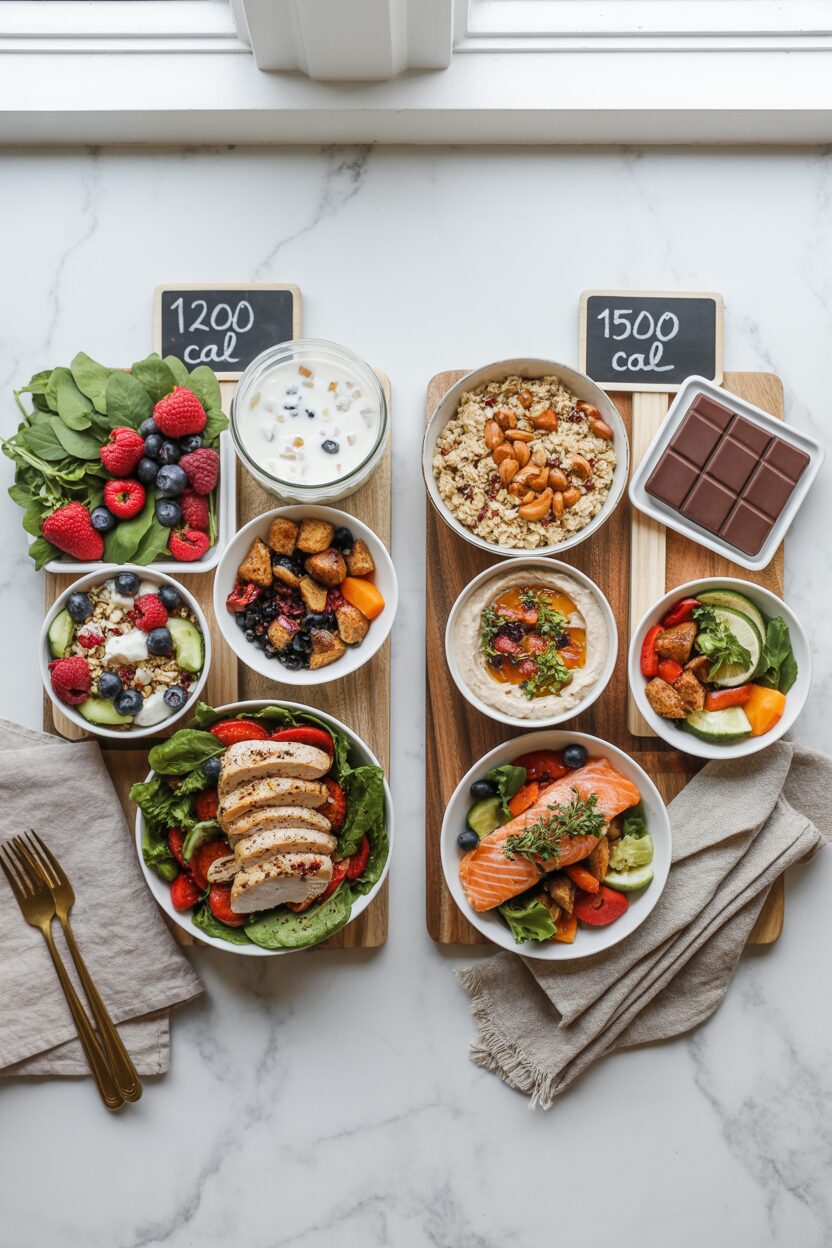
1200 vs 1500 Calorie Meal Plan: Which One Is Best for You?
Let’s get real for a second—choosing between a 1200 and 1500 calorie meal plan isn’t like picking between chocolate and vanilla ice cream. It’s a decision that affects your energy levels, your mood, your workouts, and honestly, whether you’ll actually stick with it or bail after three days of hanger-induced rage.
I’ve tried both. I’ve coached friends through both. And I’m here to tell you that the “right” choice isn’t always the obvious one. So let’s break down the nitty-gritty of these two popular calorie targets and figure out which one deserves a spot in your life.
Understanding the Calorie Deficit Game
Before we pit these two meal plans against each other like they’re competing on some bizarre food reality show, you need to understand how calorie deficits actually work. Your body burns a certain number of calories just existing—breathing, thinking, digesting that questionable leftover pizza. This is your basal metabolic rate, or BMR for those who love acronyms.
Add in your daily activities, and you get your total daily energy expenditure (TDEE). To lose weight, you need to eat less than your TDEE. Simple math, complicated execution.
Here’s where it gets interesting. A 1200 calorie diet typically creates a larger deficit than a 1500 calorie plan, which means faster weight loss, right? Well, yes and no. The human body is annoyingly smart and doesn’t always play by the rules we want it to follow.
According to the National Institutes of Health, extreme calorie restriction can actually trigger metabolic adaptations that slow down your progress. Your body essentially goes into conservation mode, holding onto every calorie like it’s preparing for the apocalypse.
The 1200 Calorie Meal Plan: The Bare Minimum
Let’s talk about 1200 calories. This number gets thrown around a lot in diet culture, and there’s a reason for that—it’s generally considered the minimum number of calories an adult woman should consume to meet basic nutritional needs. For men, that number jumps to 1500.
Who should consider a 1200 calorie plan?
- Petite women (under 5’4″) with sedentary lifestyles
- Individuals with very low TDEEs
- Short-term weight loss goals under medical supervision
- People who are completely honest about portion sizes (this is harder than it sounds)
I’ll be straight with you—1200 calories is tough. It’s doable, but it requires serious planning and commitment. You can’t just wing it with this calorie level and expect to feel decent.
What a Day on 1200 Calories Actually Looks Like
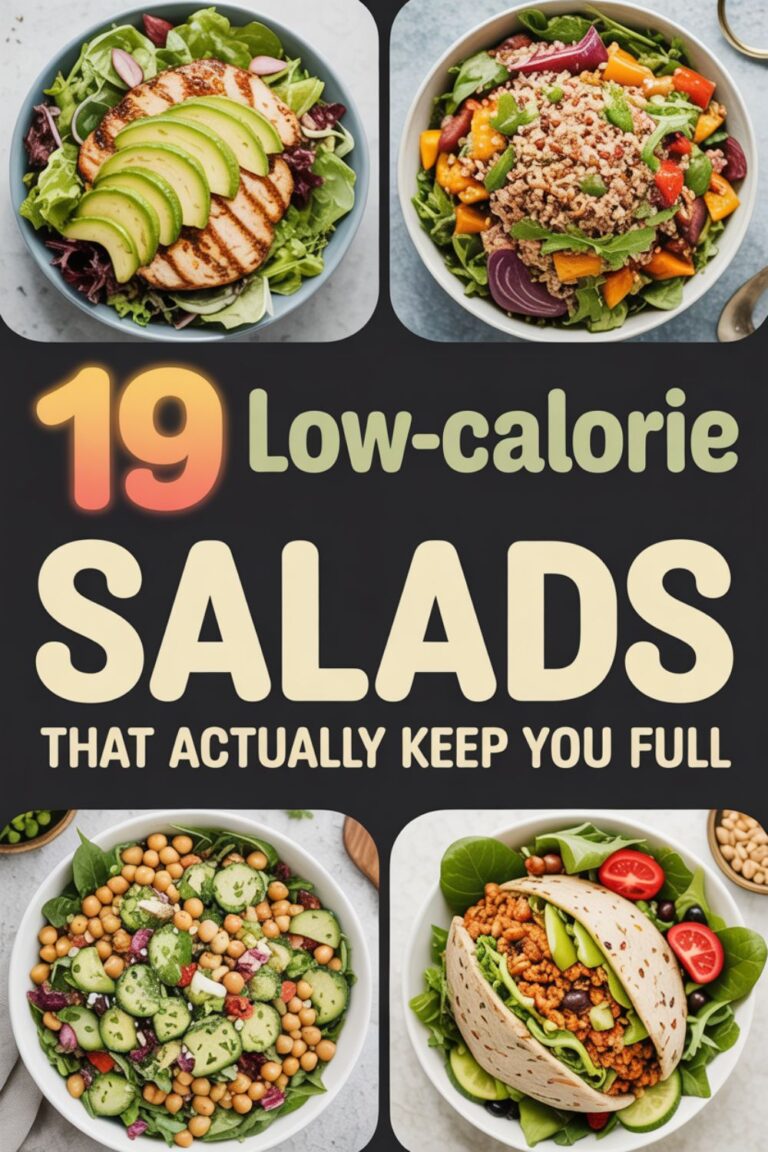
Let me paint you a picture. Your breakfast might be a two-egg veggie omelet with a slice of whole grain toast. Lunch could be a generous salad with 4 ounces of grilled chicken, tons of veggies, and a light vinaigrette. Dinner? Think baked fish with roasted vegetables and a small portion of quinoa.
Snacks are where things get tricky. You’re looking at an apple with a tablespoon of almond butter, or maybe some carrot sticks with hummus. That’s it. That’s your day.
The portions aren’t tragic, but they’re definitely smaller than what most people are used to eating. If you’re someone who does intense workouts or has a physically demanding job, 1200 calories might leave you feeling like you’re running on fumes.
The Downsides Nobody Talks About
Here’s what the Instagram fitness influencers won’t tell you: 1200 calories can mess with your head. I’ve seen people become obsessed with every morsel of food, weighing lettuce like it’s gold dust. That’s not a healthy relationship with food.
You might also experience:
- Constant hunger and food obsession
- Low energy levels, especially during workouts
- Difficulty meeting protein and fiber goals
- Higher risk of nutrient deficiencies
- Metabolic slowdown if maintained too long
- Social challenges (good luck eating out with friends)
FYI, sustainable weight loss isn’t about suffering through every meal. If you’re miserable, you won’t stick with it, and all that effort goes down the drain.
For more morning inspiration that won’t leave you starving by 10 AM, check out some high-protein breakfast ideas or try a Mediterranean-style smoothie bowl that keeps you fuller longer.
The 1500 Calorie Meal Plan: The Sweet Spot for Many
Now we’re talking. A 1500 calorie meal plan gives you significantly more wiggle room while still creating enough of a deficit for steady weight loss. This is where I’ve seen most people find their groove.
Who thrives on 1500 calories?
- Active women who work out regularly
- Men who are shorter or have lower activity levels
- Anyone transitioning from a higher calorie intake
- People who want sustainable, long-term results
- Individuals who actually want to enjoy their food
The extra 300 calories might not sound like much, but trust me—it’s the difference between feeling deprived and feeling satisfied.
A Realistic 1500 Calorie Day
Your breakfast could be overnight oats topped with berries, chia seeds, and a tablespoon of peanut butter (or almond butter if you’re feeling fancy—both pack similar calories but almond butter has slightly more vitamin E). Get Full Recipe.
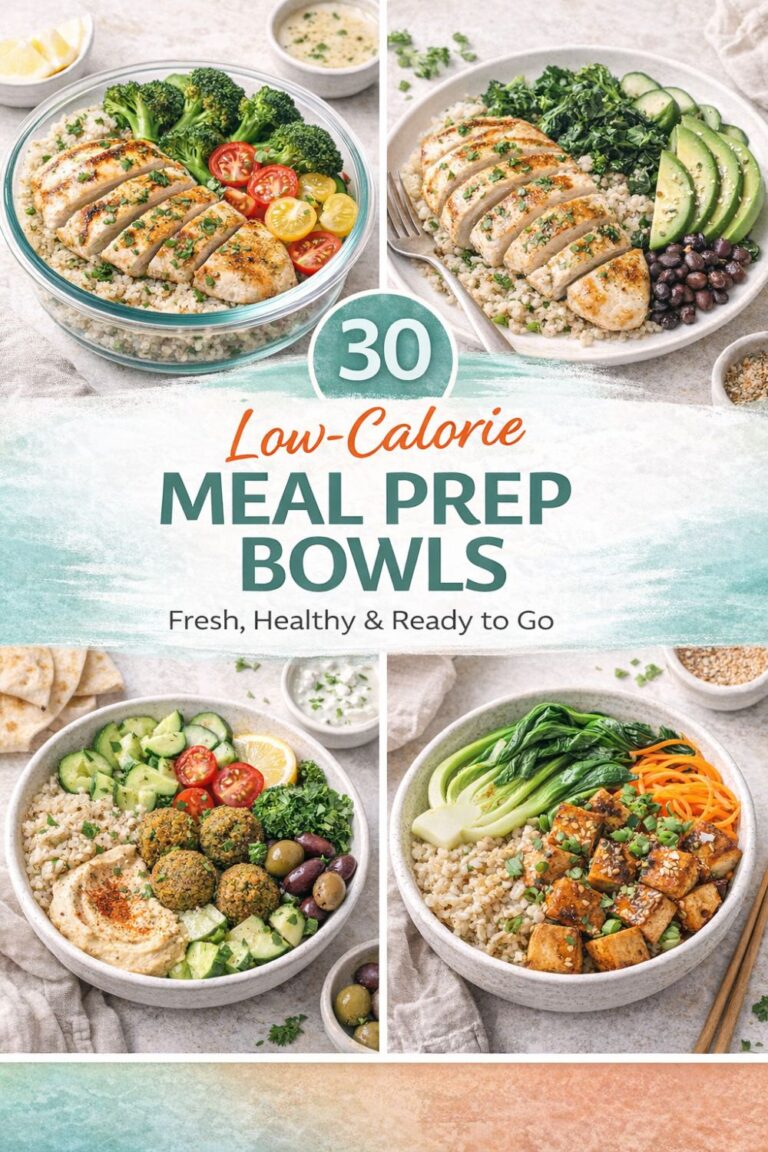
Lunch might be a hearty bowl with brown rice, black beans, grilled chicken, avocado, and salsa. Dinner could be salmon with sweet potato and a full plate of roasted Brussels sprouts.
And here’s the best part—you actually get real snacks. A protein smoothie. Greek yogurt with granola. A handful of nuts. These aren’t sad, apologetic portions; they’re actual, satisfying snacks.
The Advantages That Matter
With 1500 calories, you’re working with actual food volume. You can hit your protein targets (which should be around 100-130 grams for optimal muscle preservation), load up on fiber-rich vegetables, and still have room for healthy fats.
Research from Harvard Health Publishing shows that moderate calorie deficits are easier to maintain long-term than aggressive ones. Shocking, right? Turns out, not being miserable helps you stick with things.
Benefits include:
- Better energy for workouts and daily activities
- Easier to meet nutritional needs
- More flexibility for social situations
- Reduced risk of binge eating
- Better mood and mental clarity
- Sustainable for longer periods
Speaking of sustainability, if you’re looking for meal prep ideas that actually taste good reheated, try these make-ahead lunch bowls or these freezer-friendly dinner recipes that make hitting your calorie goals way less stressful.
Comparing the Two: The Reality Check
Alright, let’s do a side-by-side comparison that actually helps you make a decision instead of just confusing you more.
Weight Loss Speed
1200 Calories: You’ll likely lose 1.5-2 pounds per week, sometimes more initially. Sounds great until you realize your metabolism is adapting faster than a chameleon at a paint store.
1500 Calories: Expect 0.5-1.5 pounds per week. Slower? Yes. More sustainable? Absolutely. Your metabolism stays happier, and you’re less likely to regain everything the second you eat a normal meal.
Workout Performance
1200 Calories: Your workouts will probably suffer. I’m not going to sugarcoat it. Lifting heavy? Good luck. Running? You’ll feel like you’re dragging a parachute. Your body needs fuel for performance.
1500 Calories: You can actually maintain workout intensity. Your lifts won’t tank. Your runs won’t feel like death marches. You might even set some PRs.
Social Life Impact
1200 Calories: Restaurant meals become mathematical nightmares. You’re that person asking for dressing on the side, no oil, extra lettuce, hold the fun. Birthday parties? Stressful. Spontaneous dinners? Forget about it.
1500 Calories: Still requires planning, but you have options. You can enjoy a reasonable restaurant meal, have a slice of birthday cake (a small one, but still), and not feel like a social pariah.
Nutritional Adequacy
1200 Calories: Meeting all your nutritional needs is like playing Tetris on expert mode. Possible? Sure. Easy? Not even close. You’ll probably need supplements.
1500 Calories: Much easier to hit your macros and micros. Getting enough protein, fiber, and healthy fats becomes manageable instead of impossible.
If you’re struggling to meet protein goals on either plan, these high-protein snack ideas and Greek yogurt-based recipes can seriously help without adding excessive calories.
Who Should Actually Choose 1200 Calories?
Let’s be brutally honest. The 1200 calorie meal plan isn’t for everyone. In fact, it’s not for most people.
Consider 1200 calories if:
You’re a petite, sedentary woman (we’re talking 5’2″ and under with a desk job). Your TDEE might genuinely be around 1600-1700 calories, making 1200 a reasonable deficit.
You’re under medical supervision. If your doctor has specifically recommended this calorie level for health reasons, that’s different than choosing it because some Instagram influencer told you to.
You’re doing it short-term for a specific event. Got a wedding in six weeks? A 1200 calorie plan might help you drop those last few pounds quickly. But this is not a forever plan, got it?
But honestly? IMO, most people who think they need 1200 calories actually don’t. They just want fast results and haven’t tried a more moderate approach long enough to see if it works.
Who Should Choose 1500 Calories?
The 1500 calorie sweet spot works beautifully for:
Active women who hit the gym 3-5 times per week. You’re burning enough calories that 1500 provides a deficit without leaving you depleted.
Men with smaller frames or less activity. If you’re 5’7″ with a desk job, 1500 might be your goldilocks number.
Anyone who’s tried 1200 and failed. There’s no shame in this. If you couldn’t stick with 1200 because you were constantly hungry and irritable, 1500 is your second chance at success.
People who want sustainable results they can maintain. If you’re thinking long-term lifestyle change rather than quick fix, this is your lane.
Looking for complete meal ideas that fit perfectly into a 1500 calorie day? These balanced dinner recipes and portion-controlled breakfast options take the guesswork out of meal planning.
How to Decide: The Questions You Need to Ask
Stop googling “which calorie level should I choose” and start asking yourself these questions instead:
What’s your current activity level? Be honest. Your Fitbit steps count, but those three flights of stairs you take twice a day don’t make you an athlete.
What’s your TDEE? Use an online calculator (they’re not perfect, but they’re a starting point). If your TDEE is 1800, a 1500 calorie plan gives you a 300 calorie deficit—perfect for steady progress. If it’s 2500, both options create significant deficits.
How aggressive do you want to be? Fast results with more suffering, or slower results with more sustainability? Neither answer is wrong, but know what you’re signing up for.
Can you commit to meal prep? Both plans require planning, but 1200 demands military-level precision. If you’re someone who forgets lunch and grabs whatever’s available, you’ll struggle with the lower number.
What’s your relationship with food like? If you have a history of disordered eating, restrictive plans can trigger unhealthy patterns. Be real with yourself about this.
Making Either Plan Actually Work
Regardless of which calorie level you choose, these strategies will make your life infinitely easier:
Prioritize Protein
This is non-negotiable. Aim for at least 0.8-1 gram per pound of goal body weight. Protein keeps you full, preserves muscle mass, and has a higher thermic effect than carbs or fats.
Use a digital food scale for accuracy—eyeballing portions is how people accidentally eat 300 extra calories and wonder why they’re not losing weight. I use this affordable kitchen scale that’s saved me from countless portion miscalculations.
Load Up on Vegetables
Veggies are your volume hack. You can eat massive amounts for minimal calories. Roasted broccoli, cauliflower rice, zucchini noodles, spinach salads—these are your friends.
A good quality spiralizer makes vegetable noodles that actually taste decent. I’m obsessed with this handheld version that doesn’t take up half my counter space.
Plan Your Meals
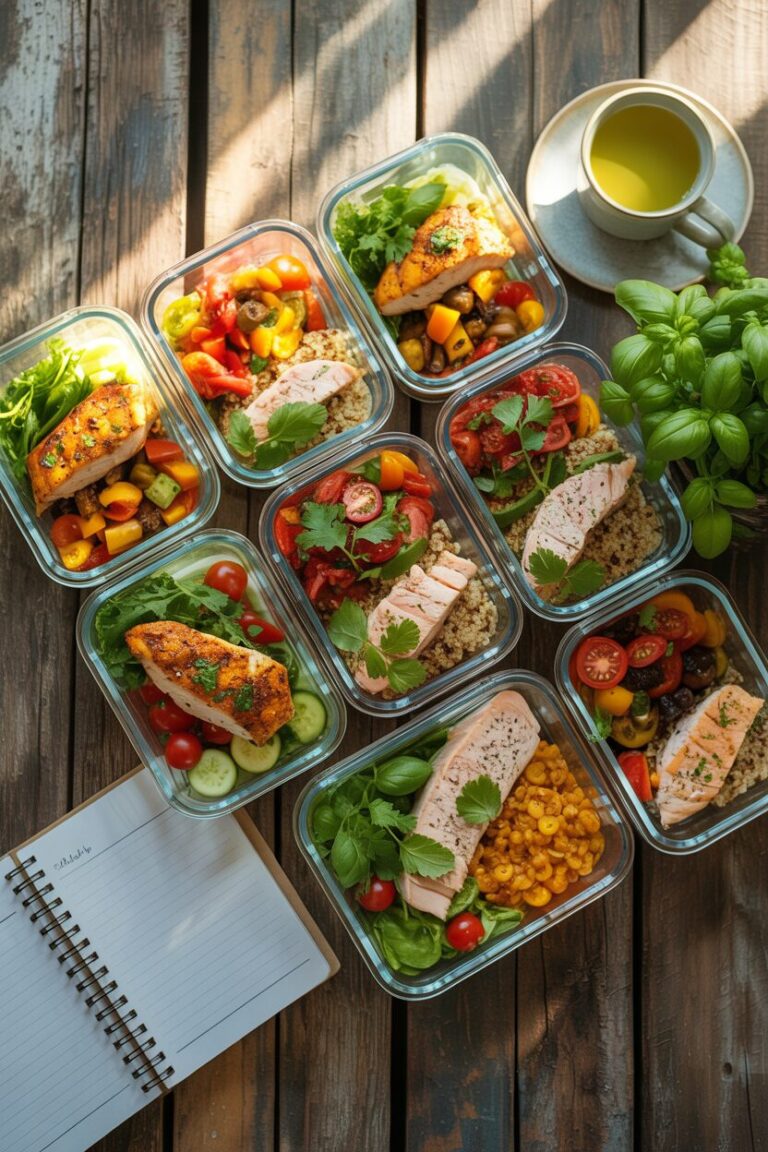
Winging it is how you end up at a drive-through at 9 PM, starving and making terrible decisions. Spend an hour on Sunday planning and prepping your week.
Meal prep containers that don’t leak or warp in the microwave are worth their weight in gold. I swear by these glass containers with snap lids—they’ve survived countless dishwasher cycles and still look new.
Stay Hydrated
Sometimes hunger is actually thirst in disguise. Aim for at least 64 ounces of water daily. Get yourself a motivational water bottle with time markers if you’re terrible at remembering to drink.
Track Everything
And I mean everything. That handful of almonds? Log it. That “tiny” bite of your partner’s dessert? Log it. The cooking oil you used? You better believe you’re logging it.
Use an app like MyFitnessPal or Cronometer. A Bluetooth food scale that syncs with apps makes this process less painful—you can find this highly-rated one that makes tracking almost enjoyable.
For meal prep inspiration that makes tracking easier, check out these batch cooking recipes and make-ahead snack packs designed specifically for calorie-controlled meal plans.
Common Mistakes That Tank Your Progress
Let me save you some heartache by pointing out the mistakes I see constantly:
Underestimating portion sizes. That “medium” chicken breast is probably 8 ounces, not 4. Your “tablespoon” of peanut butter is closer to three. Get real with measurements.
Forgetting about cooking oils and condiments. That tablespoon of olive oil you used? 120 calories. The “light” salad dressing? Still 50 calories per tablespoon, and you used four.
Not eating enough protein. You can’t preserve muscle mass on 40 grams of protein daily while in a deficit. Your body will cannibalize your muscles before your fat if you don’t give it protein.
Going too low for too long. If you’ve been at 1200 calories for three months and your weight loss has stalled, your metabolism has adapted. You might need a diet break or reverse diet before continuing.
Ignoring hunger cues completely. Yes, some hunger is normal in a deficit. But if you’re light-headed, irritable, and obsessing over food constantly, you’ve gone too low.
The Science Behind Metabolic Adaptation
Here’s something most diet articles skip over: your body adapts to calorie restriction. It’s not “starvation mode” (that’s mostly a myth), but your metabolism does slow down slightly when you eat less.
Studies published in the American Journal of Clinical Nutrition show that aggressive calorie restriction leads to greater metabolic adaptation than moderate restriction. Your body becomes more efficient, burning fewer calories for the same activities.
This is why someone on 1200 calories for six months might lose weight more slowly than someone on 1500 calories for the same period. The 1200 calorie person’s body has adapted more aggressively to the restriction.
The fix? Periodic diet breaks where you eat at maintenance for a week or two. It sounds counterintuitive, but it can actually speed up long-term progress.
What About Macros?
Calories matter, but so does what those calories come from. Both meal plans should follow similar macro ratios, just at different quantities.
Protein: 30-35% of calories (this is your priority) Fats: 25-30% of calories (don’t go lower—you need fat for hormones) Carbs: 35-45% of calories (whatever’s left after protein and fat)
On 1200 calories, this looks like:
- 90-105g protein
- 33-40g fat
- 105-135g carbs
On 1500 calories:
- 113-131g protein
- 42-50g fat
- 131-169g carbs
See the difference? That extra 300 calories gives you significantly more room to hit adequate protein and carbs, which matters for your workouts, recovery, and general sanity.
For macro-balanced meal ideas, try these protein-packed dinner bowls or these balanced breakfast recipes that make hitting your numbers way easier.
Related Recipes You’ll Love
Looking for recipes that work perfectly with either calorie level? Here are some favorites that are easy to portion-control:
For Breakfast:
- Meal Prep Egg Muffins – customize portions for either plan
- Protein Overnight Oats – scales perfectly for different calorie needs
For Lunch:
- Mason Jar Salads with Chicken – easy to measure and prep
- Portion-Controlled Buddha Bowls – mix and match components
For Dinner:
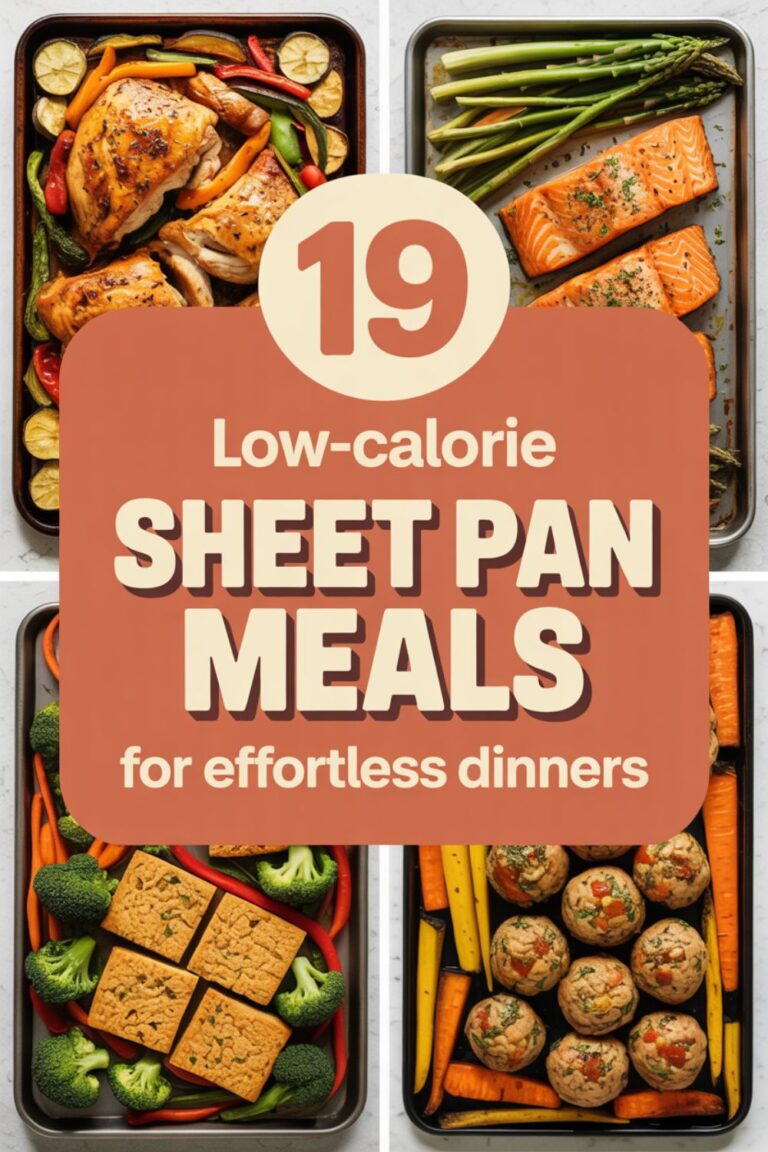
- Sheet Pan Chicken and Vegetables – simple to weigh and portion
- Baked Salmon with Roasted Vegetables – clean, easy, delicious
For Snacks:
- Greek Yogurt Parfaits – adjust portions to fit your calorie budget
- Veggie Sticks with Hummus – pre-portioned for grab-and-go
The Bottom Line: Stop Overthinking This
Here’s my final take after years of trying different approaches and working with people on their weight loss journeys: 1500 calories is probably the better choice for most people reading this article.
Yes, 1200 will create faster initial results. But can you sustain it? Will you still be doing it in three months? Six months? Or will you burn out, binge, and end up right back where you started?
The best meal plan is the one you can actually stick with long enough to see results. That’s it. That’s the secret nobody wants to hear because it’s not sexy or dramatic.
If you’re petite, sedentary, and under medical supervision, 1200 might work for you. But if you’re active, taller than 5’4″, or have any significant muscle mass, 1500 gives you room to actually live your life while losing weight.
Start with 1500. Give it a solid 4-6 weeks. Track everything honestly. If you’re not seeing results after that time, then consider adjusting. But most people don’t need to go as low as they think they do.
Remember, the goal isn’t just to lose weight—it’s to lose weight and keep it off. And that requires a plan you can maintain without losing your mind or your social life. Choose sustainability over speed every single time.
Now stop reading articles and start implementing. Pick your calorie level, prep your meals, and get to work. You’ve got this.